James Garber – författare
Visar alla böcker från författaren James Garber. Handla med fri frakt och snabb leverans.
3 produkter
3 produkter
2 376 kr
Skickas inom 3-6 vardagar
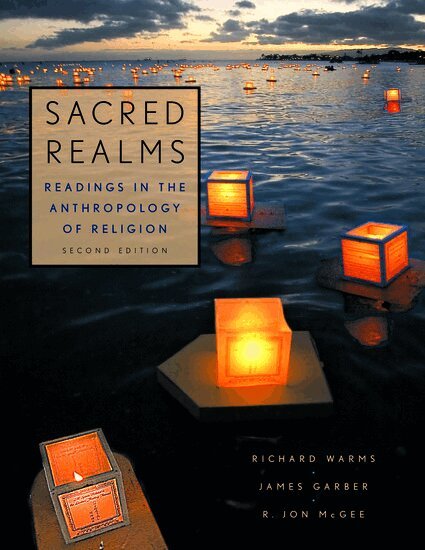
This comprehensive and engaging introduction to the anthropology of religion brings together a rich and balanced collection of classic and contemporary readings. Ideal for courses in the anthropology of religion or comparative religion, this exceptional anthology not only gives students the tools to analyze and comprehend religion but also enables them to consider religion's major role in contemporary world affairs.Organized topically, Sacred Realms: Readings in the Anthropology of Religion, Second Edition, covers twelve major areas in faith, religion, and belief. Demonstrating the breadth and variety of human religious experience, the essays are written by authors from diverse ethnic and national backgrounds and include vivid ethnographic examples drawn from field studies around the world. The readings range from classic contributions by Bronislaw Malinowski, Horace Miner, and Anthony F. C. Wallace to more recent selections including one on the Rajneeshee by Charles Lindholm and articles on Sufism, witches, and American raves. The volume concludes with a unique section by the editors that describes the basic facets of five of the world's most influential religions: Hinduism, Buddhism, Judaism, Christianity, and Islam.The editors also provide helpful background material throughout; their general introduction encourages students to approach religion as an objective human experience rather than from the perspective of their own upbringings, while overviews to each of the text's six parts place subjects in context and highlight key issues. Essay introductions identify the author's perspective, the article's major points, and the questions the essay raises.New to the second edition of Sacred Realms is a section on the intersection of religion and politics, which includes a classic article by Raymond Firth as well as recent articles on issues in Korea and the Middle East. This edition also features a world map at the front of the book--referencing locations in each essay, by number--and a glossary of terms at the end of the book. An Instructor's Manual on CD is available to adopters.
707 kr
Skickas inom 10-15 vardagar
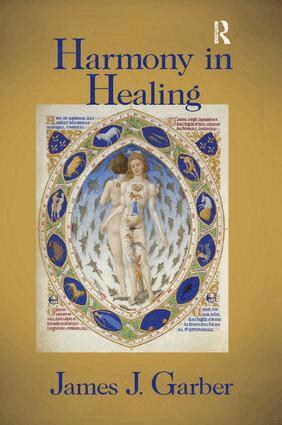
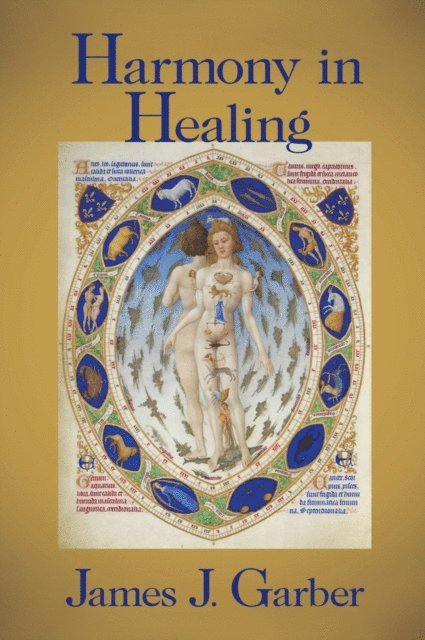
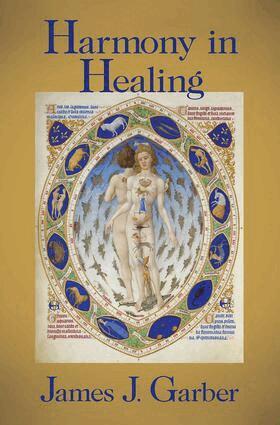
Medicine and astronomy are the oldest of all the sciences. They appear at first glance to be the original "odd couple." Their union gave birth to a progeny that populated the Western world for more than two millennia. From an historical perspective, their marriage and mutual influence is undeniable. Cosmology and cosmogony, as natural philosophical aspects of astronomy, have gone hand in hand with the science of medicine from time immemorial. Indeed, medicine and the pseudoscience of astrology were for centuries inseparable.The ancients began the embryonic search for answers to questions that had puzzled humans for eons. No systematic approach to the nature of the universe was undertaken until the Sumerians, the Babylonians, and the Greeks began the quest for wisdom. The Greeks, beginning with Thales in the 6th century B.C.E., sought a unifying principle to explain the world as a whole. Because cosmology and medicine were among the few known sciences in ancient times, it was natural that these two apparently disparate disciplines should be combined to provide the theoretical basis of medicine--foundations that were to survive for nearly 2,400 years. This scientific structure rested firmly on the ancient principles of cosmology, astronomy, and the concept of universal harmony. This book tells the tale of these theoretical underpinnings and how they influenced humankind's efforts to maintain health and fight disease. Ultimately, the system was fundamentally flawed. Nonetheless, it lingered on for centuries beyond what common sense tells us it should have.Few comprehensive analyses of the relationship between cosmology and medicine have been undertaken in the astronomical or medical literature. For better or for worse, cosmological principles have had profound effects on the theory and practice of medicine over the centuries. It is time for historians, astronomers, physicians, and philosophers to acquaint themselves with the impact early cosmology has had on medicine. Awareness of this linkage can help us better understand not only past but present-day medicine. This book is a fascinating review of the historical roots of the medical tradition.
2 176 kr
Skickas inom 10-15 vardagar
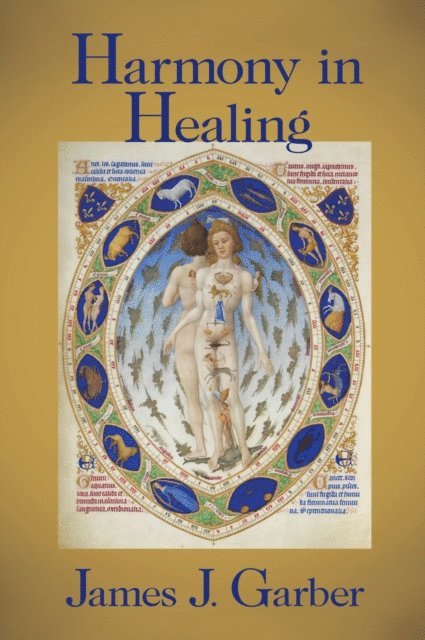
Medicine and astronomy are the oldest of all the sciences. They appear at first glance to be the original "odd couple." Their union gave birth to a progeny that populated the Western world for more than two millennia. From an historical perspective, their marriage and mutual influence is undeniable. Cosmology and cosmogony, as natural philosophical aspects of astronomy, have gone hand in hand with the science of medicine from time immemorial. Indeed, medicine and the pseudoscience of astrology were for centuries inseparable.The ancients began the embryonic search for answers to questions that had puzzled humans for eons. No systematic approach to the nature of the universe was undertaken until the Sumerians, the Babylonians, and the Greeks began the quest for wisdom. The Greeks, beginning with Thales in the 6th century B.C.E., sought a unifying principle to explain the world as a whole. Because cosmology and medicine were among the few known sciences in ancient times, it was natural that these two apparently disparate disciplines should be combined to provide the theoretical basis of medicine--foundations that were to survive for nearly 2,400 years. This scientific structure rested firmly on the ancient principles of cosmology, astronomy, and the concept of universal harmony. This book tells the tale of these theoretical underpinnings and how they influenced humankind's efforts to maintain health and fight disease. Ultimately, the system was fundamentally flawed. Nonetheless, it lingered on for centuries beyond what common sense tells us it should have.Few comprehensive analyses of the relationship between cosmology and medicine have been undertaken in the astronomical or medical literature. For better or for worse, cosmological principles have had profound effects on the theory and practice of medicine over the centuries. It is time for historians, astronomers, physicians, and philosophers to acquaint themselves with the impact early cosmology has had on medicine. Awareness of this linkage can help us better understand not only past but present-day medicine. This book is a fascinating review of the historical roots of the medical tradition.