James H. Cox - Böcker
Visar alla böcker från författaren James H. Cox. Handla med fri frakt och snabb leverans.
9 produkter
9 produkter
738 kr
Skickas inom 5-8 vardagar
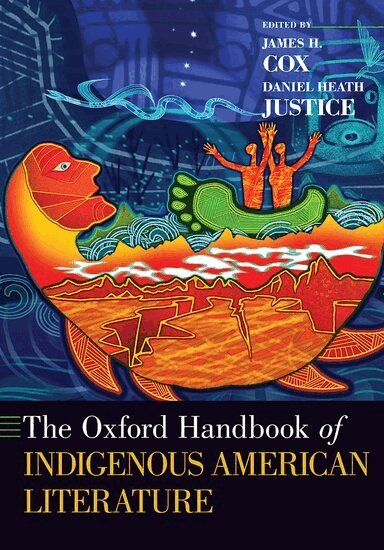
Over the course of the last twenty years, Native American and Indigenous American literary studies has experienced a dramatic shift from a critical focus on identity and authenticity to the intellectual, cultural, political, historical, and tribal nation contexts from which these Indigenous literatures emerge. The Oxford Handbook of Indigenous American Literature reflects on these changes and provides a complete overview of the current state of the field.The Handbook's forty-three essays, organized into four sections, cover oral traditions, poetry, drama, non-fiction, fiction, and other forms of Indigenous American writing from the seventeenth through the twenty-first century. Part I attends to literary histories across a range of communities, providing, for example, analyses of Inuit, Chicana/o, Anishinaabe, and Métis literary practices. Part II draws on earlier disciplinary and historical contexts to focus on specific genres, as authors discuss Indigenous non-fiction, emergent trans-Indigenous autobiography, Mexicanoh and Spanish poetry, Native drama in the U.S. and Canada, and even a new Indigenous children's literature canon. The third section delves into contemporary modes of critical inquiry to expound on politics of place, comparative Indigenism, trans-Indigenism, Native rhetoric, and the power of Indigenous writing to communities of readers. A final section thoroughly explores the geographical breadth and expanded definition of Indigenous American through detailed accounts of literature from Indian Territory, the Red Atlantic, the far North, Yucatán, Amerika Samoa, and Francophone Quebec.Together, the volume is the most comprehensive and expansive critical handbook of Indigenous American literatures published to date. It is the first to fully take into account the last twenty years of recovery and scholarship, and the first to most significantly address the diverse range of texts, secondary archives, writing traditions, literary histories, geographic and political contexts, and critical discourses in the field.
2 903 kr
Skickas inom 7-10 vardagar
Over the course of the last twenty years, Native American and Indigenous American literary studies has experienced a dramatic shift from a critical focus on identity and authenticity to the intellectual, cultural, political, historical, and tribal nation contexts from which these Indigenous literatures emerge. The Oxford Handbook of Indigenous American Literature reflects on these changes and provides a complete overview of the current state of the field.The Handbook's forty-three essays, organized into four sections, cover oral traditions, poetry, drama, non-fiction, fiction, and other forms of Indigenous American writing from the seventeenth through the twenty-first century. Part I attends to literary histories across a range of communities, providing, for example, analyses of Inuit, Chicana/o, Anishinaabe, and Métis literary practices. Part II draws on earlier disciplinary and historical contexts to focus on specific genres, as authors discuss Indigenous non-fiction, emergent trans-Indigenous autobiography, Mexicanoh and Spanish poetry, Native drama in the U.S. and Canada, and even a new Indigenous children's literature canon. The third section delves into contemporary modes of critical inquiry to expound on politics of place, comparative Indigenism, trans-Indigenism, Native rhetoric, and the power of Indigenous writing to communities of readers. A final section thoroughly explores the geographical breadth and expanded definition of Indigenous American through detailed accounts of literature from Indian Territory, the Red Atlantic, the far North, Yucatán, Amerika Samoa, and Francophone Quebec.Together, the volume is the most comprehensive and expansive critical handbook of Indigenous American literatures published to date. It is the first to fully take into account the last twenty years of recovery and scholarship, and the first to most significantly address the diverse range of texts, secondary archives, writing traditions, literary histories, geographic and political contexts, and critical discourses in the field.
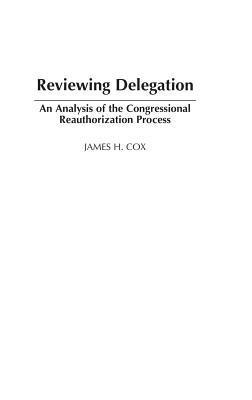
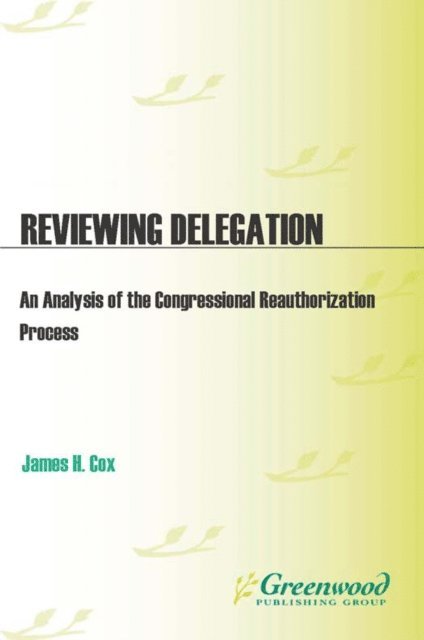
Reviewing Delegation
An Analysis of the Congressional Reauthorization Process
Inbunden, Engelska, 2004
809 kr
Skickas inom 10-15 vardagar
Members of Congress often delegate power to bureaucratic experts, but they fear losing permanent control of the policy. One way Congress has dealt with this problem is to require reauthorization of the program or policy. Cox argues that Congress uses this power selectively, and is more likely to require reauthorization when policy is complex or they do not trust the executive branch. By contrast, reauthorization is less likely to be required when there are large disagreements about policy within Congress. In the process, Cox shows that committees are important independent actors in the legislative process, and that committees with homogenous policy preferences may have an advantage in getting their bills through Congress.
299 kr
Skickas inom 10-15 vardagar
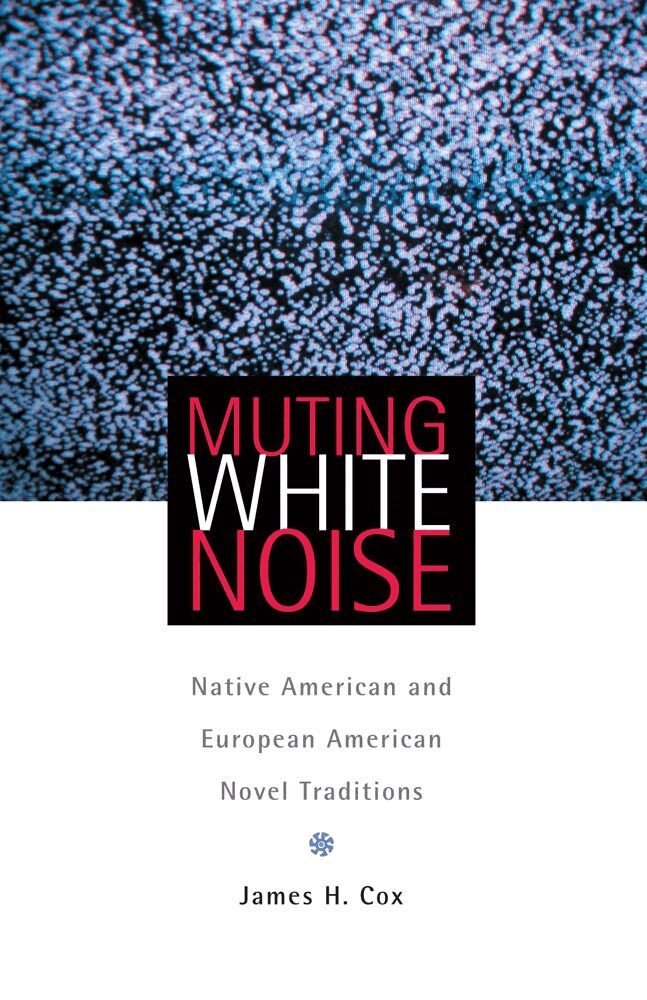
Native American fiction writers have confronted Euro-American narratives about Indians and the colonial world those narratives help create. These Native authors offer stories in which Indians remake this colonial world by resisting conquest and assimilation, sustaining their cultures and communities, and surviving.In Muting White Noise, James H. Cox considers how Native authors have liberated our imaginations from colonial narratives. Cox takes his title from Sherman Alexie, for whom the white noise of a television set represents the white mass-produced culture that mutes American Indian voices. Cox foregrounds the work of Native intellectuals in his readings of the American Indian novel tradition. He thereby develops a critical perspective from which to re-see the role played by the Euro-American novel tradition in justifying and enabling colonialism.By examining novels by Native authors - especially Thomas King, Gerald Vizenor, and Alexie - Cox shows how these writers challenge and revise colonizers' tales about Indians. He then offers ""red readings"" of some revered Euro-American novels, including Herman Melville's Moby-Dick, and shows that until quite recently, even those non-Native storytellers who sympathized with Indians could imagine only their vanishing by story's end.Muting White Noise breaks new ground in literary criticism. It stands with Native authors in their struggle to reclaim their own narrative space and tell stories that empower and nurture, rather than undermine and erase, American Indians and their communities.
330 kr
Skickas inom 10-15 vardagar
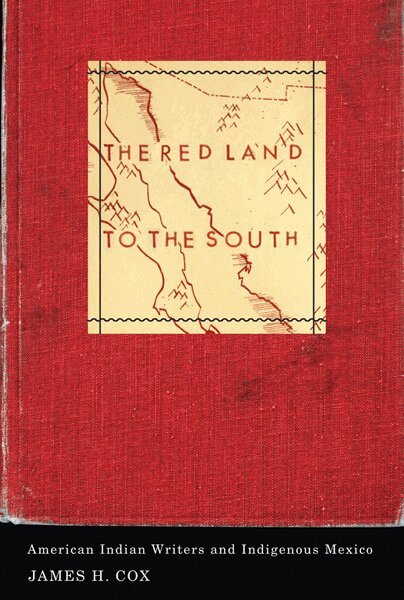
The forty years of American Indian literature taken up by James H. Cox-the decades between 1920 and 1960-have been called politically and intellectually moribund. On the contrary, Cox identifies a group of American Indian writers who share an interest in the revolutionary potential of the indigenous peoples of Mexico-and whose work demonstrates a surprisingly assertive literary politics in the era.By contextualizing this group of American Indian authors in the work of their contemporaries, Cox reveals how the literary history of this period is far more rich and nuanced than is generally acknowledged. The writers he focuses on-Todd Downing (Choctaw), Lynn Riggs (Cherokee), and D’Arcy McNickle (Confederated Salish and Kootenai)-are shown to be on par with writers of the preceding Progressive and the succeeding Red Power and Native American literary renaissance eras.Arguing that American Indian literary history of this period actually coheres in exciting ways with the literature of the Native American literary renaissance, Cox repudiates the intellectual and political border that has emerged between the two eras.
278 kr
Skickas inom 5-8 vardagar
1 342 kr
Skickas inom 10-15 vardagar
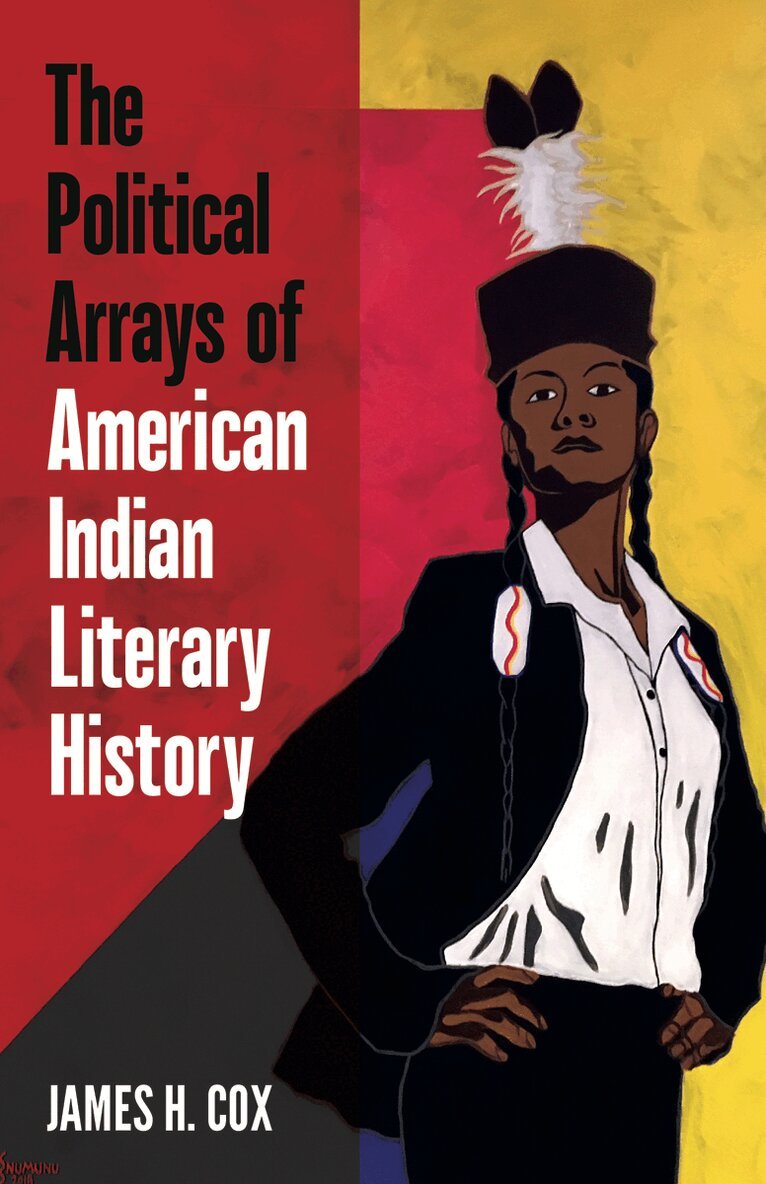
Bringing fresh insight to a century of writing by Native AmericansThe Political Arrays of American Indian Literary History challenges conventional views of the past one hundred years of Native American writing, bringing Native American Renaissance and post-Renaissance writers into conversation with their predecessors. Addressing the political positions such writers have adopted, explored, and debated in their work, James H. Cox counters what he considers a “flattening” of the politics of American Indian literary expression and sets forth a new method of reading Native literature in a vexingly politicized context. Examining both canonical and lesser-known writers, Cox proposes that scholars approach these texts as “political arrays”: confounding but also generative collisions of conservative, moderate, and progressive ideas that together constitute the rich political landscape of American Indian literary history. Reviewing a broad range of genres including journalism, short fiction, drama, screenplays, personal letters, and detective fiction-by Lynn Riggs, Will Rogers, Sherman Alexie, Thomas King, Leslie Marmon Silko, Louise Erdrich, Winona LaDuke, Carole laFavor, and N. Scott Momaday-he demonstrates that Native texts resist efforts to be read as advocating a particular set of politicsMeticulously researched, The Political Arrays of American Indian Literary History represents a compelling case for reconceptualizing the Native American Renaissance as a literary–historical constellation. By focusing on post-1968 Native writers and texts, argues Cox, critics have often missed how earlier writers were similarly entangled, hopeful, frustrated, contradictory, and unpredictable in their political engagements.
330 kr
Skickas inom 10-15 vardagar
Bringing fresh insight to a century of writing by Native AmericansThe Political Arrays of American Indian Literary History challenges conventional views of the past one hundred years of Native American writing, bringing Native American Renaissance and post-Renaissance writers into conversation with their predecessors. Addressing the political positions such writers have adopted, explored, and debated in their work, James H. Cox counters what he considers a “flattening” of the politics of American Indian literary expression and sets forth a new method of reading Native literature in a vexingly politicized context. Examining both canonical and lesser-known writers, Cox proposes that scholars approach these texts as “political arrays”: confounding but also generative collisions of conservative, moderate, and progressive ideas that together constitute the rich political landscape of American Indian literary history. Reviewing a broad range of genres including journalism, short fiction, drama, screenplays, personal letters, and detective fiction-by Lynn Riggs, Will Rogers, Sherman Alexie, Thomas King, Leslie Marmon Silko, Louise Erdrich, Winona LaDuke, Carole laFavor, and N. Scott Momaday-he demonstrates that Native texts resist efforts to be read as advocating a particular set of politicsMeticulously researched, The Political Arrays of American Indian Literary History represents a compelling case for reconceptualizing the Native American Renaissance as a literary–historical constellation. By focusing on post-1968 Native writers and texts, argues Cox, critics have often missed how earlier writers were similarly entangled, hopeful, frustrated, contradictory, and unpredictable in their political engagements.
369 kr
Skickas