James H. Mills - Böcker
Visar alla böcker från författaren James H. Mills. Handla med fri frakt och snabb leverans.
6 produkter
6 produkter
801 kr
Skickas inom 7-10 vardagar
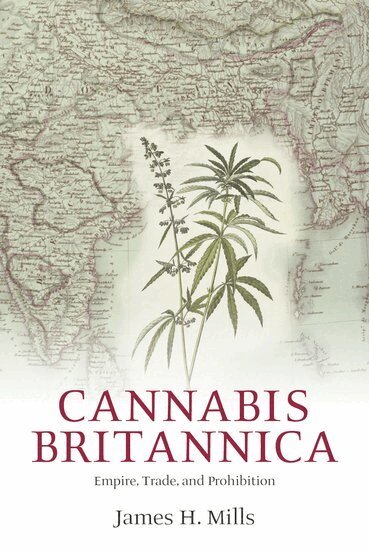
Cannabis Britannica explores the historical origins of the UK's legislation and regulations on cannabis preparations before 1928. It draws on published and unpublished sources from the seventeenth century onwards, from archives in the UK and India, to show how the history of cannabis and the British before the twentieth century was bound up with imperialism. James Mills argues that until the 1900s, most of the information and experience gathered by British sources were drawn from colonial contexts as imperial administrators governed and observed populations where use of cannabis was extensive and established. This is most obvious in the 1890s when British anti-opium campaigners in the House of Commons seized on the issue of Government of India excise duties on the cannabis trade in Asia in order to open up another front in their attacks on imperial administration. The result was that cannabis preparations became a matter of concern in Parliament which accordingly established the Indian Hemp Drugs Commission. The story in the twentieth century is of the momentum behind moves to include cannabis substances in domestic law and in international treaties. The latter was a matter of the diplomatic politics of imperialism, as Britain sought to defend its cannabis revenues in India against American and Egyptian interests. The domestic story focuses on the coming together of the police, the media, and the pharmaceutical industry to form misunderstandings of cannabis that forced it onto the Poisons Schedule despite the misgivings of the Home Office and of key medical professionals. The book is the first full history of the origins of the moments when cannabis first became subjected to laws and regulations in Britain.
1 325 kr
Skickas inom 5-8 vardagar
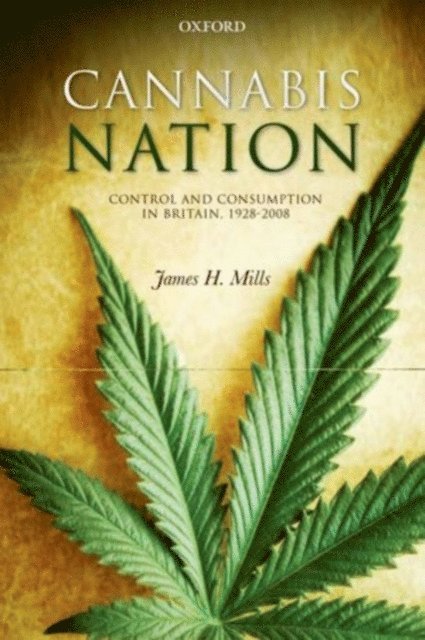
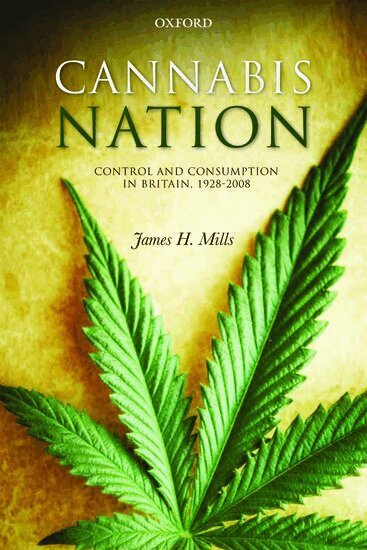
Cannabis has never been a more controversial substance in Britain. Over the last decade it has been reclassified twice, has been the subject of a range of official investigations and scientific studies, and has provoked media campaigns and all manner of political gesturing. Cannabis Nation seeks to understand this period by placing it back into the historical context of the long-term story of cannabis and the British. It takes up where its predecessor, Cannabis Britannica: Empire, Trade, and Prohibition, 1800-1928 (2003) left off. James Mills traces the story back into the last days of the Empire, when Britain controlled cannabis-consuming societies in Asia and Africa even while there was little taste for the drug back home. He shows that cannabis was caught up in control regimes established to deal with opium and cocaine consumption, while it fell out of favour as a medicine. As such, when migration after the Second World War brought the Empire's cannabis-consumers to the UK, they faced hostile attitudes towards their favourite intoxicant. From that time on a growing number of groups and agencies took an interest in cannabis. Ambitious bureaucrats in the Home Office saw in it an opportunity to draw resources in to the Drugs Branch, while the police began to use laws related to it for a number of other purposes. Experts ranging from pharmacologists to sociologists formed committees on the subject, and its association with colonial migrants lent it an exotic aura to the politically-minded of the 1960s counter-culture and the working-class youth of Britain's inner cities. Since the 1970s governments were content to devolve responsibility to the police for working out the best legal approach to the substance, and efforts to wrestle this back from them proved difficult a decade ago. Cannabis Nation considers all of these trends, details the often eccentric characters that have shaped them, and concludes that current positions and arguments on cannabis can only be properly assessed if their historical origins are clearly understood.
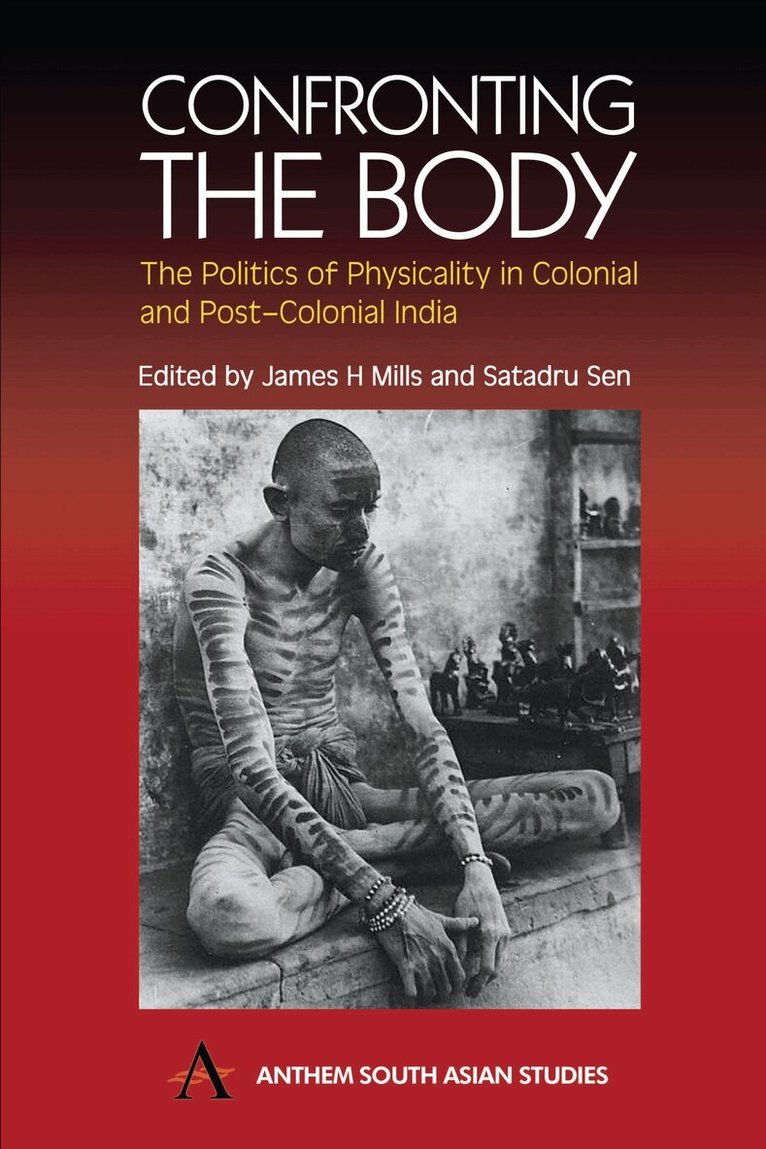
Confronting the Body
The Politics of Physicality in Colonial and Post-Colonial India
Inbunden, Engelska, 2004
1 099 kr
Skickas inom 5-8 vardagar
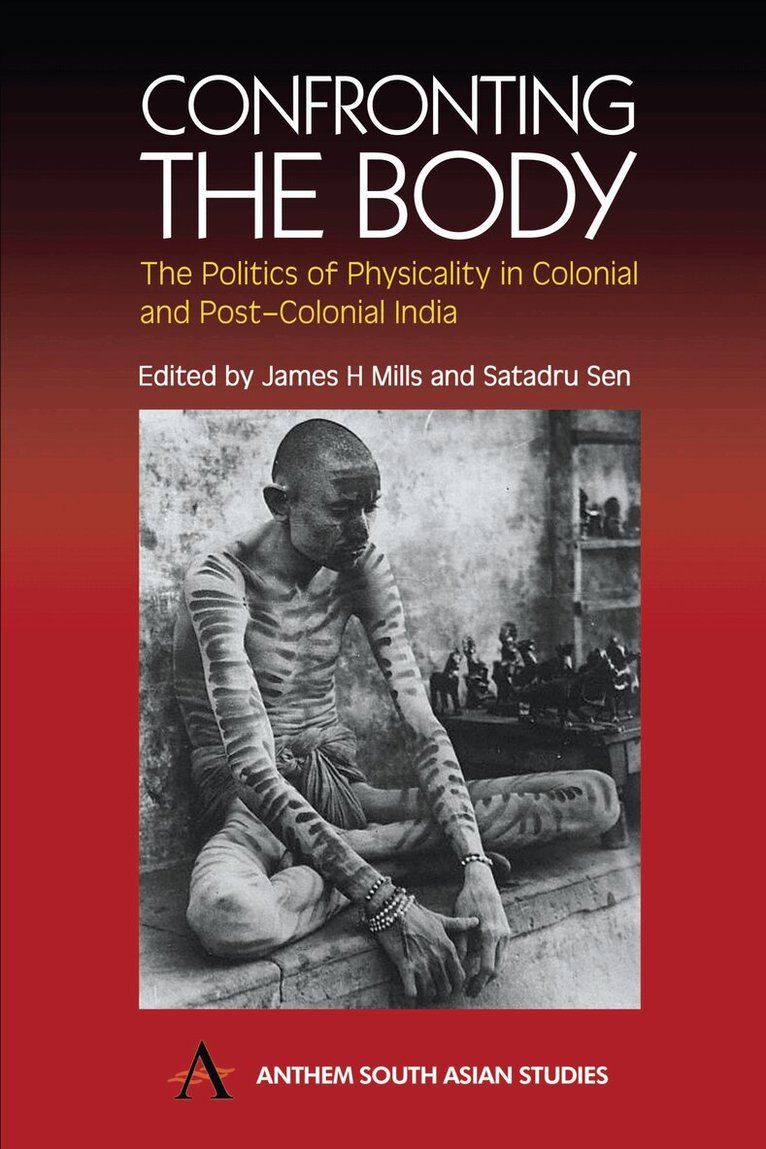
The editors bring together some of the best new scholarship on physicality in modern India in a single volume and provide a balance of materials from colonial and post-colonial India. Included are new writings by established and upcoming writers in the social sciences and humanities, all based on original research.
Confronting the Body
The Politics of Physicality in Colonial and Post-Colonial India
Häftad, Engelska, 2004
254 kr
Skickas inom 5-8 vardagar
The editors bring together some of the best new scholarship on physicality in modern India in a single volume and provide a balance of materials from colonial and post-colonial India. Included are new writings by established and upcoming writers in the social sciences and humanities, all based on original research.
1 132 kr
Skickas inom 5-8 vardagar
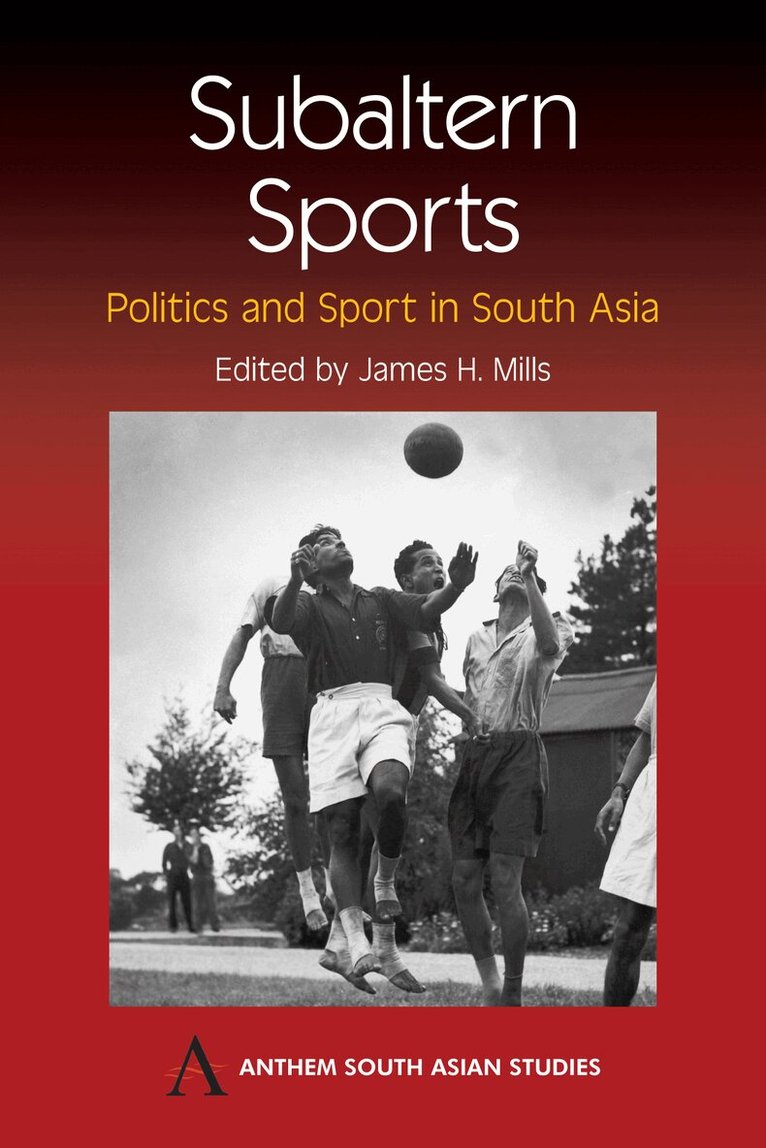
This unique volume explores sports stories that contain elements of colonialism and show the rise of nationalism and the emergence of communalism; other examples show how the establishment of nationhood in a post-colonial world, the challenge of the regions to the political centre and the impacts of globalization and economic liberalization have all left their mark on the development of sport in South Asia. Quite simply, South Asian history and society have transformed sports in the region while at the same time such games and activities have often shaped the development of South Asia.
286 kr
Skickas inom 5-8 vardagar
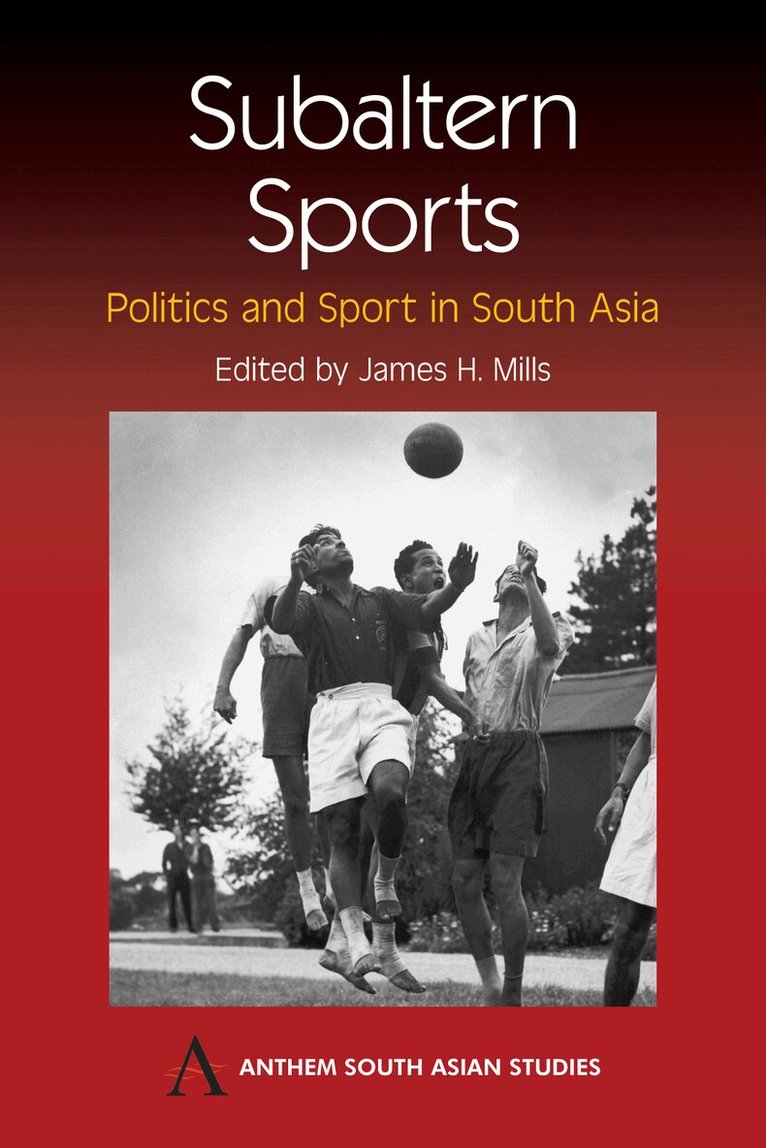
This unique volume explores sports stories that contain elements of colonialism and show the rise of nationalism and the emergence of communalism; other examples show how the establishment of nationhood in a post-colonial world, the challenge of the regions to the political centre and the impacts of globalization and economic liberalization have all left their mark on the development of sport in South Asia. Quite simply, South Asian history and society have transformed sports in the region while at the same time such games and activities have often shaped the development of South Asia.