Satadru Sen – författare
Visar alla böcker från författaren Satadru Sen. Handla med fri frakt och snabb leverans.
12 produkter
12 produkter
Inbunden, Engelska, 2009
2 388 kr
Skickas inom 10-15 vardagar
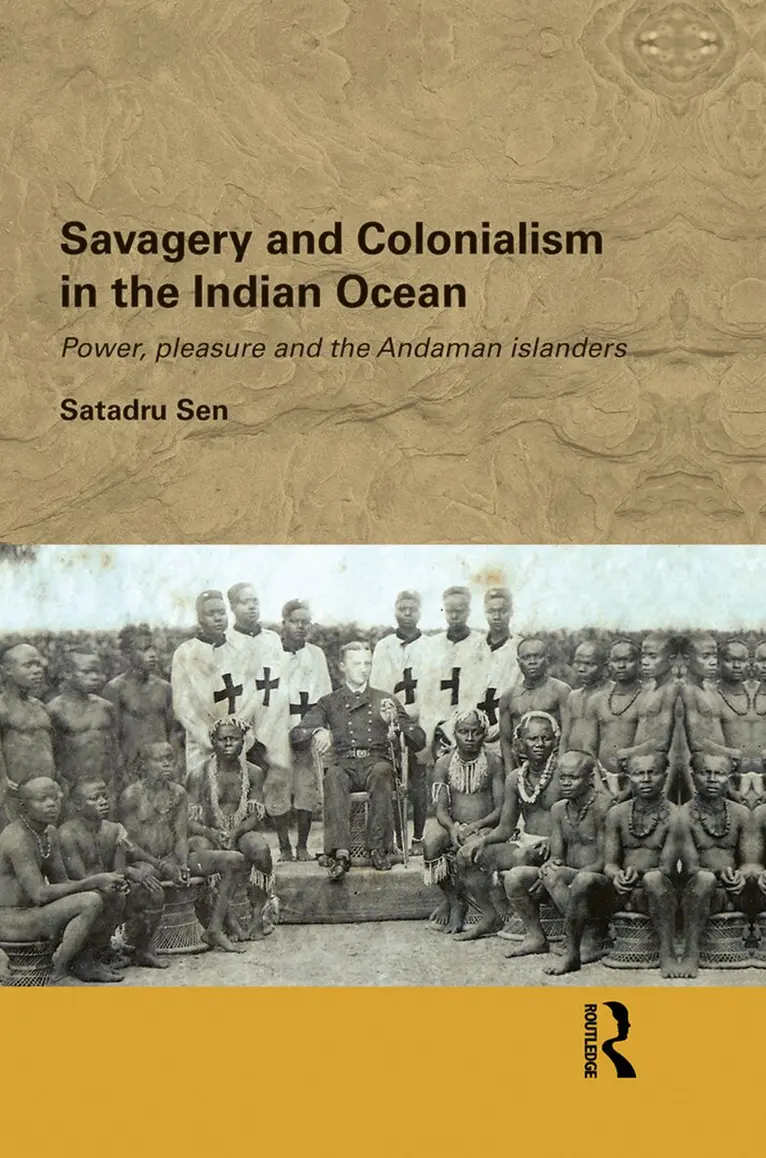
This book examines the social, political and ideological dimensions of the encounter between the indigenous inhabitants of the Andaman islands, British colonizers and Indian settlers in the eighteenth and nineteenth centuries. The British-Indian penal settlements in the Andaman Islands – beginning tentatively in 1789 and renewed on a larger scale in 1858 – represent an extensive, complex experiment in the management of populations through colonial discourses of race, criminality, civilization, and savagery. Focussing on the ubiquitous characterization of the Andaman islanders as ‘savages’, this study explores the particular relationship between savagery and the practice of colonialism. Satadru Sen examines savagery and the savage as dynamic components of colonialism in South Asia: not intellectual abstractions with clear and fixed meanings, but politically ‘alive’ and fiercely contested products of the colony. Illuminating and historicizing the processes by which the discourse of savagery goes through multiple and fundamental shifts between the late eighteenth and late nineteenth centuries, he shows the links and breaks between these shifts and changing ideas of race, adulthood and masculinity in the Andamans, British India, Britain and in the wider empire. He also highlights the implications of these changes for the ‘savages’ themselves. At the broadest level, this book re-examines the relationship between the modern and the primitive in a colonial world.
Häftad, Engelska, 2012
858 kr
Skickas inom 10-15 vardagar
This book examines the social, political and ideological dimensions of the encounter between the indigenous inhabitants of the Andaman islands, British colonizers and Indian settlers in the eighteenth and nineteenth centuries. The British-Indian penal settlements in the Andaman Islands – beginning tentatively in 1789 and renewed on a larger scale in 1858 – represent an extensive, complex experiment in the management of populations through colonial discourses of race, criminality, civilization, and savagery. Focussing on the ubiquitous characterization of the Andaman islanders as ‘savages’, this study explores the particular relationship between savagery and the practice of colonialism. Satadru Sen examines savagery and the savage as dynamic components of colonialism in South Asia: not intellectual abstractions with clear and fixed meanings, but politically ‘alive’ and fiercely contested products of the colony. Illuminating and historicizing the processes by which the discourse of savagery goes through multiple and fundamental shifts between the late eighteenth and late nineteenth centuries, he shows the links and breaks between these shifts and changing ideas of race, adulthood and masculinity in the Andamans, British India, Britain and in the wider empire. He also highlights the implications of these changes for the ‘savages’ themselves. At the broadest level, this book re-examines the relationship between the modern and the primitive in a colonial world.
E-bok
Engelska, 2009986 kr
Läs direkt efter köp
This book examines the social, political and ideological dimensions of the encounter between the indigenous inhabitants of the Andaman islands, British colonizers and Indian settlers in the eighteenth and nineteenth centuries. The British-Indian penal settlements in the Andaman Islands – beginning tentatively in 1789 and renewed on a larger scale in 1858 – represent an extensive, complex experiment in the management of populations through colonial discourses of race, criminality, civilization, and savagery. Focussing on the ubiquitous characterization of the Andaman islanders as ‘savages’, this study explores the particular relationship between savagery and the practice of colonialism. Satadru Sen examines savagery and the savage as dynamic components of colonialism in South Asia: not intellectual abstractions with clear and fixed meanings, but politically ‘alive’ and fiercely contested products of the colony. Illuminating and historicizing the processes by which the discourse of savagery goes through multiple and fundamental shifts between the late eighteenth and late nineteenth centuries, he shows the links and breaks between these shifts and changing ideas of race, adulthood and masculinity in the Andamans, British India, Britain and in the wider empire. He also highlights the implications of these changes for the ‘savages’ themselves. At the broadest level, this book re-examines the relationship between the modern and the primitive in a colonial world.
E-bok
PDF, Engelska, 2009986 kr
Läs direkt efter köp
This book examines the social, political and ideological dimensions of the encounter between the indigenous inhabitants of the Andaman islands, British colonizers and Indian settlers in the eighteenth and nineteenth centuries. The British-Indian penal settlements in the Andaman Islands – beginning tentatively in 1789 and renewed on a larger scale in 1858 – represent an extensive, complex experiment in the management of populations through colonial discourses of race, criminality, civilization, and savagery. Focussing on the ubiquitous characterization of the Andaman islanders as ‘savages’, this study explores the particular relationship between savagery and the practice of colonialism. Satadru Sen examines savagery and the savage as dynamic components of colonialism in South Asia: not intellectual abstractions with clear and fixed meanings, but politically ‘alive’ and fiercely contested products of the colony. Illuminating and historicizing the processes by which the discourse of savagery goes through multiple and fundamental shifts between the late eighteenth and late nineteenth centuries, he shows the links and breaks between these shifts and changing ideas of race, adulthood and masculinity in the Andamans, British India, Britain and in the wider empire. He also highlights the implications of these changes for the ‘savages’ themselves. At the broadest level, this book re-examines the relationship between the modern and the primitive in a colonial world.
Häftad, Engelska, 2015
483 kr
Skickas inom 10-15 vardagar
This book explores the life and times of the pioneering Indian sociologist Benoy Kumar Sarkar. It locates him simultaneously in the intellectual history of India and the political history of the world in the twentieth century. It focuses on the development and implications of Sarkar’s thinking on race, gender, governance and nationhood in a changing context. A penetrating portrait of Sarkar and his age, this book will be of great interest to scholars and researchers of modern Indian history, sociology, and politics.
E-bok
Engelska, 2015519 kr
Läs direkt efter köp
This book explores the life and times of the pioneering Indian sociologist Benoy Kumar Sarkar. It locates him simultaneously in the intellectual history of India and the political history of the world in the twentieth century. It focuses on the development and implications of Sarkar’s thinking on race, gender, governance and nationhood in a changing context. A penetrating portrait of Sarkar and his age, this book will be of great interest to scholars and researchers of modern Indian history, sociology, and politics.
E-bok
PDF, Engelska, 2015519 kr
Läs direkt efter köp
This book explores the life and times of the pioneering Indian sociologist Benoy Kumar Sarkar. It locates him simultaneously in the intellectual history of India and the political history of the world in the twentieth century. It focuses on the development and implications of Sarkar’s thinking on race, gender, governance and nationhood in a changing context. A penetrating portrait of Sarkar and his age, this book will be of great interest to scholars and researchers of modern Indian history, sociology, and politics.
Del 52 - Studies in Imperialism
Migrant Races
Empire,Identity and K.S. Ranjitsinhji
E-bok
PDF, Engelska, 20171 170 kr
Läs direkt efter köp
This book is a study of mobility, image and identity in colonial India and imperial Britain in the late nineteenth and early twentieth centuries. It is a model for studies of migrant figures like K.S. Ranjitsinhji who emerged during the imperial period. Ranjitsinhji is an important figure in the history of modern India and the British empire because he was recognized as a great athlete and described as such. The book focuses on four aspects of Ranjitsinhji's life as a colonial subject: race, money, loyalty and gender. It touches upon Ranjitsinhji's career as a cricketer in the race section. The issue of money gave Indian critics of Ranjitsinhji's regime the language they needed to condemn his personal and administrative priorities, and to portray him as self-indulgent. Ranjitsinhji lived his life as a player of multiple gender roles: sometimes serially, and on occasion simultaneously. His status as a "prince" - while not entirely fake - was fragile enough to be unreliable, and he worked hard to reinforce it even as he constructed his Englishness. Any Indian attempt to transcend race, culture, climate and political place by imitating an English institution and its product must be an unnatural act of insurgency. The disdain for colonial politics that was manifest in the "small rebellions" at the end of the world war converged with the colonized/Indian identity that was evident at the League of Nations. Between the war and his death, it is clear, Ranjitsinhji moved to maximize his autonomy in Nawanagar.
Inbunden, Engelska, 2004
1 083 kr
Skickas inom 5-8 vardagar
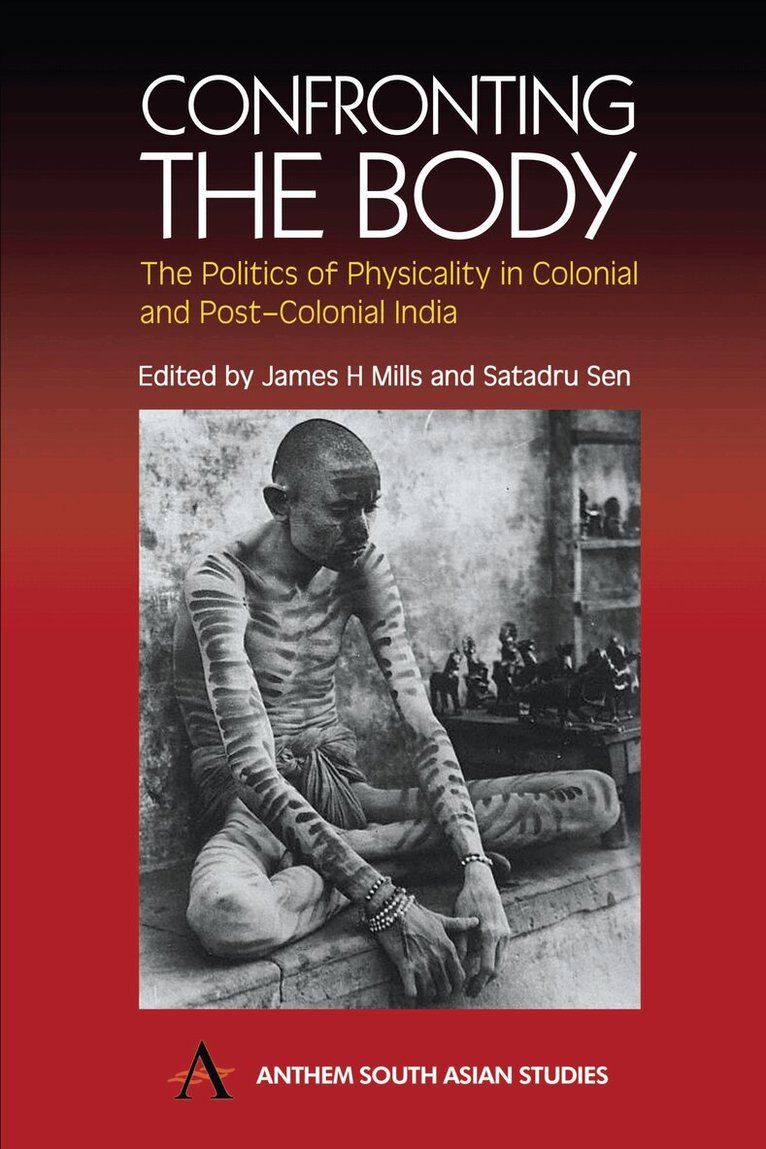
The editors bring together some of the best new scholarship on physicality in modern India in a single volume and provide a balance of materials from colonial and post-colonial India. Included are new writings by established and upcoming writers in the social sciences and humanities, all based on original research.
Häftad, Engelska, 2004
259 kr
Skickas inom 5-8 vardagar
The editors bring together some of the best new scholarship on physicality in modern India in a single volume and provide a balance of materials from colonial and post-colonial India. Included are new writings by established and upcoming writers in the social sciences and humanities, all based on original research.
Inbunden, Engelska, 2005
1 116 kr
Skickas inom 5-8 vardagar
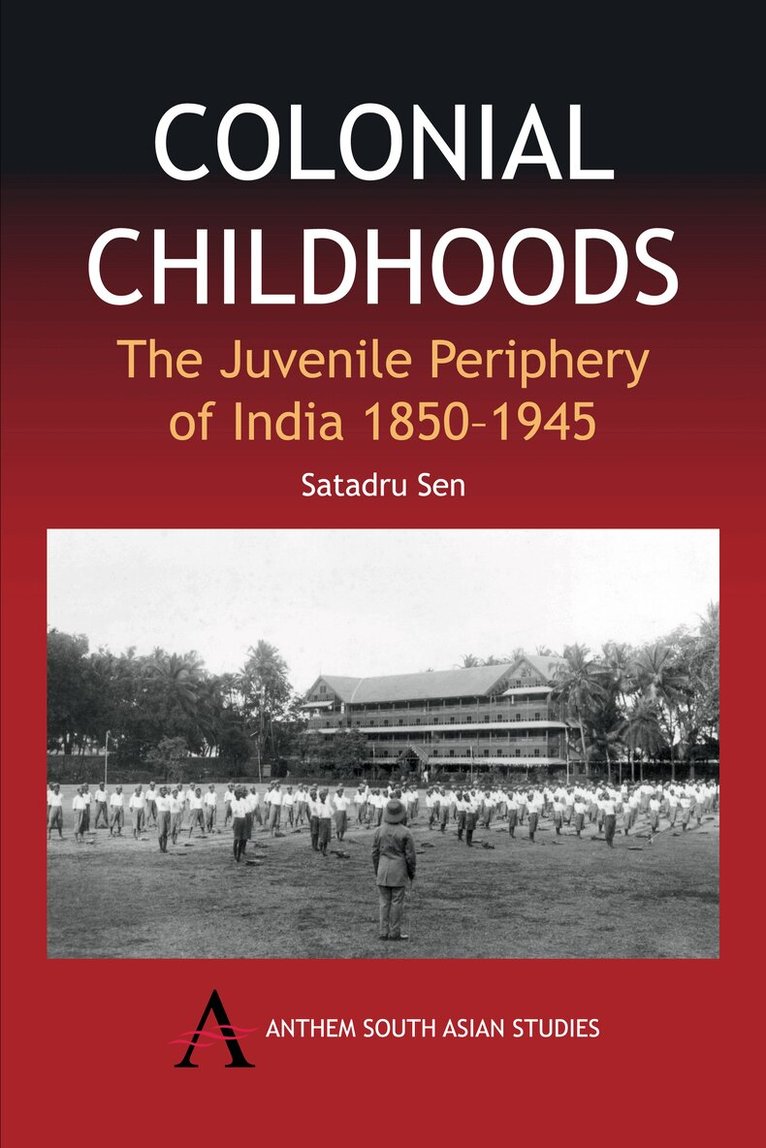
'Colonial Childhoods' is about the politics of childhood in India between the 1860s and the 1930s. It examines not only the redefinition of the 'child' in the cultural and intellectual climate of colonialism, but also the uses of the child, the parent and the family in colonizing and nationalizing projects.
Häftad, Engelska, 2005
330 kr
Skickas inom 5-8 vardagar
'Colonial Childhoods' is about the politics of childhood in India between the 1860s and the 1930s. It examines not only the redefinition of the 'child' in the cultural and intellectual climate of colonialism, but also the uses of the child, the parent and the family in colonizing and nationalizing projects.