James Heinzen - Böcker
Visar alla böcker från författaren James Heinzen. Handla med fri frakt och snabb leverans.
2 produkter
2 produkter
984 kr
Skickas inom 5-8 vardagar
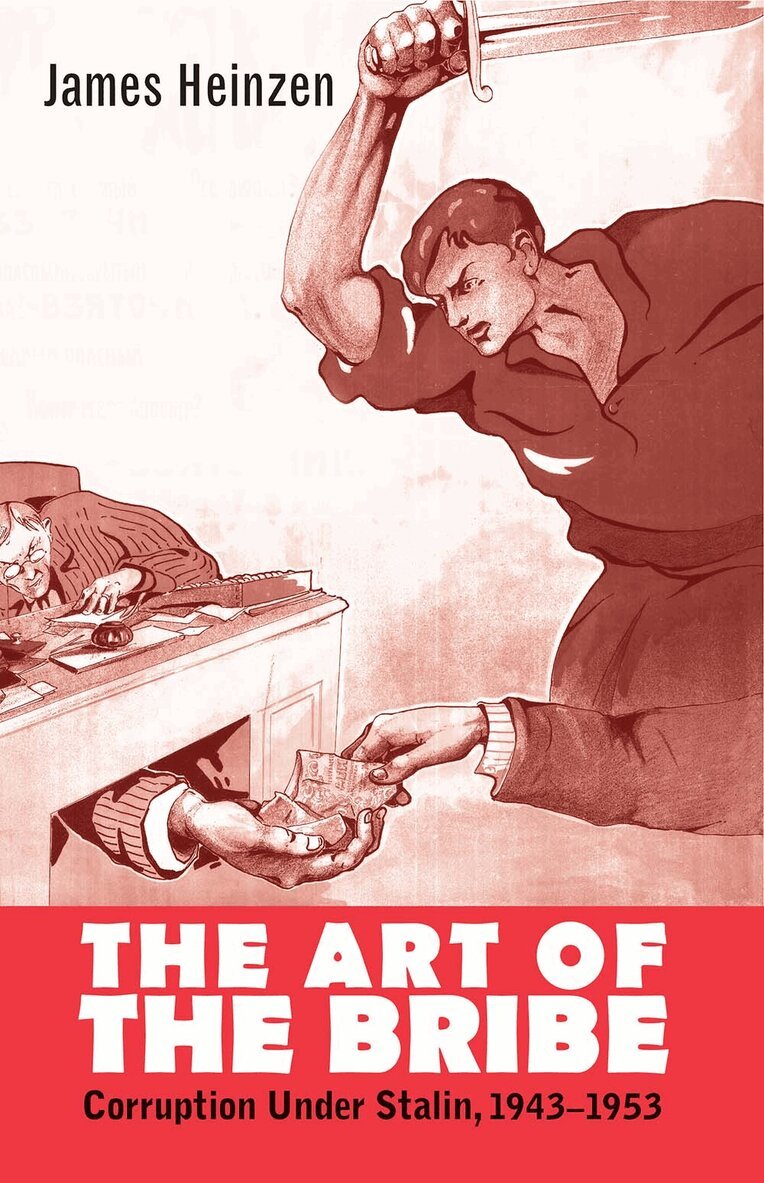
The first archive-based study of official corruption under Stalin and a compelling new look at the textures of everyday Soviet life after World War IIIn the Soviet Union, bribery was a skill with its own practices and culture. James Heinzen’s innovative and compelling study examines corruption under Stalin’s dictatorship in the wake of World War II, focusing on bribery as an enduring and important presence in many areas of Soviet life. Based on extensive research in recently declassified Soviet archives, The Art of the Bribe offers revealing insights into the Soviet state, its system of law and repression, and everyday life during the years of postwar Stalinism.
Inventing a Soviet Countryside
State Power and the Transformation of Rural Russia, 1917–1929
Häftad, Engelska, 2004
723 kr
Skickas inom 7-10 vardagar
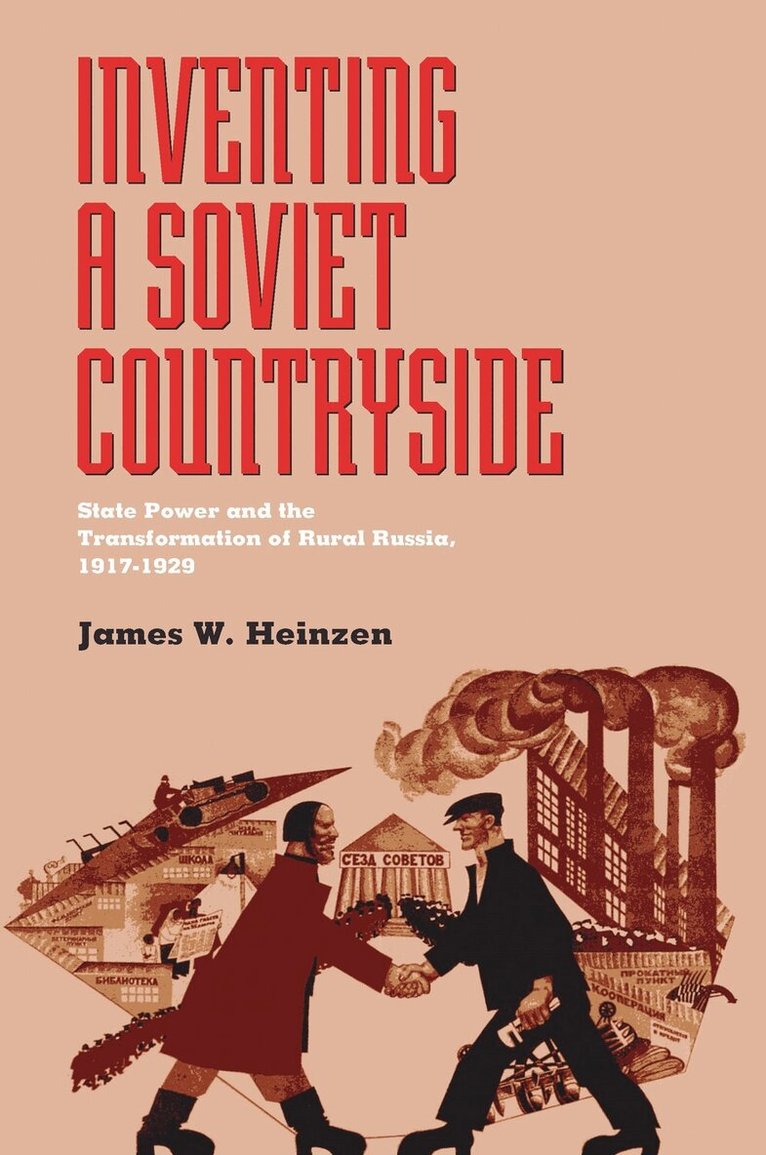
Following the largest peasant revolution in history, Russia's urban-based Bolshevik regime was faced with a monumental task: to peacefully \u201cmodernize\u201d and eventually \u201csocialize\u201d the peasants in the countryside surrounding Russia's cities. To accomplish this, the Bolshevik leadership created the People's Commissariat of Agriculture (Narkomzem), which would eventually employ 70,000 workers. This commissariat was particularly important, both because of massive famine and because peasants composed the majority of Russia's population; it was also regarded as one of the most moderate state agencies because of its nonviolent approach to rural transformation.Working from recently opened historical archives, James Heinzen presents a balanced, thorough examination of the political, social, and cultural dilemmas present in the Bolsheviks' strategy for modernizing of the peasantry. He especially focuses on the state employees charged with no less than a complete transformation of an entire class of people. Heinzen ultimately shows how disputes among those involved in this plan-from the government, to Communist leaders, to the peasants themselves-led to the shuttering of the Commissariat of Agriculture and to Stalin's cataclysmic 1929 collectivization of agriculture.