James K. Wellman - Böcker
Visar alla böcker från författaren James K. Wellman. Handla med fri frakt och snabb leverans.
5 produkter
5 produkter
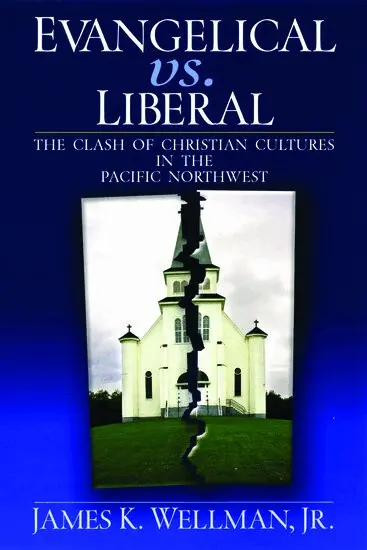
Evangelical vs. Liberal
The Clash of Christian Cultures in the Pacific Northwest
Inbunden, Engelska, 2008
1 635 kr
Skickas inom 5-8 vardagar
The cultural conflict that increasingly divides American society is particularly evident within Protestant Christianity. Liberals and evangelicals clash in bitter competition for the future of their respective subcultures. In this book, James Wellman examines this conflict as it is played out in the American Northwest. Drawing on an in-depth study of twenty-four of the areas fastest growing evangelical churches and ten vital liberal Protestant congregations, Wellman captures the leading trends of each group and their interaction with the wider American culture. He finds a remarkable depth of disagreement between the two groups on almost every front. Where evangelicals are willing to draw sharp lines on gay marriage and abortion, liberals complain about evangelical self-righteousness and disregard for personal freedoms. Liberals prefer the moral power of inclusiveness, while evangelicals frame their moral stances as part of a metaphysical struggle between good and evil. The entrepreneurial nature of evangelicalism translates into support of laissez-faire capitalism and democratic political advocacy. Liberals view both policies with varying degrees of apprehension. Such differences are significant on a national scale, with implications for the future of American Protestantism in particular and American culture in general. Both groups act in good faith and with good intentions, and each maintains a moral core that furthers its own identity, ideology, ritual, mission, and politics. In some situations, they share similar attitudes despite having different beliefs. Attending church services and interviewing senior pastors, lay leaders and new members, Wellman is able to provide new insights into the convenient categories of liberal and evangelical, the nature of the conflict, and the myriad ways both groups affect and are affected by American culture.
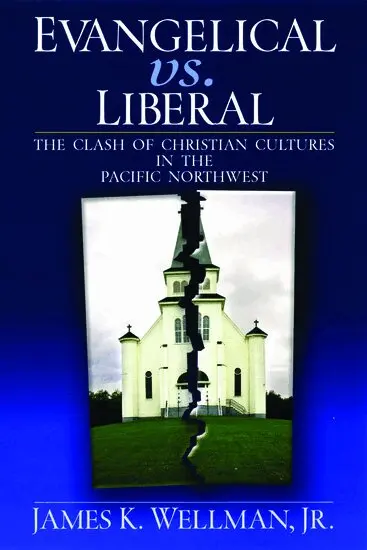
Evangelical vs. Liberal
The Clash of Christian Cultures in the Pacific Northwest
Häftad, Engelska, 2008
386 kr
Skickas inom 5-8 vardagar
The cultural conflict that increasingly divides American society is particularly evident within Protestant Christianity. Liberals and evangelicals clash in bitter competition for the future of their respective subcultures. In this book, James Wellman examines this conflict as it is played out in the American Northwest. Drawing on an in-depth study of twenty-four of the areas fastest growing evangelical churches and ten vital liberal Protestant congregations, Wellman captures the leading trends of each group and their interaction with the wider American culture. He finds a remarkable depth of disagreement between the two groups on almost every front. Where evangelicals are willing to draw sharp lines on gay marriage and abortion, liberals complain about evangelical self-righteousness and disregard for personal freedoms. Liberals prefer the moral power of inclusiveness, while evangelicals frame their moral stances as part of a metaphysical struggle between good and evil. The entrepreneurial nature of evangelicalism translates into support of laissez-faire capitalism and democratic political advocacy. Liberals view both policies with varying degrees of apprehension. Such differences are significant on a national scale, with implications for the future of American Protestantism in particular and American culture in general. Both groups act in good faith and with good intentions, and each maintains a moral core that furthers its own identity, ideology, ritual, mission, and politics. In some situations, they share similar attitudes despite having different beliefs. Attending church services and interviewing senior pastors, lay leaders and new members, Wellman is able to provide new insights into the convenient categories of liberal and evangelical, the nature of the conflict, and the myriad ways both groups affect and are affected by American culture.
877 kr
Skickas inom 5-8 vardagar
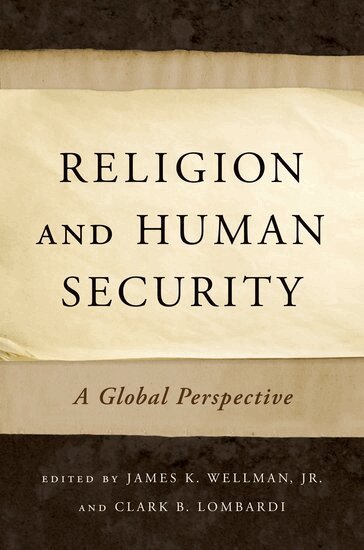
This volume of essays explores the long-unstudied relationship between religion and human security throughout the world. The 1950s marked the beginning of a period of extraordinary religious revival, during which religious political-parties and non-governmental organizations gained power around the globe. Until now, there has been little systematic study of the impact that this phenomenon has had on human welfare, except of a relationship between religious revival to violence. The authors of these essays show that religion can have positive as well as negative effects on human wellbeing. They address a number of crucial questions about the relationship between religion and human security: Under what circumstances do religiously motivated actors tend to advance human welfare, and under what circumstances do they tend to threaten it? Are members of some religious groups more likely to engage in welfare-enhancing behavior than in others? Do certain state policies tend to promote security-enhancing behavior among religious groups while other policies tend to promote security-threatening ones? In cases where religious actors are harming the welfare of a population, what responses could eliminate that threat without replacing it with another?Religion and Human Security shows that many states tend to underestimate the power of religious organizations as purveyors of human security. Governments overlook both the importance of human security to their populations and the religious groups who could act as allies in securing the welfare of their people. This volume offers a rich variety of theoretical perspectives on the nuanced relationship between religion and human security. Through case studies ranging from Turkey, Egypt, and Pakistan, to the United States, Northern Ireland, and Zimbabwe, it provides important suggestions to policy makers of how to begin factoring the influence of religion into their evaluation of a population's human security and into programs designed to improve human security around the globe.
518 kr
Skickas inom 5-8 vardagar
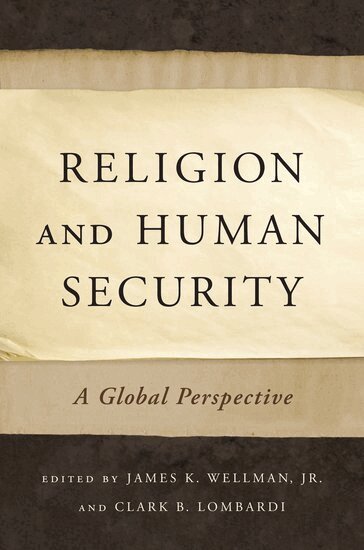
This volume of essays explores the long-unstudied relationship between religion and human security throughout the world. The 1950s marked the beginning of a period of extraordinary religious revival, during which religious political-parties and non-governmental organizations gained power around the globe. Until now, there has been little systematic study of the impact that this phenomenon has had on human welfare, except of a relationship between religious revival to violence. The authors of these essays show that religion can have positive as well as negative effects on human wellbeing. They address a number of crucial questions about the relationship between religion and human security: Under what circumstances do religiously motivated actors tend to advance human welfare, and under what circumstances do they tend to threaten it? Are members of some religious groups more likely to engage in welfare-enhancing behavior than in others? Do certain state policies tend to promote security-enhancing behavior among religious groups while other policies tend to promote security-threatening ones? In cases where religious actors are harming the welfare of a population, what responses could eliminate that threat without replacing it with another?Religion and Human Security shows that many states tend to underestimate the power of religious organizations as purveyors of human security. Governments overlook both the importance of human security to their populations and the religious groups who could act as allies in securing the welfare of their people. This volume offers a rich variety of theoretical perspectives on the nuanced relationship between religion and human security. Through case studies ranging from Turkey, Egypt, and Pakistan, to the United States, Northern Ireland, and Zimbabwe, it provides important suggestions to policy makers of how to begin factoring the influence of religion into their evaluation of a population's human security and into programs designed to improve human security around the globe.
1 009 kr
Skickas inom 10-15 vardagar
Currently, public religion is in a time of flux and the notion of the common good—once associated with the Protestant voice in America—is openly contested by new religious coalitions seeking to communicate their version of the truth and plant their stake in the public domain. This edited volume reflects on the changing tone and form of the public voice of religion, on its function in American society, and on its relationship to the private world of religion. It proposes that public religion, when exercised in a civil and accountable way, can be a responsible and prophetic voice in public life and enrich the American experiment in liberal democracy. The contributors—first-rate scholars including Martin Marty and Robert Belah—focus on public religion's influence on controversial issues such as multiculturalism, economic inequality, abortion, and homosexuality.