James M. Denham – författare
Visar alla böcker från författaren James M. Denham. Handla med fri frakt och snabb leverans.
15 produkter
Fifty Years of Justice
A History of the U.S. District Court for the Middle District of Florida
E-bok, 2015
357 kr
Lägg i varukorg
Representing half of the state’s population, the U.S. Middle District Court is one of the busiest federal courts in Florida. It is recognized most often as the battleground for the Terri Schiavo “right to die” case, but it has been at the center of major decisions for more than fifty years. The …
Letters of George Long Brown
A Yankee Merchant on Florida's Antebellum Frontier
Av James M. Denham, Keith L. Huneycutt
Inbunden, 2019
964 kr
Lägg i varukorg
In 1840, twenty-three-year-old George Long Brown migrated from New Hampshire to north Florida, a region just emerging from the devastating effects of the Second Seminole War. This volume presents over seventy of Brown’s previously unpublished letters to illuminate day-to-day life in pre?Civil War …
Letters of George Long Brown
A Yankee Merchant on Florida''s Antebellum Frontier
Av Keith L. Huneycutt, James M. Denham
E-bok, 2019
2941 kr
Lägg i varukorg
In 1840, twenty-three-year-old George Long Brown migrated from New Hampshire to north Florida, a region just emerging from the devastating effects of the Second Seminole War. This volume presents over seventy of Brown’s previously unpublished letters to illuminate day-to-day life in pre–Civil War …
Fifty Years of Justice
A History of the U.S. District Court for the Middle District of Florida
E-bok, 2015
179 kr
Lägg i varukorg
The verdicts have made headlines, but little is known about the inner workings of the court in which they were delivered. In Fifty Years of Justice, James Denham presents the fascinating history of the U.S. Middle District Court of Florida from its founding in 1962 to the present. Readers will …
Fifty Years of Justice
A History of the U.S. Court for the Middle District of Florida
Häftad, 2015
199 kr
Lägg i varukorg
Representing half of the state’s population, the U.S. Middle District Court is one of the busiest federal courts in Florida. It is recognized most often as the battleground for the Terri Schiavo “right to die” case, but it has been at the center of major decisions for more than fifty years. The …
Letters of George Long Brown
A Yankee Merchant on Florida''s Antebellum Frontier
Av Keith L. Huneycutt, James M. Denham
E-bok, 2024
496 kr
Lägg i varukorg
Previously unpublished letters offering a view of everyday life in north Florida before the Civil War In 1840, twenty-three-year-old George Long Brown migrated from New Hampshire to north Florida, a region just emerging from the devastating effects of the Second Seminole War. This volume presents …
Letters of George Long Brown
A Yankee Merchant on Florida's Antebellum Frontier
Av James M. Denham, Keith L. Huneycutt
Häftad, 2024
321 kr
Lägg i varukorg
Previously unpublished letters offering a view of everyday life in north Florida before the Civil WarIn 1840, twenty-three-year-old George Long Brown migrated from New Hampshire to north Florida, a region just emerging from the devastating effects of the Second Seminole War. This volume presents …
Scourge of the Caribbean
Charles E. Hawkins, Sailor of Three Republics
Inbunden, 2026
1311 kr
Lägg i varukorg
Illuminates the early American period in the upper Caribbean Scourge of the Caribbean explores the mysterious and dramatic life and career of Charles E. Hawkins, a relatively unknown naval figure in early national America. Hawkins's action-packed life at sea in his brief but accomplished career …
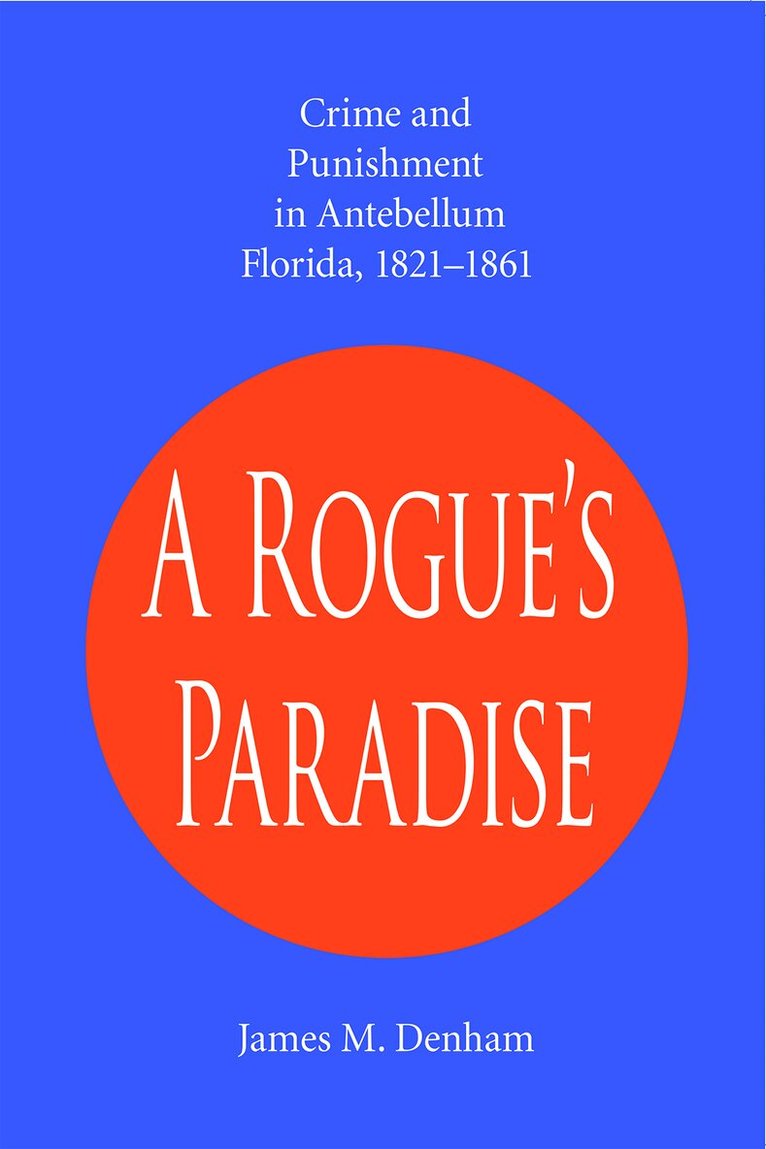
Rogue's Paradise
Crime and Punishment in Antebellum Florida, 1821-1861
Häftad, 2005
453 kr
Lägg i varukorg
Scourge of the Caribbean
Charles E. Hawkins, Sailor of Three Republics
Häftad, 2026
387 kr
Lägg i varukorg
Illuminates the early American period in the upper Caribbean Scourge of the Caribbean explores the mysterious and dramatic life and career of Charles E. Hawkins, a relatively unknown naval figure in early national America. Hawkins's action-packed life at sea in his brief but accomplished career …
Cracker Times and Pioneer Lives
The Florida Reminiscences of George Gillett Keen and Sarah Pamela Williams
Av Canter Brown Jr, James M. Denham m. fl.
Häftad, 2003
291 kr
Lägg i varukorg
Cracker Times and Pioneer Lives brings together the reminiscences of two pioneers who came of age in antebellum Florida's Columbia County and the nearby Suwannee River Valley. Though they held markedly different positions in society, the two shared the adventure, thrill, hardship, and tragedy that …
Cracker Times and Pioneer Lives
The Florida Reminiscences of George Gillett Keen and Sarah Pamela Williams
Av Jr. Edgar Canter Brown, James M. Denham
E-bok, 2023
333 kr
Lägg i varukorg
Wild and wooly recollections from the Florida frontier Cracker Times and Pioneer Lives brings together the reminiscences of two pioneers who came of age in antebellum Florida''s Columbia County and the nearby Suwannee River Valley. Though they held markedly different positions in society, they …
Rogue's Paradise
Crime and Punishment in Antebellum Florida, 1821-61
Inbunden, 1997
524 kr
Tillfälligt slut
This text traces the growth and social development of the Florida frontier through its experience with crime and punishment. Using court records, government documents, newspapers and personal papers, it explores how crime affected ordinary citizens in antebellum Florida.
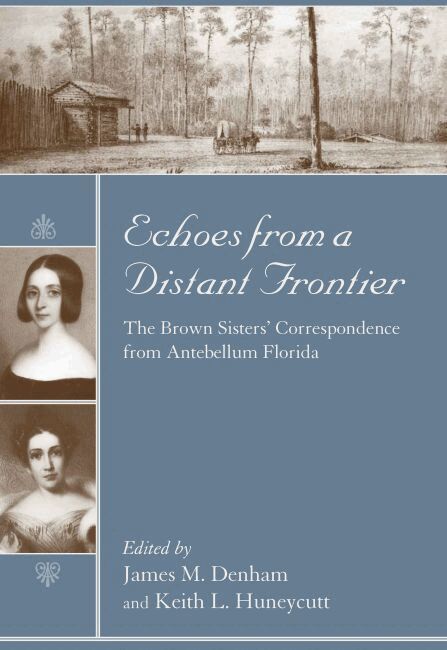
Echoes from a Distant Frontier
The Brown Sisters' Correspondence from Antebellum Florida
Av James M. Denham, Keith L. Huneycutt
Inbunden, 2004
541 kr
Tillfälligt slut
Echoes from a Distant Frontier is an edited, annotated selection of the correspondence of Corinna and Ellen Brown, two single women in their twenties, who left a comfortable New England home in 1835 for the Florida frontier. Moving with two aunts and a brother following the deaths of their parents, …
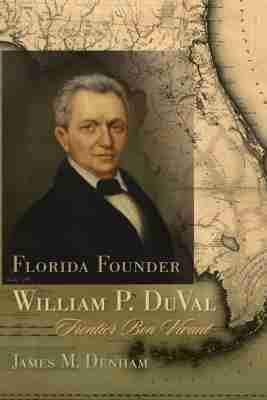
Florida Founder William P. DuVal
Frontier Bon Vivant
Inbunden, 2015
659 kr
Tillfälligt slut
Each day thousands of revelers trudge down DuVal Street in Florida’s Key West, but few know for whom the street is named. In Florida Founder William P. DuVal, James M. Denham provides the first full-length biography of the well-connected, but nearly forgotten frontier politician of antebellum …