Canter Brown Jr. – författare
398 kr
Läs direkt efter köp
The economic, social,political, and racial history of southwest Florida in the nineteenth century
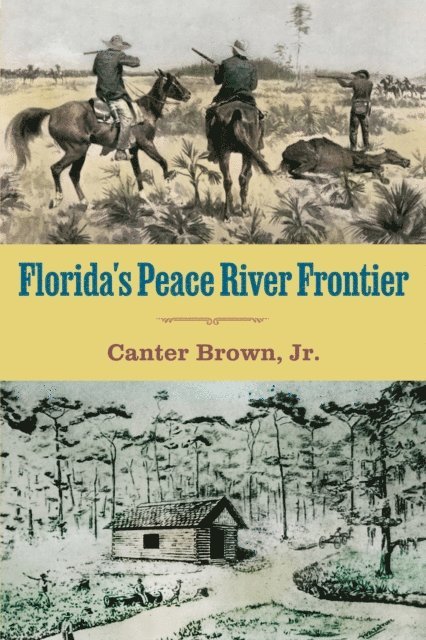
Formost of the nineteenth century, southwest Florida and the Peace River Valleyremained a frontier as unknown to outsiders as the frontiers of the AmericanWest. In this book, Canter Brown, Jr. records the area’s economic, social,political, and racial history in an account of violence, passion, struggle,sacrifice, and determination.
The Peace River originates in Polk County’s LakeHamilton, one of the many lakes that dot the heart of interior Florida. Itflows past the towns of Bartow, Fort Meade, Bowling Green, Arcadia, Fort Ogden,and Punta Gorda, finally meeting the sea at Charlotte Harbor on Florida’ssouthwest Gulf Coast. No great cities line its banks; no commerce passes alongits waters. Still, the river has bent and molded events of lasting significanceto Florida and to the nation.
Using such primary materials as government records,manuscript collections, and newspapers published throughout the country, Browndocuments the presence of Native Americans and African Americans in the area inthe aftermath of the First Seminole War. He examines the Civil War andReconstruction periods, paying particular attention to the Union/Confederate, Republican/Democraticsplit among the area’s residents. In the final sections of the book hedescribes the arrival of the railroad and the growth of towns, the phosphateboom, and consequences of the Great Freeze of 1895.
Throughout this account, the author identifies byname hundreds of persons who participated in these events, believing, he says,that the stories of individuals and families are a vital part of the area’shistory. Florida’s Peace River Frontierwill appeal to readers interested in Florida history, the Civil War andReconstruction eras, African American history, and the history of the American frontier.
1 445 kr
Läs direkt efter köp
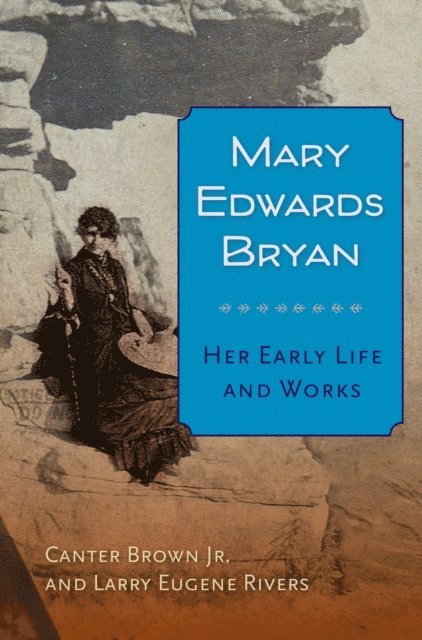
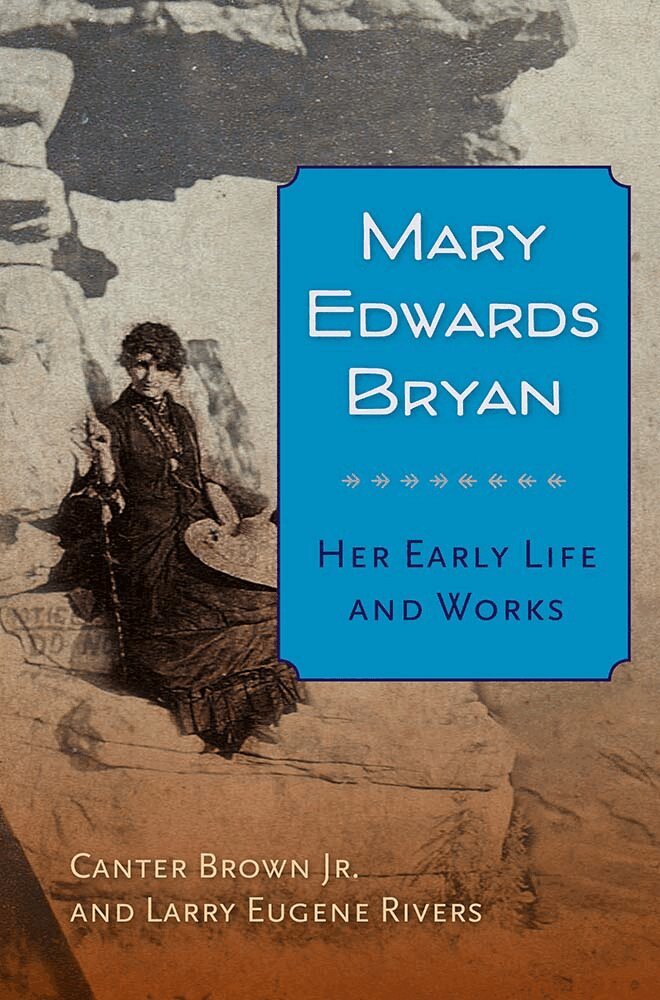
The publication of Manch in 1880 marked the beginning of Mary Edwards Bryan''s rise to prominence as one of nineteenth-century America''s best-known writers of mass-market fiction. At a time when women were discouraged from having jobs of their own, she made a name for herself as a thoughtful--and well-paid--editor. Despite her cultivated image as editor of Fashion Bazar and Sunny South, Bryan''s early life was fraught with obstacles.
In this finely crafted literary biography, Canter Brown Jr. and Larry Eugene Rivers examine Bryan''s formative years in Florida, Georgia, and Louisiana, pairing historical insights with selections of her best writing to illustrate how the obstacles she overcame shaped what she wrote. She grew up on a frontier plantation and later lived through the upheavals of secession and war, disruptive affairs with authors and politicians, the tensions of emancipation, and pervading post-war economic disorder.
Despite the oppressive men in her life--her abusive father and husband--as well as unabashed limitations regarding the role of women, Bryan ultimately achieved extraordinary literary accomplishments in New York and Atlanta. A story of celebrity amid scandal, success amid disaster, ambition amid despair, this book reintroduces to the world a courageous and creative talent who yearned to express herself while navigating the restrictive morals and conventions of Victorian society.
887 kr
Skickas inom 10-15 vardagar
380 kr
Läs direkt efter köp
The economic, social,political, and racial history of southwest Florida in the nineteenth century
Formost of the nineteenth century, southwest Florida and the Peace River Valleyremained a frontier as unknown to outsiders as the frontiers of the AmericanWest. In this book, Canter Brown, Jr. records the area’s economic, social,political, and racial history in an account of violence, passion, struggle,sacrifice, and determination.
The Peace River originates in Polk County’s LakeHamilton, one of the many lakes that dot the heart of interior Florida. Itflows past the towns of Bartow, Fort Meade, Bowling Green, Arcadia, Fort Ogden,and Punta Gorda, finally meeting the sea at Charlotte Harbor on Florida’ssouthwest Gulf Coast. No great cities line its banks; no commerce passes alongits waters. Still, the river has bent and molded events of lasting significanceto Florida and to the nation.
Using such primary materials as government records,manuscript collections, and newspapers published throughout the country, Browndocuments the presence of Native Americans and African Americans in the area inthe aftermath of the First Seminole War. He examines the Civil War andReconstruction periods, paying particular attention to the Union/Confederate, Republican/Democraticsplit among the area’s residents. In the final sections of the book hedescribes the arrival of the railroad and the growth of towns, the phosphateboom, and consequences of the Great Freeze of 1895.
Throughout this account, the author identifies byname hundreds of persons who participated in these events, believing, he says,that the stories of individuals and families are a vital part of the area’shistory. Florida’s Peace River Frontierwill appeal to readers interested in Florida history, the Civil War andReconstruction eras, African American history, and the history of the American frontier.
477 kr
Läs direkt efter köp
286 kr
Skickas inom 10-15 vardagar
320 kr
Skickas inom 10-15 vardagar