James M. Sutton – författare
Visar alla böcker från författaren James M. Sutton. Handla med fri frakt och snabb leverans.
5 produkter
"What Country, Friends, is This?"
Shakespeare and the Staging of Exile
Av Vanessa I. Corredera, Stephanie E. Chamberlain m. fl.
Inbunden, 2026
1273 kr
Lägg i varukorg
An exploration of displacement and exile in Shakespeare’s plays and our world today.This compelling collection of fourteen essays explores the enduring theme of exile in Shakespeare’s works and their global afterlives, offering a timely and thought-provoking response to the modern age of …
"What Country, Friends, is This?"
Shakespeare and the Staging of Exile
Av Vanessa I. Corredera, Stephanie E. Chamberlain m. fl.
Häftad, 2026
304 kr
Lägg i varukorg
An exploration of displacement and exile in Shakespeare’s plays and our world today.This compelling collection of fourteen essays explores the enduring theme of exile in Shakespeare’s works and their global afterlives, offering a timely and thought-provoking response to the modern age of …
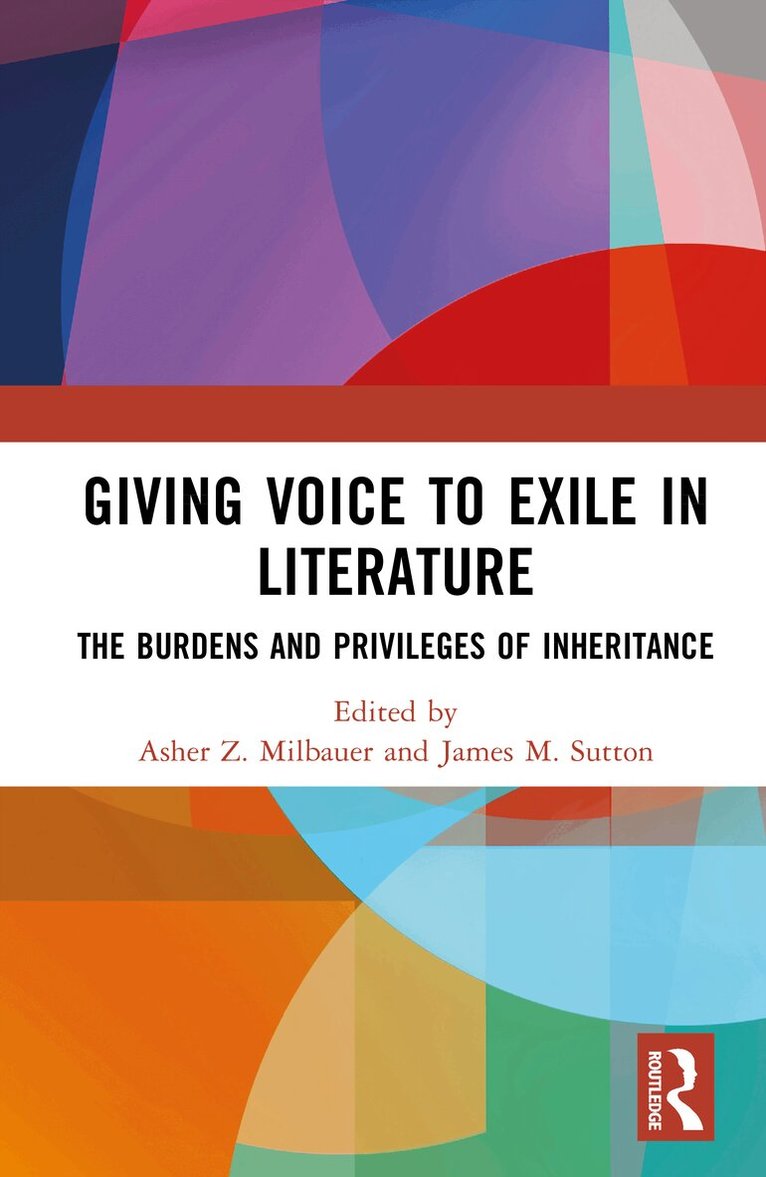
Giving Voice to Exile in Literature
The Burdens and Privileges of Inheritance
Av Asher Z. Milbauer, James M. Sutton
Inbunden, 2025
2896 kr
Lägg i varukorg
Giving Voice to Exile in Literature: The Burdens and Privileges of Inheritance aims to provide undergraduate, graduate and professional readers with a nuanced understanding of how the unique status of exile, issues of displacement, complexities of cultural identity formation, the state of …
Giving Voice to Exile in Literature
The Burdens and Privileges of Inheritance
Av James M. Sutton, Asher Z. Milbauer
E-bok, 2025
935 kr
Lägg i varukorg
Giving Voice to Exile in Literature: The Burdens and Privileges of Inheritance aims to provide undergraduate, graduate and professional readers with a nuanced understanding of how the unique status of exile, issues of displacement, complexities of cultural identity formation, the state of …
Giving Voice to Exile in Literature
The Burdens and Privileges of Inheritance
Av James M. Sutton, Asher Z. Milbauer
E-bok, 2025
935 kr
Lägg i varukorg
Giving Voice to Exile in Literature: The Burdens and Privileges of Inheritance aims to provide undergraduate, graduate and professional readers with a nuanced understanding of how the unique status of exile, issues of displacement, complexities of cultural identity formation, the state of …