James Martel – författare
Visar alla böcker från författaren James Martel. Handla med fri frakt och snabb leverans.
22 produkter
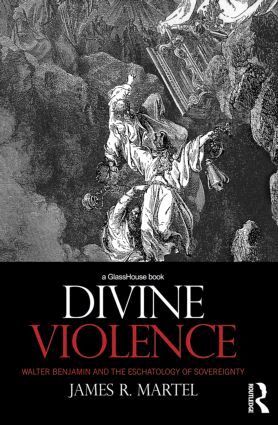
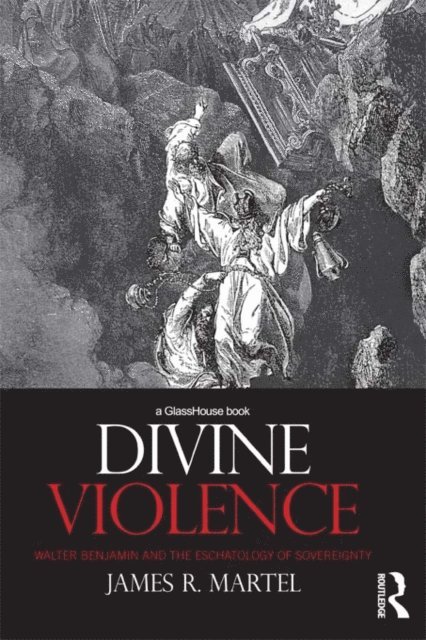
Divine Violence
Walter Benjamin and the Eschatology of Sovereignty
Av James Martel
Häftad, 2012
852 kr
Lägg i varukorg
Divine Violence looks at the question of political theology and its connection to sovereignty. It argues that the practice of sovereignty reflects a Christian eschatology, one that proves very hard to overcome even by left thinkers, such as Arendt and Derrida, who are very critical of it. These …
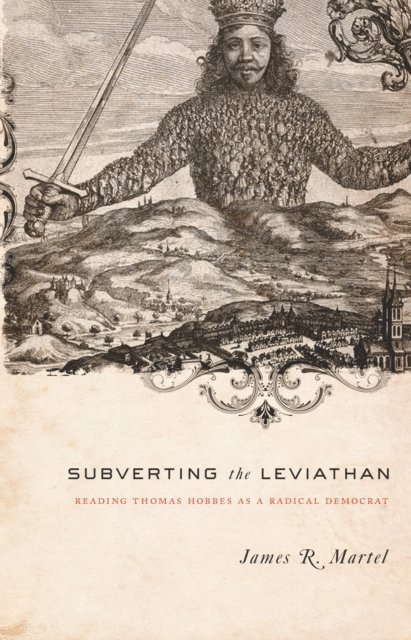
Subverting the Leviathan
Reading Thomas Hobbes as a Radical Democrat
Av James Martel
E-bok, 2007
993 kr
Lägg i varukorg
In Leviathan , Thomas Hobbes''s landmark work on political philosophy, James Martel argues that although Hobbes pays lip service to the superior interpretive authority of the sovereign, he consistently subverts this authority throughout the book by returning it to the reader. Martel demonstrates …
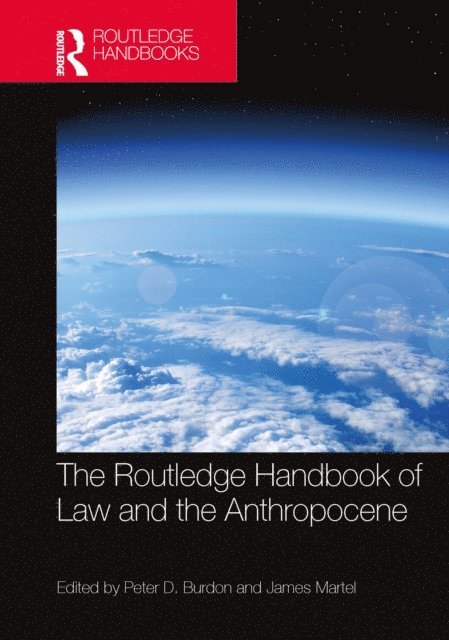
Routledge Handbook of Law and the Anthropocene
Av Peter D. Burdon, James Martel
Inbunden, 2023
3431 kr
Lägg i varukorg
The Routledge Handbook of Law and the Anthropocene provides a critical survey into the function of law and governance during a time when humans have the power to impact the Earth system.The Anthropocene is a “crisis of the earth system.” This book addresses its implications for law and legal …
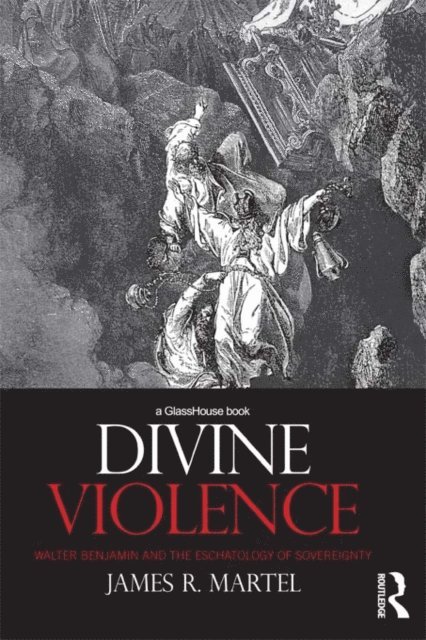
Divine Violence
Walter Benjamin and the Eschatology of Sovereignty
Av James Martel
Inbunden, 2011
2513 kr
Lägg i varukorg
Divine Violence looks at the question of political theology and its connection to sovereignty. It argues that the practice of sovereignty reflects a Christian eschatology, one that proves very hard to overcome even by left thinkers, such as Arendt and Derrida, who are very critical of it. These …
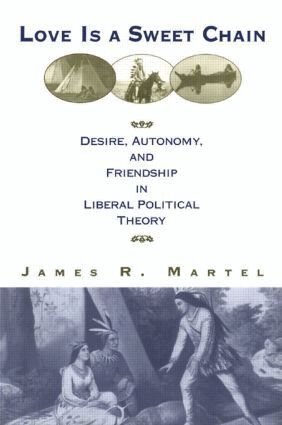
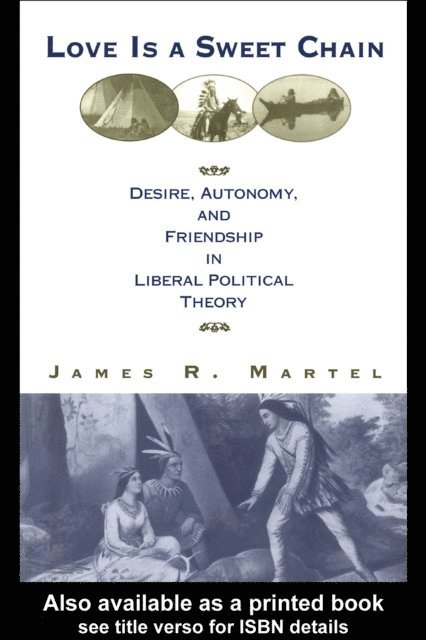
Love is a Sweet Chain
Desire, Autonomy and Friendship in Liberal Political Theory
Av James Martel
Inbunden, 2001
765 kr
Lägg i varukorg
Notions of love intersect with ideas on personal liberty, obligation, individuality, self, and difference in this study. James Martel contends that theorists' inattention to the subject has impoverished our explorations of political discourse.
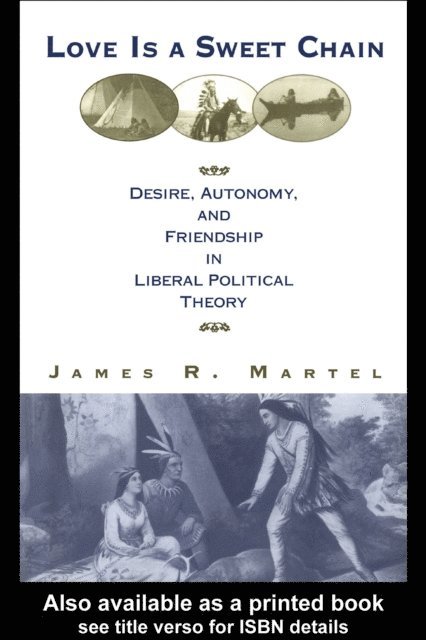
Love is a Sweet Chain
Desire, Autonomy and Friendship in Liberal Political Theory
Av James Martel
Häftad, 2001
473 kr
Lägg i varukorg
Notions of love intersect with ideas on personal liberty, obligation, individuality, self, and difference in this study. James Martel contends that theorists' inattention to the subject has impoverished our explorations of political discourse.
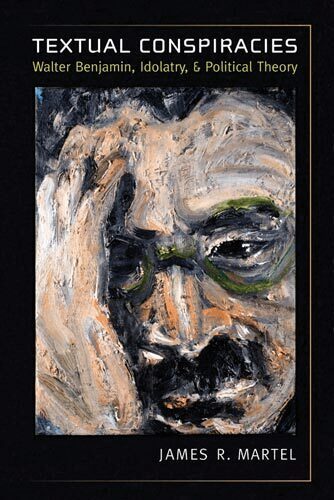
Textual Conspiracies
Walter Benjamin, Idolatry, and Political Theory
Av James Martel
E-bok, 2011
718 kr
Lägg i varukorg
“This is a sophisticated and fascinating argument written in a very enjoyably entertaining style. It is hard for me to see how readers initially interested in these texts will not be ‘swept off their feet’ by the core assertions of this author, and the devastatingly comprehensive way in which he …
Textual Conspiracies
Walter Benjamin, Idolatry, and Political Theory
Av James Martel
Häftad, 2012
475 kr
Lägg i varukorg
“This is a sophisticated and fascinating argument written in a very enjoyably entertaining style. It is hard for me to see how readers initially interested in these texts will not be ‘swept off their feet’ by the core assertions of this author, and the devastatingly comprehensive way in which he …
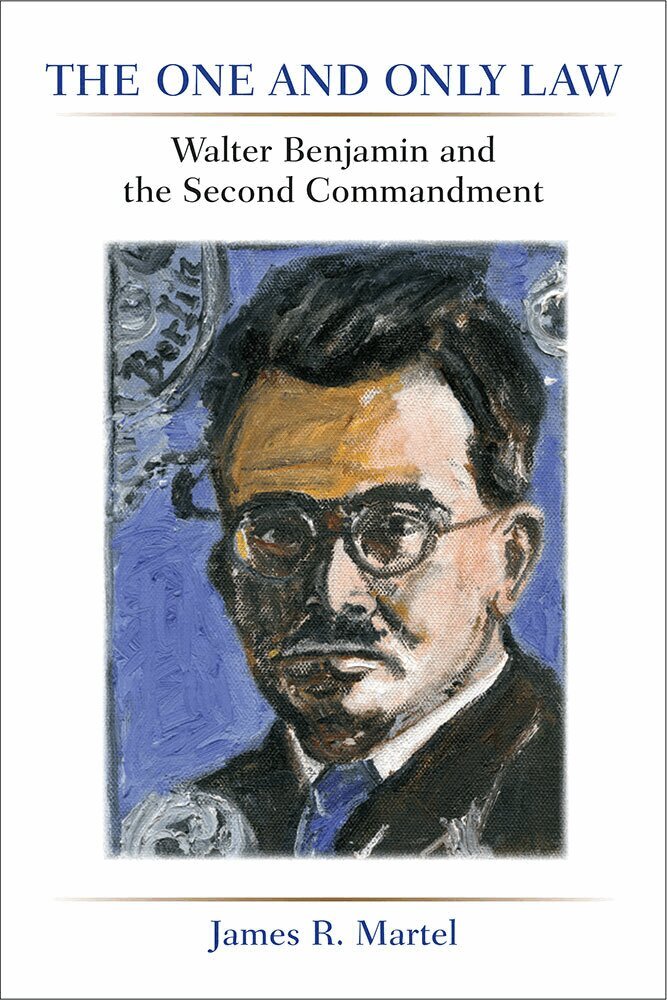
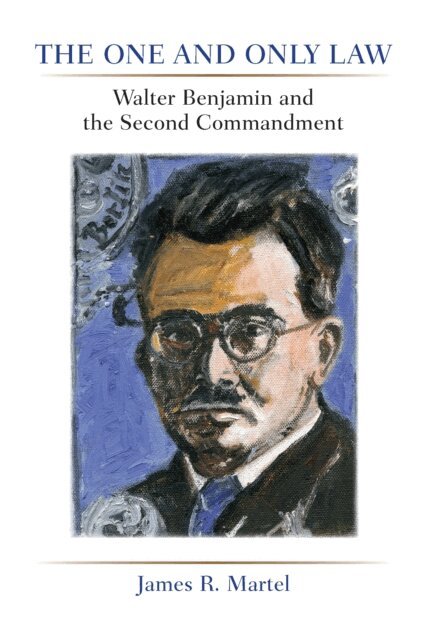
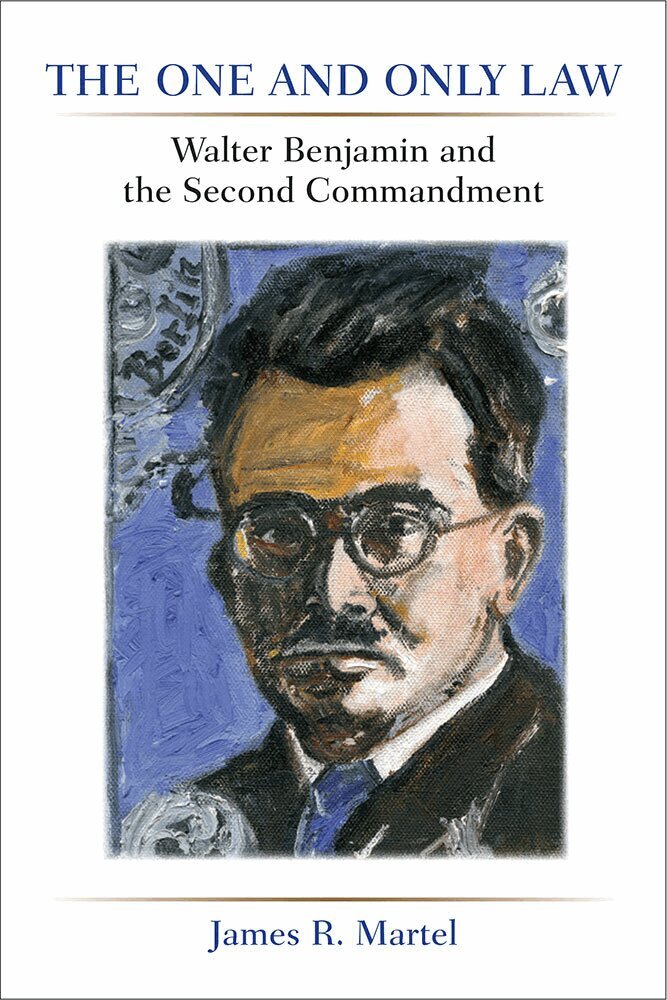
One and Only Law
Walter Benjamin and the Second Commandment
Av James Martel
Häftad, 2014
564 kr
Lägg i varukorg
Walter Benjamin’s “Critique of Violence,” widely considered his final word on law, proposes that all manifestations of law are false stand-ins for divine principles of truth and justice that are no longer available to human beings. However, he also suggests that we must have law—we are held under a …
One and Only Law
Walter Benjamin and the Second Commandment
Av James Martel
E-bok, 2014
871 kr
Lägg i varukorg
Walter Benjamin’s “Critique of Violence,” widely considered his final word on law, proposes that all manifestations of law are false stand-ins for divine principles of truth and justice that are no longer available to human beings. However, he also suggests that we must have law—we are held under a …
How Not to Be Governed
Readings and Interpretations from a Critical Anarchist Left
Av Jimmy Casas Klausen, James Martel
Inbunden, 2011
1421 kr
Lägg i varukorg
How Not to Be Governed explores the contemporary debates and questions concerning anarchism in our own time. The authors address the political failures of earlier practices of anarchism, and the claim that anarchism is impracticable, by examining the anarchisms that have been theorized and …
How Not to Be Governed
Readings and Interpretations from a Critical Anarchist Left
Av Jimmy Casas Klausen, James Martel
Häftad, 2011
615 kr
Lägg i varukorg
How Not to Be Governed explores the contemporary debates and questions concerning anarchism in our own time. The authors address the political failures of earlier practices of anarchism, and the claim that anarchism is impracticable, by examining the anarchisms that have been theorized and …
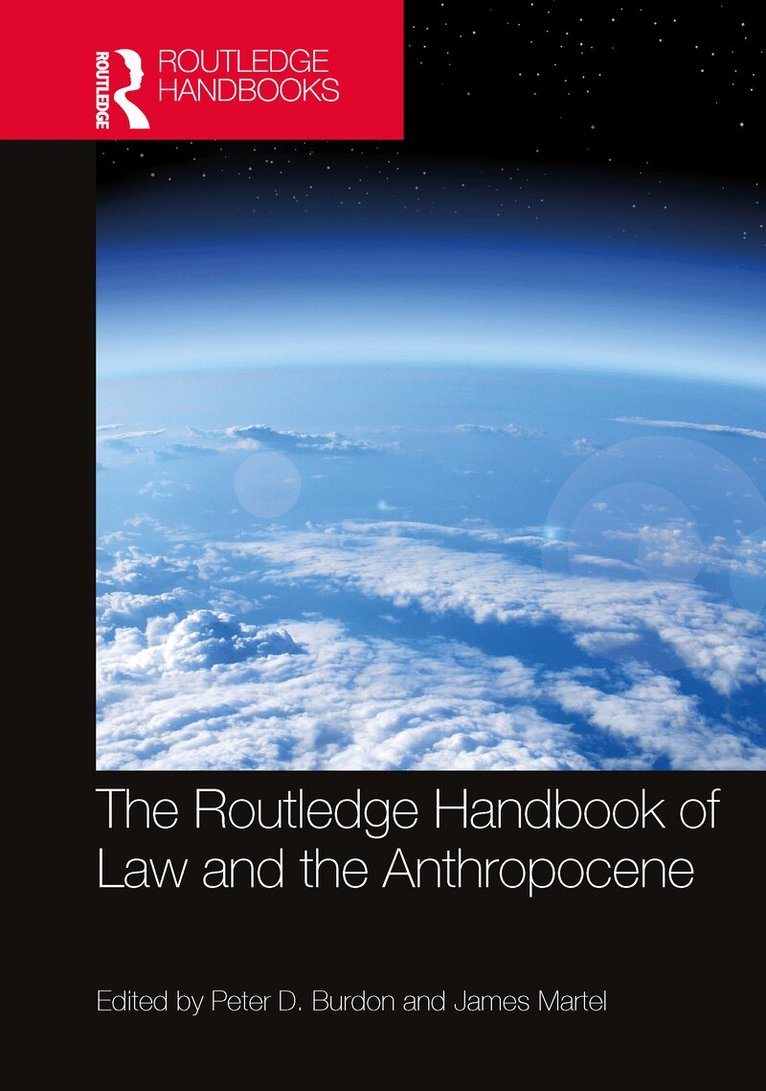
Routledge Handbook of Law and the Anthropocene
Av James Martel, Peter D. Burdon
E-bok, 2023
797 kr
Lägg i varukorg
The Routledge Handbook of Law and the Anthropocene provides a critical survey into the function of law and governance during a time when humans have the power to impact the Earth system. The Anthropocene is a “crisis of the earth system.” This book addresses its implications for law and legal …
Routledge Handbook of Law and the Anthropocene
Av James Martel, Peter D. Burdon
E-bok, 2023
797 kr
Lägg i varukorg
The Routledge Handbook of Law and the Anthropocene provides a critical survey into the function of law and governance during a time when humans have the power to impact the Earth system. The Anthropocene is a “crisis of the earth system.” This book addresses its implications for law and legal …
Routledge Handbook of Law and the Anthropocene
Av Peter D. Burdon, James Martel
Häftad, 2025
677 kr
Lägg i varukorg
The Routledge Handbook of Law and the Anthropocene provides a critical survey into the function of law and governance during a time when humans have the power to impact the Earth system.The Anthropocene is a “crisis of the earth system.” This book addresses its implications for law and legal …
Love is a Sweet Chain
Desire, Autonomy and Friendship in Liberal Political Theory
Av James Martel
E-bok, 2012
419 kr
Lägg i varukorg
Notions of love intersect with ideas on personal liberty, obligation, individuality, self, and difference in this study. James Martel contends that theorists'' inattention to the subject has impoverished our explorations of political discourse.
Love is a Sweet Chain
Desire, Autonomy and Friendship in Liberal Political Theory
Av James Martel
E-bok, 2012
433 kr
Lägg i varukorg
Notions of love intersect with ideas on personal liberty, obligation, individuality, self, and difference in this study. James Martel contends that theorists'' inattention to the subject has impoverished our explorations of political discourse.
Divine Violence
Walter Benjamin and the Eschatology of Sovereignty
Av James Martel
E-bok, 2013
975 kr
Lägg i varukorg
Divine Violence looks at the question of political theology and its connection to sovereignty. It argues that the practice of sovereignty reflects a Christian eschatology, one that proves very hard to overcome even by left thinkers, such as Arendt and Derrida, who are very critical of it. These …
Divine Violence
Walter Benjamin and the Eschatology of Sovereignty
Av James Martel
E-bok, 2013
1004 kr
Lägg i varukorg
Divine Violence looks at the question of political theology and its connection to sovereignty. It argues that the practice of sovereignty reflects a Christian eschatology, one that proves very hard to overcome even by left thinkers, such as Arendt and Derrida, who are very critical of it. These …
Subverting the Leviathan
Reading Thomas Hobbes as a Radical Democrat
Av James Martel
Inbunden, 2007
608 kr
Tillfälligt slut
In Leviathan, Thomas Hobbes's landmark work on political philosophy, James Martel argues that although Hobbes pays lip service to the superior interpretive authority of the sovereign, he consistently subverts this authority throughout the book by returning it to the reader. Martel demonstrates that …
Divine Violence
Walter Benjamin and the Eschatology of Sovereignty
Av James Martel
Inbunden, 2011
997 kr
Tillfälligt slut
One and Only Law
Walter Benjamin and the Second Commandment
Av James Martel
Inbunden, 2014
1195 kr
Tillfälligt slut
Walter Benjamin’s “Critique of Violence,” widely considered his final word on law, proposes that all manifestations of law are false stand-ins for divine principles of truth and justice that are no longer available to human beings. However, he also suggests that we must have law—we are held under a …