James O. Pawelski – författare
Visar alla böcker från författaren James O. Pawelski. Handla med fri frakt och snabb leverans.
12 produkter
Happy Together
Using the Science of Positive Psychology to Build Love That Lasts
Av Suzann Pileggi Pawelski, James O. Pawelski
Häftad, 2018
246 kr
Lägg i varukorg
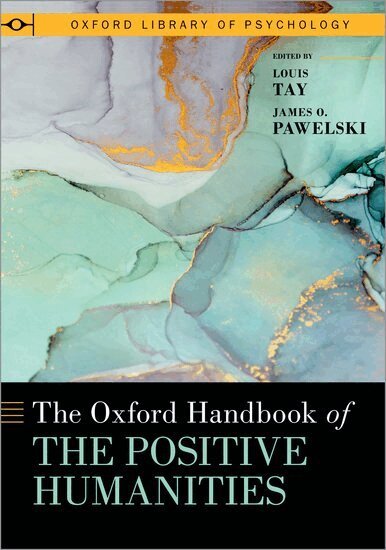
The Oxford Handbook of the Positive Humanities
Av Louis Tay, James O. Pawelski
Inbunden, 2022
2102 kr
Lägg i varukorg
This handbook examines the new and rapidly growing field of the positive humanities--an area of academic research at the intersection of positive psychology and the arts and humanities. Written by leading experts across a wide range of academic disciplines, the volume begins with an overview of the …
Oxford Handbook of the Positive Humanities
Av James O. Pawelski, Louis Tay
E-bok, 2021
1675 kr
Lägg i varukorg
This handbook examines the new and rapidly growing field of the positive humanities--an area of academic research at the intersection of positive psychology and the arts and humanities. Written by leading experts across a wide range of academic disciplines, the volume begins with an overview of the …
Oxford Handbook of the Positive Humanities
Av James O. Pawelski, Louis Tay
E-bok, 2021
1675 kr
Lägg i varukorg
This handbook examines the new and rapidly growing field of the positive humanities--an area of academic research at the intersection of positive psychology and the arts and humanities. Written by leading experts across a wide range of academic disciplines, the volume begins with an overview of the …
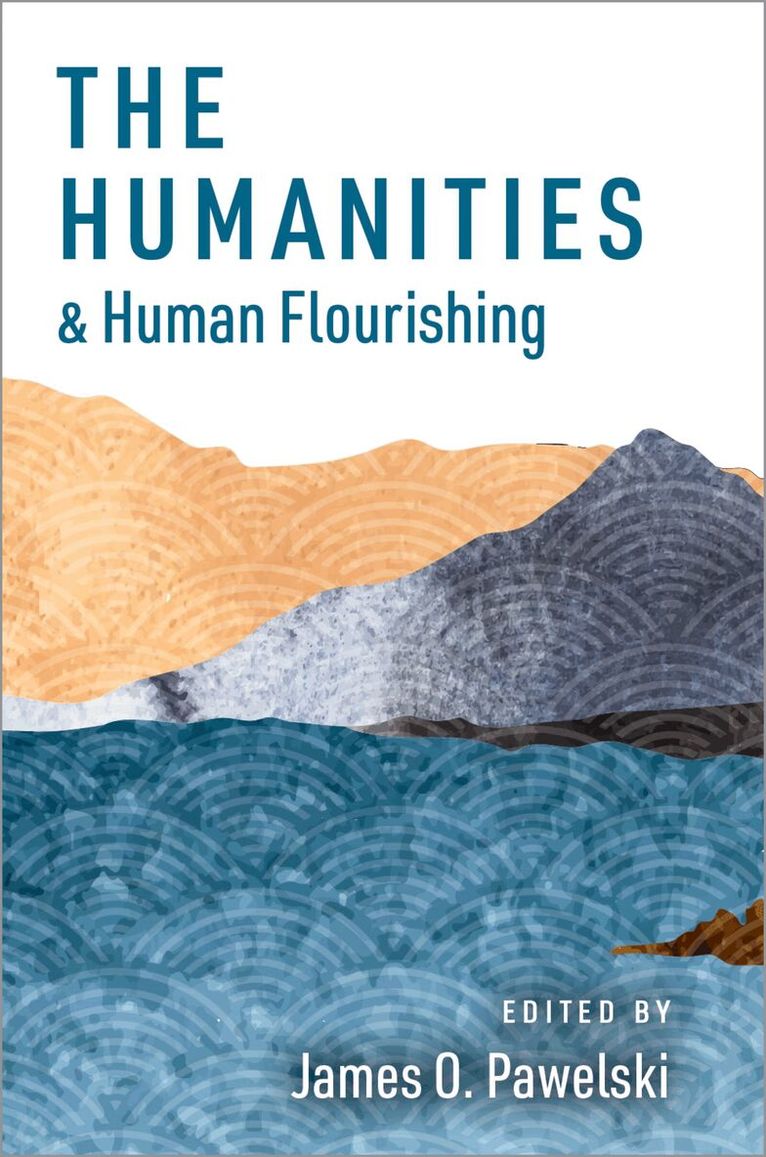
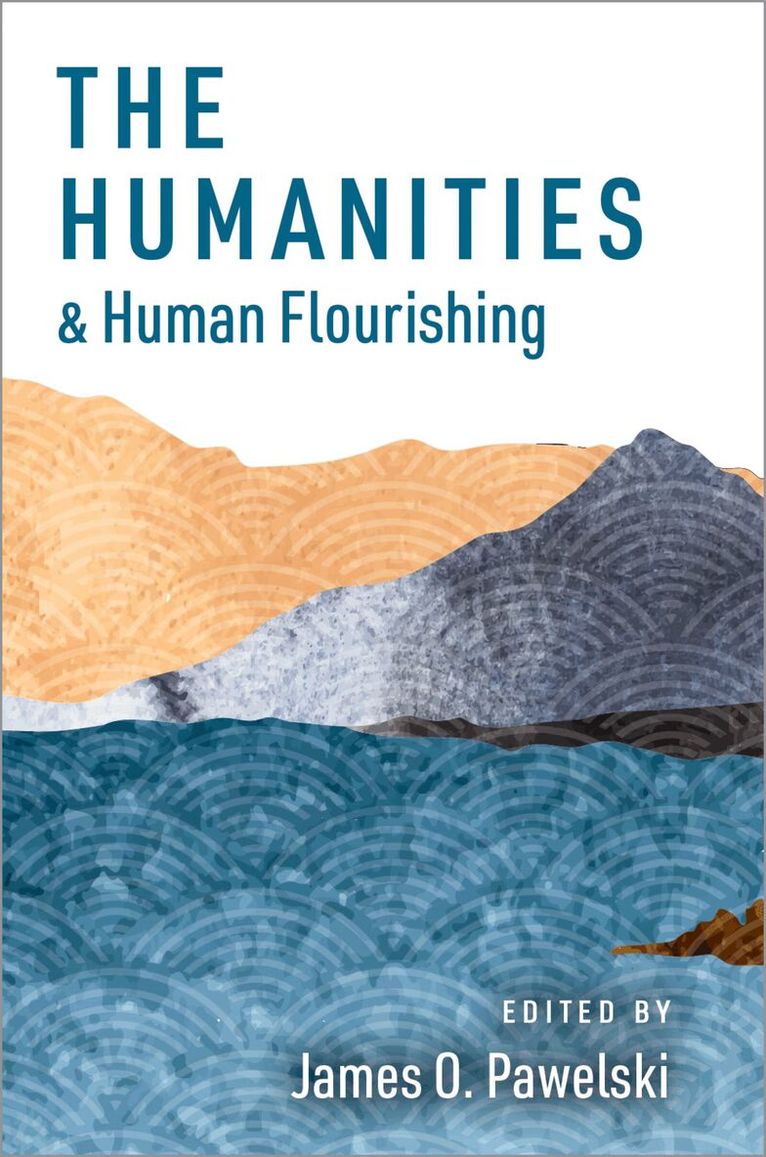
The Humanities and Human Flourishing
Inbunden, 2026
1610 kr
Lägg i varukorg
This book offers a landmark exploration of what the arts and humanities can contribute to the conceptualization and cultivation of human flourishing. Edited by James O. Pawelski--founding director of the Humanities and Human Flourishing Project at the University of Pennsylvania--this book serves as …
The Humanities and Human Flourishing
Häftad, 2026
335 kr
Kommande
This book offers a landmark exploration of what the arts and humanities can contribute to the conceptualization and cultivation of human flourishing. Edited by James O. Pawelski--founding director of the Humanities and Human Flourishing Project at the University of Pennsylvania--this book serves as …
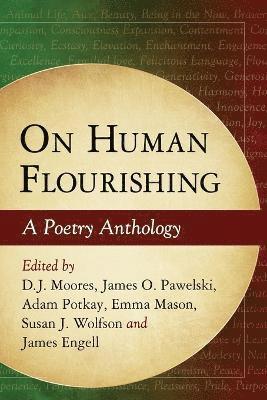
On Human Flourishing
A Poetry Anthology
Av D.J. Moores, James O. Pawelski m. fl.
Häftad, 2015
429 kr
Lägg i varukorg
Great literature is more often praised for compelling depictions of conflict and tragedy than for moving portrayals of happiness and well-being. This collection of verse brings together poems of felicity, capturing what it means to be well in the fullest sense. Presented in 14 thematic sections, …
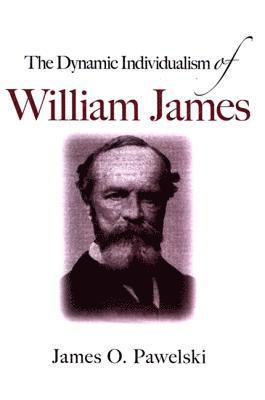
Dynamic Individualism of William James
Inbunden, 2007
1286 kr
Lägg i varukorg
Explores James's concept of the individual in terms of physiology, psychology, philosophy, and religion.The Dynamic Individualism of William James analyzes James's rich and complex thought through an examination of his individualism. A central theme of James's writings, individualism underlies his …
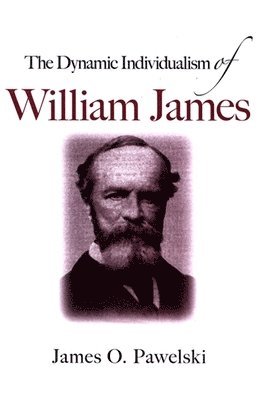
Dynamic Individualism of William James
Häftad, 2008
463 kr
Lägg i varukorg
Explores James's concept of the individual in terms of physiology, psychology, philosophy, and religion.The Dynamic Individualism of William James analyzes James's rich and complex thought through an examination of his individualism. A central theme of James's writings, individualism underlies his …
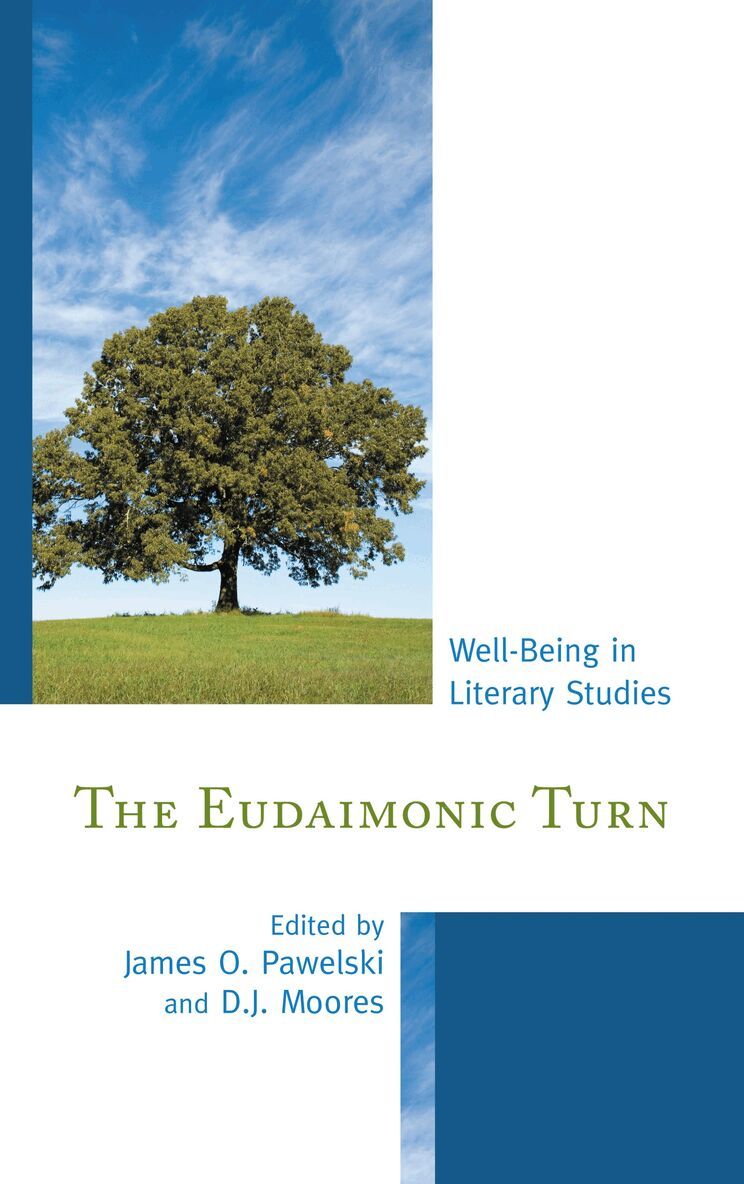
Eudaimonic Turn
Well-Being in Literary Studies
Av James O. Pawelski, D. J. Moores
Inbunden, 2012
1628 kr
Lägg i varukorg
In much of the critical discourse of the seventies, eighties, and nineties, scholars employed suspicion in order to reveal a given text’s complicity with various undesirable ideologies and/or psychopathologies. Construed as such, interpretive practice was often intended to demystify texts and …
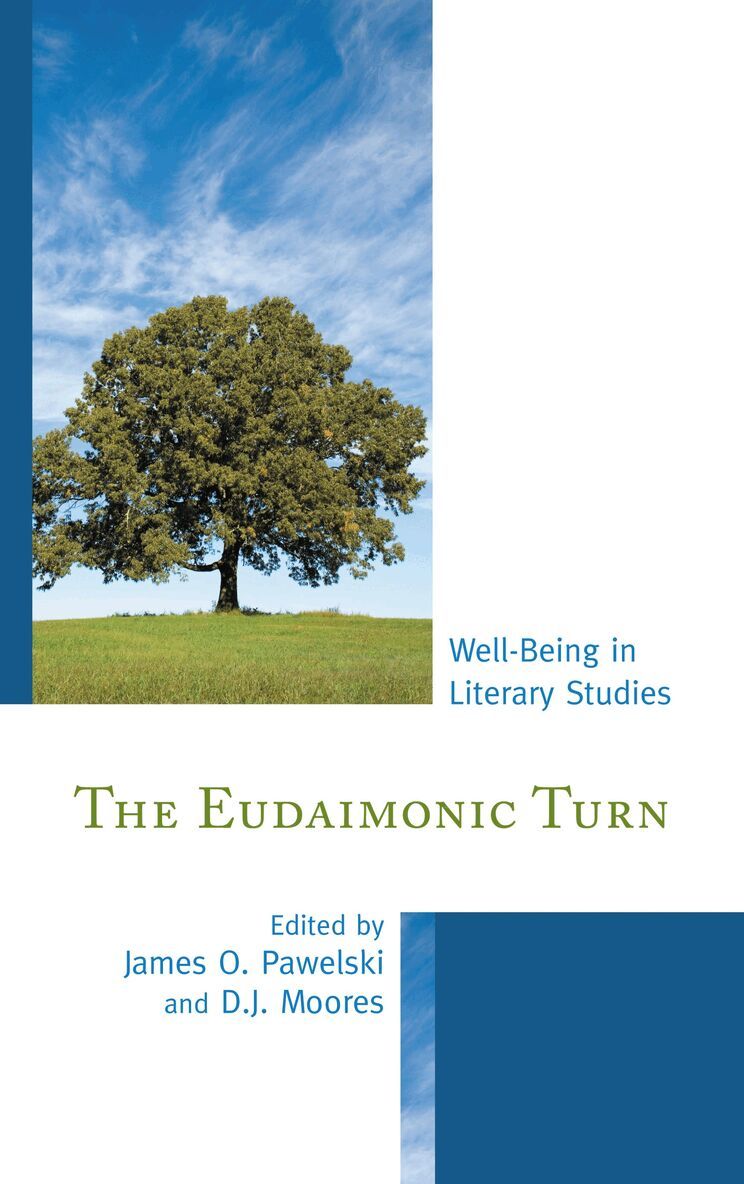
Eudaimonic Turn
Well-Being in Literary Studies
Av James O. Pawelski, D. J. Moores
E-bok, 2012
965 kr
Lägg i varukorg
In much of the critical discourse of the seventies, eighties, and nineties, scholars employed suspicion in order to reveal a given text’s complicity with various undesirable ideologies and/or psychopathologies. Construed as such, interpretive practice was often intended to demystify texts and …
Eudaimonic Turn
Well-Being in Literary Studies
Av James O. Pawelski, D. J. Moores
Häftad, 2014
899 kr
Lägg i varukorg
In much of the critical discourse of the seventies, eighties, and nineties, scholars employed suspicion in order to reveal a given text’s complicity with various undesirable ideologies and/or psychopathologies. Construed as such, interpretive practice was often intended to demystify texts and …