James W. Mayer - Böcker
Visar alla böcker från författaren James W. Mayer. Handla med fri frakt och snabb leverans.
12 produkter
12 produkter
928 kr
Skickas inom 10-15 vardagar
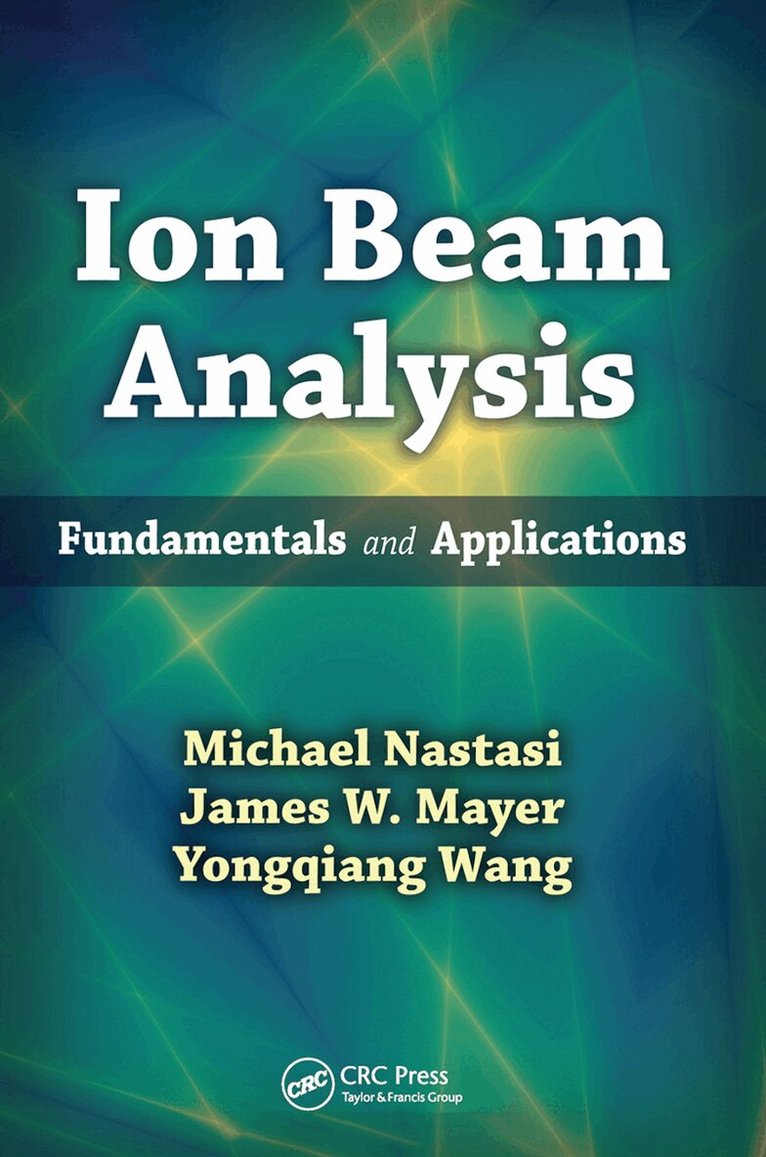
Ion Beam Analysis: Fundamentals and Applications explains the basic characteristics of ion beams as applied to the analysis of materials, as well as ion beam analysis (IBA) of art/archaeological objects. It focuses on the fundamentals and applications of ion beam methods of materials characterization.The book explains how ions interact with solids and describes what information can be gained. It starts by covering the fundamentals of ion beam analysis, including kinematics, ion stopping, Rutherford backscattering, channeling, elastic recoil detection, particle induced x-ray emission, and nuclear reaction analysis. The second part turns to applications, looking at the broad range of potential uses in thin film reactions, ion implantation, nuclear energy, biology, and art/archaeology. Examines classical collision theoryDetails the fundamentals of five specific ion beam analysis techniquesIllustrates specific applications, including biomedicine and thin film analysisProvides examples of ion beam analysis in traditional and emerging research fields Supplying readers with the means to understand the benefits and limitations of IBA, the book offers practical information that users can immediately apply to their own work. It covers the broad range of current and emerging applications in materials science, physics, art, archaeology, and biology. It also includes a chapter on computer applications of IBA.
1 064 kr
Skickas inom 10-15 vardagar
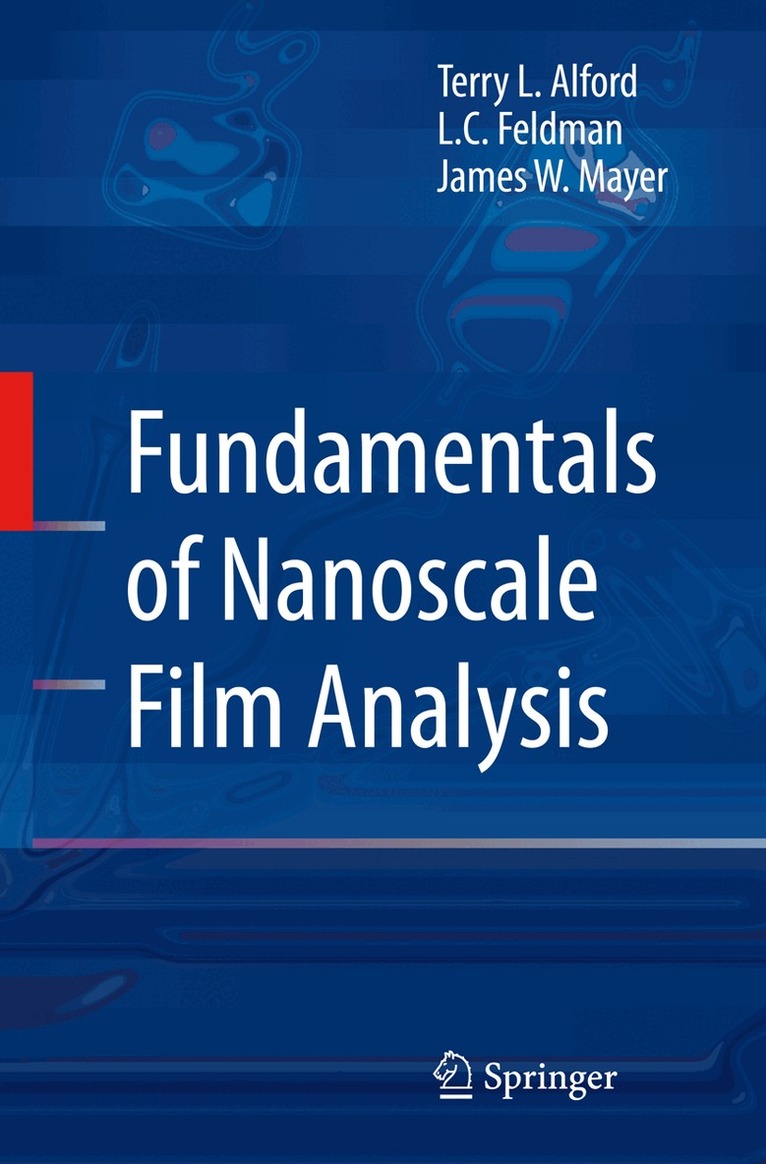
Modern science and technology, from materials science to integrated circuit development, is directed toward the nanoscale. From thin films to field effect transistors, the emphasis is on reducing dimensions from the micro to the nanoscale. Fundamentals of Nanoscale Film Analysis concentrates on analysis of the structure and composition of the surface and the outer few tens to hundred nanometers in depth. It describes characterization techniques to quantify the structure, composition and depth distribution of materials with the use of energetic particles and photons.The book describes the fundamentals of materials characterization from the standpoint of the incident photons or particles which interrogate nanoscale structures. These induced reactions lead to the emission of a variety of detected of particles and photons. It is the energy and intensity of the detected beams that is the basis of the characterization of the materials. The array of experimental techniques used in nanoscale materials analysis covers a wide range of incident particle and detected beam interactions.Included are such important interactions as atomic collisions, Rutherford backscattering, ion channeling, diffraction, photon absorption, radiative and nonradiative transitions, and nuclear reactions. A variety of analytical and scanning probe microscopy techniques are presented in detail.
1 892 kr
Skickas inom 10-15 vardagar
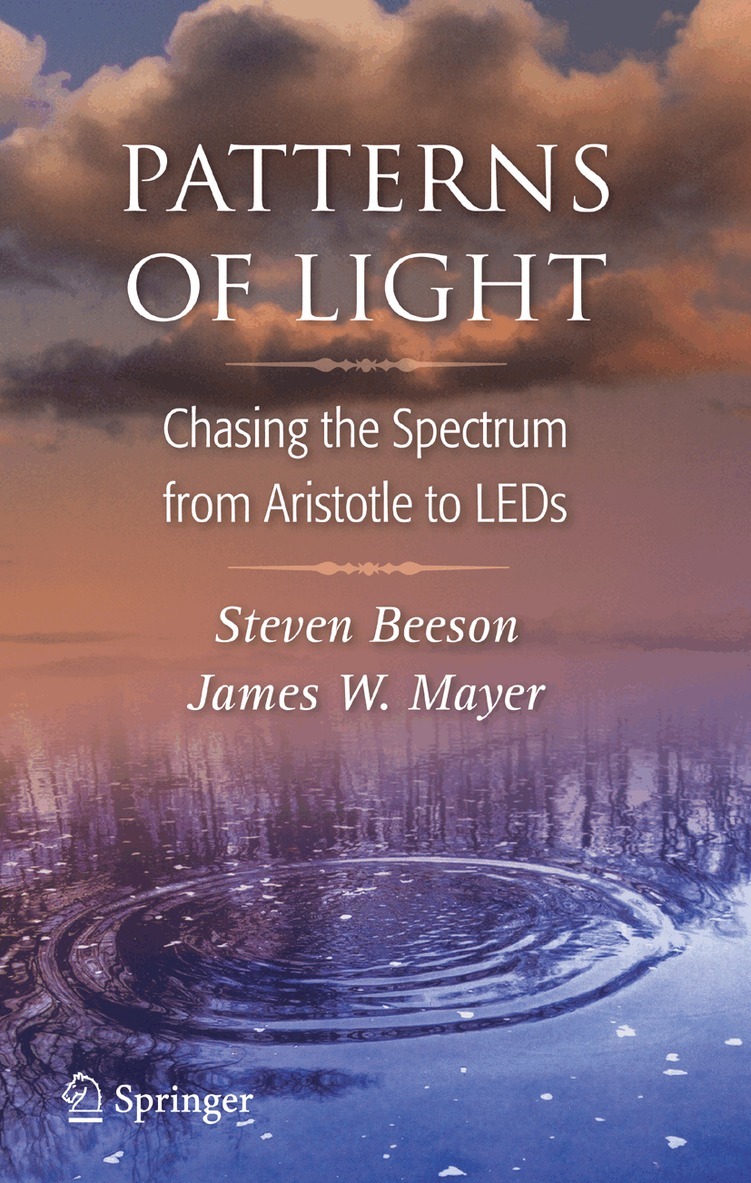
These waves and rays belong to the same family of light, often called photons (from the Greek photos, light), that describes the spectra of electromagnetic radiation over 10 orders of magnitude from very low-energy - dio waves to very high-energy x-rays and gamma rays.
824 kr
Skickas inom 10-15 vardagar
The beauty, mystery, joy, and inspired observation of the human spirit that paintings evoke result from a complex of intuitive and cognitive choices made by the artist. It is directed toward students, teachers, and scientists in engineering, physics, and chemistry as well as those in art, art history, and art conservation.
2 557 kr
Skickas inom 10-15 vardagar
Ion Beam Analysis: Fundamentals and Applications explains the basic characteristics of ion beams as applied to the analysis of materials, as well as ion beam analysis (IBA) of art/archaeological objects. It focuses on the fundamentals and applications of ion beam methods of materials characterization.The book explains how ions interact with solids and describes what information can be gained. It starts by covering the fundamentals of ion beam analysis, including kinematics, ion stopping, Rutherford backscattering, channeling, elastic recoil detection, particle induced x-ray emission, and nuclear reaction analysis. The second part turns to applications, looking at the broad range of potential uses in thin film reactions, ion implantation, nuclear energy, biology, and art/archaeology. Examines classical collision theoryDetails the fundamentals of five specific ion beam analysis techniquesIllustrates specific applications, including biomedicine and thin film analysisProvides examples of ion beam analysis in traditional and emerging research fields Supplying readers with the means to understand the benefits and limitations of IBA, the book offers practical information that users can immediately apply to their own work. It covers the broad range of current and emerging applications in materials science, physics, art, archaeology, and biology. It also includes a chapter on computer applications of IBA.
1 892 kr
Skickas inom 10-15 vardagar
Light is all around us. Vision is our dominant sense, and we are richly rewarded with a palette of colors from red to violet. Our eyes do not detect the l- energy, long-wavelength infrared (IR) radiation, but we know it exists from d- cussions of war applications and televised images of guided weapons targets. Our eyes do not detect the higher-energy (above visible light energies) and shorter-than-visible-wavelength ultraviolet radiation, and yet we know it is there from the sunburn we receive in Arizona. We also know that window glass can block ultraviolet rays so we don’t get a burn while driving with the windows rolled up. We know about radio waves from the little boxes that talk to us and x-rays from the dentist office. These waves and rays belong to the same family of light, often called photons (from the Greek photos, light), that describes the spectra of electromagnetic radiation over 10 orders of magnitude from very low-energy - dio waves to very high-energy x-rays and gamma rays.
847 kr
Skickas inom 10-15 vardagar
Modern science and technology, from materials science to integrated circuit development, is directed toward the nanoscale. From thin films to field effect transistors, the emphasis is on reducing dimensions from the micro to the nanoscale. Fundamentals of Nanoscale Film Analysis concentrates on analysis of the structure and composition of the surface and the outer few tens to hundred nanometers in depth. It describes characterization techniques to quantify the structure, composition and depth distribution of materials with the use of energetic particles and photons.The book describes the fundamentals of materials characterization from the standpoint of the incident photons or particles which interrogate nanoscale structures. These induced reactions lead to the emission of a variety of detected of particles and photons. It is the energy and intensity of the detected beams that is the basis of the characterization of the materials. The array of experimental techniques used in nanoscale materials analysis covers a wide range of incident particle and detected beam interactions.Included are such important interactions as atomic collisions, Rutherford backscattering, ion channeling, diffraction, photon absorption, radiative and nonradiative transitions, and nuclear reactions. A variety of analytical and scanning probe microscopy techniques are presented in detail.
715 kr
Skickas inom 10-15 vardagar
The beauty, mystery, joy, and inspired observation of the human spirit that paintings evoke result from a complex of intuitive and cognitive choices made by the artist. It is directed toward students, teachers, and scientists in engineering, physics, and chemistry as well as those in art, art history, and art conservation.
1 064 kr
Skickas inom 10-15 vardagar
Silver has the lowest resistivity of all metals, which makes it an attractive interconnect material for higher current densities and faster switching speeds in integrated circuits. Over the past ten years, extensive research has been conducted to address the thermal and electrical stability, as well as processing issues which, to date, have prevented the implementation of silver as an interconnect metal. Silver Metallization: Stability and Reliability is the first book to discuss current knowledge of silver metallization and its potential as a favorable candidate for implementation as a future interconnect material for integrated circuit technology.Silver Metallization: Stability and Reliability provides detailed information on a wide range of experimental, characterization and analysis techniques. It also presents the novel approaches used to overcome the thermal and electrical stability issues associated with silver metallization. Readers will learn about the: - preparation and characterization of elemental silver thin films and silver-metal alloys; - formation of diffusion barriers and adhesion promoters; - evaluation of the thermal stability of silver under different annealing conditions; - evaluation of the electrical properties of silver thin films under various processing conditions; - methods of dry etching of silver lines and the integration of silver with low-k dielectric materials. As a valuable resource in this emerging field; Silver Metallization: Stability and Reliability will be very useful to students, scientists, engineers and technologists in the fields of integrated circuits and microelectronics research and development.
1 064 kr
Skickas inom 10-15 vardagar
Silver has the lowest resistivity of all metals, which makes it an attractive interconnect material for higher current densities and faster switching speeds in integrated circuits. Over the past ten years, extensive research has been conducted to address the thermal and electrical stability, as well as processing issues which, to date, have prevented the implementation of silver as an interconnect metal. Silver Metallization: Stability and Reliability is the first book to discuss current knowledge of silver metallization and its potential as a favorable candidate for implementation as a future interconnect material for integrated circuit technology.Silver Metallization: Stability and Reliability provides detailed information on a wide range of experimental, characterization and analysis techniques. It also presents the novel approaches used to overcome the thermal and electrical stability issues associated with silver metallization. Readers will learn about the: - preparation and characterization of elemental silver thin films and silver-metal alloys; - formation of diffusion barriers and adhesion promoters; - evaluation of the thermal stability of silver under different annealing conditions; - evaluation of the electrical properties of silver thin films under various processing conditions; - methods of dry etching of silver lines and the integration of silver with low-k dielectric materials. As a valuable resource in this emerging field; Silver Metallization: Stability and Reliability will be very useful to students, scientists, engineers and technologists in the fields of integrated circuits and microelectronics research and development.
1 064 kr
Skickas inom 10-15 vardagar
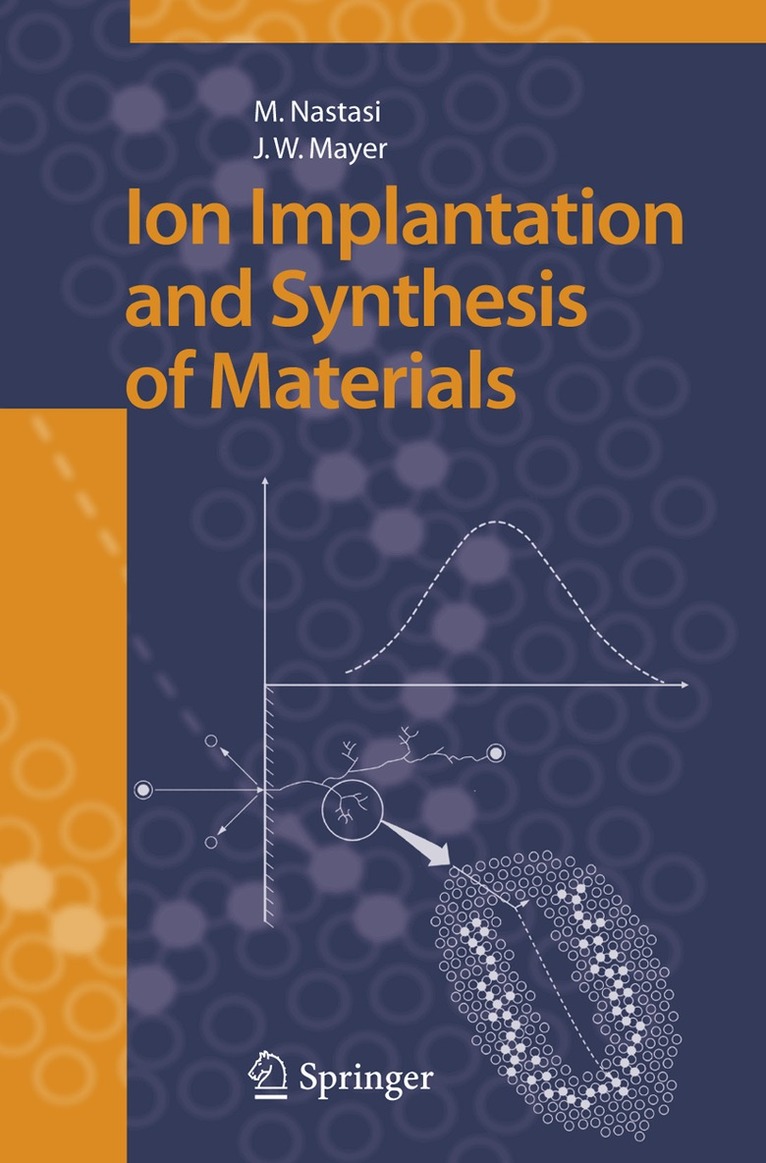
Ion implantation is one of the key processing steps in silicon integrated circuit technology. Some integrated circuits require up to 17 implantation steps and circuits are seldom processed with less than 10 implantation steps. Controlled doping at controlled depths is an essential feature of implantation. Ion beam processing can also be used to improve corrosion resistance, to harden surfaces, to reduce wear and, in general, to improve materials properties. This book presents the physics and materials science of ion implantation and ion beam modification of materials. It covers ion-solid interactions used to predict ion ranges, ion straggling and lattice disorder. Also treated are shallow-junction formation and slicing silicon with hydrogen ion beams. Topics important for materials modification, such as ion-beam mixing, stresses, and sputtering, are also described.
1 064 kr
Skickas inom 10-15 vardagar
Ion implantation is one of the key processing steps in silicon integrated circuit technology. Some integrated circuits require up to 17 implantation steps and circuits are seldom processed with less than 10 implantation steps. Controlled doping at controlled depths is an essential feature of implantation. Ion beam processing can also be used to improve corrosion resistance, to harden surfaces, to reduce wear and, in general, to improve materials properties. This book presents the physics and materials science of ion implantation and ion beam modification of materials. It covers ion-solid interactions used to predict ion ranges, ion straggling and lattice disorder. Also treated are shallow-junction formation and slicing silicon with hydrogen ion beams. Topics important for materials modification, such as ion-beam mixing, stresses, and sputtering, are also described.