Jamil M. Abun-Nasr – författare
Visar alla böcker från författaren Jamil M. Abun-Nasr. Handla med fri frakt och snabb leverans.
2 produkter
2 produkter
461 kr
Skickas inom 7-10 vardagar
Building on the two previous editions of his History of the Maghrib, Professor Abun-Nasr has written a completely new history of North Africa within the Islamic period which begins with the Arab conquest and brings the story up to the present day. He emphasises the factors which led to the adoption of Islam by practically the entire population, the geographical position of the area, which made it the main trade link between the Mediterranean world and the Sudan and led to its involvement in the confrontation between the Christian and Islamic worlds. In Morocco, this confrontation led to the emergence of a distinct religio-political community ruled by sharifian dynasties and, in the rest of the Maghrib, to integration in the Ottoman empire. The political and economic developments of the 'piratical' regencies of Algeria, Tunisia and Libya, the establishment of European colonial rule, the nationalist movements and Islamic religious reform are all treated in detail. The balance between factual account and interpretation makes the book especially useful to students of African and Islamic history.

448 kr
Skickas inom 7-10 vardagar
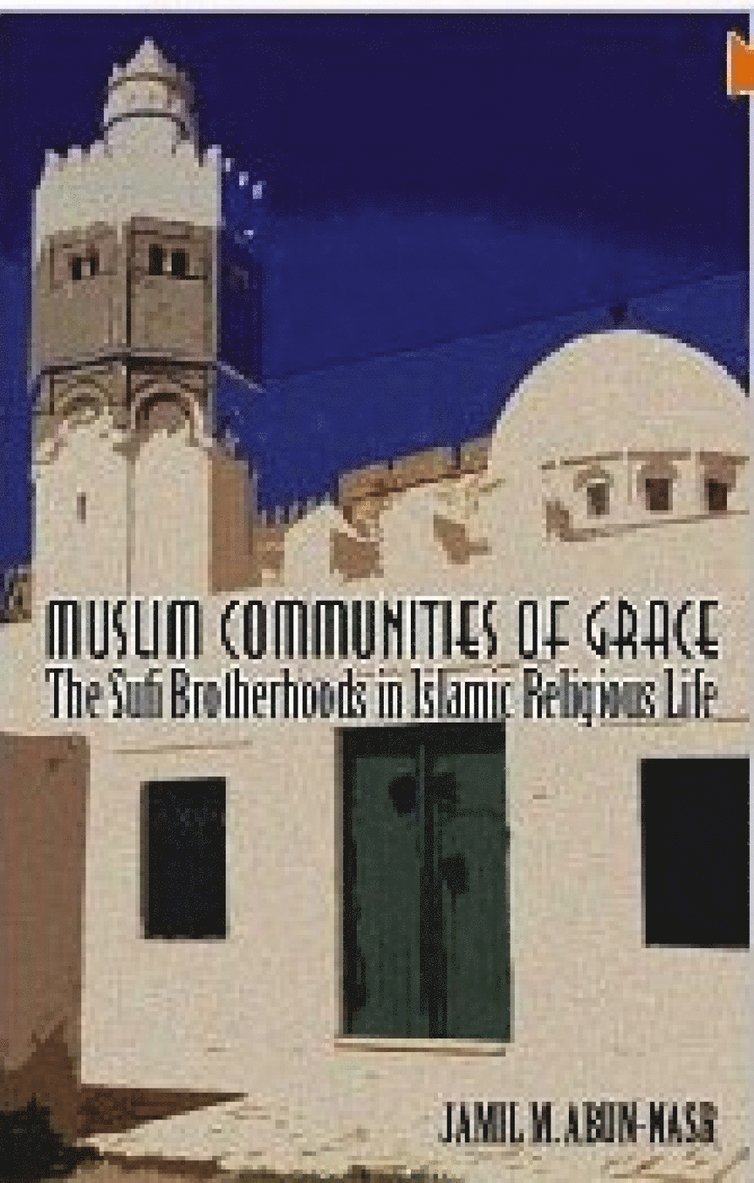
The Sufi brotherhoods are not religious orders, but religious communities within the general community of Islam. Their members neither live in monasteries nor take vows of celibacy and poverty. They are Muslims who marry, earn their living and seek wealth and positions of influence in their societies. But they entrust their salvation and well-being in this world to the spiritual guardianship of their brotherhoods' founders and the redemptive efficacy of the mystical rites they set for them. Their form of Islamic religious communalism has become, since the eighteenth century, a dominant aspect of religious life in most Muslim lands, while the brotherhoods' supreme heads and the shaykhs of their important branches often command much social and political power.However, the religious factors that account for the appearance of Sufi religious communalism and for the appeal it has had to Muslims living in countries as far apart as Egypt, India, Indonesia and Senegal remain largely unexplained, and this is the principal theme of Abun-Nasr's new book." Muslim Communities of Grace" reconstructs the development of the Sufi tradition, guided by insights from original Sufi sources, intended primarily to explain the emergence of the Sufi brotherhoods' form of Islamic communalism and its perennial appeal. The final two chapters discuss the clash between Salafi and Sufi ideals in the twentieth century, which led Sufi shaykhs to find themselves in the incongruous position of being promoted by secular modernising national leaders in order to counteract the hostility of Salafis and, from the 1970s, of Islamists too. Abun-Nasr concludes by examining the disarray wrought on traditional Muslim societies by secular modernisers, the uncertainties thus created only serving to broaden the appeal to ordinary Muslims of the Sufi brotherhoods' religious communalism. The latter's fraternal religious solidarity offers Muslims at the local level help in facing the problems of daily life.