Jan Fellerer – författare
Visar alla böcker från författaren Jan Fellerer. Handla med fri frakt och snabb leverans.
6 produkter
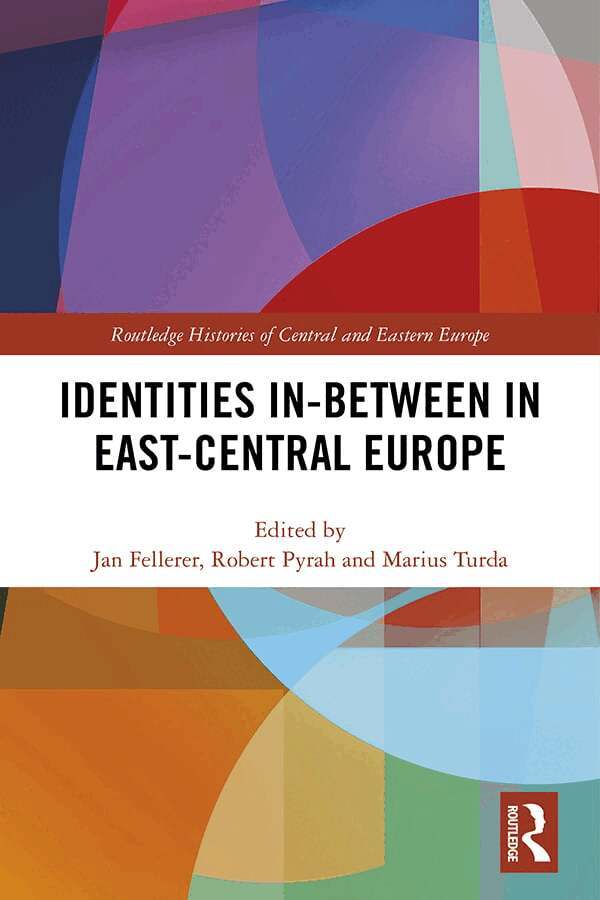
Identities In-Between in East-Central Europe
Av Jan Fellerer, Robert Pyrah m. fl.
Inbunden, 2019
2585 kr
Lägg i varukorg
This volume addresses the question of ‘identity’ in East-Central Europe. It engages with a specific definition of ‘sub-cultures’ over the period from c. 1900 to the present and proposes novel ways in which the term can be used with the purpose of understanding identities that do not conform to the …
Identities In-Between in East-Central Europe
Av Jan Fellerer, Robert Pyrah m. fl.
Häftad, 2021
726 kr
Lägg i varukorg
This volume addresses the question of ‘identity’ in East-Central Europe. It engages with a specific definition of ‘sub-cultures’ over the period from c. 1900 to the present and proposes novel ways in which the term can be used with the purpose of understanding identities that do not conform to the …
Identities In-Between in East-Central Europe
Av Marius Turda, Robert Pyrah m. fl.
E-bok, 2019
856 kr
Lägg i varukorg
This volume addresses the question of ‘identity’ in East-Central Europe. It engages with a specific definition of ‘sub-cultures’ over the period from c. 1900 to the present and proposes novel ways in which the term can be used with the purpose of understanding identities that do not conform to the …
Identities In-Between in East-Central Europe
Av Marius Turda, Robert Pyrah m. fl.
E-bok, 2019
856 kr
Lägg i varukorg
This volume addresses the question of ‘identity’ in East-Central Europe. It engages with a specific definition of ‘sub-cultures’ over the period from c. 1900 to the present and proposes novel ways in which the term can be used with the purpose of understanding identities that do not conform to the …
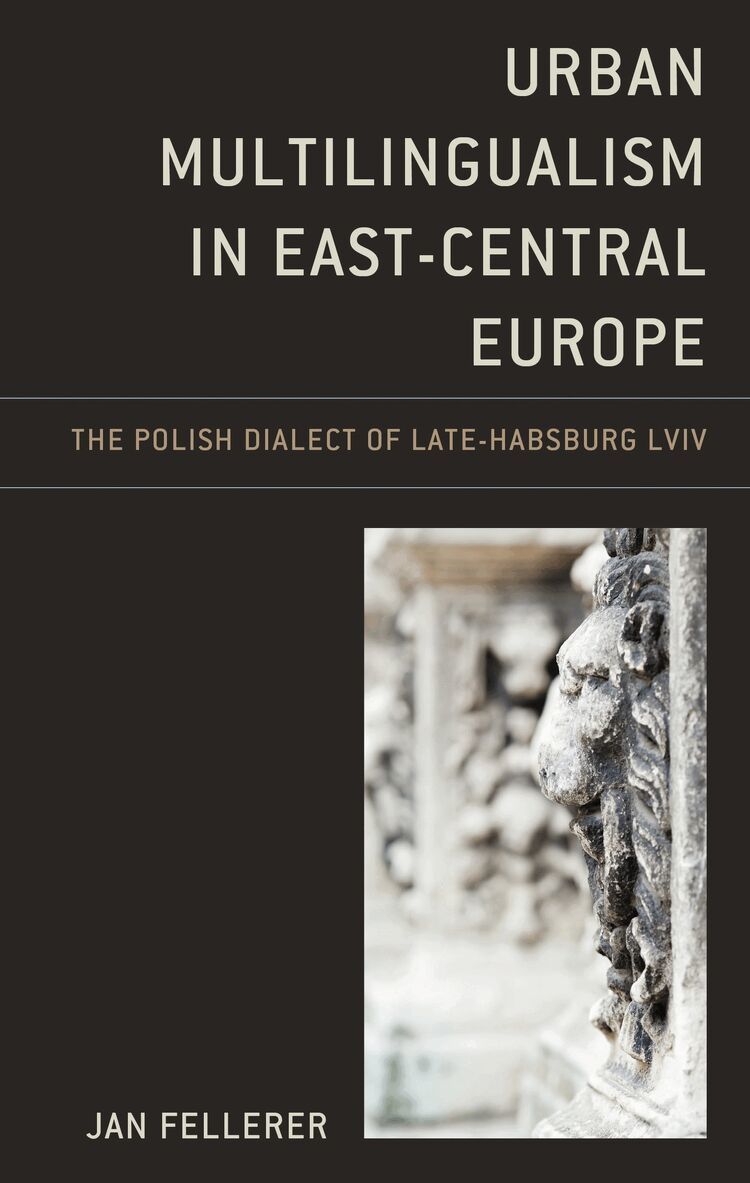
Urban Multilingualism in East-Central Europe
The Polish Dialect of Late-Habsburg Lviv
Av Jan Fellerer
Inbunden, 2020
1244 kr
Lägg i varukorg
Urban Multilingualism in East-Central Europe: The Polish Dialect of Late-Habsburg Lviv makes the case for a two-pronged approach to past urban multilingualism in East-Central Europe, one that considers both historical and linguistic features. Based on archival materials from late-Habsburg …
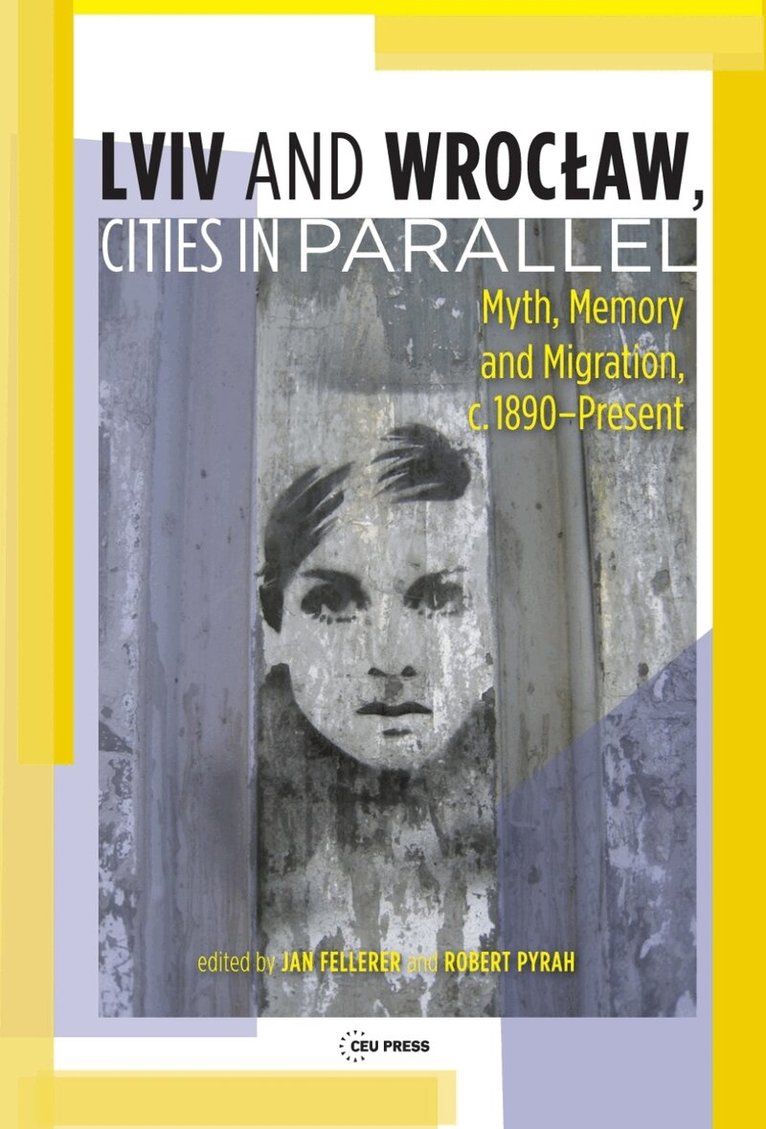
Lviv – Wroclaw, Cities in Parallel?
Myth, Memory and Migration, c. 1890-Present
Inbunden, 2020
2000 kr
Lägg i varukorg
After World War II, Europe witnessed the massive redrawing of national borders and the efforts to make the population fit those new borders. As a consequence of these forced changes, both Lviv and Wrocław went through cataclysmic changes in population and culture. Assertively Polish prewar Lwów …