Robert Pyrah – författare
Visar alla böcker från författaren Robert Pyrah. Handla med fri frakt och snabb leverans.
14 produkter
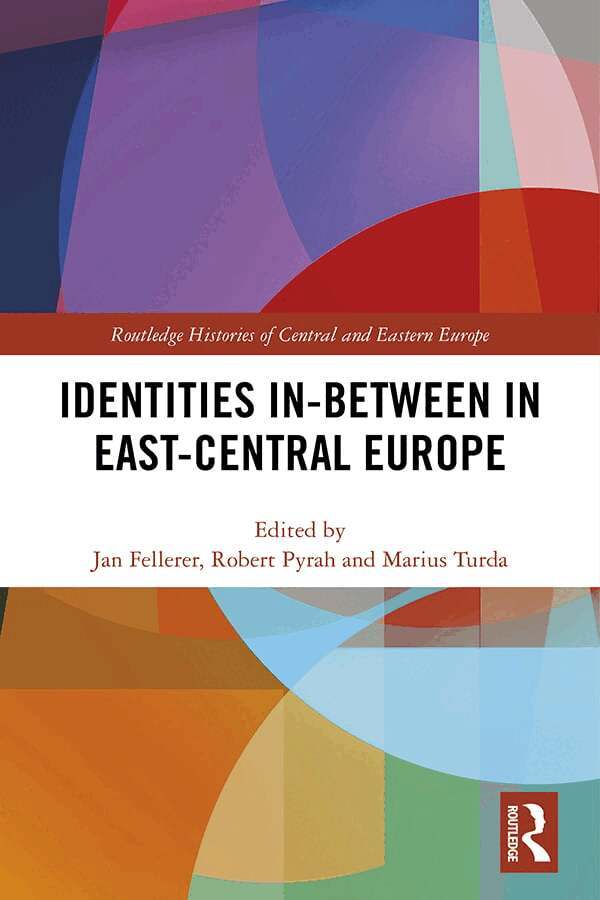
Identities In-Between in East-Central Europe
Av Jan Fellerer, Robert Pyrah m. fl.
Inbunden, 2019
2585 kr
Lägg i varukorg
This volume addresses the question of ‘identity’ in East-Central Europe. It engages with a specific definition of ‘sub-cultures’ over the period from c. 1900 to the present and proposes novel ways in which the term can be used with the purpose of understanding identities that do not conform to the …
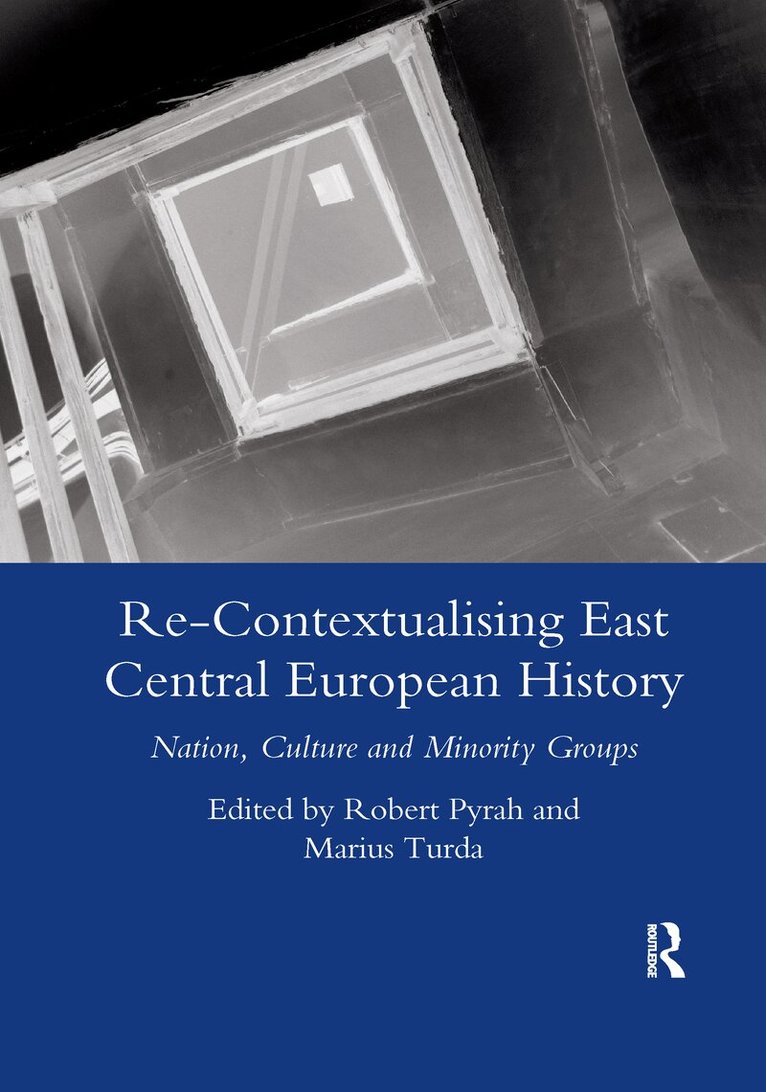
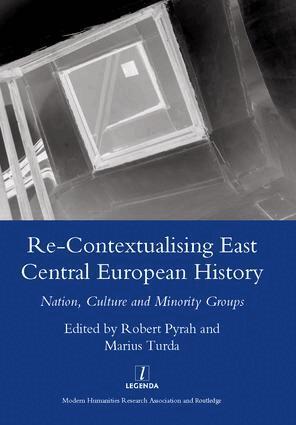
Re-contextualising East Central European History
Nation, Culture and Minority Groups
Av Robert Pyrah
Häftad, 2020
705 kr
Lägg i varukorg
This book focuses on the developments in research, national-historical narratives, and geographies of East Central Europe. It explores the emergence of specific discursive practices, architectures of ethnic identity, and the eventual juxtaposition during the late nineteenth and twentieth centuries.
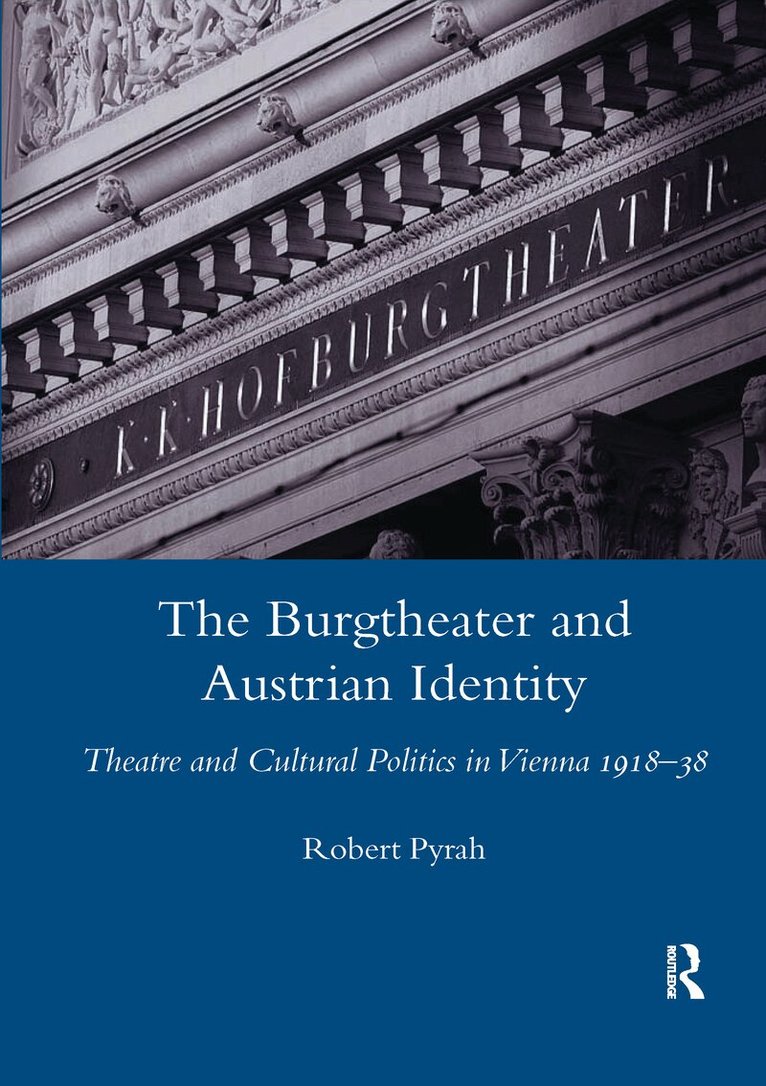
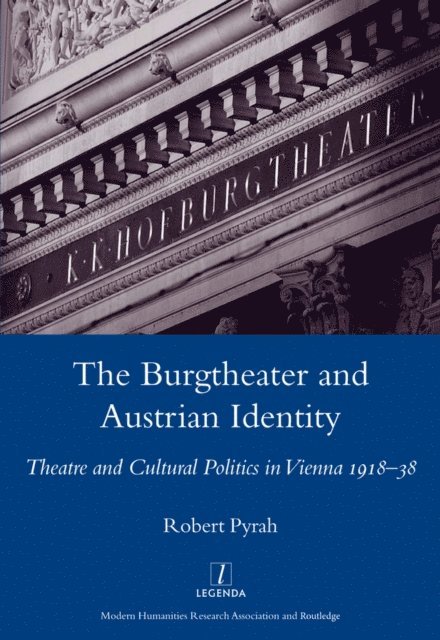
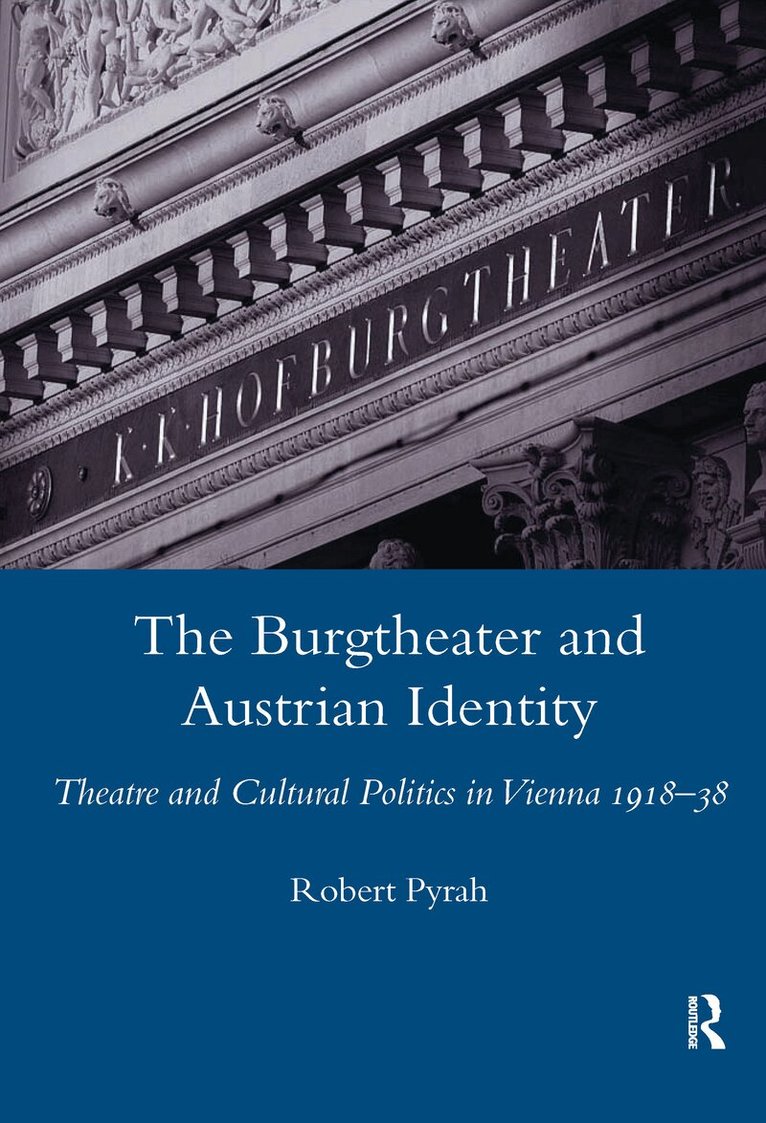
Burgtheater and Austrian Identity
Theatre and Cultural Politics in Vienna, 1918-38
Av Robert Pyrah
Häftad, 2020
705 kr
Lägg i varukorg
This book focuses on the Burgtheater, which was known as the 'first German stage' in the nineteenth century but, by 1934, had clearly assumed the mantle of a 'national theatre for Austria'.
Identities In-Between in East-Central Europe
Av Jan Fellerer, Robert Pyrah m. fl.
Häftad, 2021
726 kr
Lägg i varukorg
This volume addresses the question of ‘identity’ in East-Central Europe. It engages with a specific definition of ‘sub-cultures’ over the period from c. 1900 to the present and proposes novel ways in which the term can be used with the purpose of understanding identities that do not conform to the …
Identities In-Between in East-Central Europe
Av Marius Turda, Robert Pyrah m. fl.
E-bok, 2019
856 kr
Lägg i varukorg
This volume addresses the question of ‘identity’ in East-Central Europe. It engages with a specific definition of ‘sub-cultures’ over the period from c. 1900 to the present and proposes novel ways in which the term can be used with the purpose of understanding identities that do not conform to the …
Identities In-Between in East-Central Europe
Av Marius Turda, Robert Pyrah m. fl.
E-bok, 2019
856 kr
Lägg i varukorg
This volume addresses the question of ‘identity’ in East-Central Europe. It engages with a specific definition of ‘sub-cultures’ over the period from c. 1900 to the present and proposes novel ways in which the term can be used with the purpose of understanding identities that do not conform to the …
Re-contextualising East Central European History
Nation, Culture and Minority Groups
Av Robert Pyrah
E-bok, 2017
838 kr
Lägg i varukorg
"Twenty years after the fall of Communism, scholarship on East-Central Europe has adopted mainstream western methodologies, but remains preoccupied with a narrow range of themes. Nationalism, identity, fin- de-siecle art and culture, and revisionist historiography dominate the field to the …
Re-contextualising East Central European History
Nation, Culture and Minority Groups
Av Robert Pyrah
E-bok, 2017
856 kr
Lägg i varukorg
"Twenty years after the fall of Communism, scholarship on East-Central Europe has adopted mainstream western methodologies, but remains preoccupied with a narrow range of themes. Nationalism, identity, fin- de-siecle art and culture, and revisionist historiography dominate the field to the …
Burgtheater and Austrian Identity
Theatre and Cultural Politics in Vienna, 1918-38
Av Robert Pyrah
E-bok, 2017
856 kr
Lägg i varukorg
"The collapse of the Habsburg monarchy in 1918 galvanized discussion about national identity in the new Republic of Austria. As Robert Pyrah shows in this thoroughly documented study, the complex identity politics of interwar Austria were played out in the theatres of Vienna, which enjoyed a …
Burgtheater and Austrian Identity
Theatre and Cultural Politics in Vienna, 1918-38
Av Robert Pyrah
E-bok, 2017
831 kr
Lägg i varukorg
"The collapse of the Habsburg monarchy in 1918 galvanized discussion about national identity in the new Republic of Austria. As Robert Pyrah shows in this thoroughly documented study, the complex identity politics of interwar Austria were played out in the theatres of Vienna, which enjoyed a …
Remembering Lwów
National Mythology and the Borderland City
Av Robert Pyrah
Inbunden, 2027
641 kr
Kommande
Remembering Lwów focuses on Lviv, today a West Ukrainian city, but until WWII, a Polish city known as Lwów. The history of Lviv is a transregional story of rival memories rooted in trauma, loss, and competing narratives of ownership, not unlike once-German Breslau (today Polish Wrocław) or …
Re-contextualising East Central European History
Nation, Culture and Minority Groups
Av Robert Pyrah
Inbunden, 2010
1499 kr
Lägg i varukorg
This book focuses on the developments in research, national-historical narratives, and geographies of East Central Europe. It explores the emergence of specific discursive practices, architectures of ethnic identity, and the eventual juxtaposition during the late nineteenth and twentieth centuries.
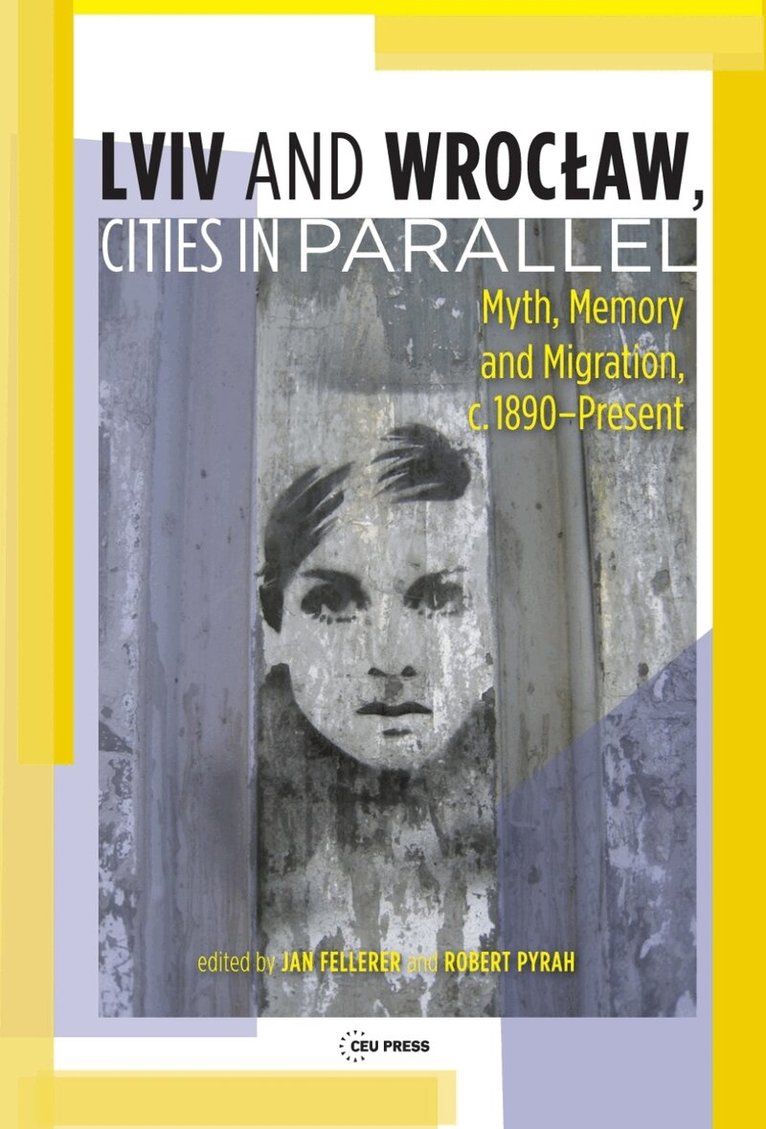
Lviv – Wroclaw, Cities in Parallel?
Myth, Memory and Migration, c. 1890-Present
Inbunden, 2020
2000 kr
Lägg i varukorg
After World War II, Europe witnessed the massive redrawing of national borders and the efforts to make the population fit those new borders. As a consequence of these forced changes, both Lviv and Wrocław went through cataclysmic changes in population and culture. Assertively Polish prewar Lwów …
Burgtheater and Austrian Identity
Theatre and Cultural Politics in Vienna, 1918-38
Av Robert Pyrah
Inbunden, 2007
878 kr
Tillfälligt slut
This book focuses on the Burgtheater, which was known as the 'first German stage' in the nineteenth century but, by 1934, had clearly assumed the mantle of a 'national theatre for Austria'.