Jan Rydel – författare
Visar alla böcker från författaren Jan Rydel. Handla med fri frakt och snabb leverans.
6 produkter
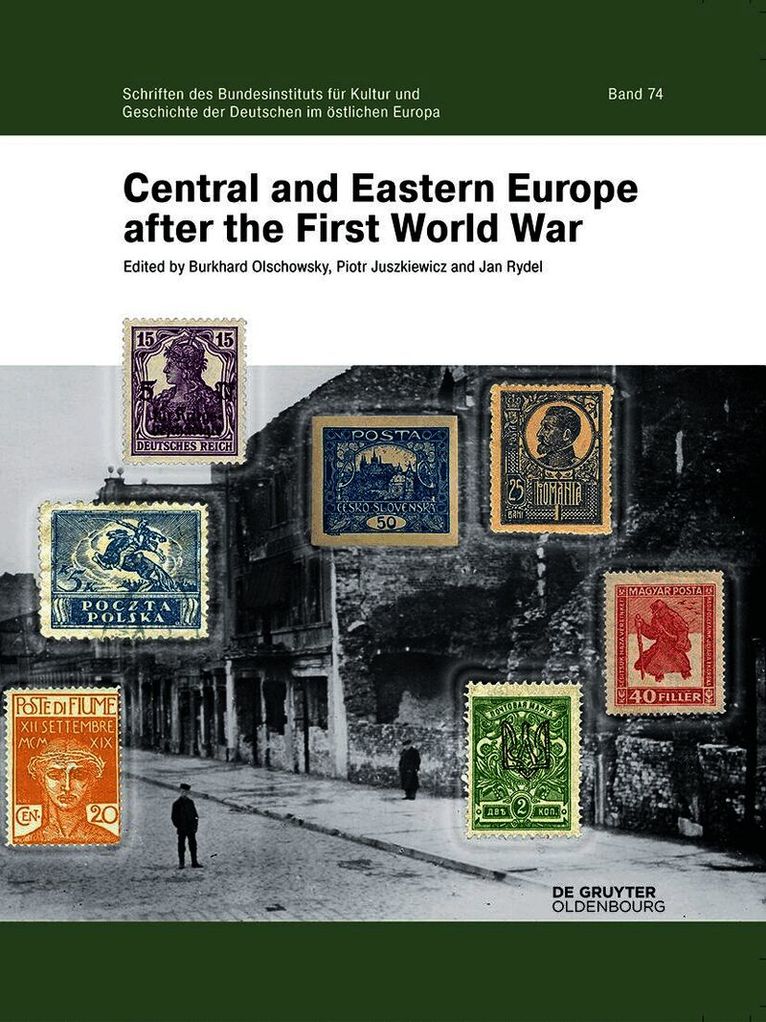
Central and Eastern Europe after the First World War
Av Burkhard Olschowsky, Piotr Juszkiewicz m. fl.
Inbunden, 2021
535 kr
Lägg i varukorg
The volume focuses on the years following the First World War (1918–1923), when political, military, cultural, social and economic developments consolidated to a high degree in Eastern Europe. This period was shaped, on the one hand, by the efforts to establish an international structure for peace …
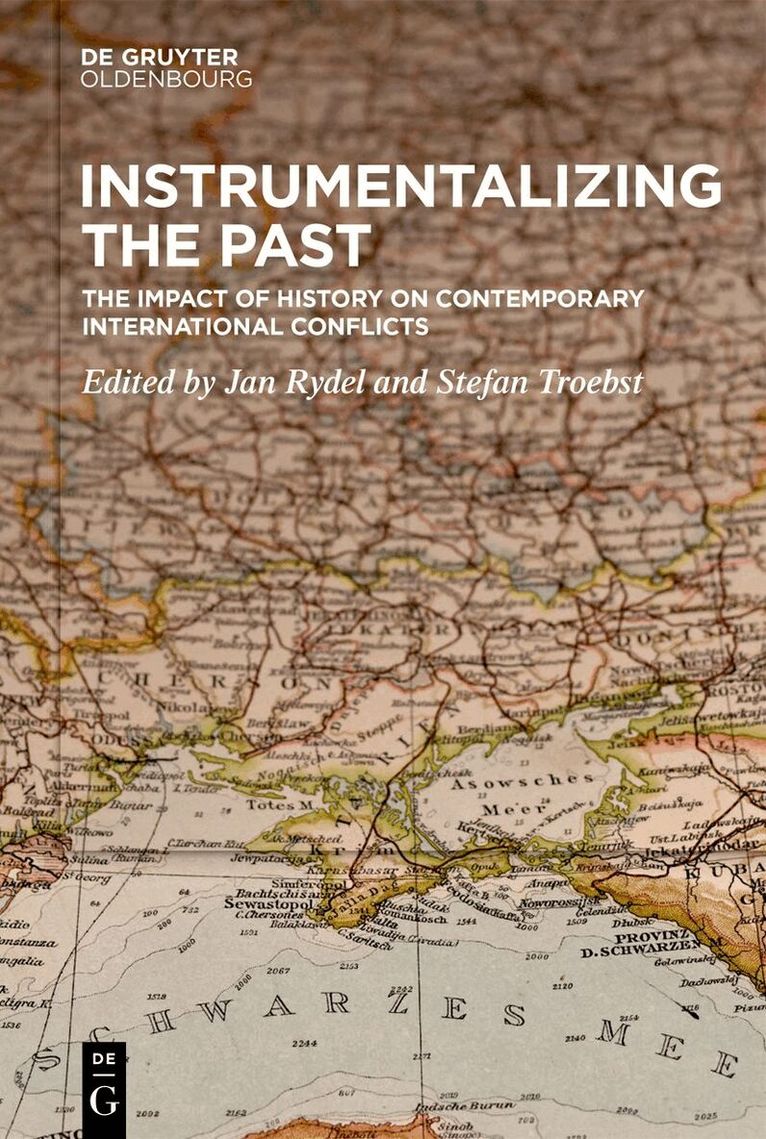
Instrumentalizing the Past
The Impact of History on Contemporary International Conflicts
Inbunden, 2022
1416 kr
Lägg i varukorg
In today's world, we can point to many international disputes and interstate conflicts fueled by past events. Historical resentments or memories of past suffering or fame are often used to justify political, economic and even territorial demands. Inter-state disputes and historical conflicts should …
Instrumentalizing the Past
The Impact of History on Contemporary International Conflicts
E-bok, 2022
1241 kr
Lägg i varukorg
In today''s world, we can point to many international disputes and interstate conflicts fueled by past events. Historical resentments or memories of past suffering or fame are often used to justify political, economic and even territorial demands. Inter-state disputes and historical conflicts …
Instrumentalizing the Past
The Impact of History on Contemporary International Conflicts
E-bok, 2022
1241 kr
Lägg i varukorg
In today''s world, we can point to many international disputes and interstate conflicts fueled by past events. Historical resentments or memories of past suffering or fame are often used to justify political, economic and even territorial demands. Inter-state disputes and historical conflicts …
Central and Eastern Europe after the First World War
Av Burkhard Olschowsky, Piotr Juszkiewicz m. fl.
Häftad, 2025
541 kr
Lägg i varukorg
2nd editionThe volume focuses on the years following the First World War (1918–1923), when political, military, cultural, social and economic developments consolidated to a high degree in Eastern Europe. This period was shaped, on the one hand, by the efforts to establish an international structure …
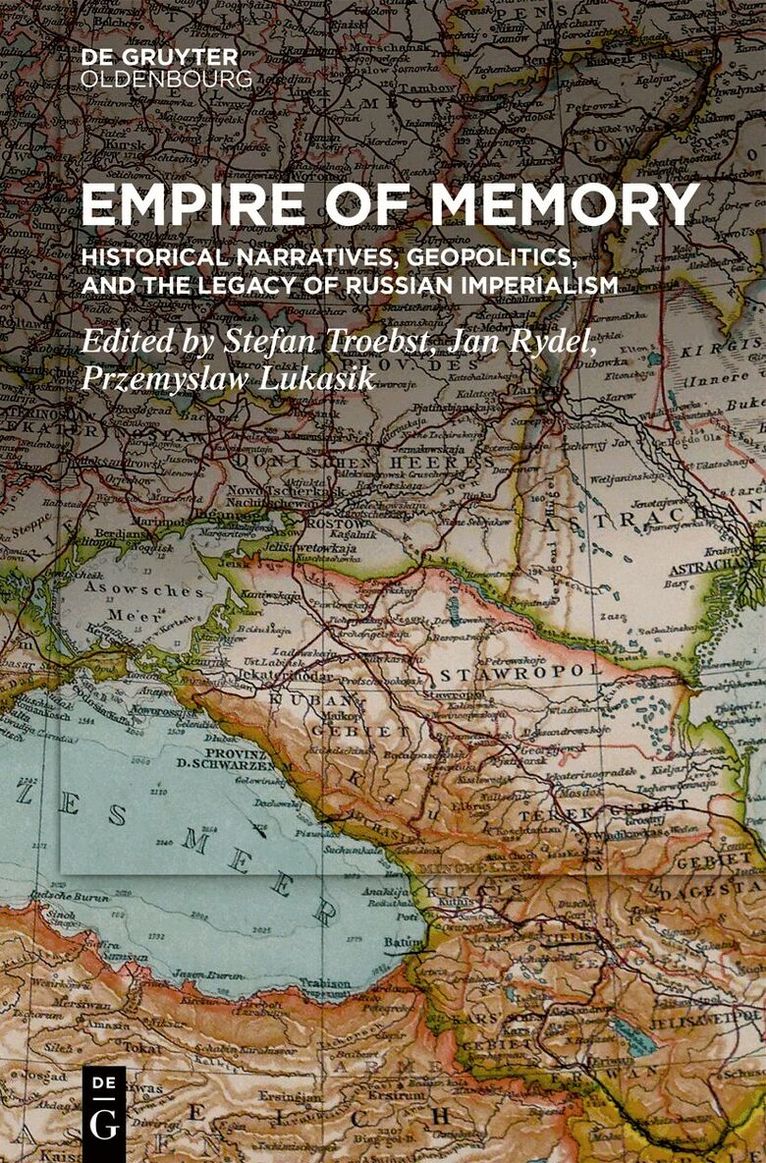
Empire of Memory
Historical Narratives, Geopolitics, and the Legacy of Russian Imperialism
Av Przemyslaw Lukasik, Jan Rydel m. fl.
Inbunden, 2026
1297 kr
Kommande
Empire of Memory: Historical Narratives, Geopolitics, and the Legacy of Russian Imperialism offers a compelling, multi-perspective analysis of Russian imperialism as both a historical phenomenon and a contemporary strategy. Spanning from the Tsarist period to the present, the volume examines how …