Jan Verplaetse – författare
Visar alla böcker från författaren Jan Verplaetse. Handla med fri frakt och snabb leverans.
8 produkter
Moral Brain
Essays on the Evolutionary and Neuroscientific Aspects of Morality
Av Jan Verplaetse, Jelle de Schrijver m. fl.
Inbunden, 2009
1636 kr
Lägg i varukorg
Scientists no longer accept the existence of a distinct moral organ as phrenologists once did. A generation of young neurologists is using advanced technological medical equipment to unravel specific brain processes enabling moral cognition. In addition, evolutionary psychologists have formulated …
Moral Brain
Essays on the Evolutionary and Neuroscientific Aspects of Morality
Av Johan Braeckman, Sven Vanneste m. fl.
E-bok, 2009
2044 kr
Lägg i varukorg
Scientists no longer accept the existence of a distinct moral organ as phrenologists once did. A generation of young neurologists is using advanced technological medical equipment to unravel specific brain processes enabling moral cognition. In addition, evolutionary psychologists have formulated …
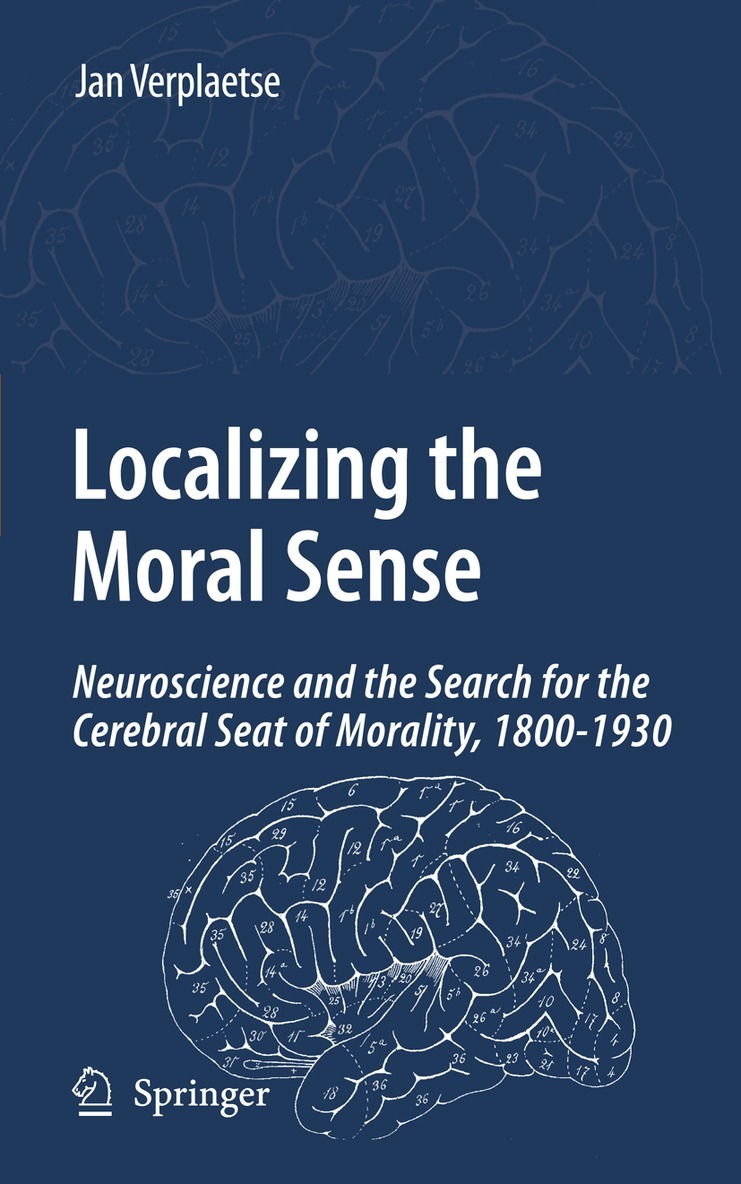
Localizing the Moral Sense
Neuroscience and the Search for the Cerebral Seat of Morality, 1800-1930
Inbunden, 2009
1093 kr
Lägg i varukorg
Due to the current revolution in brain research the search for the “moral brain” became a serious endeavour. Nowadays, neural circuits that are indispensable for moral and social behaviour are discovered and the brains of psychopaths and criminals - the classical anti-heroes of morality - are …
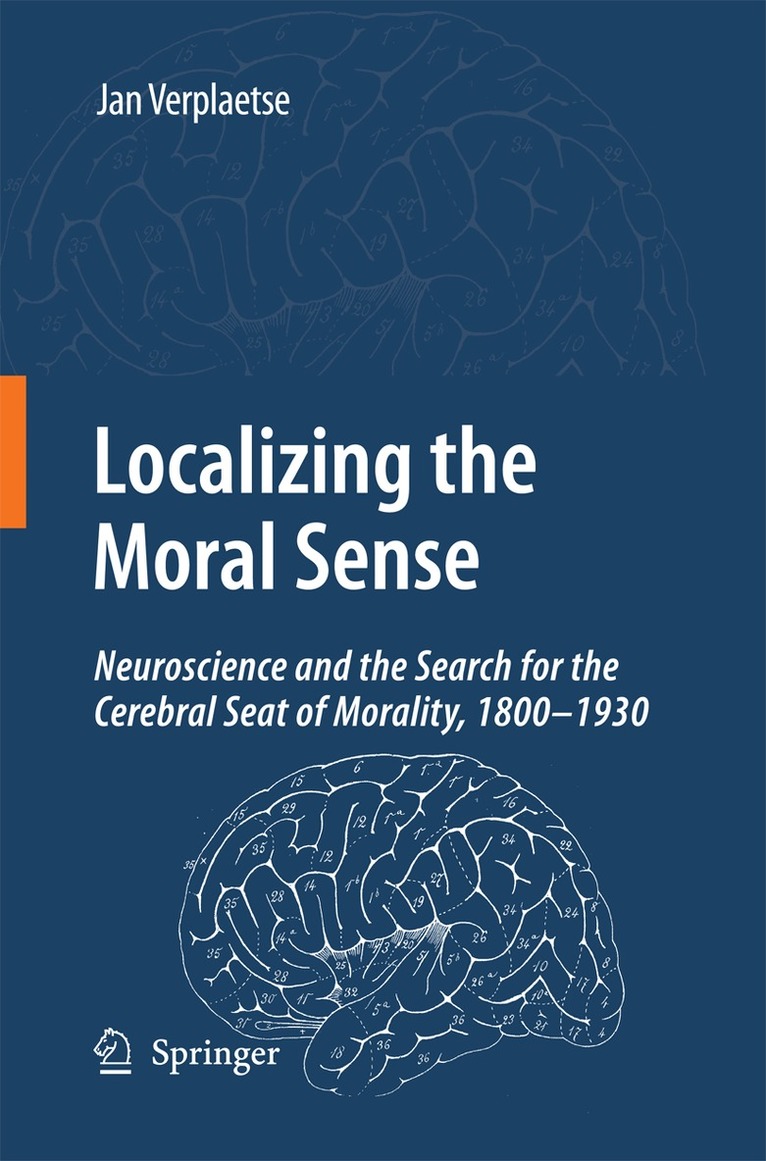
Localizing the Moral Sense
Neuroscience and the Search for the Cerebral Seat of Morality, 1800-1930
E-bok, 2009
1470 kr
Lägg i varukorg
Due to the current revolution in brain research the search for the “moral brain” became a serious endeavour. Nowadays, neural circuits that are indispensable for moral and social behaviour are discovered and the brains of psychopaths and criminals - the classical anti-heroes of morality - are …
Der moralische Instinkt
Über den natürlichen Ursprung unserer Moral
E-bok, 2011
149 kr
Lägg i varukorg
This book gives a nuanced answer to the question of good and evil. It delegates our moral and immoral behaviour into five different moral systems, four of which are based on intuitions or emotions (the ethics of attachment, the ethics of violence, the ethics of cleanliness, the ethics of …
Localizing the Moral Sense
Neuroscience and the Search for the Cerebral Seat of Morality, 1800-1930
Häftad, 2014
1093 kr
Lägg i varukorg
Due to the current revolution in brain research the search for the “moral brain” became a serious endeavour. Nowadays, neural circuits that are indispensable for moral and social behaviour are discovered and the brains of psychopaths and criminals - the classical anti-heroes of morality - are …
Moral Brain
Essays on the Evolutionary and Neuroscientific Aspects of Morality
Av Jan Verplaetse, Jelle de Schrijver m. fl.
Häftad, 2014
1636 kr
Lägg i varukorg
Scientists no longer accept the existence of a distinct moral organ as phrenologists once did. A generation of young neurologists is using advanced technological medical equipment to unravel specific brain processes enabling moral cognition. In addition, evolutionary psychologists have formulated …
Blood Rush
The Dark History of a Vital Fluid
Inbunden, 2020
180 kr
Tillfälligt slut
As a young man Jan Verplaetse saw a hare suspended from a meat hook, skinned and gutted. What struck him so forcefully at the time was not the animal but the blood gently dripping from its mouth. His reaction prompted the start of a quest he undertakes in this book – to investigate our fascination …