Jana K. Schulman – författare
Visar alla böcker från författaren Jana K. Schulman. Handla med fri frakt och snabb leverans.
5 produkter
Rise of the Medieval World 500-1300
A Biographical Dictionary
E-bok, 2002
1044 kr
Lägg i varukorg
Beginning in 500 with the fusion of classical, Christian, and Germanic cultures and ending in 1300 with a Europe united by a desire for growth, knowledge, and change, this volume provides basic information on the significant cultural figures of the Middle Ages. It includes over 400 people whose …
Rise of the Medieval World 500-1300
A Biographical Dictionary
Av Jana K. Schulman, Jana K. Schulman
Inbunden, 2002
953 kr
Lägg i varukorg
Beginning in 500 with the fusion of classical, Christian, and Germanic cultures and ending in 1300 with a Europe united by a desire for growth, knowledge, and change, this volume provides basic information on the significant cultural figures of the Middle Ages. It includes over 400 people whose …
Jónsbók
The Laws of Later Iceland
E-bok, 2018
937 kr
Lägg i varukorg
The Laws of Later Iceland is the first translation into English of any Jónsbók manuscript. It provides the first edition of AM 351 fol. The edition is a diplomatic one so that linguists can use it as well. Since there are already Ólafur Halldórsson''s critical edition (Copenhagen, 1904) that uses …
Rise of the Medieval World 500-1300
A Biographical Dictionary
E-bok, 2002
1044 kr
Lägg i varukorg
Beginning in 500 with the fusion of classical, Christian, and Germanic cultures and ending in 1300 with a Europe united by a desire for growth, knowledge, and change, this volume provides basic information on the significant cultural figures of the Middle Ages. It includes over 400 people whose …
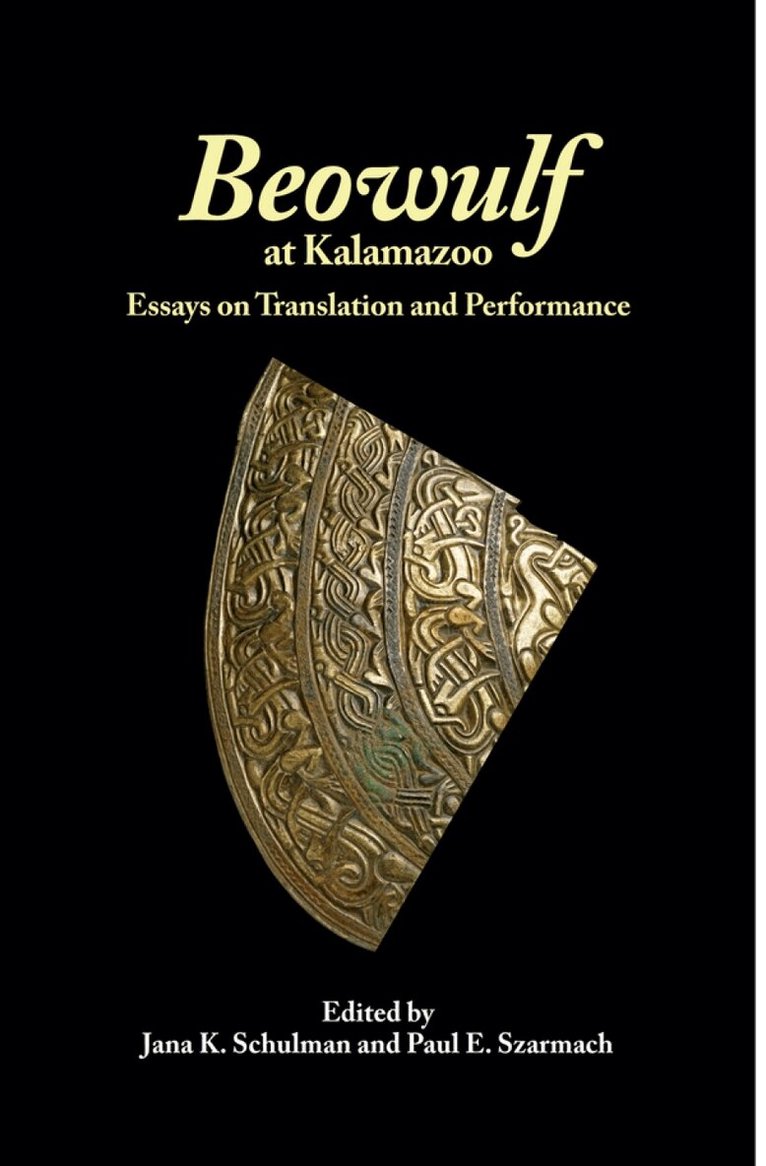
Beowulf at Kalamazoo
Essays on Translation and Performance
Av Jana K. Schulman, Paul E. Szarmach
Inbunden, 2012
476 kr
Tillfälligt slut
This collection of essays is designed to capitalize on the success of Seamus Heaney' prize-winning translation of Beowulf, which bridges the gap between the ivory tower where most who study Beowulf reside and lay readers drawn to the poem because of Heaney's reputation, the review in the New York …