Jane Couchman – författare
Visar alla böcker från författaren Jane Couchman. Handla med fri frakt och snabb leverans.
7 produkter
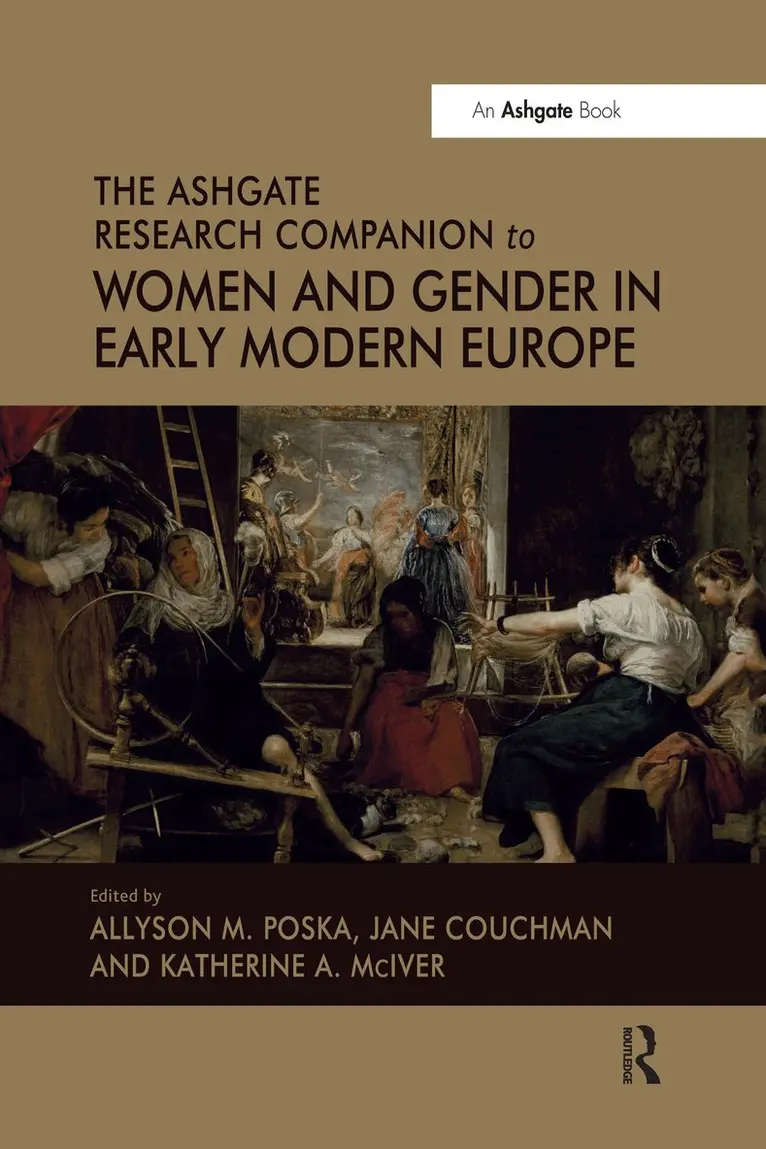
Ashgate Research Companion to Women and Gender in Early Modern Europe
Av Jane Couchman, Allyson M. Poska
Häftad, 2021
880 kr
Lägg i varukorg
Over the past three decades scholars have transformed the study of women and gender in early modern Europe. This Ashgate Research Companion presents an authoritative review of the current research on women and gender in early modern Europe from a multi-disciplinary perspective. The authors examine …
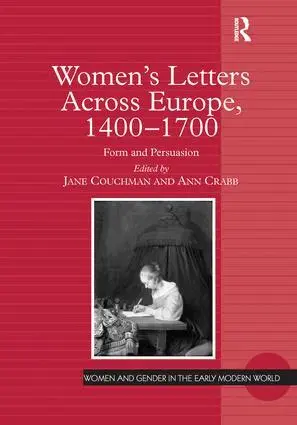
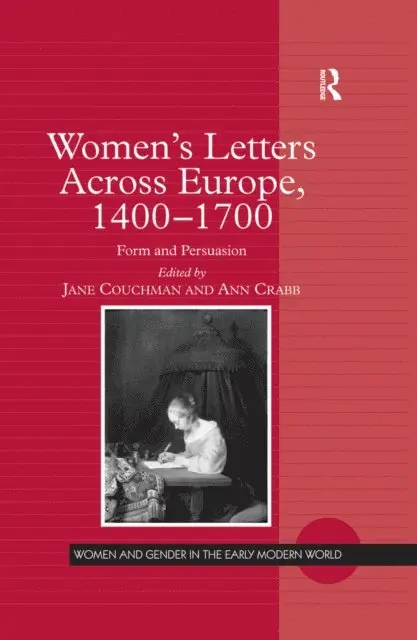
Women's Letters Across Europe, 1400–1700
Form and Persuasion
Häftad, 2016
1065 kr
Lägg i varukorg
In response to a growing interest, among historians as well as literary critics, in women's use of the epistolary genre, Women's Letters Across Europe, 1400-1700: Form and Persuasion analyzes persuasive techniques in the personal correspondence of late medieval and early modern women. It includes …
Ashgate Research Companion to Women and Gender in Early Modern Europe
Av Jane Couchman, Allyson M. Poska
E-bok, 2016
1036 kr
Lägg i varukorg
Over the past three decades scholars have transformed the study of women and gender in early modern Europe. This Ashgate Research Companion presents an authoritative review of the current research on women and gender in early modern Europe from a multi-disciplinary perspective. The authors examine …
Ashgate Research Companion to Women and Gender in Early Modern Europe
Av Jane Couchman, Allyson M. Poska
E-bok, 2016
1036 kr
Lägg i varukorg
Over the past three decades scholars have transformed the study of women and gender in early modern Europe. This Ashgate Research Companion presents an authoritative review of the current research on women and gender in early modern Europe from a multi-disciplinary perspective. The authors examine …
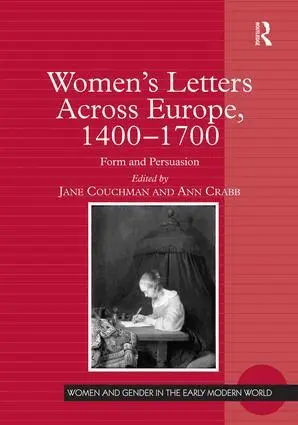
Women's Letters Across Europe, 1400-1700
Form and Persuasion
E-bok, 2017
1227 kr
Lägg i varukorg
In response to a growing interest, among historians as well as literary critics, in women''s use of the epistolary genre, Women''s Letters Across Europe, 1400-1700: Form and Persuasion analyzes persuasive techniques in the personal correspondence of late medieval and early modern women. It includes …
Ashgate Research Companion to Women and Gender in Early Modern Europe
Av Jane Couchman, Allyson M. Poska
Inbunden, 2013
2590 kr
Lägg i varukorg
Over the past three decades scholars have transformed the study of women and gender in early modern Europe. This Ashgate Research Companion presents an authoritative review of the current research on women and gender in early modern Europe from a multi-disciplinary perspective. The authors examine …
Women's Letters Across Europe, 1400–1700
Form and Persuasion
Inbunden, 2005
2852 kr
Tillfälligt slut
In response to a growing interest, among historians as well as literary critics, in women's use of the epistolary genre, Women's Letters Across Europe, 1400-1700: Form and Persuasion analyzes persuasive techniques in the personal correspondence of late medieval and early modern women. It includes …