Jared Kirby - Böcker
Visar alla böcker från författaren Jared Kirby. Handla med fri frakt och snabb leverans.
4 produkter
4 produkter
318 kr
Kommande
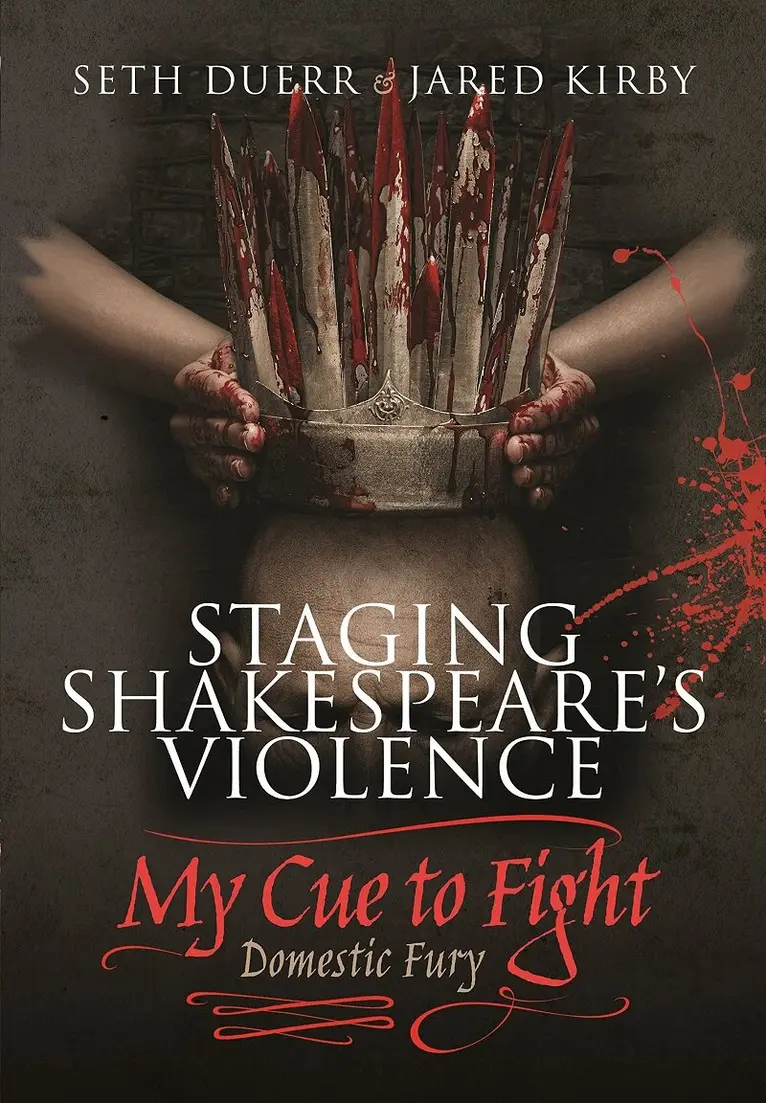
My Cue to Fight is the first book of its kind to provide an in-depth examination of how the greatest playwright in the English language employed not only psychological brutality but also physical violence throughout his works. Written ideally for theatrical stage directors, fight directors, intimacy consultants, and actors as a technical scene-by-scene breakdown in staging combat during production of these plays, this publication is also for Shakespeare enthusiasts who want to learn more about the blood, sweat, and viscera hidden just underneath the poetry.A writer utilises violence, like song or dance, in moments where the story requires more than just words. But addressing how the violence will be staged tends either to be neglected or utterly gratuitous, both of which serve to separate the audience from the story and kill the whole venture. The answer rests in approaching violence the same way we do scenework. The plays of William Shakespeare seek to engage audiences with all of the characters' blood, tears, sweat, and guts. These works are not flowery poems meant to be mumbled in a classroom, or histrionically declaimed in frilly costumes. There is nothing light and fluffy about 'rape' and 'murder's rages', or 'carving' someone as a dish fit for the gods, or fighting till from one's bones one's 'flesh be hacked'. Making matters more complicated is the ambiguity and sometimes even complete lack of stage directions. Modern texts typically possess clear directions whenever violence is to occur in the action, but playscripts were quite different four centuries ago. Such denotations were both rare and inconsistent in Elizabethan and Jacobean printings. The potential violence we will examine is not appropriate for all productions or scene partners. We're here to question and inspire rather than provide catch-all solutions. Actors, directors, fight directors, and intimacy consultants must work together to find the most effective way for their production to communicate the playwright's story to the audience.
168 kr
Skickas
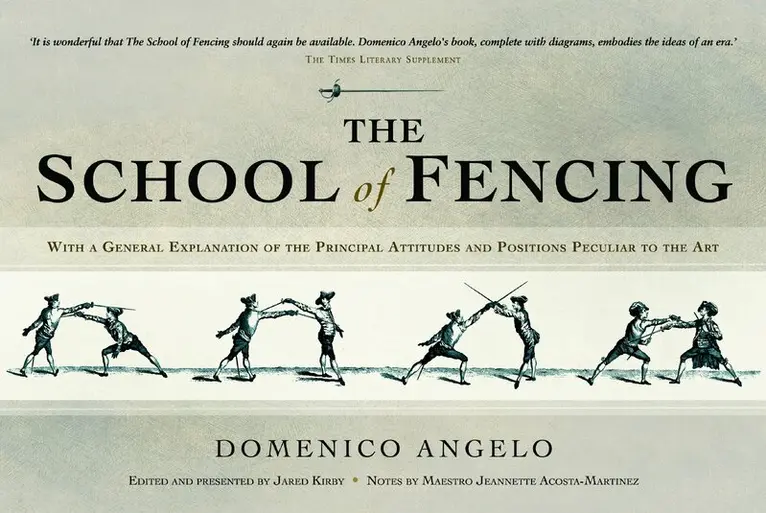
Domenico Angelo's book, complete with diagrams, embodies the ideas of an era. Philip Stafford in The Times Literary SupplementThis is a fascinating read and surprisingly up to date. Every fencer will learn from it . . . Very highly recommended. The SwordIf there is one book on smallsword technique that a person should have in their collection, Angelos treatise is certainly that book. JL Forgeng in Man At Arms magazineDomenico Angelos The School of Fencing was first published in 1763 as LEcole des armes and was one of the most popular and influential treatises of its time. Today, it remains essential reading for any historical swordfighter, student of martial arts, or military historians, giving the reader access to one of the great masters of the art.This modern edition is annotated by Maestro Jeannette Acosta-Martinez, who is currently the foremost expert in the French small sword. Her additions to this edition help clarify Angelos text for the modern reader. This edition also includes an Introduction by the editor, Jared Kirby, which gives a short history of Angelos life.
355 kr
Kommande
My Cue to Fight is the first book of its kind to provide an in-depth examination of how the greatest playwright in the English language employed not only psychological brutality but also physical violence throughout his works. Written ideally for theatrical stage directors, fight directors, intimacy consultants, and actors as a technical scene-by-scene breakdown in staging combat during production of these plays, this publication also is for Shakespeare enthusiasts who want to learn more about the blood, sweat, and viscera hidden just underneath the poetry.A writer utilizes violence, like song or dance, in moments where the story requires more than just words. But addressing how the violence will be staged tends either to be neglected or utterly gratuitous, both of which serve to separate the audience from the story and kill the whole venture.The answer rests in approaching violence the same way we do scenework. The addition of violence, or ballet, or a musical number appears to be an altogether-separate beast from the basic text for an increasing number of actors and directors. Particularly those who think poetry and violence are mutually-exclusive concepts. The plays of William Shakespeare seek to engage audiences with all of the characters’ blood, tears, sweat, and guts. These works are not flowery poems meant to be mumbled in a classroom, or histrionically declaimed in frilly costumes. There is nothing light and fluffy about rape and murder’s rages, or carving someone as a dish fit for the gods, or fighting till from one’s bones one’s flesh be hacked.Making matters more complicated is the ambiguity and sometimes even complete lack of stage directions. Modern texts typically possess clear directions whenever violence is to occur in the action but playscripts were quite different four centuries ago. Such denotations were both rare and inconsistent in Elizabethan and Jacobean printings.Deciding which of the potential events to pursue in production comes down to which actors are involved, how they specifically match up with one another, and what types of violence exist within the vocabulary of the play and the world of any given production, specifically yours. The potential violence we will examine is not appropriate for all productions or scene partners. We’re here to question and inspire rather than provide catch-all solutions. Actors, directors, fight directors, and intimacy consultants must work together to find the most effective way for their production to communicate the playwright’s story to an audience.
328 kr
Skickas
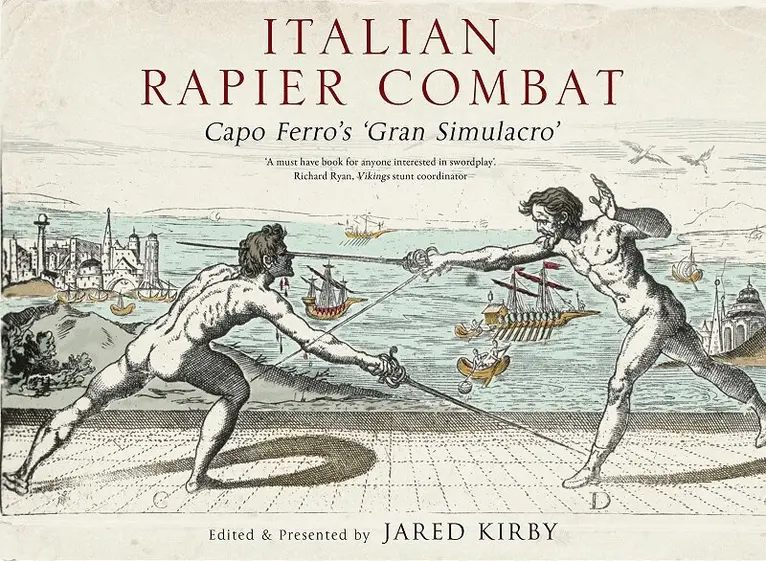
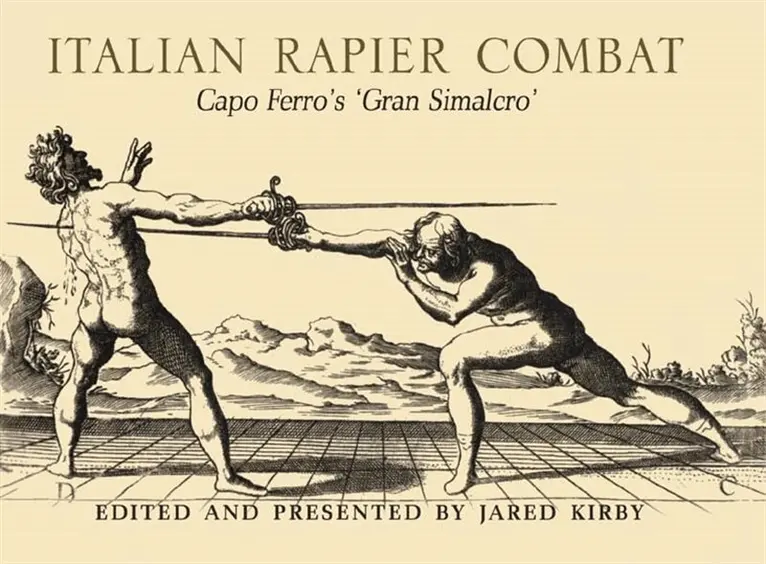
This beautifully-illustrated and detailed book presents one of the world's most influential fencing treatises. Ridolfo Capo Ferro was a legend in his own lifetime and his intricate and exact instructions were copied and emulated throughout a Europe bewitched by his grace and style. The manual, illustrated with striking artwork, gives a very real flavour of the panache of this expert in swordsmanship and mastery of that most lethal of weapons - the rapier.Capo Ferro examines different kinds of swords, their component parts and their suitability, before going on to discuss their actual use. There he expounds his theory as to the timing and direction of thrusts, the essential distances and the need for complete control. He also looks at defensive measures, guards, parries and the importance of quick footwork.Capo Ferro's text is a practical guide to fighting and one which builds on the theory to show exactly how a superior form of swordsmanship could be learned by Europe's elite. His illustrations clearly show the best methods and how a rapier could be lethally effective when used with a dagger or with a cloak. This handsome volume is a vital historical record and is sure to give the modern fencer new insights in technique and a greater appreciation of the history of this exciting sport.