Jason Arday – författare
210 kr
Skickas inom 5-8 vardagar
1 459 kr
Skickas inom 3-6 vardagar
213 kr
Läs direkt efter köp
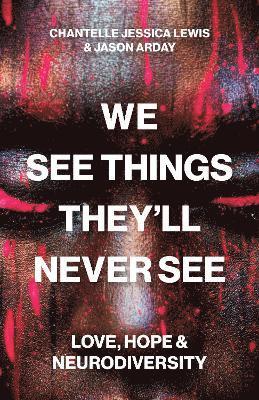
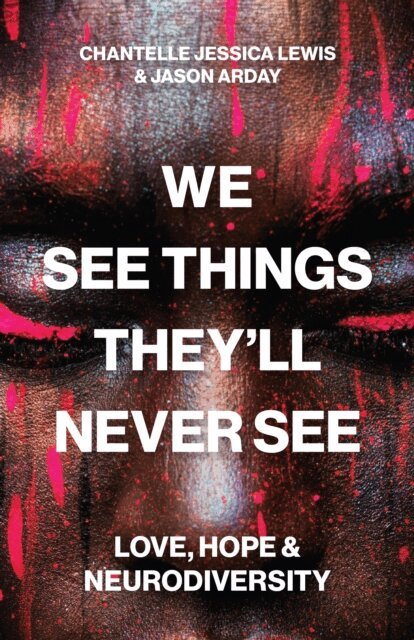
How neurotypical hegemony reproduces a culture of exclusion—and how to overcome this with love, hope, and solidarityAbleism is embedded in our daily lives. Social life, education, work, and, especially, mental health have been organized around rigid ideas of the “ideal” and the “normal” citizen—ideas that always exclude neurodiversity. In this pathbreaking book, Chantelle Jessica Lewis and Jason Arday argue that the neurodiversity movement offers ways to mobilize against not only ableism but also other “isms” including racism and capitalism. By focusing on the prevalence of neurotypical dominance and power—or “neurotypical hegemony”—Lewis and Arday show the ways that neurotypical dominance has often been used to justify and normalize some of our more harmful cultures around productivity and value.Throughout the book, Lewis and Arday use theories of Blackness, feminism, class, and neurodivergence to offer a vision of solidarities across differences. They show that race, class, ethnicity, gender, and nation are just some of the social structures for which the politics of neurodiversity can produce an emancipatory analysis. This is a book about applying social theory in practice, taking seriously how academic research and theory can be used outside of academic spaces. With We See Things They’ll Never See, Lewis and Arday issue a call to action—and a call for understanding, acceptance, and humility.
368 kr
Skickas inom 10-15 vardagar
802 kr
Skickas inom 10-15 vardagar
406 kr
Läs direkt efter köp
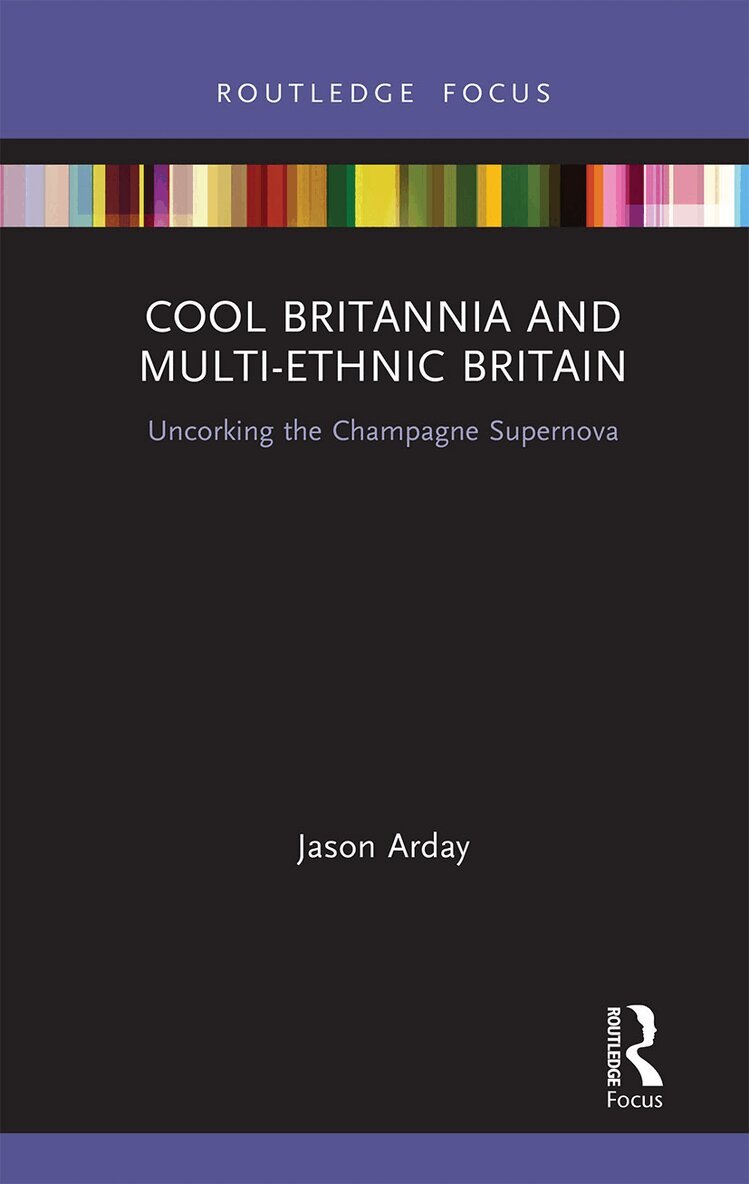
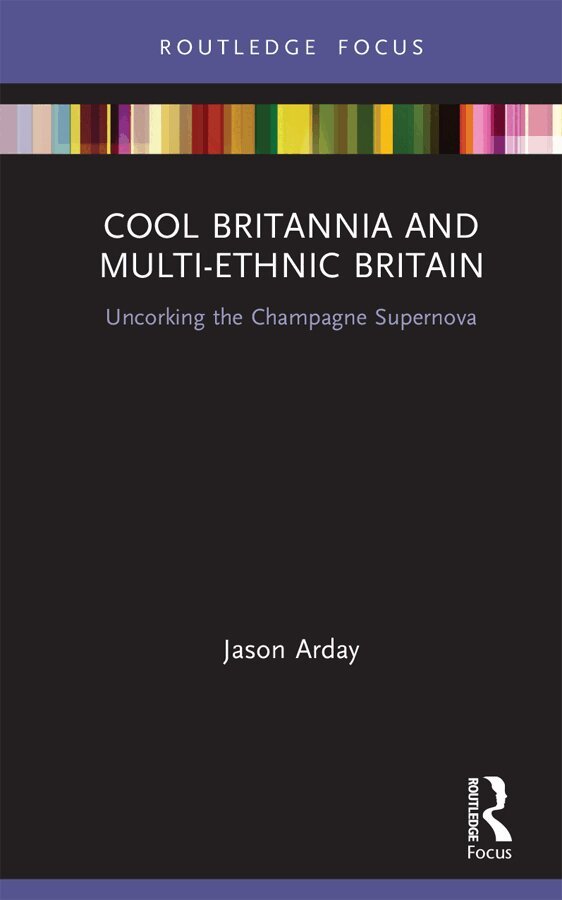
Cool Britannia and Multi-Ethnic Britain: Uncorking the Champagne Supernova attempts to move away from the melancholia of Cool Britannia and the discourse which often encases the period by repositioning this phenomenon through an ethnic minority perspective.
In March 1997, the front page of the magazine Vanity Fair announced ‘London Swings! Again!’ This headline was a direct reference to the swinging London of the 1960s – the English capital which became the era-defining epicentre of the world for its burgeoning rock and pop music scene, with its daring new youth culture, and the boutique fashion houses of Carnaby Street captured most indelibly by the Mods, Rockers, and psychedelic hippies of the time. In the 1990s this renewed interest in the swinging 60s seemed to reinvigorate popular culture, after a global period in the 1980s which would see the collapse of traditional communism and the ending of Cold War, while ushering in the beginnings of a new technological age spearheaded by Apple, Microsoft, and IBM. The dawn of the 1990s meant that peace and love would once again reign supreme, with Britannia being at the forefront of ‘cool’ again. Godfathers of the Mancunian Rock scene New Order would declare ‘Love had the world in motion’ and, for a fleeting period, Britain was about to encounter its second coming as the cultural epicentre of the world.
Although history proffers a period of utopia, inclusion, and cultural integration, the narrative alters considerably when exploring this euphoric period through a discriminatory and racialised lens. This book repositions the ethnic minority–lived experience during the 1990s from the societal and political margins to the centre. The lexicon explored here attempts to provide an altogether different discourse that allows us to reflect on seminal and racially discriminatory episodes during the 1990s that subsequently illuminated the systemic racism sustained by the state. The Cool Britannia years become a metaphoric reference point for presenting a Britain that was culturally splintered in many ways. This book utilises storytelling and auto-ethnography as an instrument to unpack the historical amnesia that ensues when unpacking the racialised plights of the time.
406 kr
Läs direkt efter köp
Cool Britannia and Multi-Ethnic Britain: Uncorking the Champagne Supernova attempts to move away from the melancholia of Cool Britannia and the discourse which often encases the period by repositioning this phenomenon through an ethnic minority perspective.
In March 1997, the front page of the magazine Vanity Fair announced ‘London Swings! Again!’ This headline was a direct reference to the swinging London of the 1960s – the English capital which became the era-defining epicentre of the world for its burgeoning rock and pop music scene, with its daring new youth culture, and the boutique fashion houses of Carnaby Street captured most indelibly by the Mods, Rockers, and psychedelic hippies of the time. In the 1990s this renewed interest in the swinging 60s seemed to reinvigorate popular culture, after a global period in the 1980s which would see the collapse of traditional communism and the ending of Cold War, while ushering in the beginnings of a new technological age spearheaded by Apple, Microsoft, and IBM. The dawn of the 1990s meant that peace and love would once again reign supreme, with Britannia being at the forefront of ‘cool’ again. Godfathers of the Mancunian Rock scene New Order would declare ‘Love had the world in motion’ and, for a fleeting period, Britain was about to encounter its second coming as the cultural epicentre of the world.
Although history proffers a period of utopia, inclusion, and cultural integration, the narrative alters considerably when exploring this euphoric period through a discriminatory and racialised lens. This book repositions the ethnic minority–lived experience during the 1990s from the societal and political margins to the centre. The lexicon explored here attempts to provide an altogether different discourse that allows us to reflect on seminal and racially discriminatory episodes during the 1990s that subsequently illuminated the systemic racism sustained by the state. The Cool Britannia years become a metaphoric reference point for presenting a Britain that was culturally splintered in many ways. This book utilises storytelling and auto-ethnography as an instrument to unpack the historical amnesia that ensues when unpacking the racialised plights of the time.
221 kr
Kommande
184 kr
Kommande
260 kr
Kommande
1 695 kr
Skickas inom 10-15 vardagar
2 070 kr
Läs direkt efter köp
1 695 kr
Skickas inom 10-15 vardagar
437 kr
Skickas inom 5-8 vardagar
816 kr
Läs direkt efter köp
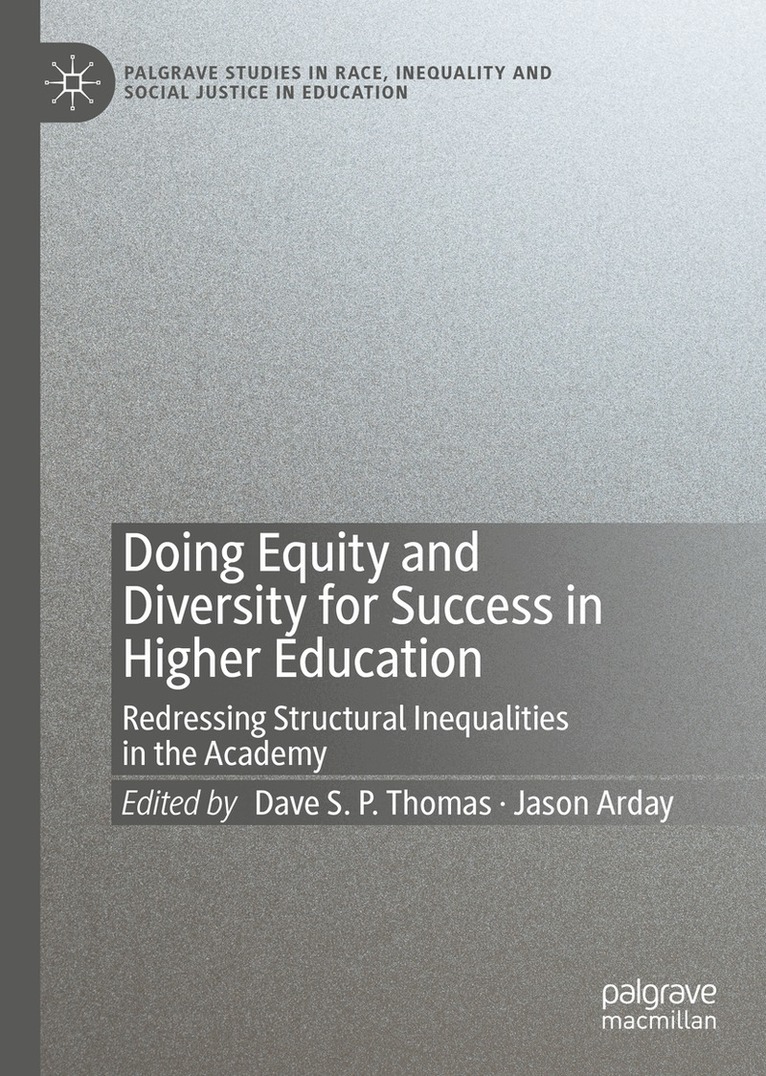
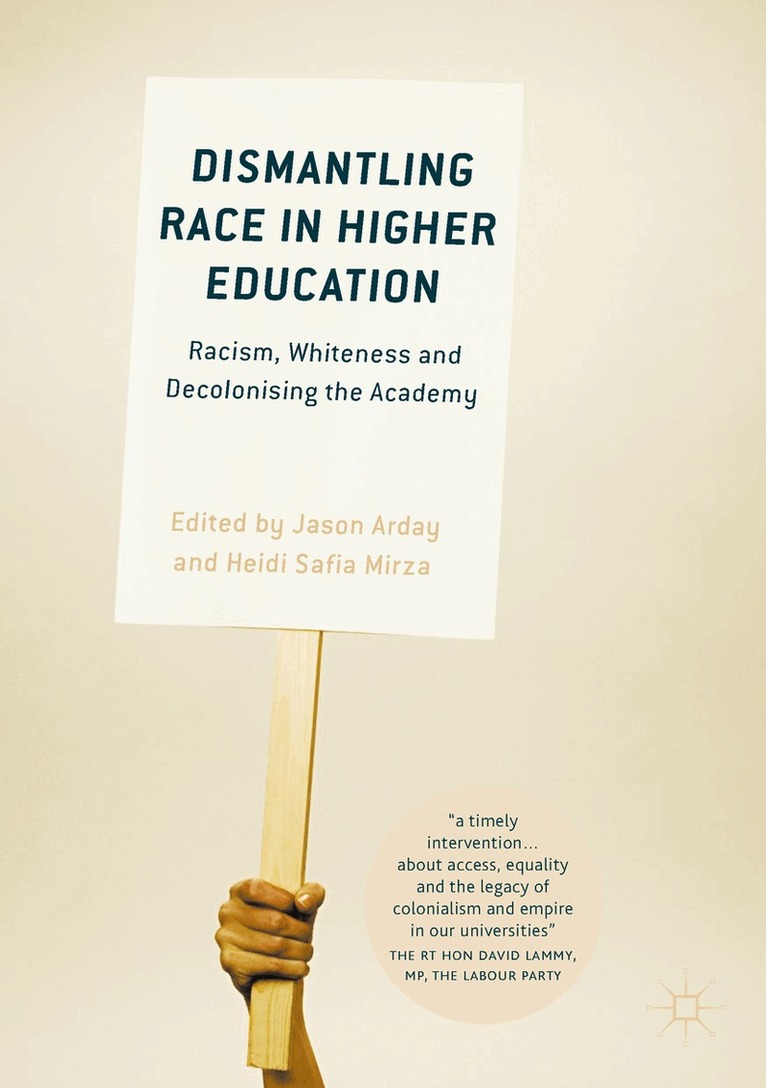
This book reveals the roots of structural racism that limit social mobility and equality within Britain for Black and ethnicised students and academics in its inherently white Higher Education institutions. It brings together both established and emerging scholars in the fields of Race and Education to explore what institutional racism in British Higher Education looks like in colour-blind ''post-race'' times, when racism is deemed to be ‘off the political agenda’. Keeping pace with our rapidly changing global universities, this edited collection asks difficult and challenging questions, including why black academics leave the system; why the curriculum is still white; how elite universities reproduce race privilege; and how Black, Muslim and Gypsy traveller students are disadvantaged and excluded.
The book also discusses why British racial equality legislation has failed to address racism, and explores what the Black student movement is doing about this. As the authors powerfully argue, it is only by dismantling the invisible architecture of post-colonial white privilege that the 21st century struggle for a truly decolonised academy can begin. This collection will be essential reading for students and academics working in the fields of Education, Sociology, and Race.