Jason E. Shelton - Böcker
Visar alla böcker från författaren Jason E. Shelton. Handla med fri frakt och snabb leverans.
4 produkter
4 produkter
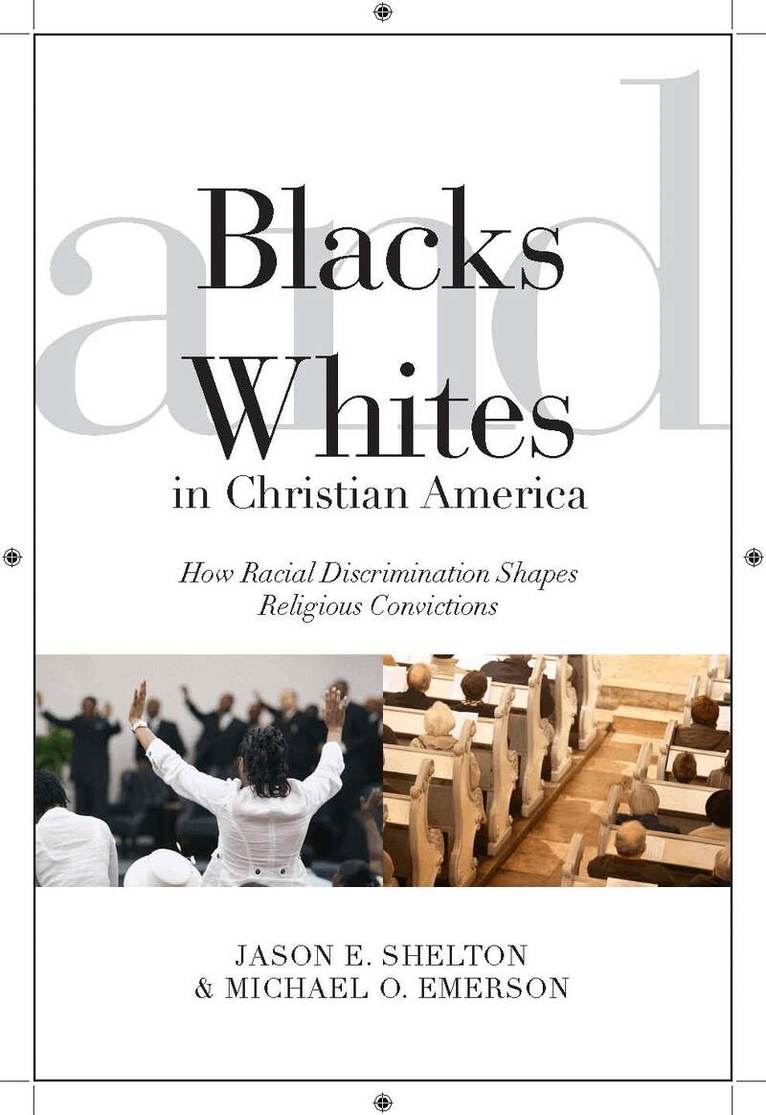
Blacks and Whites in Christian America
How Racial Discrimination Shapes Religious Convictions
Inbunden, Engelska, 2012
954 kr
Skickas inom 10-15 vardagar
2012 Winner of the C. Calvin Smith Award presented by the Southern Conference on African American Studies, Inc. 2014 Honorable Mention for the Distinguished Book Award presented by the American Sociological Association's Sociology of Religion Section Conventional wisdom holds that Christians, as members of a"universal" religion, all believe more or less the same thingswhen it comes to their faith. Yet black and white Christiansdiffer in significant ways, from their frequency of praying orattending services to whether they regularly read the Bible orbelieve in Heaven or Hell. In this engaging and accessible sociological study of whiteand black Christian beliefs, Jason E. Shelton and Michael O.Emerson push beyond establishing that there are racial differencesin belief and practice among members of AmericanProtestantism to explore why those differences exist. Drawingon the most comprehensive and systematic empiricalanalysis of African American religious actions and beliefsto date, they delineate five building blocks of black Protestantfaith which have emerged from the particular dynamicsof American race relations. Shelton and Emerson find thatAmerica's history of racial oppression has had a deep andfundamental effect on the religious beliefs and practices ofblacks and whites across America.
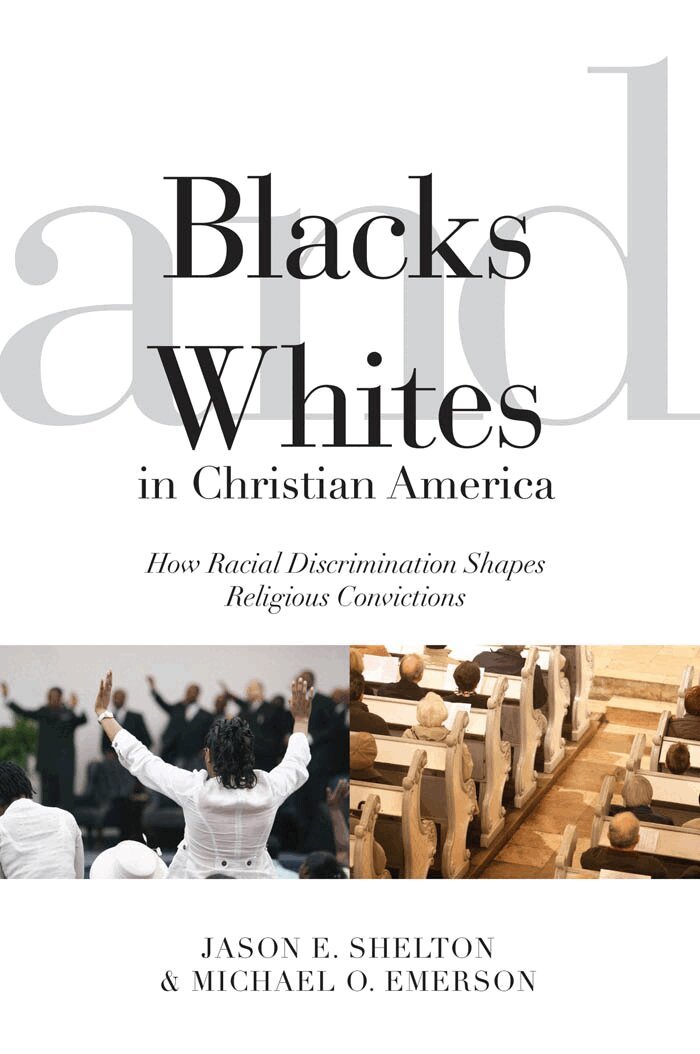
Blacks and Whites in Christian America
How Racial Discrimination Shapes Religious Convictions
Häftad, Engelska, 2012
401 kr
Skickas inom 7-10 vardagar
2012 Winner of the C. Calvin Smith Award presented by the Southern Conference on African American Studies, Inc. 2014 Honorable Mention for the Distinguished Book Award presented by the American Sociological Association's Sociology of Religion Section Conventional wisdom holds that Christians, as members of a"universal" religion, all believe more or less the same thingswhen it comes to their faith. Yet black and white Christiansdiffer in significant ways, from their frequency of praying orattending services to whether they regularly read the Bible orbelieve in Heaven or Hell. In this engaging and accessible sociological study of whiteand black Christian beliefs, Jason E. Shelton and Michael O.Emerson push beyond establishing that there are racial differencesin belief and practice among members of AmericanProtestantism to explore why those differences exist. Drawingon the most comprehensive and systematic empiricalanalysis of African American religious actions and beliefsto date, they delineate five building blocks of black Protestantfaith which have emerged from the particular dynamicsof American race relations. Shelton and Emerson find thatAmerica's history of racial oppression has had a deep andfundamental effect on the religious beliefs and practices ofblacks and whites across America.
340 kr
Skickas inom 10-15 vardagar
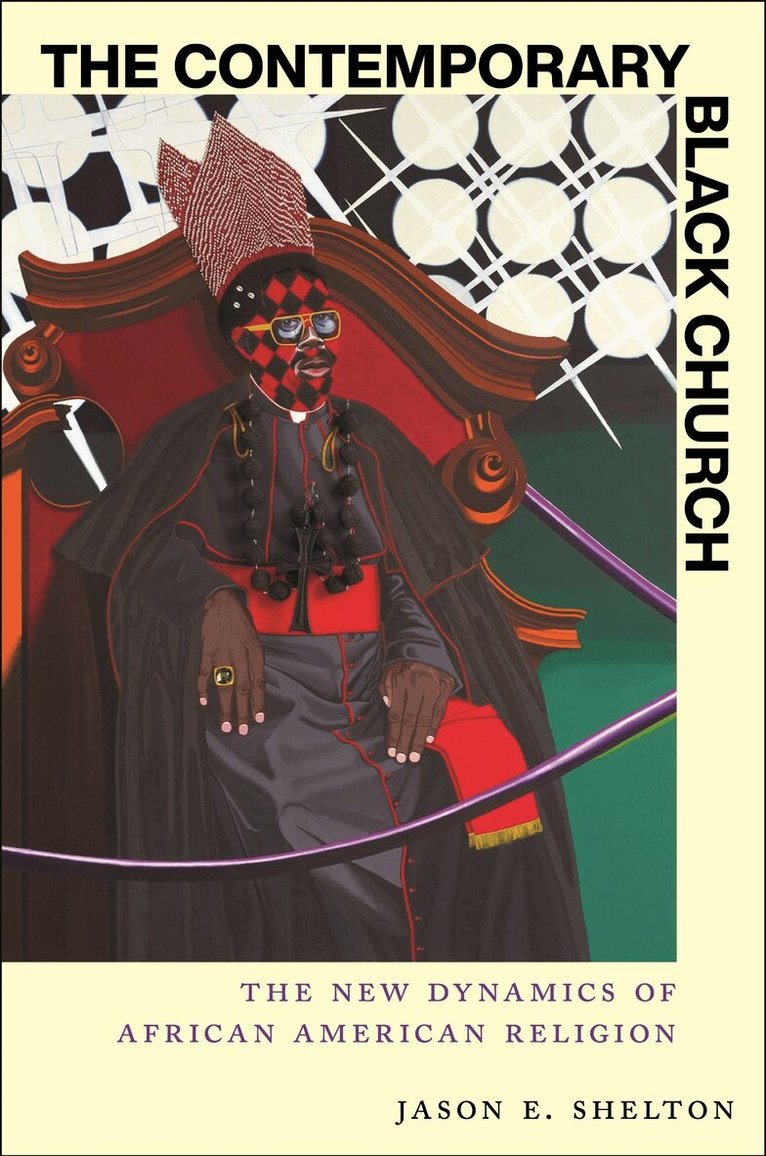
Charts the changing dynamics of religion and spirituality among African AmericansRecent decades have ushered in a profound transformation within the American religious landscape, characterized by an explosion of religious diversification and individualism as well as a rising number of "nones." The Contemporary Black Church makes the case that the story of this changing religious landscape needs to be told incorporating more data as it applies specifically to African Americans.Jason E. Shelton draws from survey data as well as interviews with individuals from a wide variety of religious backgrounds to argue that social reforms and the resulting freedoms have paved the way for a pronounced diversification among African Americans in matters of faith. Many African Americans have switched denominational affiliations within the Black Church, others now adhere to historically White traditions, and a record number of African Americans have left organized religion altogether in recent decades. These changing demographics and affiliations are having a real and measurable effect on American politics, particularly as members of the historic Black Church are much more likely than those of other faiths to vote and to strongly support government policies aimed at bridging the racial divide. Though not the first work to note that African Americans are not monolithic in their religious affiliation, or to argue that there is a trend toward secularism in Black America, this book is the first to substantiate these claims with extensive empirical data, charting these changing dynamics and their ramifications for American society and politics.
196 kr
Kommande
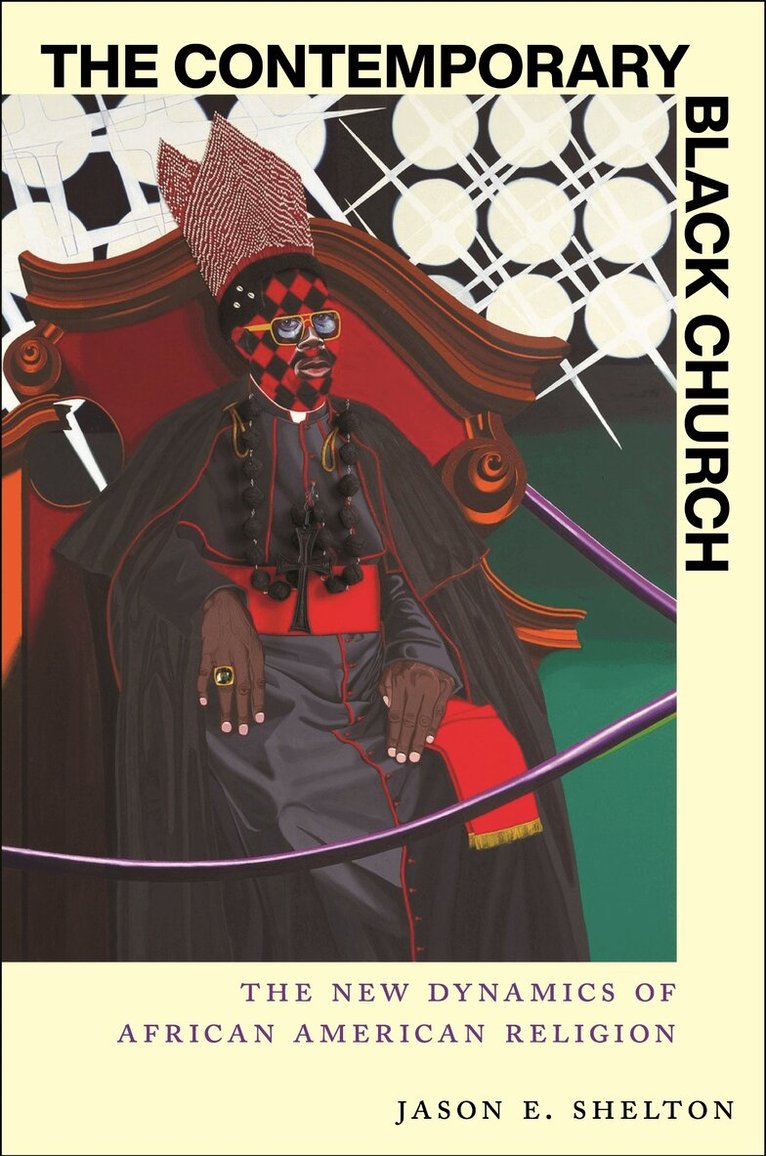
Charts the changing dynamics of religion and spirituality among African AmericansRecent decades have ushered in a profound transformation within the American religious landscape, characterized by an explosion of religious diversification and individualism as well as a rising number of "nones." The Contemporary Black Church makes the case that the story of this changing religious landscape needs to be told incorporating more data as it applies specifically to African Americans.Jason E. Shelton draws from survey data as well as interviews with individuals from a wide variety of religious backgrounds to argue that social reforms and the resulting freedoms have paved the way for a pronounced diversification among African Americans in matters of faith. Many African Americans have switched denominational affiliations within the Black Church, others now adhere to historically White traditions, and a record number of African Americans have left organized religion altogether in recent decades. These changing demographics and affiliations are having a real and measurable effect on American politics, particularly as members of the historic Black Church are much more likely than those of other faiths to vote and to strongly support government policies aimed at bridging the racial divide. Though not the first work to note that African Americans are not monolithic in their religious affiliation, or to argue that there is a trend toward secularism in Black America, this book is the first to substantiate these claims with extensive empirical data, charting these changing dynamics and their ramifications for American society and politics.