Jasper Krommendijk - Böcker
Visar alla böcker från författaren Jasper Krommendijk. Handla med fri frakt och snabb leverans.
3 produkter
3 produkter
1 923 kr
Skickas inom 7-10 vardagar
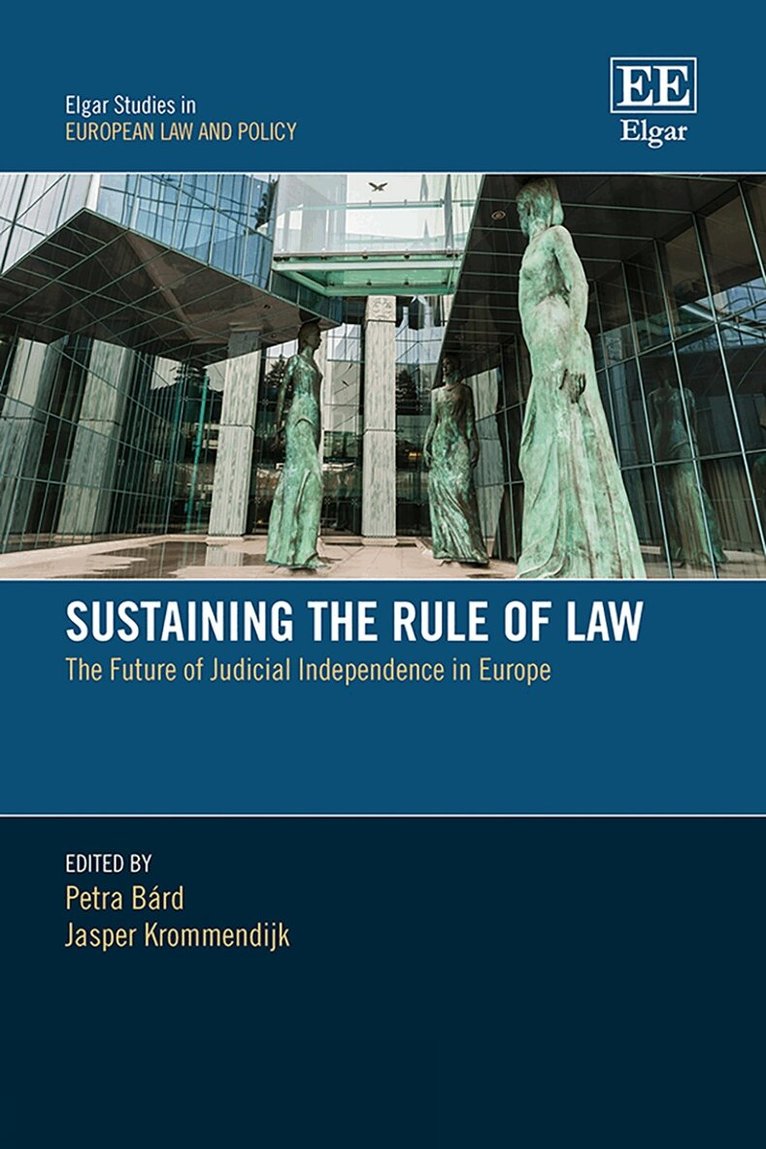
This timely book examines European and national standards and institutions for sustaining judicial independence and upholding the foundational value of the rule of law. It highlights the nuanced and essential role of independent courts in fostering the shared values of the EU against a background of democratic backsliding.Contributors present topical insights into how judicial independence has come under pressure in recent years, in the context of backlash against international courts, the (in)effectiveness of human rights, populism and the retreat of multilateralism. But they not only just document systemic judicial capture and scattered violations of judicial independence, but they also explore effective strategies to sustain and restore the independence of courts. Authors adopt a multidisciplinary approach drawing on legal philosophy as well as sociological, empirical, and political science. They fill a gap in the existing literature by focusing on judicial independence rather than broader concerns about the rule of law.Sustaining the Rule of Law: The Future of Judicial Independence in Europe is an essential resource for scholars and students of constitutional and administrative law, European law, politics, and public policy. It will also be a useful guide for legal practitioners, lawyers who specialize in EU law, and policymakers.
Del 63 - School of Human Rights Research
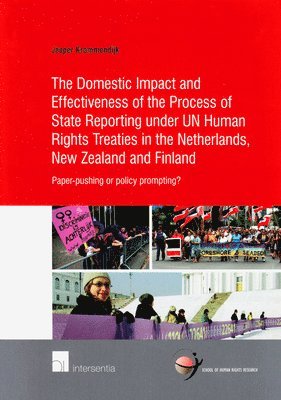
Domestic Impact and Effectiveness of the Process of State Reporting Under Un Human Rights Treaties in the Netherlands, New Zealand and Finland
Paper-Pushing or Policy Prompting?
Häftad, Engelska, 2014
1 009 kr
Tillfälligt slut
The number of international human rights treaties and monitoring mechanisms has grown considerably over the past decades. States are increasingly confronted with criticism as to their domestic human rights record. What is the effect of all these treaties, monitoring and criticism? Do they lead to changes and improvements? This book addresses such questions. More in particular, it investigates the domestic impact and effectiveness of the process of state reporting under the six main UN human rights treaties in the Netherlands, New Zealand and Finland. The focus is on the effectiveness of the recommendations of the treaty bodies and the extent to which policy or legislation is changed as a result of these recommendations. This question has hardly been addressed before. This book fills this empirical gap and provides insights into the factors at both the national and international level which contribute to the effectiveness of the treaty bodies' recommendations. The book is original and thorough in its approach because it is based on an extensive analysis of a wide variety of documents as well as 175 interviews with various domestic human rights stakeholders in the three countries.This includes government officials, NGO representatives, members of parliament, lawyers and judges, representatives from human rights and Ombudsman institutions and academics. The book discusses a large number of concrete examples of effective recommendations of the treaty bodies to illustrate the major conclusions. The book is targeted at both academics as well as human rights practitioners, including government officials, human rights advocates and representatives from NGOs and national human rights institutions. It provides practical insights on how such practitioners can deal with or use the reporting process and the recommendations in their work. This book is also of interest to an interdisciplinary group of scholars studying compliance with international law and human rights. The book particularly includes International Relations and International Law theories on domestic and transnational mobilisation and advocacy as well as legitimacy and persuasion based explanations.
1 496 kr
Skickas inom 7-10 vardagar
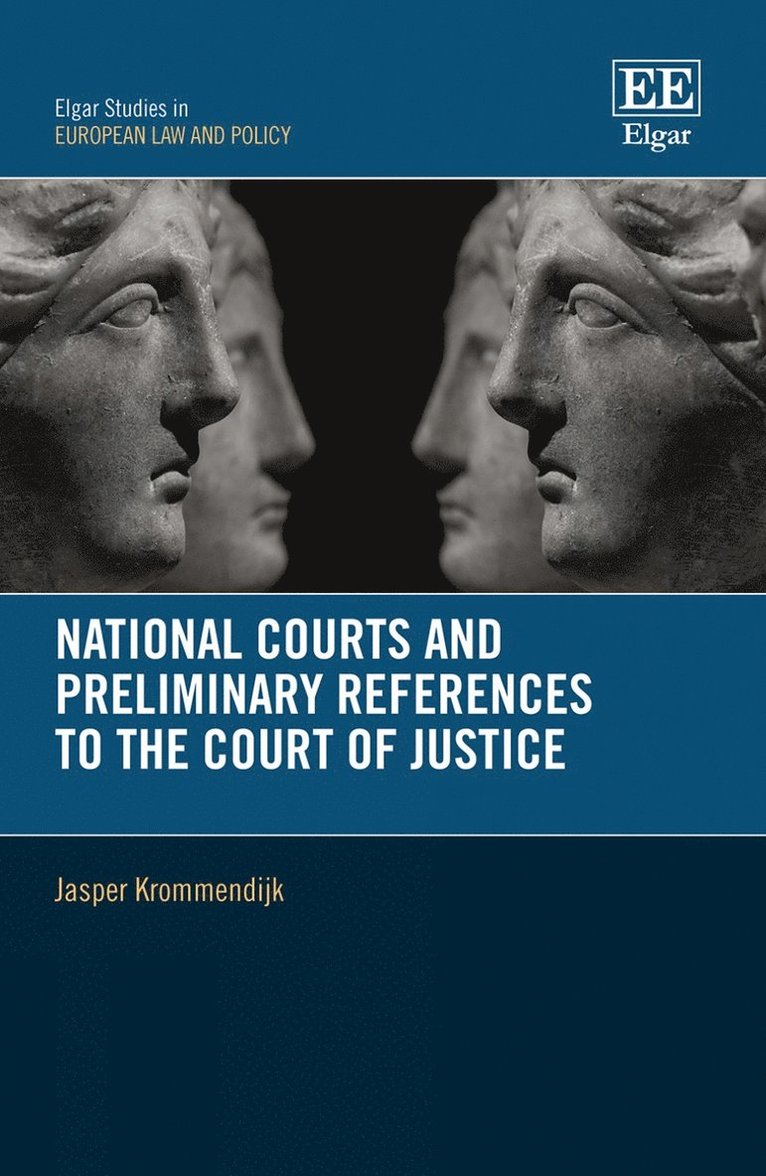
This innovative book examines why national courts refer preliminary references to the European Court of Justice (ECJ), and what the referring court does with the answers. Jasper Krommendijk highlights the three core stages in the interaction between national courts and the ECJ: question, answer and follow-up, shedding new light on this under-explored area. Closing the gap between empirical interview data, and case law analysis, chapters use a unique combination of the two research methods to consider two current, and one former, EU Member States. The book demonstrates that judges extensively use the procedure and follow its outcome almost without exception, despite dissatisfaction and criticism regarding the absence of a true dialogue. By embedding the examples in the book in appropriate theory, this study will provide a useful read for students of EU law, particularly those wanting to better understand its consequences in the national legal order. Its recommendations for good practices in the ECJ and national courts will also be helpful to legal practitioners, judges and legal secretaries.