Jay T. Johnson - Böcker
Visar alla böcker från författaren Jay T. Johnson. Handla med fri frakt och snabb leverans.
3 produkter
3 produkter
305 kr
Kommande
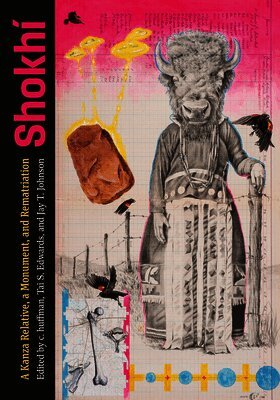
An enduring story of how Kanza people (Kaw Nation citizens) and other collaborators worked together to bring a grandfather rock home, told through essay, poetry, oral history, and art.For almost a century, the city of Lawrence, Kansas displayed a 28-ton red quartzite boulder as a memorial to the town’s founders. However, this boulder, In‘zhÚje‘waxÓbe (EE(n)) ZHOO-jay wah-HO-bay), had a centuries-long relationship with Kanza people (Kaw Nation citizens). In this powerful collection of imagery, analysis, and reflection, Land is telling the story and the contributors explore narratives of place, how a grandfather rock became a monument, and how Kaw Nation citizens reunited with their relative, facilitating In‘zhÚje‘waxÓbe shokhÍbe (return of he/she/it home, to Kanza people/Land).In ShokhÍ, scholars, poets, activists, and artists explore the organizing and collaboration that brought In‘zhÚje‘waxÓbe home to Kaw Nation-owned Allegawaho Memorial Heritage Park in 2024. Indigenous and non-Indigenous contributors chronicle the winding path a group of people took to dismantle a monument, understand intersecting forgotten histories, rematriate a grandfather rock, and confront our ongoing colonial history.
1 205 kr
Skickas inom 10-15 vardagar
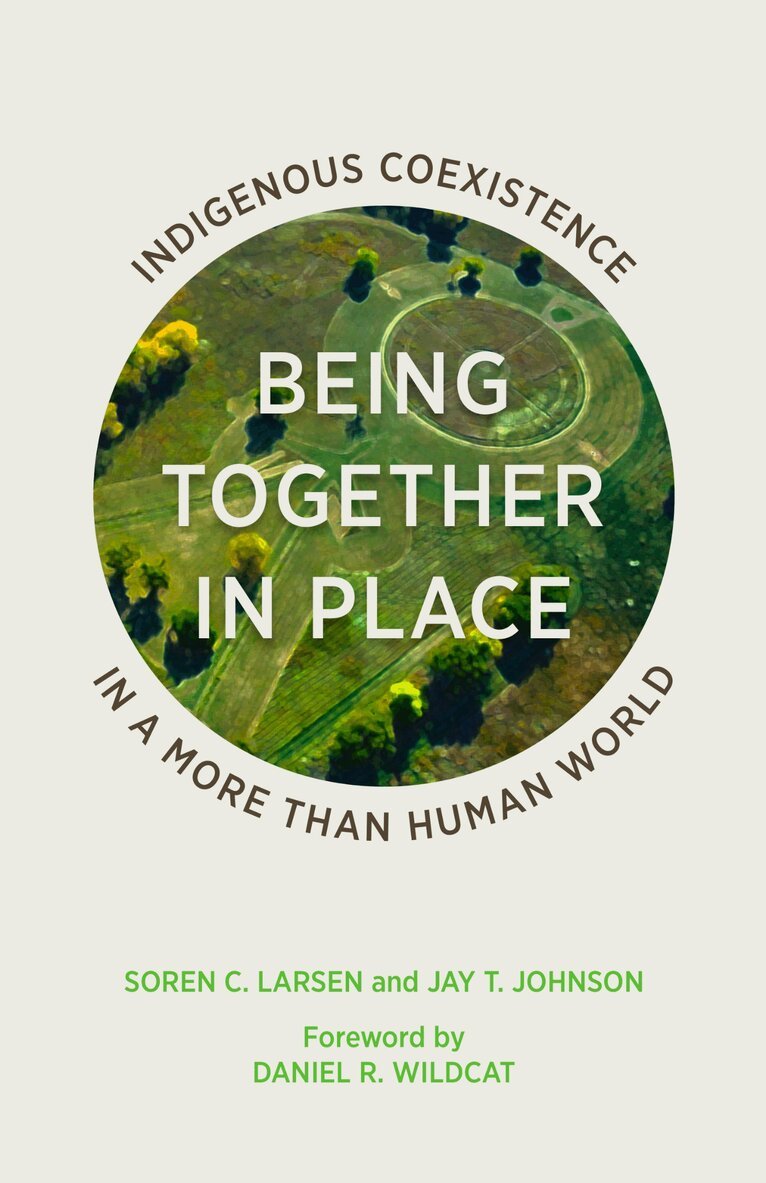
Being Together in Place explores the landscapes that convene Native and non-Native people into sustained and difficult negotiations over their radically different interests and concerns. Grounded in three sites-the Cheslatta-Carrier traditional territory in British Columbia; the Wakarusa Wetlands in northeastern Kansas; and the Waitangi Treaty Grounds in Aotearoa/New Zealand-this book highlights the challenging, tentative, and provisional work of coexistence around such contested spaces as wetlands, treaty grounds, fishing spots, recreation areas, cemeteries, heritage trails, and traditional village sites. At these sites, activists learn how to articulate and defend their intrinsic and life-supportive ways of being, particularly to those who are intent on damaging or destroying these places. Using ethnographic research and a geographic perspective, Soren C. Larsen and Jay T. Johnson show how the communities in these regions challenge the power relations that structure the ongoing (post)colonial encounter in liberal democratic settler-states. Emerging from their conversations with activists was a distinctive sense that the places for which they cared had agency, a callthat pulled them into dialogue, relationships, and action with human and nonhuman others. This being-together-in-place, they find, speaks in a powerful way to the vitalities of coexistence: where humans and nonhumans are working to decolonize their relationships; where reciprocal guardianship is being stitched back together in new and unanticipated ways; and where a new kind of place thinkingis emerging on the borders of colonial power.
292 kr
Skickas inom 7-10 vardagar
Being Together in Place explores the landscapes that convene Native and non-Native people into sustained and difficult negotiations over their radically different interests and concerns. Grounded in three sites-the Cheslatta-Carrier traditional territory in British Columbia; the Wakarusa Wetlands in northeastern Kansas; and the Waitangi Treaty Grounds in Aotearoa/New Zealand-this book highlights the challenging, tentative, and provisional work of coexistence around such contested spaces as wetlands, treaty grounds, fishing spots, recreation areas, cemeteries, heritage trails, and traditional village sites. At these sites, activists learn how to articulate and defend their intrinsic and life-supportive ways of being, particularly to those who are intent on damaging or destroying these places. Using ethnographic research and a geographic perspective, Soren C. Larsen and Jay T. Johnson show how the communities in these regions challenge the power relations that structure the ongoing (post)colonial encounter in liberal democratic settler-states. Emerging from their conversations with activists was a distinctive sense that the places for which they cared had agency, a callthat pulled them into dialogue, relationships, and action with human and nonhuman others. This being-together-in-place, they find, speaks in a powerful way to the vitalities of coexistence: where humans and nonhumans are working to decolonize their relationships; where reciprocal guardianship is being stitched back together in new and unanticipated ways; and where a new kind of place thinkingis emerging on the borders of colonial power.