Jeanett Castellanos - Böcker
Visar alla böcker från författaren Jeanett Castellanos. Handla med fri frakt och snabb leverans.
4 produkter
4 produkter
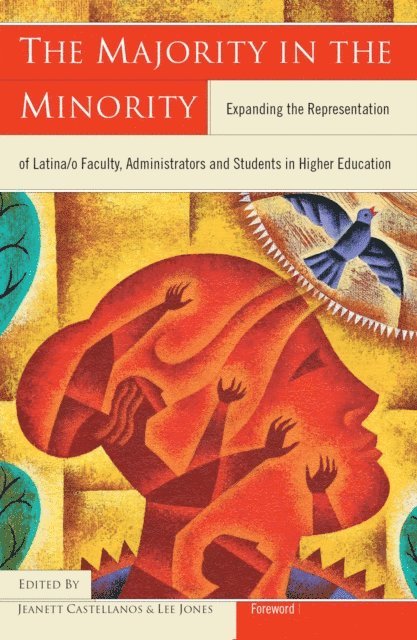
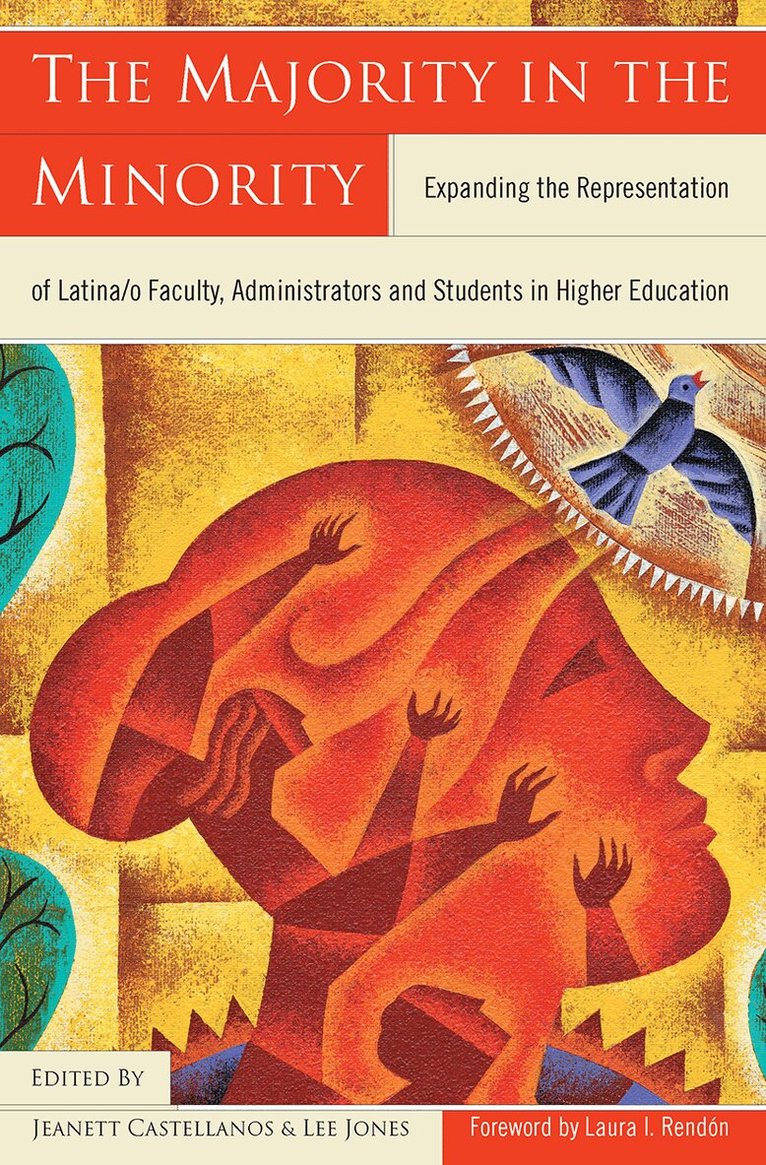
Majority in the Minority
Expanding the Representation of Latina/o Faculty, Administrators and Students in Higher Education
Häftad, Engelska, 2003
413 kr
Skickas inom 10-15 vardagar
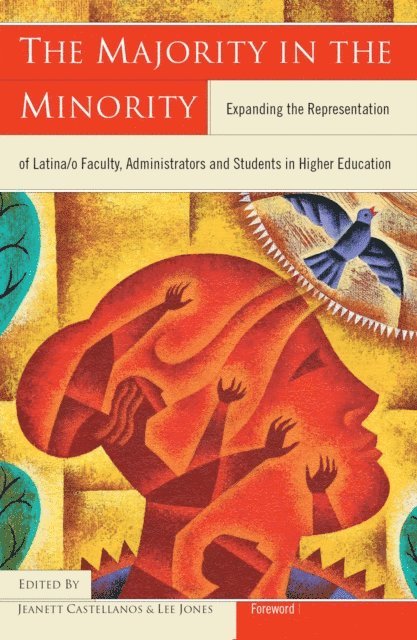
"As a volume destined to be employed by researchers, practitioners and policy makers, "The Majority in the Minority" appears at the right time in our nation’s demographic history. It connects us to the triumphs an tragedies of our Latino collective pasts and leads us to a more hopeful scenario for the future." -- from the Foreword by Laura RendónLatinas/os are the largest ethnic minority group in the U.S. They are propelling minority communities to majority status in states as disparate as California, Florida, New Jersey, New York and Texas.Their growth in the population at large is not reflected in higher education. In fact Latinos are the least represented population in our colleges and universities, whether as administrators, faculty or students; and as students have one of the highest levels of attrition.Opening access to Latinas/os, assuring their persistence as students in higher education, and their increased presence in college faculty and governance, is of paramount importance if they are to make essential economic gains and fully to participate in and contribute to American society.In this ground-breaking book, twenty-four Latina/o scholars provide an historical background; review issues of student access and achievement, and lessons learned; and present the problems of status and barriers faced by administrators and faculty. The book also includes narratives by graduate students, administrators and faculty that complement the essays and vividly bring these issues to life.This is a book that should be read by policy makers, college administrators, student affairs personnel and faculty concerned about shaping the future of higher education--and constitutes an invaluable resource for all leaders of the Latino community.
400 kr
Skickas inom 10-15 vardagar
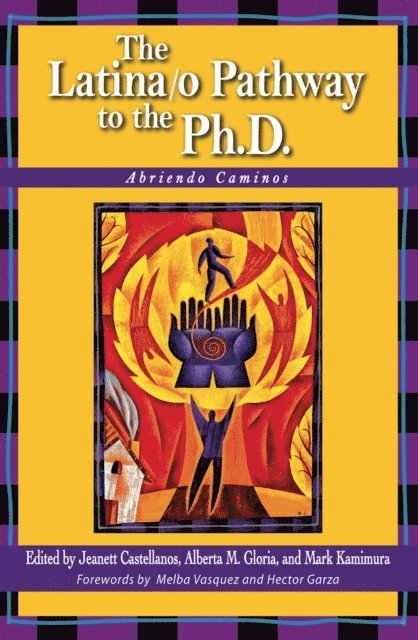
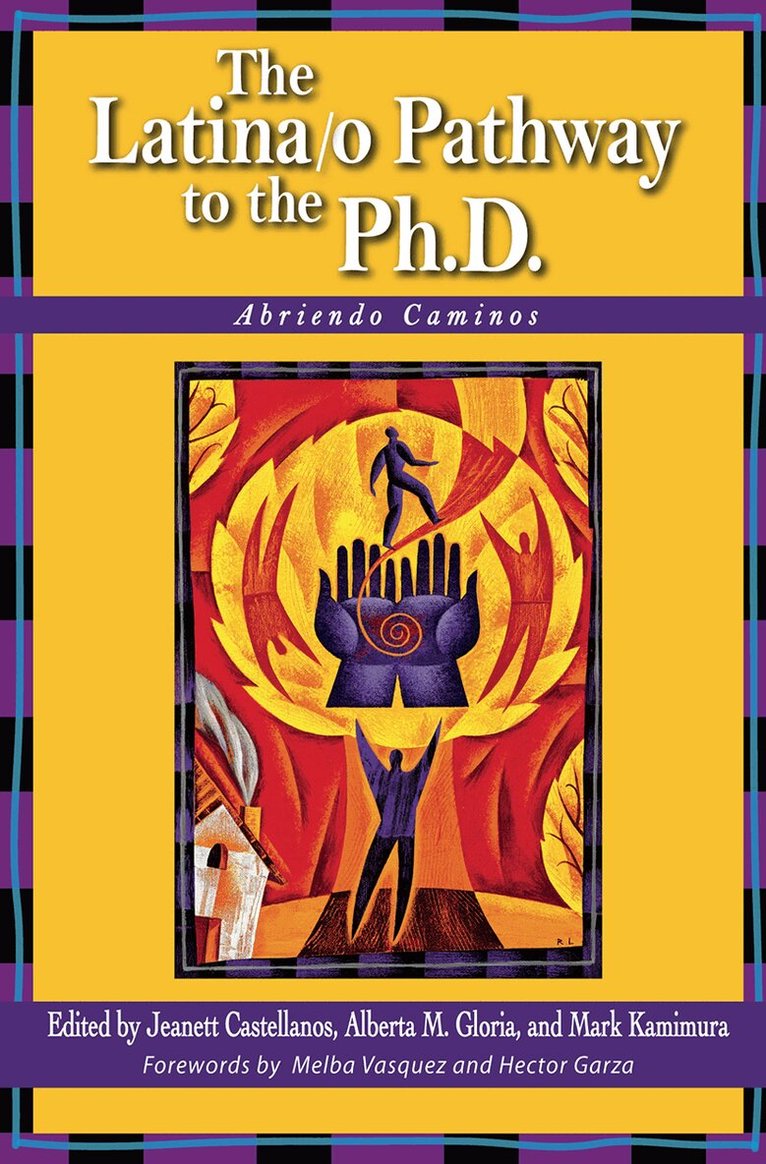
The Latina/o population constitutes the largest racial and ethnic minority group in the U.S. and is disproportionately under-represented in college and in graduate programs. This is the first book specifically to engage with the absence of Latinas/os in doctoral studies. It proposes educational and administrative strategies to open up the pipeline, and institutional practices to ensure access, support, models and training for Latinas/os aspiring to the Ph.D. The under-education of Latina/o youth begins early. Given that by twelfth grade half will stop out or be pushed out of high school, and only seven percent will complete a college degree, it is not surprising so few enter graduate studies. When Latina/o students do enter higher education, few attend those colleges or universities that are gateways to graduate degrees. Regardless of the type of higher education institution they attend, Latinas/os often encounter social and academic isolation, unaffordable costs, and lack of support.This historic under-representation has created a vicious cycle of limited social and economic mobility. There is a paucity of the Latina/o faculty and leaders whom research shows are essential for changing campus climate and influencing institutions to adapt to the needs of a changing student body. As a result, Latina/o graduate students often have few role models, advocates or mentors, and limited support for their research agendas.By reviewing the pipeline from kindergarten through university, this book provides the needed data and insights to effect change for policy makers, administrators, faculty, and staff; and material for reflection for aspiring Latina/o Ph.D.s on the paths they have taken and the road ahead.The book then addresses the unique experiences and challenges faced by Latina/os in doctoral programs, and offers guidance for students and those responsible for them. Chapters cover issues of gender and generational differences, the role of culture in the graduate school, mentorship, pursuing research, and professional development opportunities for Latina/os.The book closes with the voices of by Latina/o students who are currently pursuing or recently completed their doctoral degree. These narratives describe their cultural and educational journeys, providing insight into their personal and professional experiences. These stories bring alive the graduate experience for anyone interested in successful recruitment, retention, and graduation of Latina/o doctoral students – an inspiration and guidance to those aspiring to the doctorate.
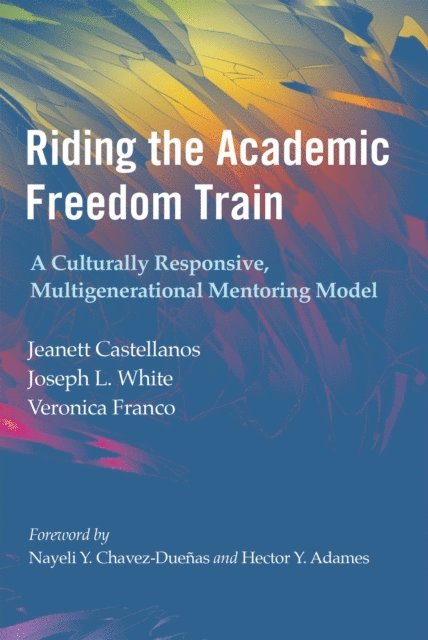
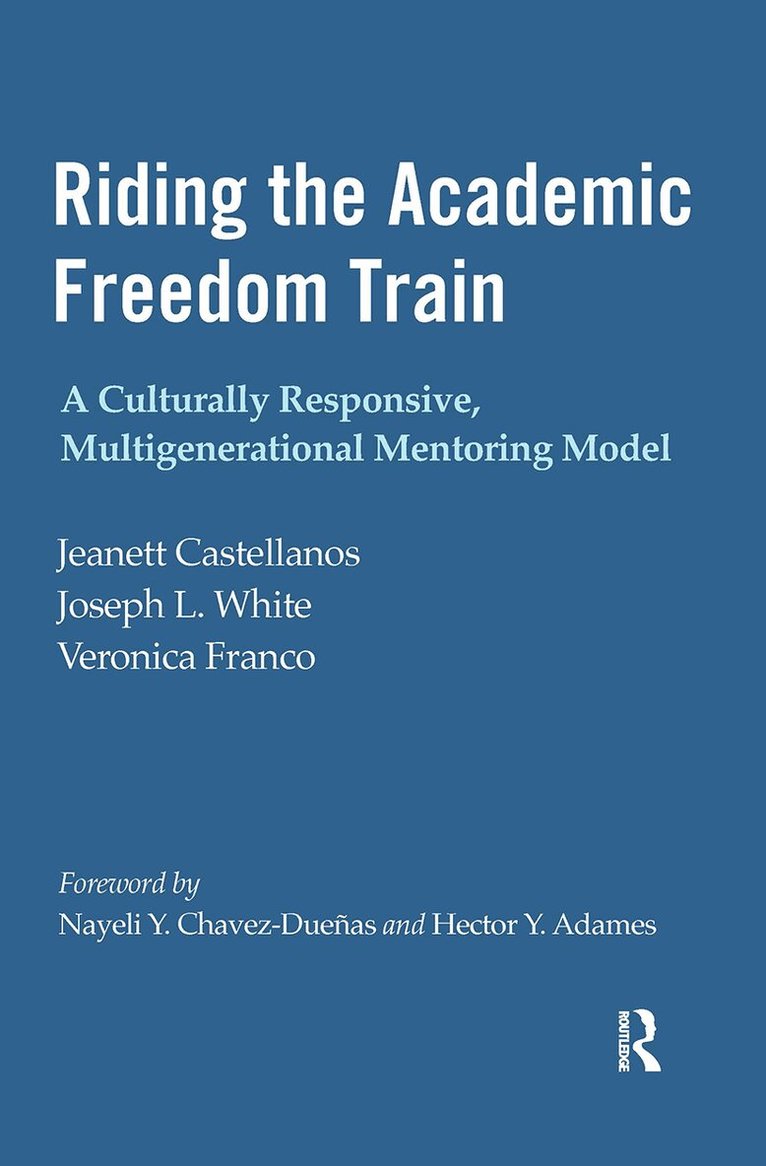
Riding the Academic Freedom Train
A Culturally Responsive, Multigenerational Mentoring Model
Inbunden, Engelska, 2022
2 037 kr
Skickas inom 10-15 vardagar
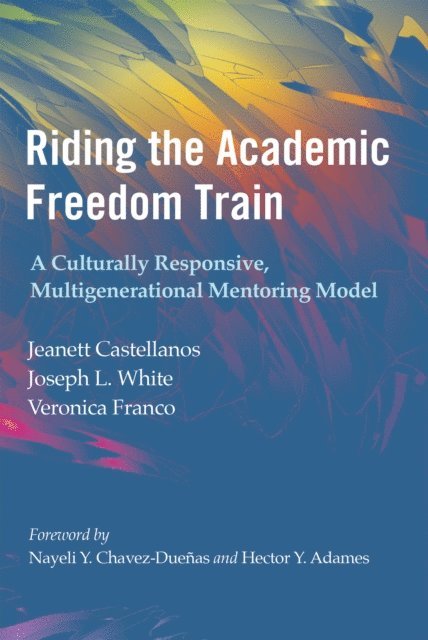
Mentoring demonstrably increases the retention of undergraduate and graduate students and is moreover invaluable in shaping and nurturing academic careers. With the increasing diversification of the student body and of faculty ranks, there’s a clear need for culturally responsive mentoring across these dimensions.Recognizing the low priority that academia has generally given to extending the practice of mentoring – let alone providing mentoring for Black, indigenous, and people of color (BIPOC) and first generation students – this book offers a proven and holistic model of mentoring practice, developed in the field of psychology, that not only helps mentees navigate their studies and the academy but provides them with an understanding of the systemic and racist barriers they will encounter, validates their cultural roots and contributions, and attends to their personal development.Further recognizing the demands that mentoring places on already busy faculty, the model addresses ways of distributing the work, inviting White and BIPOC faculty to participate, developing mentees’ capacities to mentor those that follow them, building a network of mentoring across generations, and adopting group mentoring. Intentionally planned and implemented, the model becomes self-perpetuating, building an intergenerational cadre of mentors who can meet the growing and continuing needs of the BIPOC community.Opening with a review of the salient research on effective mentoring, and chapters that offer minority students’ views on what has worked for them, as well as reflections by faculty mentors, the core of the book describes the Freedom Train model developed by the godfather of Black psychology, Dr. Joseph White, setting out the principles and processes that inform the Multiracial / Multiethnic / Multicultural (M3) Mentoring Model that evolved from it, and offers an example of group mentoring.While addressed principally to faculty interested in undertaking mentoring, and supporting minoritized students and faculty, the book also addresses Deans and Chairs and how they can create Freedom Train communities and networks by changing the cultural climate of their institutions, providing support, and modifying faculty evaluations and rewards that will in turn contribute to student retention as well as creative and productive scholarship and research.This is a timely and inspiring book for anyone in the academy concerned with the success of BIPOC students and invigorating their department’s or school’s scholarship.
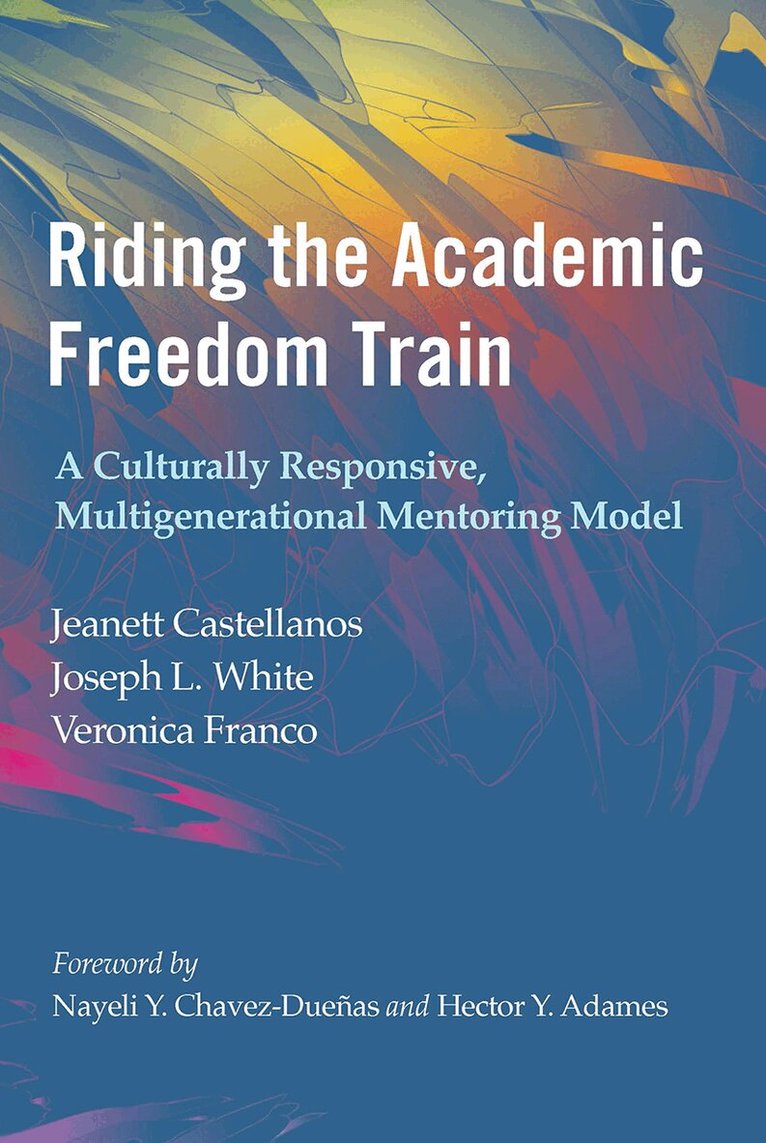
Riding the Academic Freedom Train
A Culturally Responsive, Multigenerational Mentoring Model
Häftad, Engelska, 2022
518 kr
Skickas inom 10-15 vardagar
Mentoring demonstrably increases the retention of undergraduate and graduate students and is moreover invaluable in shaping and nurturing academic careers. With the increasing diversification of the student body and of faculty ranks, there’s a clear need for culturally responsive mentoring across these dimensions.Recognizing the low priority that academia has generally given to extending the practice of mentoring – let alone providing mentoring for Black, indigenous, and people of color (BIPOC) and first generation students – this book offers a proven and holistic model of mentoring practice, developed in the field of psychology, that not only helps mentees navigate their studies and the academy but provides them with an understanding of the systemic and racist barriers they will encounter, validates their cultural roots and contributions, and attends to their personal development.Further recognizing the demands that mentoring places on already busy faculty, the model addresses ways of distributing the work, inviting White and BIPOC faculty to participate, developing mentees’ capacities to mentor those that follow them, building a network of mentoring across generations, and adopting group mentoring. Intentionally planned and implemented, the model becomes self-perpetuating, building an intergenerational cadre of mentors who can meet the growing and continuing needs of the BIPOC community.Opening with a review of the salient research on effective mentoring, and chapters that offer minority students’ views on what has worked for them, as well as reflections by faculty mentors, the core of the book describes the Freedom Train model developed by the godfather of Black psychology, Dr. Joseph White, setting out the principles and processes that inform the Multiracial / Multiethnic / Multicultural (M3) Mentoring Model that evolved from it, and offers an example of group mentoring.While addressed principally to faculty interested in undertaking mentoring, and supporting minoritized students and faculty, the book also addresses Deans and Chairs and how they can create Freedom Train communities and networks by changing the cultural climate of their institutions, providing support, and modifying faculty evaluations and rewards that will in turn contribute to student retention as well as creative and productive scholarship and research.This is a timely and inspiring book for anyone in the academy concerned with the success of BIPOC students and invigorating their department’s or school’s scholarship.