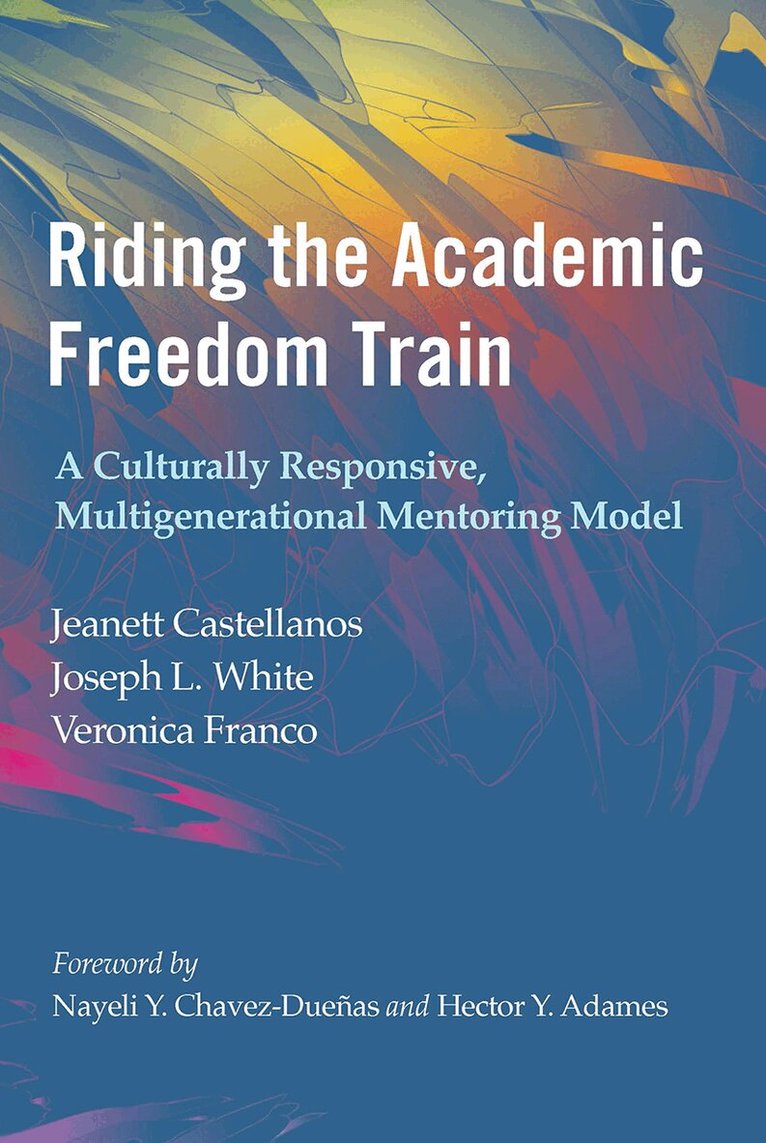
Häftad, Engelska, 2022
Riding the Academic Freedom Train
Av Jeanett Castellanos, Joseph L. White, Veronica Franco
585 kr
Beställningsvara. Skickas inom 10-15 vardagar. Fri frakt över 249 kr.
Beskrivning
Mentoring demonstrably increases the retention of undergraduate and graduate students and is moreover invaluable in shaping and nurturing academic careers. With the increasing diversification of the student body and of faculty ranks, there’s a clear need for culturally responsive mentoring across these dimensions.Recognizing the low priority that academia has generally given to extending the practice of mentoring – let alone providing mentoring for Black, indigenous, and people of color (BIPOC) and first generation students – this book offers a proven and holistic model of mentoring practice, developed in the field of psychology, that not only helps mentees navigate their studies and the academy but provides them with an understanding of the systemic and racist barriers they will encounter, validates their cultural roots and contributions, and attends to their personal development.Further recognizing the demands that mentoring places on already busy faculty, the model addresses ways of distributing the work, inviting White and BIPOC faculty to participate, developing mentees’ capacities to mentor those that follow them, building a network of mentoring across generations, and adopting group mentoring. Intentionally planned and implemented, the model becomes self-perpetuating, building an intergenerational cadre of mentors who can meet the growing and continuing needs of the BIPOC community.Opening with a review of the salient research on effective mentoring, and chapters that offer minority students’ views on what has worked for them, as well as reflections by faculty mentors, the core of the book describes the Freedom Train model developed by the godfather of Black psychology, Dr. Joseph White, setting out the principles and processes that inform the Multiracial / Multiethnic / Multicultural (M3) Mentoring Model that evolved from it, and offers an example of group mentoring.While addressed principally to faculty interested in undertaking mentoring, and supporting minoritized students and faculty, the book also addresses Deans and Chairs and how they can create Freedom Train communities and networks by changing the cultural climate of their institutions, providing support, and modifying faculty evaluations and rewards that will in turn contribute to student retention as well as creative and productive scholarship and research.This is a timely and inspiring book for anyone in the academy concerned with the success of BIPOC students and invigorating their department’s or school’s scholarship.
Produktinformation
- Utgivningsdatum: 2022-06-21
- Mått: 152 x 229 x 23 mm
- Vikt: 530 g
- Format: Häftad
- Språk: Engelska
- Antal sidor: 406
- Förlag: Taylor & Francis Inc
- ISBN: 9781642673531
Utforska kategorier
Betyg & recensioner
0 recensioner
Inga recensioner tillgängliga.