Veronica Franco – författare
Visar alla böcker från författaren Veronica Franco. Handla med fri frakt och snabb leverans.
19 produkter
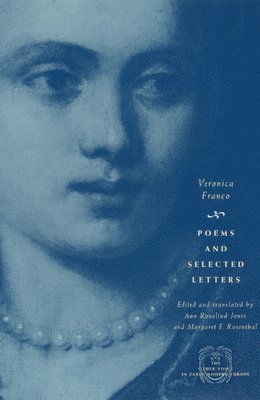
Poems and Selected Letters
Häftad, 1999
366 kr
Lägg i varukorg
Veronica Franco was a 16th-century Venetian beauty, poet, and protofeminist. This collection presents the eroticism and eloquence that set her apart from the chaste, silent woman prescribed by Renaissance gender ideology. As an "honored courtesan", Franco made her living by arranging to have sexual …
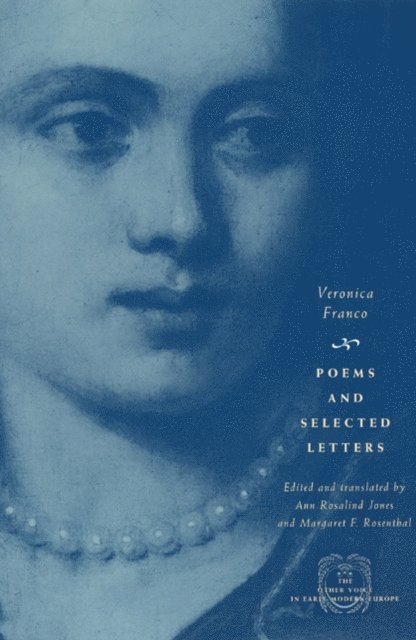
Poems and Selected Letters
E-bok, 2007
604 kr
Lägg i varukorg
Veronica Franco (whose life is featured in the motion picture Dangerous Beauty ) was a sixteenth-century Venetian beauty, poet, and protofeminist. This collection captures the frank eroticism and impressive eloquence that set her apart from the chaste, silent woman prescribed by Renaissance gender …
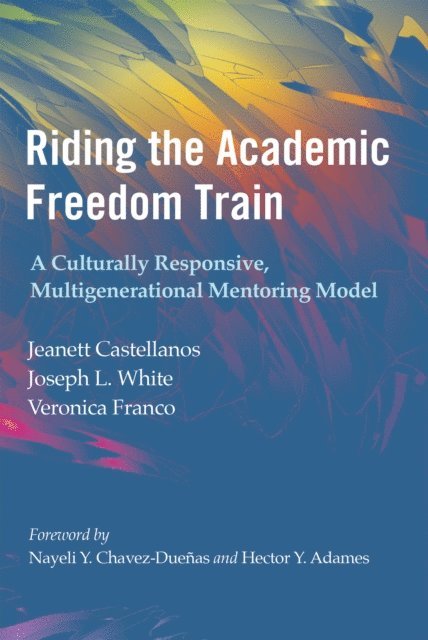
Riding the Academic Freedom Train
A Culturally Responsive, Multigenerational Mentoring Model
Av Veronica Franco, Joseph L. White m. fl.
E-bok, 2023
690 kr
Lägg i varukorg
Mentoring demonstrably increases the retention of undergraduate and graduate students and is moreover invaluable in shaping and nurturing academic careers. With the increasing diversification of the student body and of faculty ranks, there’s a clear need for culturally responsive mentoring across …
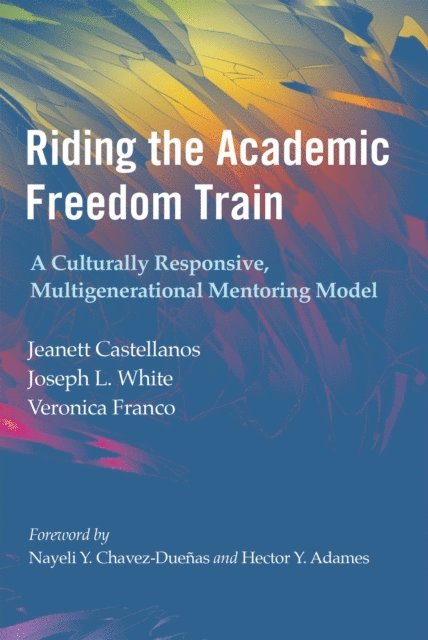
Riding the Academic Freedom Train
A Culturally Responsive, Multigenerational Mentoring Model
Av Veronica Franco, Joseph L. White m. fl.
E-bok, 2023
690 kr
Lägg i varukorg
Mentoring demonstrably increases the retention of undergraduate and graduate students and is moreover invaluable in shaping and nurturing academic careers. With the increasing diversification of the student body and of faculty ranks, there’s a clear need for culturally responsive mentoring across …
"Terze rime" e sonetti. Prima ristampa con pref. e bibliografia a cura di Gilberto Beccari
Inbunden, 2022
401 kr
Lägg i varukorg
"Terze rime" e sonetti. Prima ristampa con pref. e bibliografia a cura di Gilberto Beccari
Häftad, 2022
223 kr
Lägg i varukorg
Rime
[di] Gaspara Stampa [e] Veronica Franco. A cura di Abdelkader Salza
Av Abd-El-Kader Salza, Gaspara Stampa m. fl.
Inbunden, 2023
508 kr
Lägg i varukorg
Rime
[di] Gaspara Stampa [e] Veronica Franco. A cura di Abdelkader Salza
Av Abd-El-Kader Salza, Gaspara Stampa m. fl.
Häftad, 2023
361 kr
Lägg i varukorg
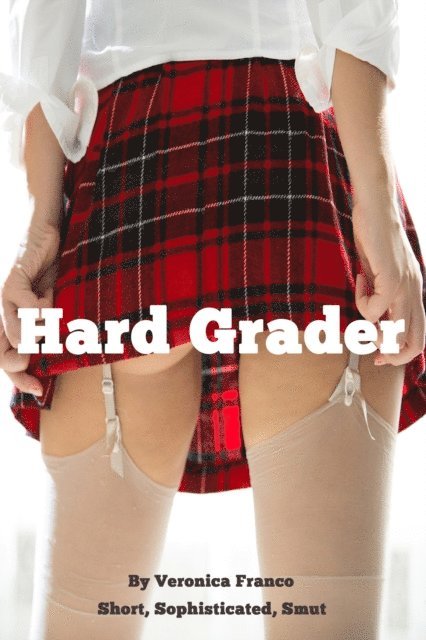
Hard Grader
E-bok, 2017
10 kr
Lägg i varukorg
"e;It was the blouse that did it. Starched white, too tight, the buttons straining against breasts too large and too heavy for her age. He wasn't quite sure how old she was, but she was legal, that he knew, and she was alone with him in the classroom. It was now or never, before he lost his …
Riding the Academic Freedom Train
A Culturally Responsive, Multigenerational Mentoring Model
Av Jeanett Castellanos, Joseph L. White m. fl.
Inbunden, 2022
2449 kr
Lägg i varukorg
Mentoring demonstrably increases the retention of undergraduate and graduate students and is moreover invaluable in shaping and nurturing academic careers. With the increasing diversification of the student body and of faculty ranks, there’s a clear need for culturally responsive mentoring across …
Riding the Academic Freedom Train
A Culturally Responsive, Multigenerational Mentoring Model
Av Jeanett Castellanos, Joseph L. White m. fl.
Häftad, 2022
589 kr
Lägg i varukorg
Mentoring demonstrably increases the retention of undergraduate and graduate students and is moreover invaluable in shaping and nurturing academic careers. With the increasing diversification of the student body and of faculty ranks, there’s a clear need for culturally responsive mentoring across …
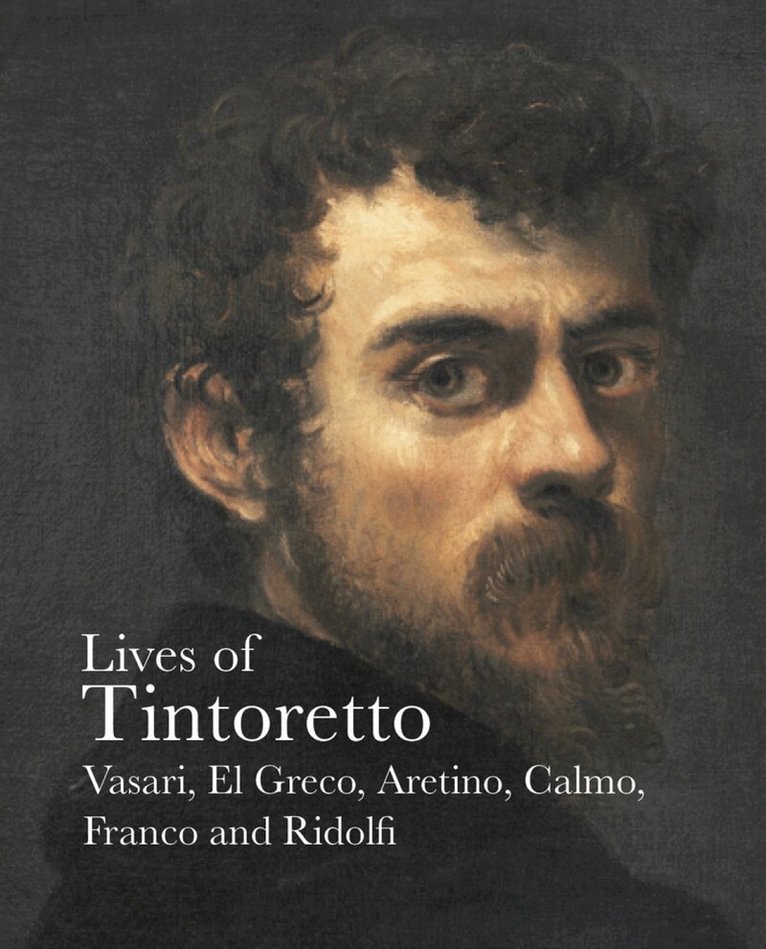
Lives of Tintoretto
Av Giorgio Vasari, Pietro Aretino m. fl.
Häftad, 2019
195 kr
Lägg i varukorg
The most exhilarating painter of the Renaissance and arguably of the whole of western art, Tintoretto was known as 'Il Furioso' because of the attack and energy of his style. His vaunting ambition is recorded in the inscription he placed in his studio: l disegno di Michelangelo ed il colorito di …
Rime
E-bok, 2015
16 kr
Lägg i varukorg
Veronica Franco scrisse due volumi di poesia: Terze rime nel 1575 e Lettere familiari a diversi nel 1580. Pubblico raccolte di lettere e riuni in un''antologia le opere di scrittori famosi. Dopo il successo di questi lavori, fondo un''istituzione caritatevole a favore delle cortigiane e dei loro …