Jeffrey Rushen - Böcker
Visar alla böcker från författaren Jeffrey Rushen. Handla med fri frakt och snabb leverans.
4 produkter
4 produkter
1 499 kr
Skickas inom 11-20 vardagar
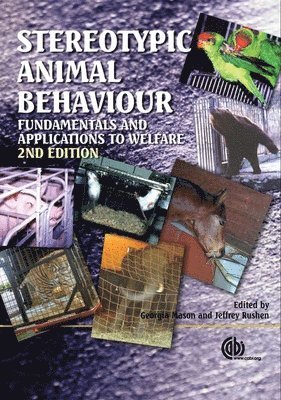
This 2nd edition is a complete re-write of the 1st edition in 1993. It reflects developments in knowledge since the 1st edition and includes many new chapters and contributors. Concern over the welfare of confined animals is continuing to increase and extends not only to farm and zoo animals, but also to laboratory and companion animals. This book focuses on environmentally induced stereotypes, rather than drug induced or neurologically based stereotypes and discusses why captive animals perform these stereotypes. It also examines what this behaviour can tell us about animal welfare, options for prevention and cure and assesses future research directions and implications for animal welfare.
2 111 kr
Skickas inom 10-15 vardagar
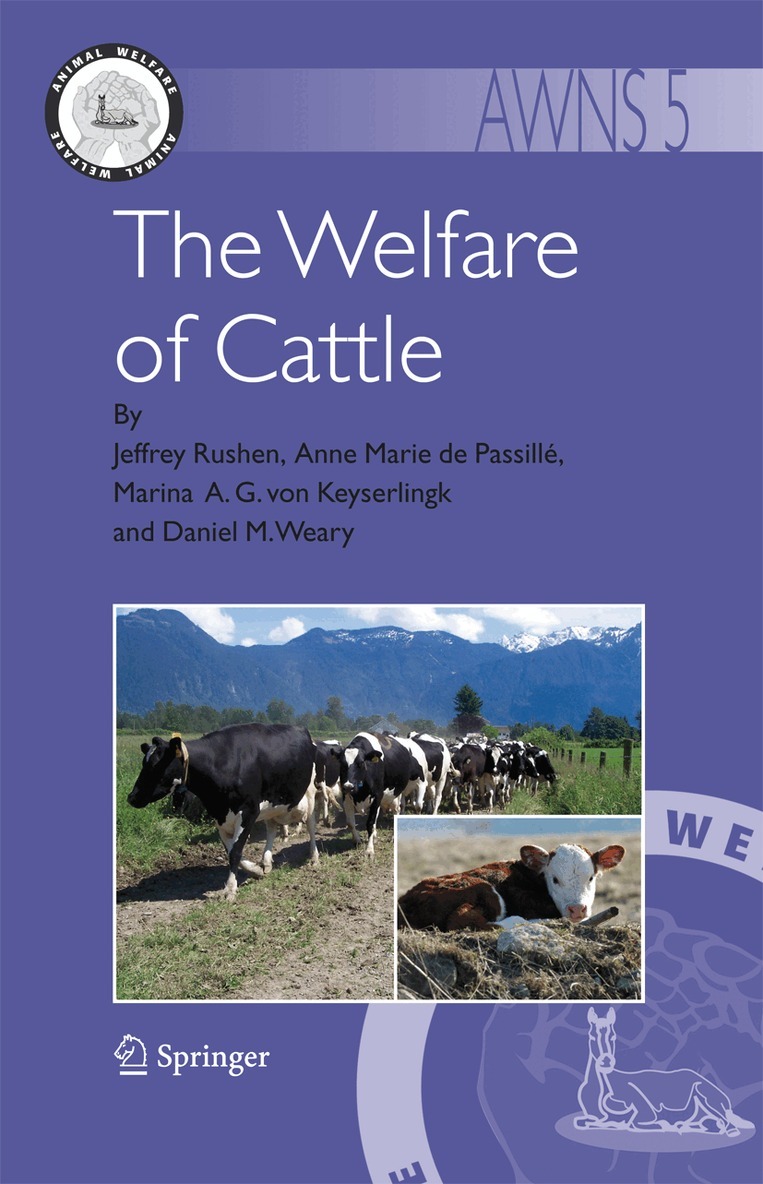
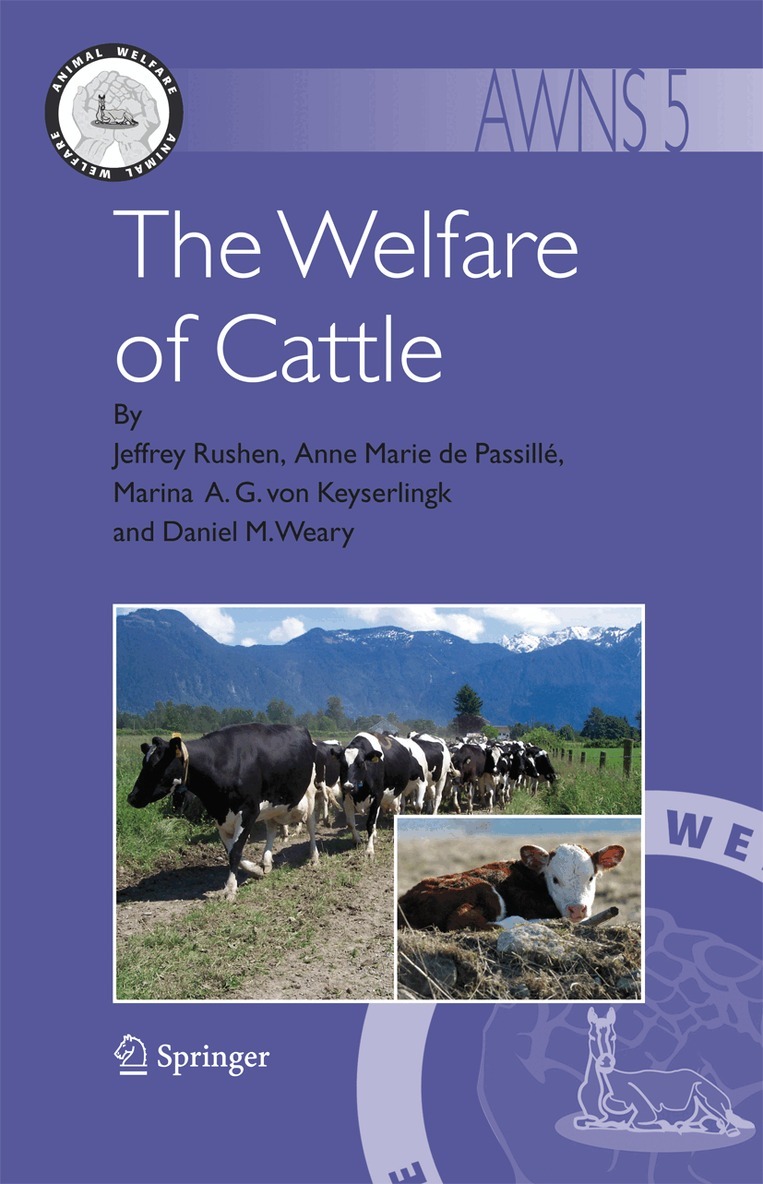
Animal welfare is attracting increasing interest worldwide, but particularly from those in developed countries, who now have the knowledge and resources to be able to offer the best management systems for their farm animals, as well as potentially being able to offer plentiful resources for companion, zoo and laboratory animals. The increased attention given to farm animal welfare in the West derives largely from the fact that the relentless pursuit of financial reward and efficiency has led to the development of intensive animal production systems that challenge the conscience of many consumers in those countries. In developing countries, human survival is still a daily uncertainty, so that provision for animal welfare has to be balanced against human welfare. Welfare is usually provided for only if it supports the output of the animal, be it food, work, clothing, sport or companionship. In re- ity, there are resources for all if they are properly husbanded in both developing and developed countries. The inequitable division of the world’s riches creates physical and psychological poverty for humans and animals alike in many parts of the world. Livestock are the world’s biggest land user (FAO, 2002) and the population is increasing rapidly to meet the need of an expanding human population. Populations of farm animals managed by humans are therefore increasing worldwide, and there is the tendency to allocate fewer resources to each animal.
676 kr
Skickas inom 7-10 vardagar
This second edition is a complete re-write of the 1st edition published in 1993 (editors Lawrence and Rushen). It reflects many recent advances, bringing together all new chapters and over 30 contributors. Abnormal behaviour patterns, from the jumping and somersaulting of caged laboratory mice to the pacing of enclosed 'big cats', are displayed by many millions of farm, zoo, research and companion animals. This book focuses on the causation and treatment of these environment-induced stereotypic behaviours, and their implications for animal welfare and normalcy of brain functioning. The first section takes an ethological perspective, focusing on the constraints captivity places on animals' normal behavioural repertoires, and the effects these have on specific motivational systems. The second section addresses the role of dysfunction, particularly the impact of chronic stress and impoverished environments on brain functioning. The third section looks at how stereotypic behaviours can be tackled, once they have emerged, using diverse techniques from environmental enrichment to pharmaceutical intervention. The volume ends with a synthesis, a suggested new definition for 'stereotypic behaviour', and a discussion of future research directions. This book will be of significant interest to researchers and advanced students in animal behaviour and welfare, animal and veterinary science, comparative psychology, and neuroscience.
2 111 kr
Skickas inom 10-15 vardagar
Animal welfare is attracting increasing interest worldwide, but particularly from those in developed countries, who now have the knowledge and resources to be able to offer the best management systems for their farm animals, as well as potentially being able to offer plentiful resources for companion, zoo and laboratory animals. The increased attention given to farm animal welfare in the West derives largely from the fact that the relentless pursuit of financial reward and efficiency has led to the development of intensive animal production systems that challenge the conscience of many consumers in those countries. In developing countries, human survival is still a daily uncertainty, so that provision for animal welfare has to be balanced against human welfare. Welfare is usually provided for only if it supports the output of the animal, be it food, work, clothing, sport or companionship. In re- ity, there are resources for all if they are properly husbanded in both developing and developed countries. The inequitable division of the world’s riches creates physical and psychological poverty for humans and animals alike in many parts of the world. Livestock are the world’s biggest land user (FAO, 2002) and the population is increasing rapidly to meet the need of an expanding human population. Populations of farm animals managed by humans are therefore increasing worldwide, and there is the tendency to allocate fewer resources to each animal.