Jelmer Vos – författare
Visar alla böcker från författaren Jelmer Vos. Handla med fri frakt och snabb leverans.
4 produkter
4 produkter
2 121 kr
Skickas inom 5-8 vardagar
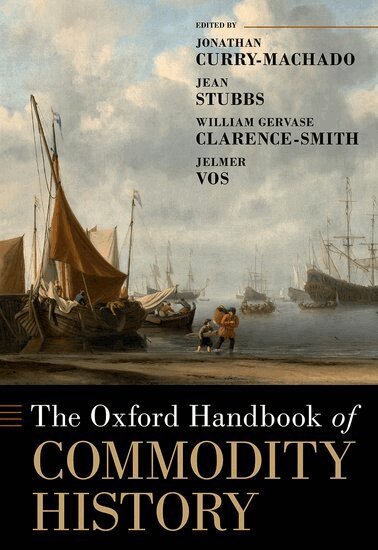
Commodities provide a lens through which local and global histories can be understood and written. The study of commodity history follows these goods as they make their way from land and water through processing and trade to eventual consumption. It is a fast-developing field with collaborative, comparative, and interdisciplinary research, and with new information technologies becoming increasingly important. Although many individual researchers continue to focus on particular commodities and regions, they often do so in partnership with others working on different areas and employing a range of theoretical and methodological approaches, placing commodities history at the forefront of local and global historical analysis.This Oxford Handbook features contributions from scholars involved in these developments across a range of countries and linguistic regions. They discuss the state of the art in their fields, draw on their own work, and signal lacunae for future research. Each of the volume's thirty-one chapters focuses on an important thematic area within commodities history: essential approaches, global histories, modes of production, people and land, environmental impact, consumption, and new methodologies. The Oxford Handbook of Commodity History offers insight into the directions in which commodity history is heading, and the multiple ways in which it can contribute to a better understanding of the world.
723 kr
Skickas inom 10-15 vardagar
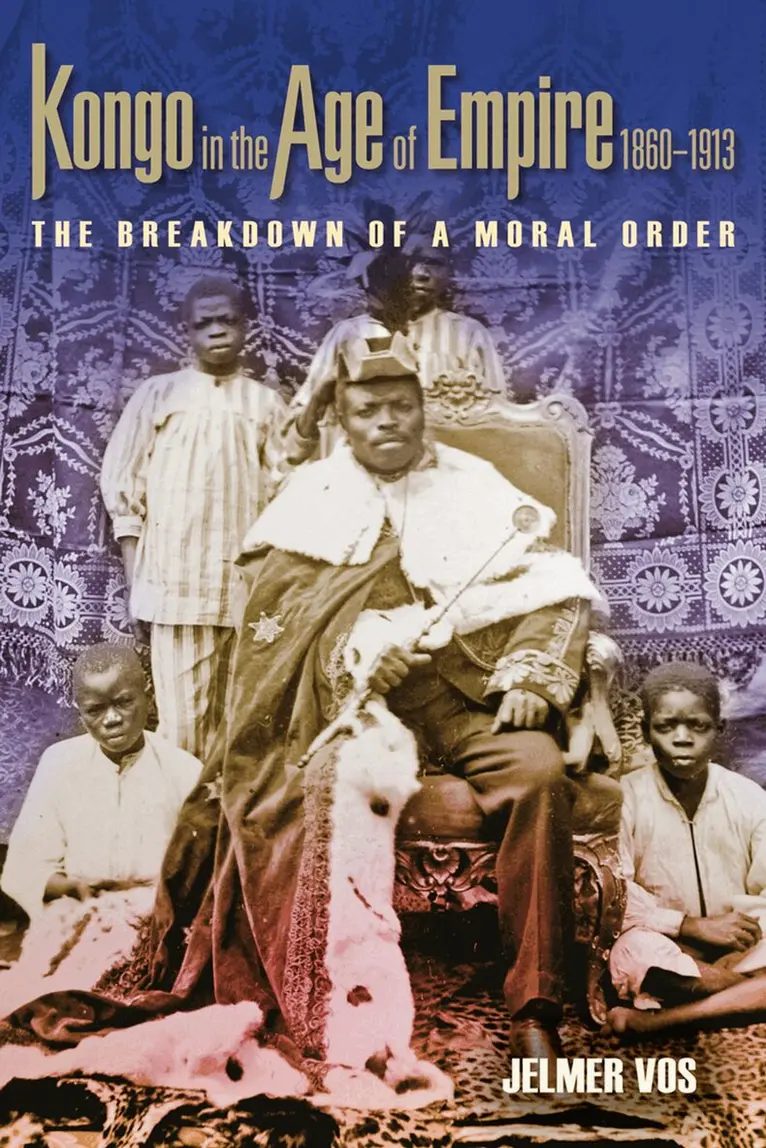
A case study of colonialism in Africa from economic, religious, and political perspectives that examines the participation of African elites in colonial ruleThis is a richly documented history of the arrival of rubber traders, new Christian missionaries, and the Portuguese colonial state in the Kongo realm, told from the perspective of the kingdom’s inhabitants. It is the first book-length study of the colonial encounter in an African kingdom renowned for its long Catholic tradition and contributory role in the historical slave trade. Rejecting theories of doom and decline, Jelmer Vos shows how Kongo’s sacred city of São Salvador was vital to the expansion of European imperialism in west-central Africa, providing a platform from which different agents, African as well as European, were able to project their social, political, and economic agendas. He argues that the Kongo people built on the kingdom’s long familiarity with Atlantic commerce and European culture to become avid intermediaries in a growing world of colonial trade and mission schools.Vos highlights the complexity of an African people’s engagement with colonialism, but he also underlines some of the tragic consequences of Kongo’s incorporation in the European state system. One of the fundamental contradictions of European rule in Africa was that its often excessive demands for tax and labor tended to undermine the African structures of authority on which the colonial system depended. Kongo in the Age of Empire carefully documents the involvement of Kongo’s royal court in the exercise of Portuguese rule in northern Angola and the ways that Kongo citizens experienced colonial rule as an increasingly illegitimate extension of royal power.
214 kr
Skickas inom 10-15 vardagar
This richly documented account of the arrival of rubber traders, new Christian missionaries, and the Portuguese colonial state in the Kongo realm is told from the perspective of the kingdom’s inhabitants. Jelmer Vos shows that both Africans and Europeans were able to forward differing social, political, and economic agendas as Kongo’s sacred city of São Salvador became a vital site for the expansion of European imperialism in Central Africa. Kongo people, he argues, built on the kingdom’s long familiarity with Atlantic commerce and cultures to become avid intermediaries in a new system of colonial trade and mission schools.Vos underlines that Kongo’s incorporation in the European state system also had tragic consequences, including the undermining of local African structures of authority—on which the colonial system actually depended. Kongo in the Age of Empire carefully documents the involvement of Kongo’s royal court in the exercise of Portuguese rule in northern Angola and the ways that Kongo citizens experienced colonial rule as an increasingly illegitimate extension of royal power.
1 072 kr
Skickas inom 7-10 vardagar
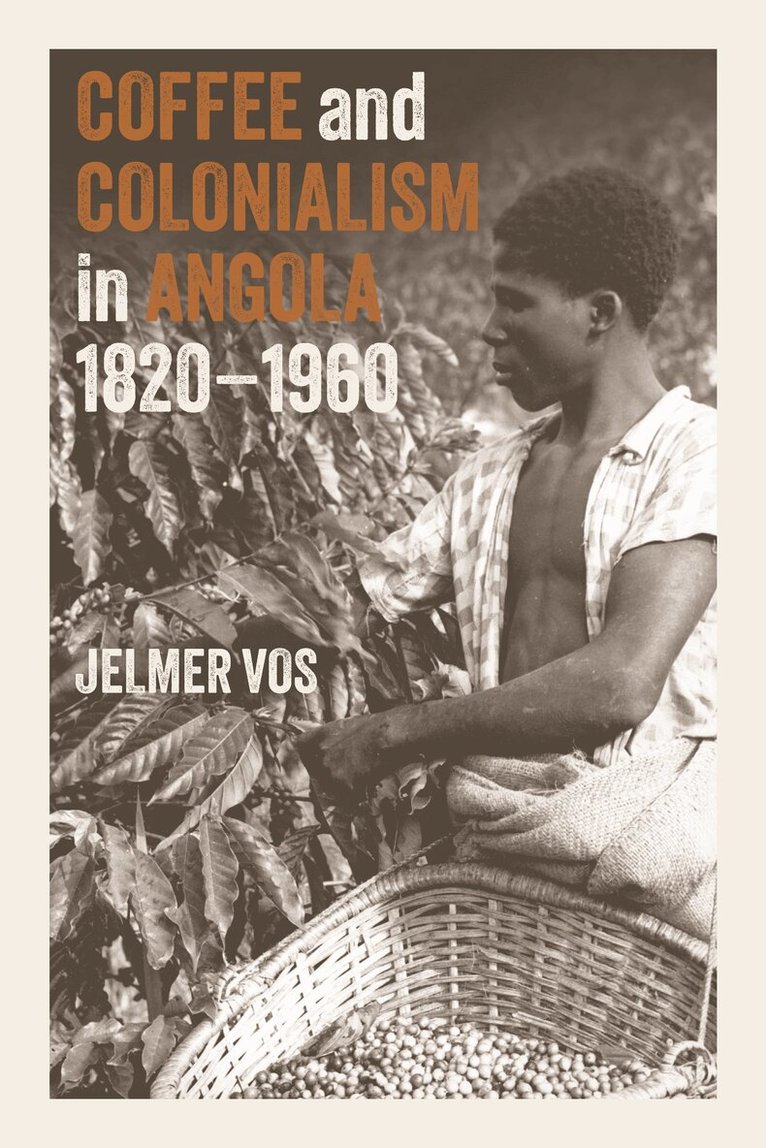
New perspective on Angolan colonial and labour history, which explores how cultivation of coffee, the country's most significant export, shaped one of the oldest commercial frontiers in sub-Saharan Africa.After the Second World War, Angola became one of the world's largest coffee producers, supplying robusta beans that formed the backbone of popular blends and soluble products consumed by millions worldwide. But each cup of coffee made with Angolan robustas carried with it a legacy of land expropriation and coerced labour. Coffee and Colonialism delves into the systematic exploitation of black workers on white settler plantations in Angola, where labour practices often evoked memories of slavery. This book traces the origins of Angola's coffee trade to the early nineteenth century, examining how the abolition of the Atlantic slave trade gave rise to a new export-driven economy. As global demand for coffee surged, Portuguese colonizers transformed a thriving peasant economy into a settler-dominated system that, while highly productive, was profoundly exploitative and inefficient. Drawing upon extensive archival research, this work provides a compelling analysis of the intersections between colonialism, labour, property, and global trade, uncovering the political economy underpinning one of Africa's most enduring commodity frontiers.