Jennifer Bickham Mendez - Böcker
Visar alla böcker från författaren Jennifer Bickham Mendez. Handla med fri frakt och snabb leverans.
4 produkter
4 produkter
374 kr
Skickas inom 7-10 vardagar
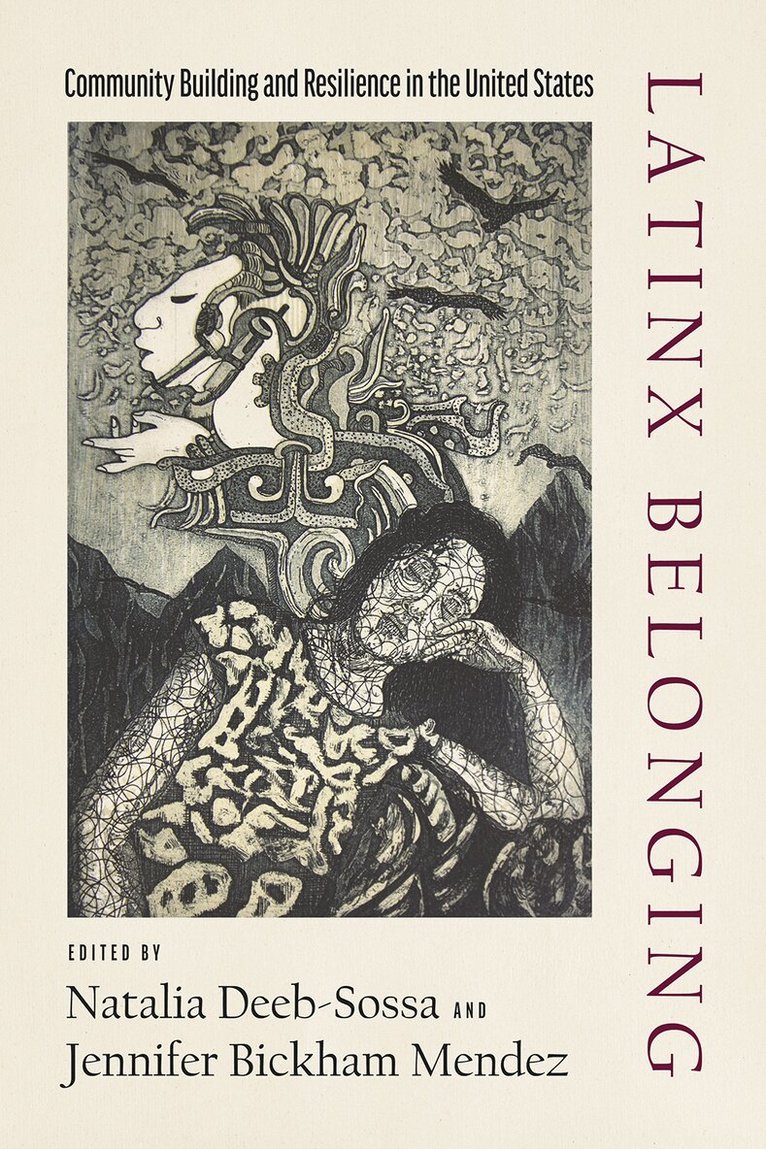
What does it mean to be Latinx? This pressing question forms the core of Latinx Belonging, which brings together cutting-edge research to discuss the multilayered ways this might be answered.Latinx Belonging is anchored in the claim that Latinx people are not defined by their marginalization but should instead be understood as active participants in their communities and contributors to U.S. society. The volume’s overarching analytical approach recognizes the differences, identities, and divisions among people of Latin American origin in the United States, while also attending to the power of mainstream institutions to shape their lives and identities. Contributors to this volume view “belonging” as actively produced through struggle, survival, agency, resilience, and engagement.This work positions Latinxs’ struggles for recognition and inclusion as squarely located within intersecting power structures of gender, race, sexuality, and class and as shaped by state-level and transnational forces such as U.S. immigration policies and histories of colonialism. From the case of Latinxs’ struggles for recognition in the arts, to queer Latinx community resilience during COVID-19 and in the wake of mass shootings, to Indigenous youth’s endurance and survival as unaccompanied minors in Los Angeles, the case studies featured in this collection present a rich and textured picture of the diversity of the U.S. Latinx experience in the twenty-first century.ContributorsAndrÉs AcostaJack “Trey” AllenJennifer Bickham MendezStephanie L. CanizalesChristopher CuevasNatalia Deeb-SossaYvette G. FloresMelanie Jones GastMonika GosinPierrette Hondagneu-SoteloNolan Kline
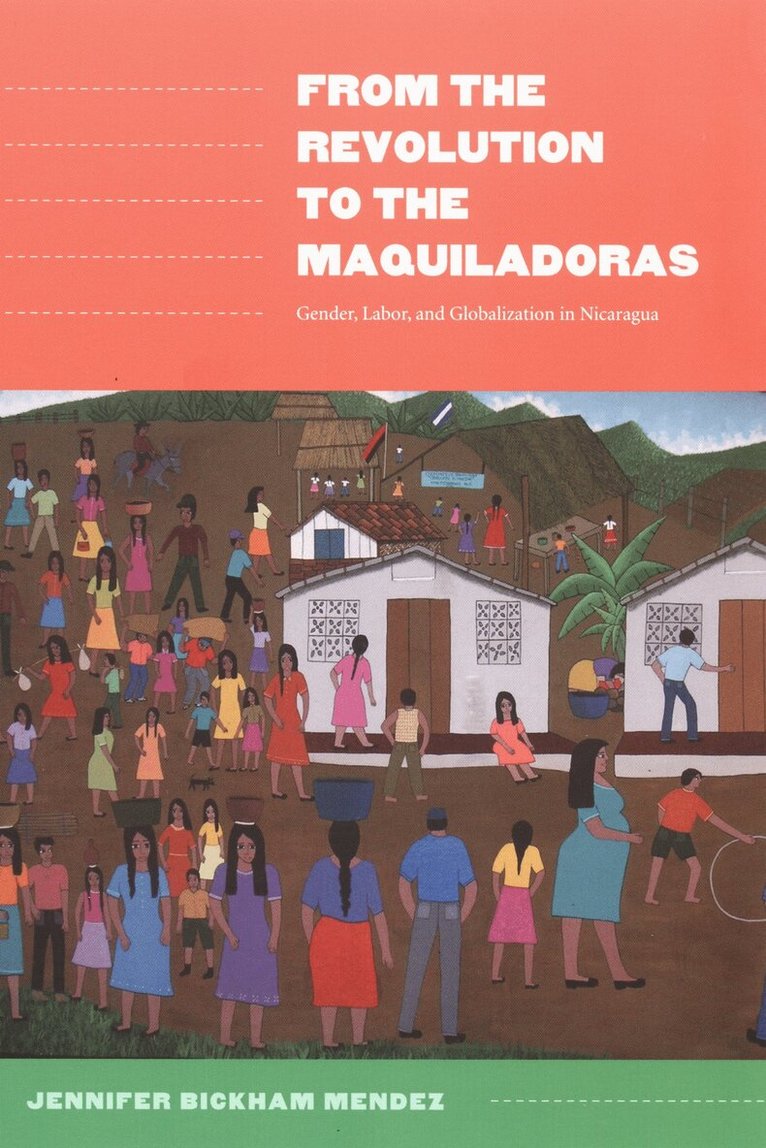
From the Revolution to the Maquiladoras
Gender, Labor, and Globalization in Nicaragua
Häftad, Engelska, 2005
361 kr
Skickas inom 7-10 vardagar
From the Revolution to the Maquiladoras is a major contribution to the study of globalization, labor, and women’s movements. Jennifer Bickham Mendez presents a detailed ethnographic account of the Nicaraguan Working and Unemployed Women’s Movement, “MarÍa Elena Cuadra” (mec), which emerged as an autonomous organization in 1994. Most of its efforts revolve around organizing women workers in Nicaragua’s free trade zones and working to improve conditions in maquiladora factories. Mendez examines the structural and cultural elements of mec in order to demonstrate how globalization affects grassroots advocacy for social and economic justice. She argues that globalization has created opportunities for new forms of organizing among those local populations that suffer its effects and that mec, which has forged vital links with transnational feminist and labor groups, exemplifies the possibilities-and pitfalls-of this new type of organizing.Mendez draws on interviews with leaders and program participants, including maquiladora workers; her participant observation while she worked as a volunteer within the organization; and analysis of the public statements, speeches, and texts written by mec members. She provides a sense of the day-to-day operations of the group as well as its strategies. By exploring the tension between mec and transnational feminist, labor, and solidarity networks, she illustrates how mec women’s outlooks are shaped by both their revolutionary roots within the Sandinista regime and their exposure to global discourses of human rights and citizenship. The complexities of the women’s labor movement analyzed in From the Revolution to the Maquiladoras speak to social and economic justice movements in the many locales around the world.
401 kr
Skickas inom 7-10 vardagar
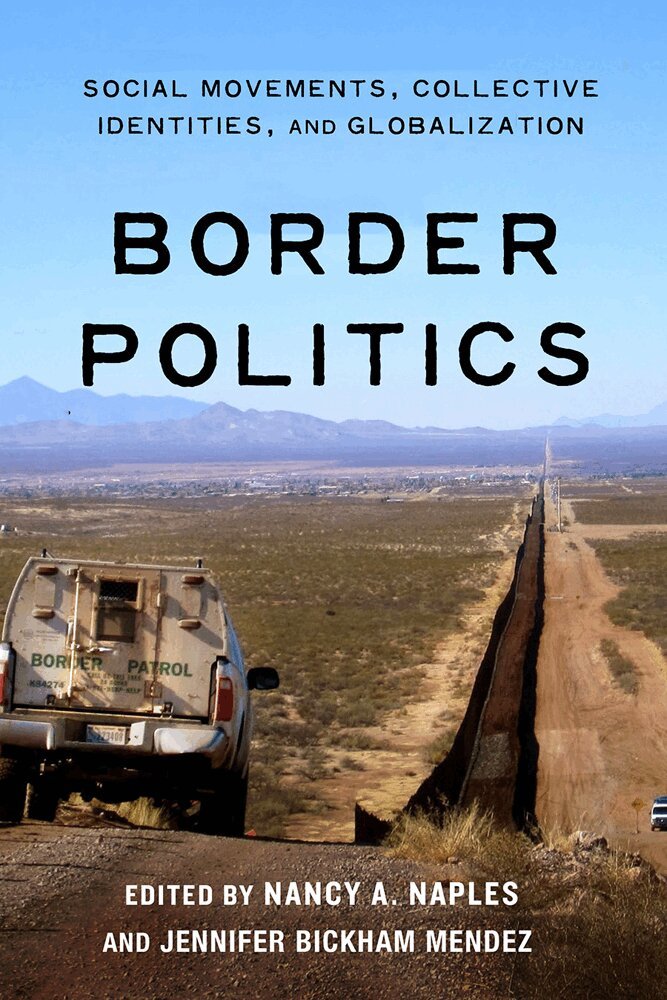
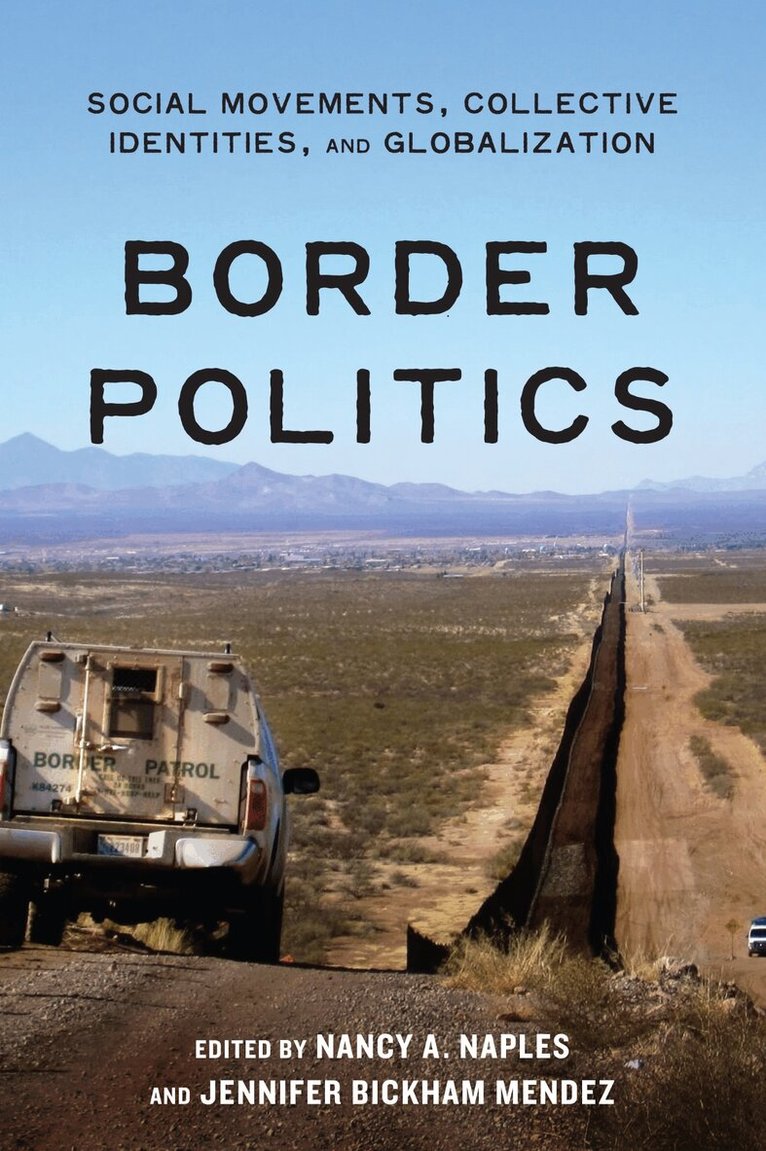
In the current historical moment borders have taken on heightened material and symbolic significance, shaping identities and the social and political landscape. "Borders"—defined broadly to include territorial dividing lines as well as sociocultural boundaries—have become increasingly salient sites of struggle over social belonging and cultural and material resources. How do contemporary activists navigate and challenge these borders? What meanings do they ascribe to different social, cultural and political boundaries, and how do these meanings shape the strategies in which they engage? Moreover, how do these social movements confront internal borders based on the differences that emerge within social change initiatives?Border Politics, edited by Nancy A. Naples and Jennifer Bickham Mendez, explores these important questions through eleven carefully selected case studies situated in geographic contexts around the globe. By conceptualizing struggles over identity, social belonging and exclusion as extensions of border politics, the authors capture the complex ways in which geographic, cultural, and symbolic dividing lines are blurred and transcended, but also fortified and redrawn. This volume notably places right-wing and social justice initiatives in the same analytical frame to identify patterns that span the political spectrum. Border Politics offers a lens through which to understand borders as sites of diverse struggles, as well as the strategies and practices used by diverse social movements in today's globally interconnected world. Contributors: Phillip Ayoub, Renata Blumberg, Yvonne Braun, Moon Charania, Michael Dreiling, Jennifer Johnson, Jesse Klein, Andrej Kurnik, Sarah Maddison, Duncan McDuie-Ra, Jennifer Bickham Mendez, Nancy A. Naples, David Paternotte, Maple Razsa, Raphi Rechitsky, Kyle Rogers, Deana Rohlinger, Cristina Sanidad, Meera Sehgal, Tara Stamm, Michelle Téllez
1 152 kr
Skickas inom 10-15 vardagar
In the current historical moment borders have taken on heightened material and symbolic significance, shaping identities and the social and political landscape. "Borders"—defined broadly to include territorial dividing lines as well as sociocultural boundaries—have become increasingly salient sites of struggle over social belonging and cultural and material resources. How do contemporary activists navigate and challenge these borders? What meanings do they ascribe to different social, cultural and political boundaries, and how do these meanings shape the strategies in which they engage? Moreover, how do these social movements confront internal borders based on the differences that emerge within social change initiatives?Border Politics, edited by Nancy A. Naples and Jennifer Bickham Mendez, explores these important questions through eleven carefully selected case studies situated in geographic contexts around the globe. By conceptualizing struggles over identity, social belonging and exclusion as extensions of border politics, the authors capture the complex ways in which geographic, cultural, and symbolic dividing lines are blurred and transcended, but also fortified and redrawn. This volume notably places right-wing and social justice initiatives in the same analytical frame to identify patterns that span the political spectrum. Border Politics offers a lens through which to understand borders as sites of diverse struggles, as well as the strategies and practices used by diverse social movements in today's globally interconnected world. Contributors: Phillip Ayoub, Renata Blumberg, Yvonne Braun, Moon Charania, Michael Dreiling, Jennifer Johnson, Jesse Klein, Andrej Kurnik, Sarah Maddison, Duncan McDuie-Ra, Jennifer Bickham Mendez, Nancy A. Naples, David Paternotte, Maple Razsa, Raphi Rechitsky, Kyle Rogers, Deana Rohlinger, Cristina Sanidad, Meera Sehgal, Tara Stamm, Michelle Téllez