Natalia Deeb-Sossa – författare
Visar alla böcker från författaren Natalia Deeb-Sossa. Handla med fri frakt och snabb leverans.
5 produkter
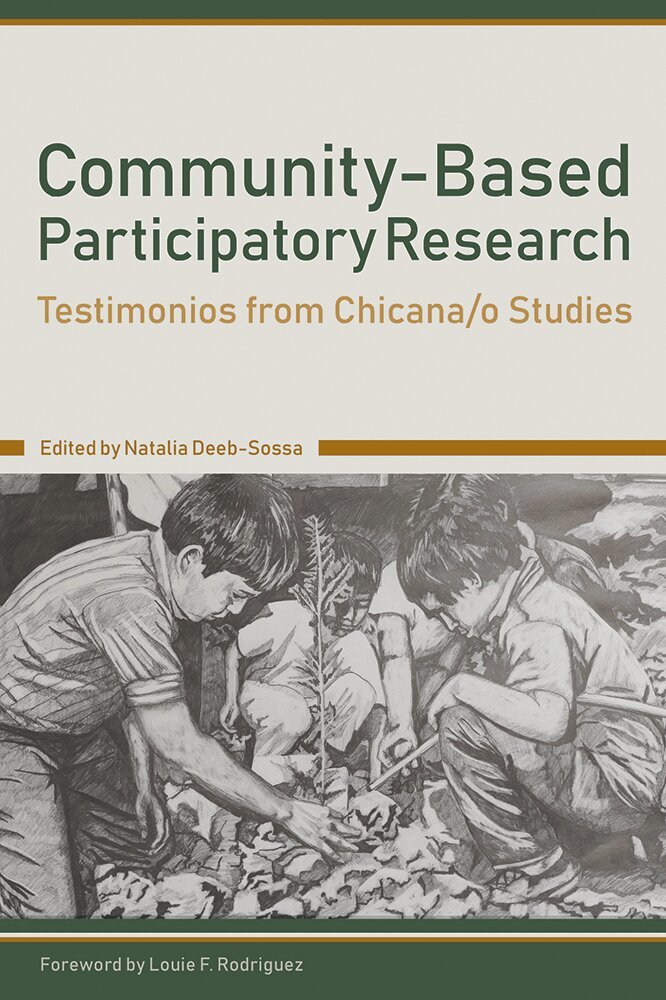
Community-Based Participatory Research
Testimonios from Chicana/o Studies
Häftad, 2019
399 kr
Lägg i varukorg
Members of communities of color in the United States often struggle for equity, autonomy, survival, and justice. Community-Based Participatory Research is an edited volume from activist-scholars who present personal testimonies showcasing how community-based participatory research (CBPR) can lead …
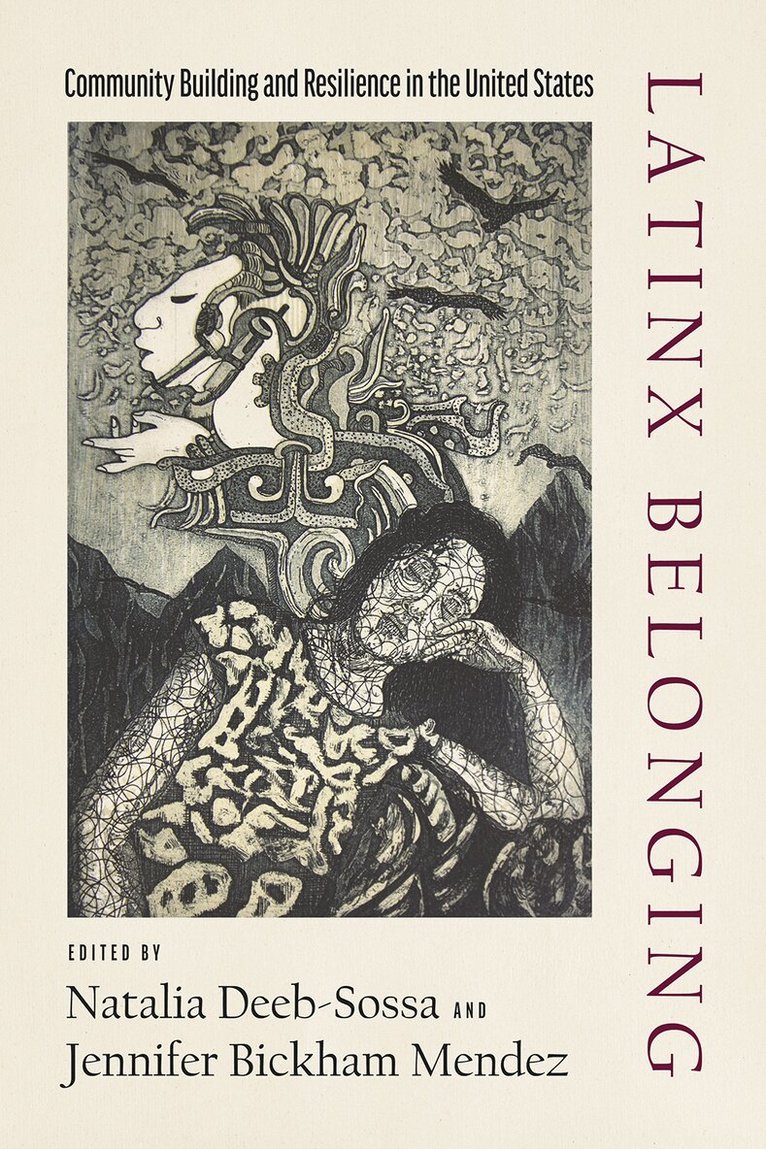
Latinx Belonging
Community Building and Resilience in the United States
Av Natalia Deeb-Sossa, Jennifer Bickham Mendez
Häftad, 2022
399 kr
Lägg i varukorg
What does it mean to be Latinx? This pressing question forms the core of Latinx Belonging, which brings together cutting-edge research to discuss the multilayered ways this might be answered.Latinx Belonging is anchored in the claim that Latinx people are not defined by their marginalization but …
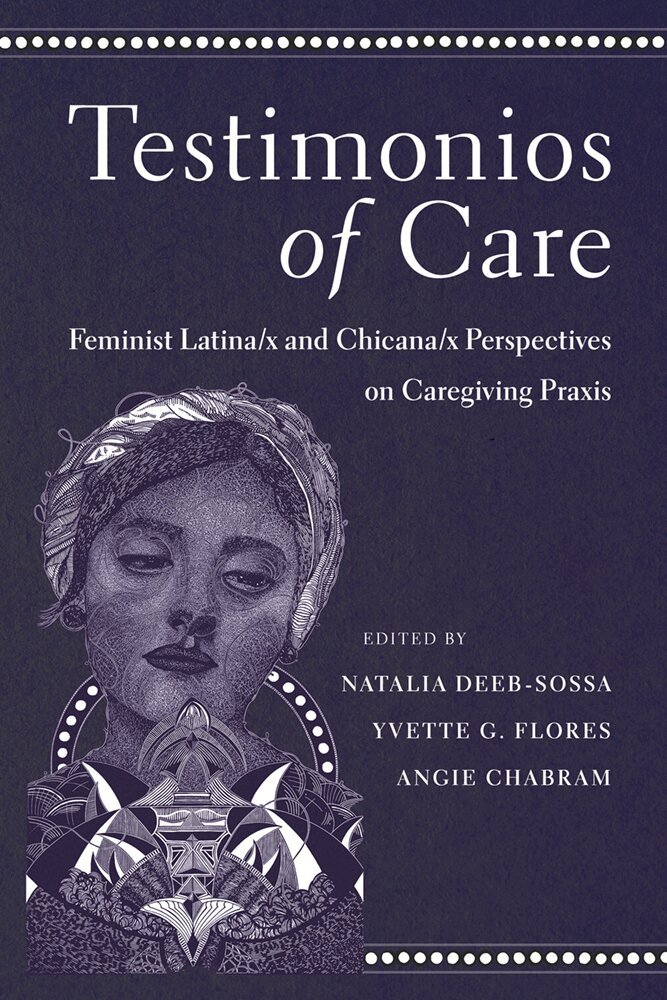
Testimonios of Care
Feminist Latina/x and Chicana/x Perspectives on Caregiving Praxis
Av Natalia Deeb-Sossa, Yvette G. Flores m. fl.
Häftad, 2024
295 kr
Lägg i varukorg
The first English-language collection of Latina/x caregiving testimonios, this volume gives voice to diverse Chicana/x and Latina/x caregiving experiences. Bringing together thirteen first-person accounts, these testimonios speak to the tragic flaws in our health-care system and the woefully …
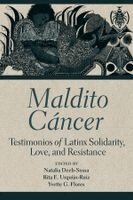
Maldito Cáncer
Testimonios of Latinx Solidarity, Love, and Resistance
Av Natalia Deeb-Sossa, Rita E. Urquijo-Ruiz m. fl.
Häftad, 2027
289 kr
Kommande
This poignant collection brings together powerful testimonios from Chicanx and Latinx patients, family members, caregivers, and community advocates who have faced el maldito cáncer. Authors share first-person narratives of illness, fear, love, solidarity, and resilience, illuminating how Latinx …
Maldito Cáncer
Testimonios of Latinx Solidarity, Love, and Resistance
Av Natalia Deeb-Sossa, Rita E. Urquijo-Ruiz m. fl.
Inbunden, 2027
1192 kr
Kommande
This poignant collection brings together powerful testimonios from Chicanx and Latinx patients, family members, caregivers, and community advocates who have faced el maldito cáncer. Authors share first-person narratives of illness, fear, love, solidarity, and resilience, illuminating how Latinx …