Jennifer Frost - Böcker
Visar alla böcker från författaren Jennifer Frost. Handla med fri frakt och snabb leverans.
14 produkter
14 produkter
2 150 kr
Skickas inom 10-15 vardagar
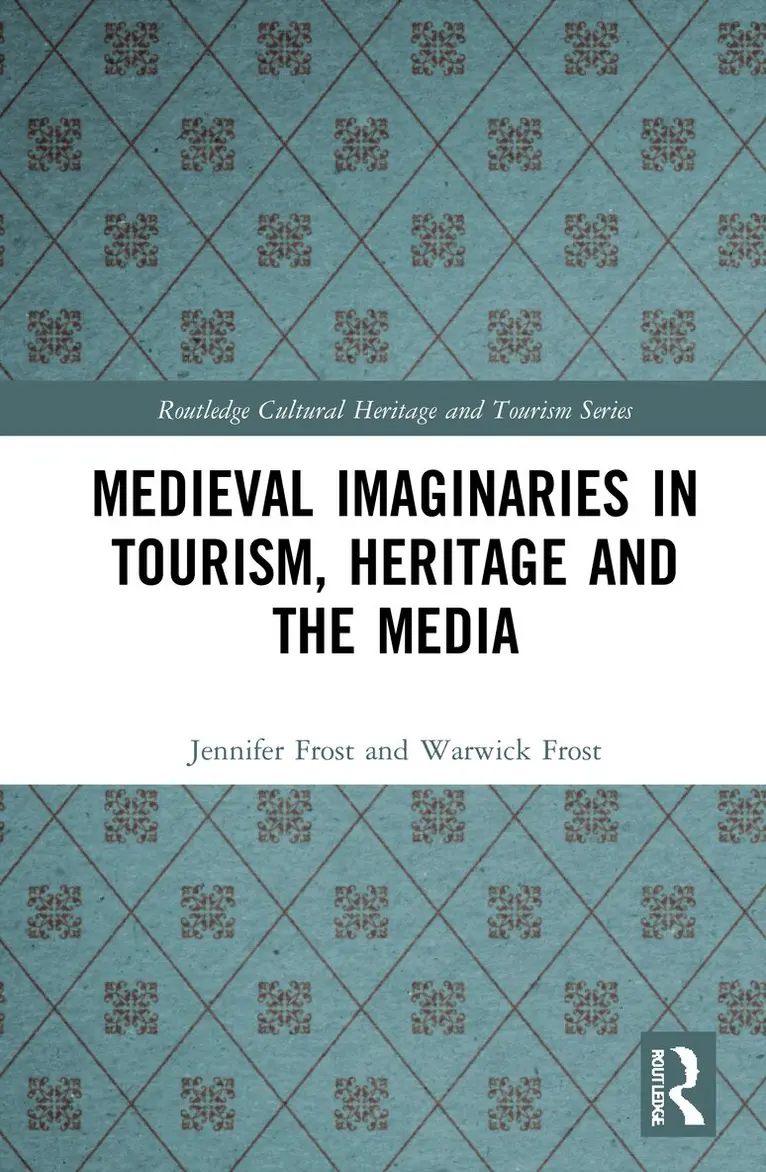
This book examines the pervading influence of medieval culture, through an exploration of the intersections between tourism, heritage, and imaginaries of the medieval in the media.Drawing on examples from tourist destinations, heritage sites, fictional literature, television and cinema, the book illustrates how the medieval period has consistently captured the imagination of audiences and has been reinvented for contemporary tastes. Chapters present a range of international examples, from nineteenth century Victorian notions of chivalry, knights in shining armour exemplified by King Arthur, and damsels in distress, to the imagining of the Japanese samurai as medieval knights. Other topics explored include the changing representations of medieval women, the Crusades and the Vikings, and the challenges faced by medieval cathedrals to survive economically and socially.This book offers multidisciplinary perspectives and will appeal to scholars and students across a variety of disciplines such as cultural studies, history, tourism, heritage studies, historical geography and sociology.
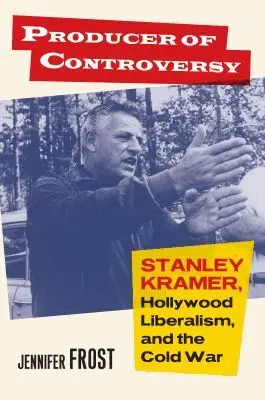
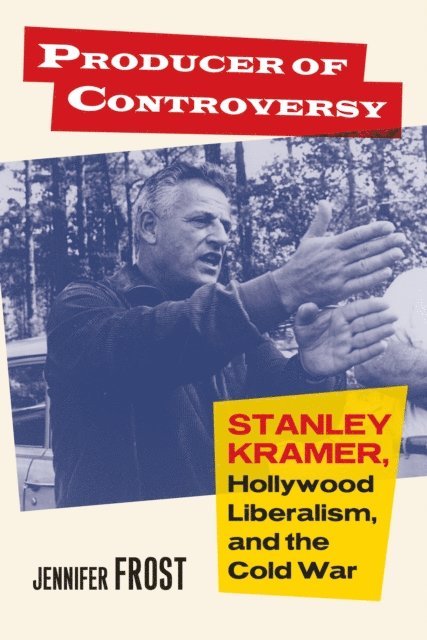
Producer of Controversy
Stanley Kramer, Hollywood Liberalism, and the Cold War
Inbunden, Engelska, 2017
447 kr
Skickas inom 10-15 vardagar
With films ranging from High Noon to Guess Who’s Coming to Dinner, Stanley Kramer (1913–2001) was one of the most successful and prolific director-producers of his day. But even as critics praised his courage in taking on such issues as nuclear war, racism, fascism, and the battle between science and religion, others condemned his work as “emptily pretentious” and “hollow, falsely sentimental, overproduced.” Whether Kramer was “one of the great filmmakers of all time” (Kevin Spacey at the Golden Globe Awards) or “one of Hollywood’s worst directors” (preeminent film critic Andrew Sarris in The Village Voice), he had a strong and undeniable influence on American culture during the Cold War. Producer of Controversy is the first book to take a close-up look at Kramer’s career, films, and liberal politics in an effort to explain his contributions and historical significance.Kramer learned filmmaking within the old studio system, but over a career spanning forty years he did much to shape the independent moviemaking that emerged after World War II. Jennifer Frost pays particular attention to four of his key “message movies”—The Defiant Ones, On the Beach, Inherit the Wind, and Judgment at Nuremberg—to show how Kramer’s controversial films opened up public debate about the most important issues of his time—among average filmgoers as well as professional critics, political commentators, and public figures. In this context, she for the first time fully documents the Hollywood Right’s attacks on Kramer in the 1950s; details his resistance to the anticommunist Red Scare and the Hollywood blacklist; exposes his role as a cultural diplomat with the Soviet Union; and reveals his important contribution to the liberal and radical politics of the 1960s. Her book is at once an absorbing work of cultural history and a thoroughgoing reassessment of Stanley Kramer’s place in the pantheon of American filmmakers.
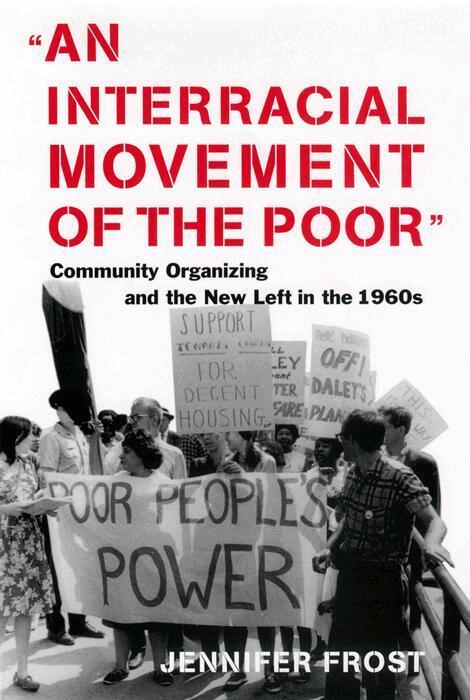
Interracial Movement of the Poor
Community Organizing and the New Left in the 1960s
Inbunden, Engelska, 2001
1 188 kr
Skickas inom 10-15 vardagar
Choice Outstanding Academic Title 2002Community organizing became an integral part of the activist repertoire of the New Left in the 1960s. Students for a Democratic Society, the organization that came to be seen as synonymous with the white New Left, began community organizing in 1963, hoping to build an interracial movement of the poor through which to demand social and political change. SDS sought nothing less than to abolish poverty and extend democratic participation in America.Over the next five years, organizers established a strong presence in numerous low-income, racially diverse urban neighborhoods in Chicago, Cleveland, Newark, and Boston, as well as other cities. Rejecting the strategies of the old left and labor movement and inspired by the Civil Rights Movement, activists sought to combine a number of single issues into a broader, more powerful coalition. Organizers never limited themselves to today's simple dichotomies of race vs. class or of identity politics vs. economic inequality. They actively synthesized emerging identity politics with class and coalition politics and with a drive for a more participatory welfare state, treating these diverse political approaches as inextricably intertwined. While common wisdom holds that the New Left rejected all state involvement as cooptative at best, Jennifer Frost traces the ways in which New Left and community activists did in fact put forward a prescriptive, even visionary, alternative to the welfare state.After Students for a Democratic Society and its community organizing unit, the Economic Research and Action Project, disbanded, New Left and community participants went on to apply their strategies and goals to the welfare rights, women's liberation, and the antiwar movements. In her study of activism before the age of identity politics, Frost has given us the first full-fledged history of what was arguably the most innovative community organizing campaign in post-war American history.
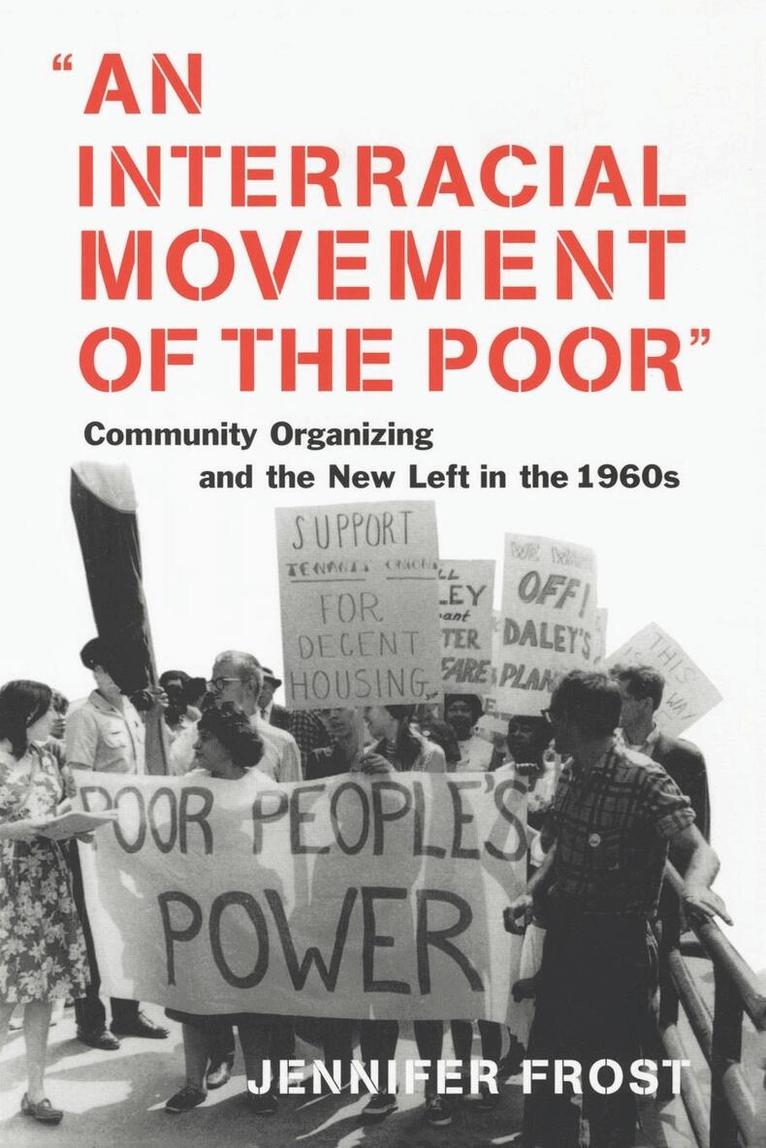
Interracial Movement of the Poor
Community Organizing and the New Left in the 1960s
Häftad, Engelska, 2005
291 kr
Skickas inom 7-10 vardagar
Choice Outstanding Academic Title 2002Community organizing became an integral part of the activist repertoire of the New Left in the 1960s. Students for a Democratic Society, the organization that came to be seen as synonymous with the white New Left, began community organizing in 1963, hoping to build an interracial movement of the poor through which to demand social and political change. SDS sought nothing less than to abolish poverty and extend democratic participation in America.Over the next five years, organizers established a strong presence in numerous low-income, racially diverse urban neighborhoods in Chicago, Cleveland, Newark, and Boston, as well as other cities. Rejecting the strategies of the old left and labor movement and inspired by the Civil Rights Movement, activists sought to combine a number of single issues into a broader, more powerful coalition. Organizers never limited themselves to today's simple dichotomies of race vs. class or of identity politics vs. economic inequality. They actively synthesized emerging identity politics with class and coalition politics and with a drive for a more participatory welfare state, treating these diverse political approaches as inextricably intertwined. While common wisdom holds that the New Left rejected all state involvement as cooptative at best, Jennifer Frost traces the ways in which New Left and community activists did in fact put forward a prescriptive, even visionary, alternative to the welfare state.After Students for a Democratic Society and its community organizing unit, the Economic Research and Action Project, disbanded, New Left and community participants went on to apply their strategies and goals to the welfare rights, women's liberation, and the antiwar movements. In her study of activism before the age of identity politics, Frost has given us the first full-fledged history of what was arguably the most innovative community organizing campaign in post-war American history.
527 kr
Skickas inom 10-15 vardagar
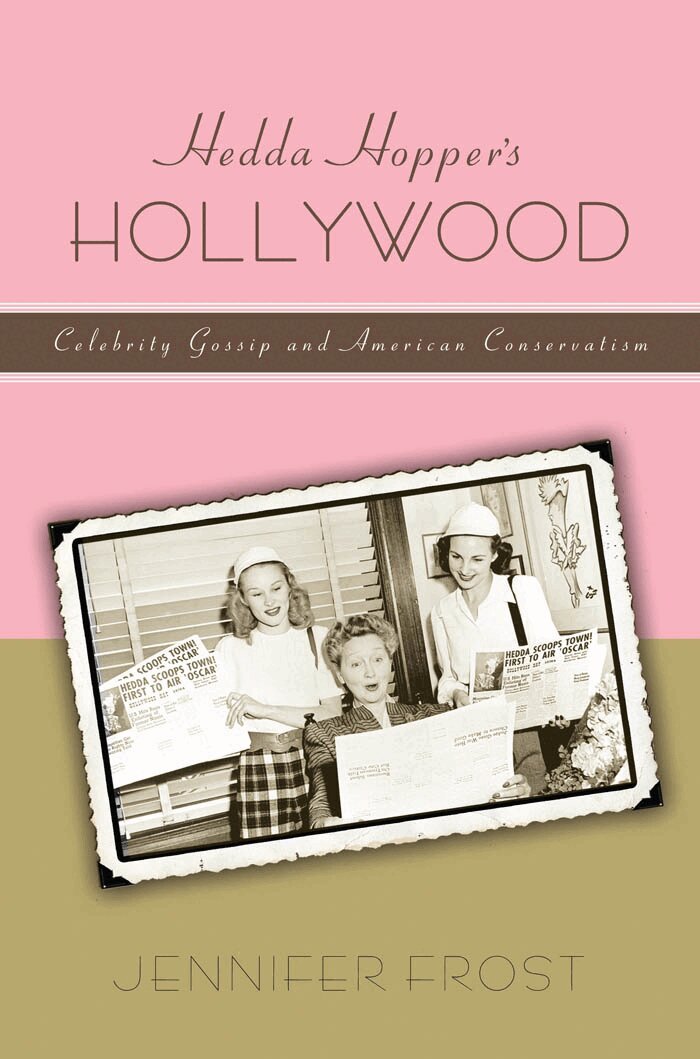
Before Liz Smith and Perez Hilton became household names in the world of celebrity gossip, before Rush Limbaugh became the voice of conservatism, there was Hedda Hopper. In 1938, this 52-year-old struggling actress rose to fame and influence writing an incendiary gossip column, "Hedda Hopper's Hollywood," that appeared in the Los Angeles Times and other newspapers throughout Hollywood's golden age. Often eviscerating moviemakers and stars, her column earned her a nasty reputation in the film industry while winning a legion of some 32 million fans, whose avid support established her as the voice of small-town America. Yet Hopper sought not only to build her career as a gossip columnist but also to push her agenda of staunch moral and political conservatism, using her column to argue against U.S. entry into World War II, uphold traditional views of sex and marriage, defend racist roles for African Americans, and enthusiastically support the Hollywood blacklist.While usually dismissed as an eccentric crank, Jennifer Frost argues that Hopper has had a profound and lasting influence on popular and political culture and should be viewed as a pivotal popularizer of conservatism. The first book to explore Hopper's gossip career and the public's response to both her column and her politics, Hedda Hopper's Hollywood illustrates how the conservative gossip maven contributed mightily to the public understanding of film, while providing a platform for women to voice political views within a traditionally masculine public realm. Jennifer Frost builds the case that, as practiced by Hopper and her readers, Hollywood gossip shaped key developments in American movies and movie culture, newspaper journalism and conservative politics, along with the culture of gossip itself, all of which continue to play out today. Read a review of the book from the Chronicle of Higher Education blog, Tenured Radical.
635 kr
Skickas inom 10-15 vardagar
This book examines the pervading influence of medieval culture, through an exploration of the intersections between tourism, heritage, and imaginaries of the medieval in the media.Drawing on examples from tourist destinations, heritage sites, fictional literature, television and cinema, the book illustrates how the medieval period has consistently captured the imagination of audiences and has been reinvented for contemporary tastes. Chapters present a range of international examples, from nineteenth century Victorian notions of chivalry, knights in shining armour exemplified by King Arthur, and damsels in distress, to the imagining of the Japanese samurai as medieval knights. Other topics explored include the changing representations of medieval women, the Crusades and the Vikings, and the challenges faced by medieval cathedrals to survive economically and socially.This book offers multidisciplinary perspectives and will appeal to scholars and students across a variety of disciplines such as cultural studies, history, tourism, heritage studies, historical geography and sociology.
579 kr
Skickas inom 10-15 vardagar
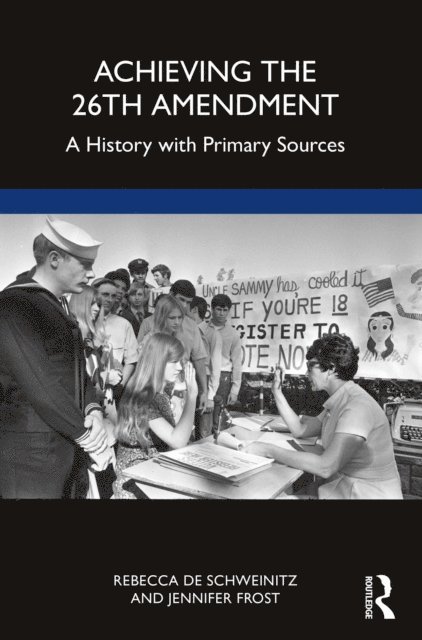
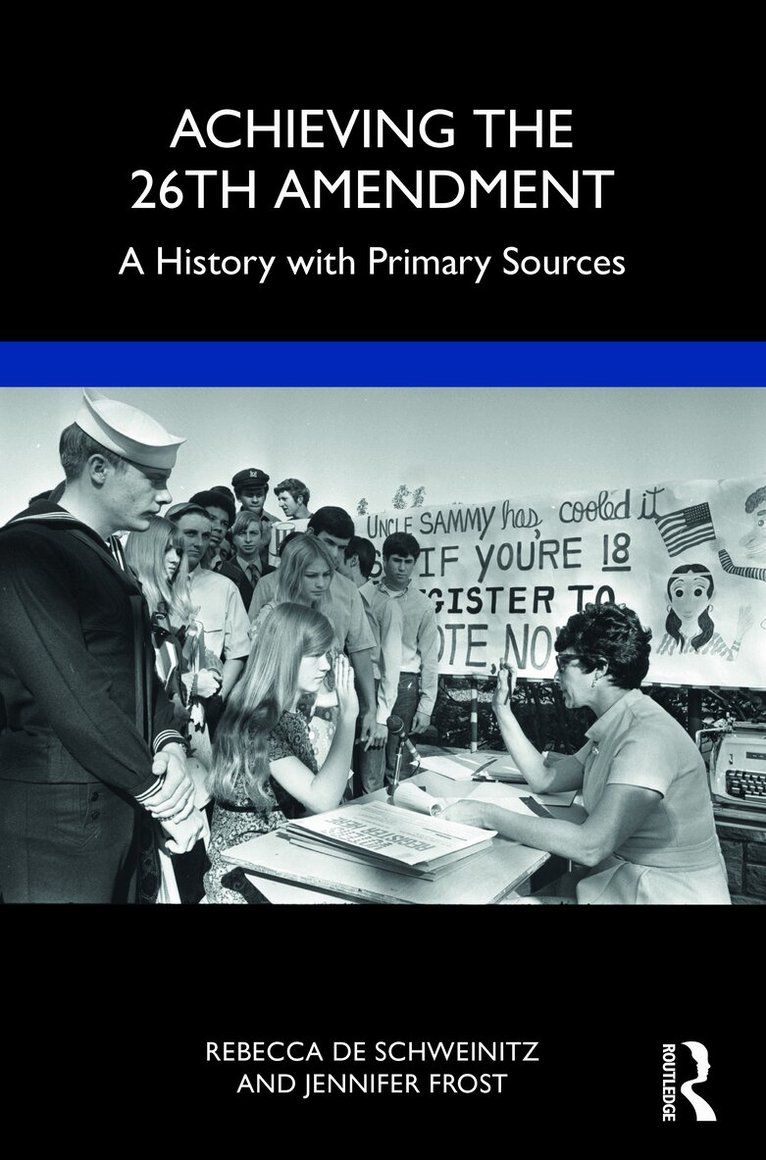
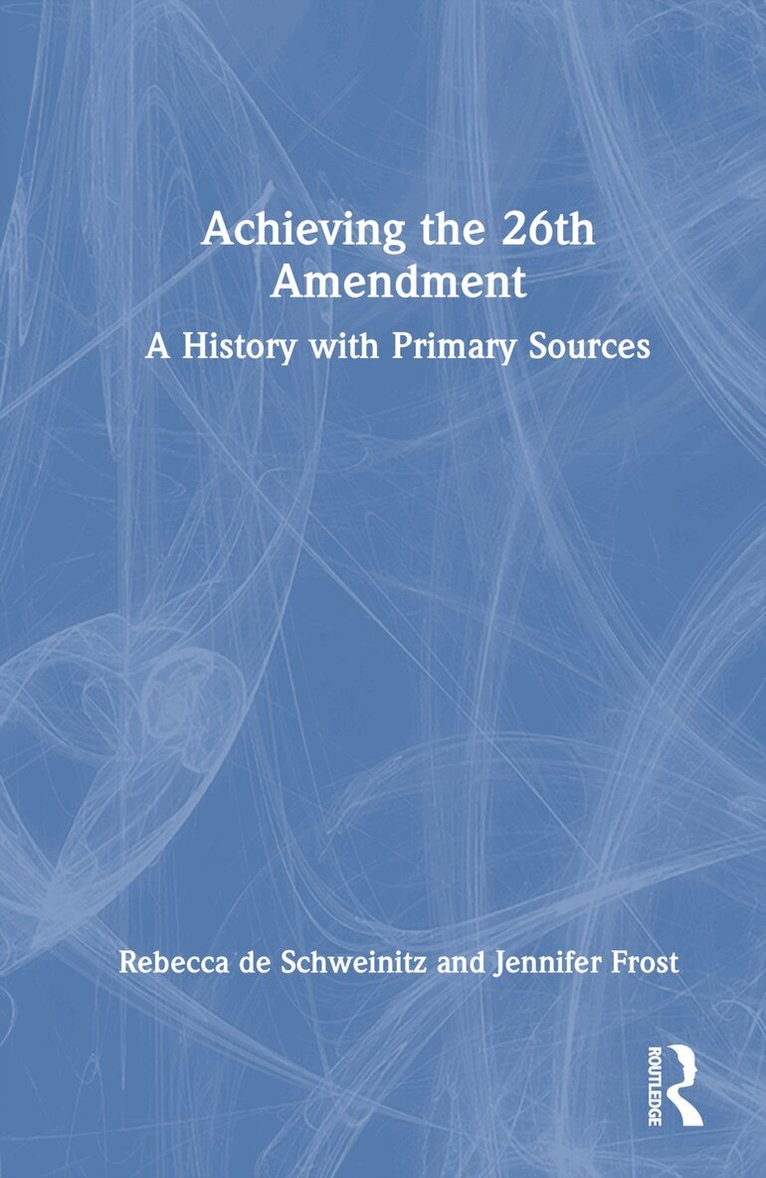
This book is a collection of primary source documents and analysis that illustrates the forgotten history of the fight to lower the voting age to eighteen in the twentieth-century United States.Proposed, passed, and ratified in 1971, the 26th Amendment gave the right to vote to 18-, 19-, and 20-year-olds and prohibited discrimination in voting “on account of age.” Recognizing young Americans as first-class citizens with a political voice, it was the last time the United States extended voting rights to a new group. From the early 1940s to the early 1970s, Americans debated the merits of a younger voting age and built a movement across age, party, and regional differences for the 26th Amendment. The struggle for youth suffrage intersected with key events and developments during these years, such as World War II, the Vietnam War, the African American movement for civil and voting rights, the baby boom and youth activism. With historical images and excerpts from government documents, pamphlets, organizational and personal collections, mainstream and campus newspapers, and magazines, this book presents a rich portrait of the struggle for youth enfranchisement.Achieving the 26th Amendment: A History with Primary Sources is an ideal resource for students and professors in twentieth-century United States history, civics and government, and social movements and activism.
2 150 kr
Skickas inom 10-15 vardagar
This book is a collection of primary source documents and analysis that illustrates the forgotten history of the fight to lower the voting age to eighteen in the twentieth-century United States.Proposed, passed, and ratified in 1971, the 26th Amendment gave the right to vote to 18-, 19-, and 20-year-olds and prohibited discrimination in voting “on account of age.” Recognizing young Americans as first-class citizens with a political voice, it was the last time the United States extended voting rights to a new group. From the early 1940s to the early 1970s, Americans debated the merits of a younger voting age and built a movement across age, party, and regional differences for the 26th Amendment. The struggle for youth suffrage intersected with key events and developments during these years, such as World War II, the Vietnam War, the African American movement for civil and voting rights, the baby boom and youth activism. With historical images and excerpts from government documents, pamphlets, organizational and personal collections, mainstream and campus newspapers, and magazines, this book presents a rich portrait of the struggle for youth enfranchisement.Achieving the 26th Amendment: A History with Primary Sources is an ideal resource for students and professors in twentieth-century United States history, civics and government, and social movements and activism.
1 382 kr
Skickas inom 7-10 vardagar
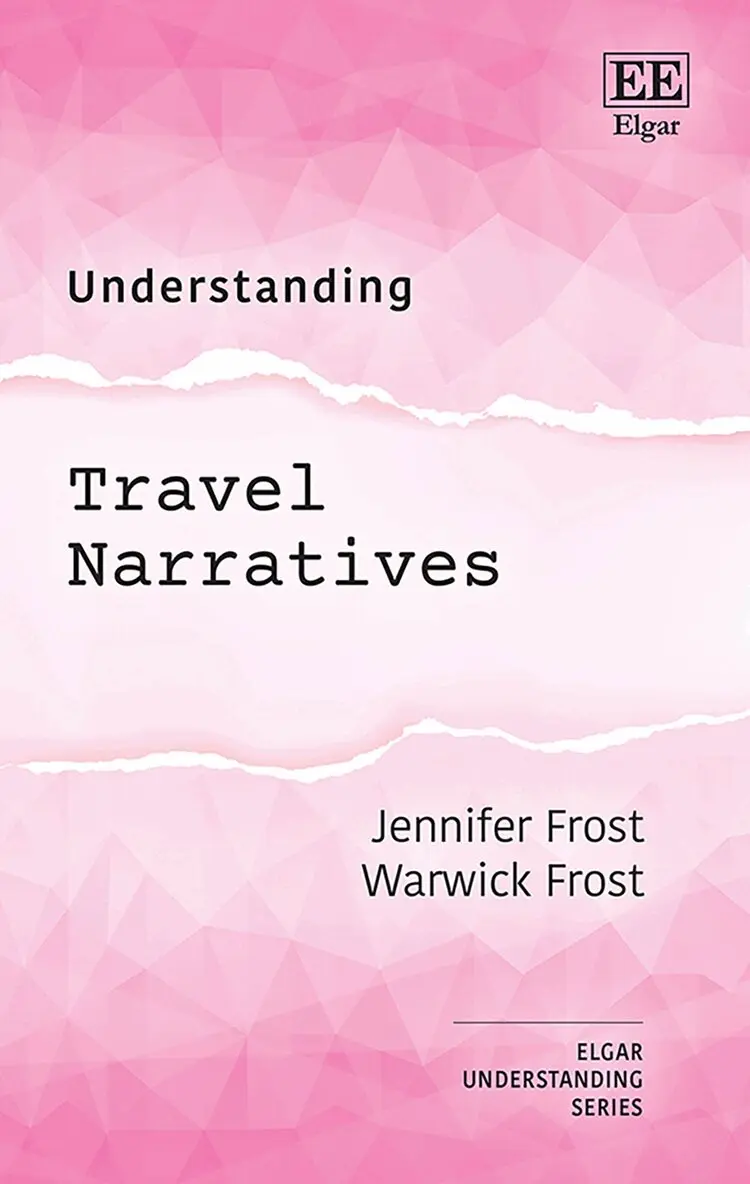
Highlighting the importance of travel narratives in understanding tourism imaginaries, Jennifer and Warwick Frost present global examples of the enduring stories that underpin the way we conceptualise and imagine travel.Chapters explore the historical antecedent of travel narratives, discussing the long development of the concept that begins with oral storytelling, myths and legends and extends through to modern day media such as photographs, books, television, films and social media. With a strong focus on female travellers, they draw on a diverse collection of examples to investigate how travel narratives have changed over time and across different cultural backgrounds. The book assesses the influence of travel narratives on motivations to travel, expectations and the travel experience and in turn, considers how destinations may leverage these narratives to promote themselves and establish connections with potential markets.Understanding Travel Narratives is an enlightening read for students and academics across disciplines, including tourism, geography, sociology, media studies, history and literature.
1 096 kr
Skickas inom 10-15 vardagar
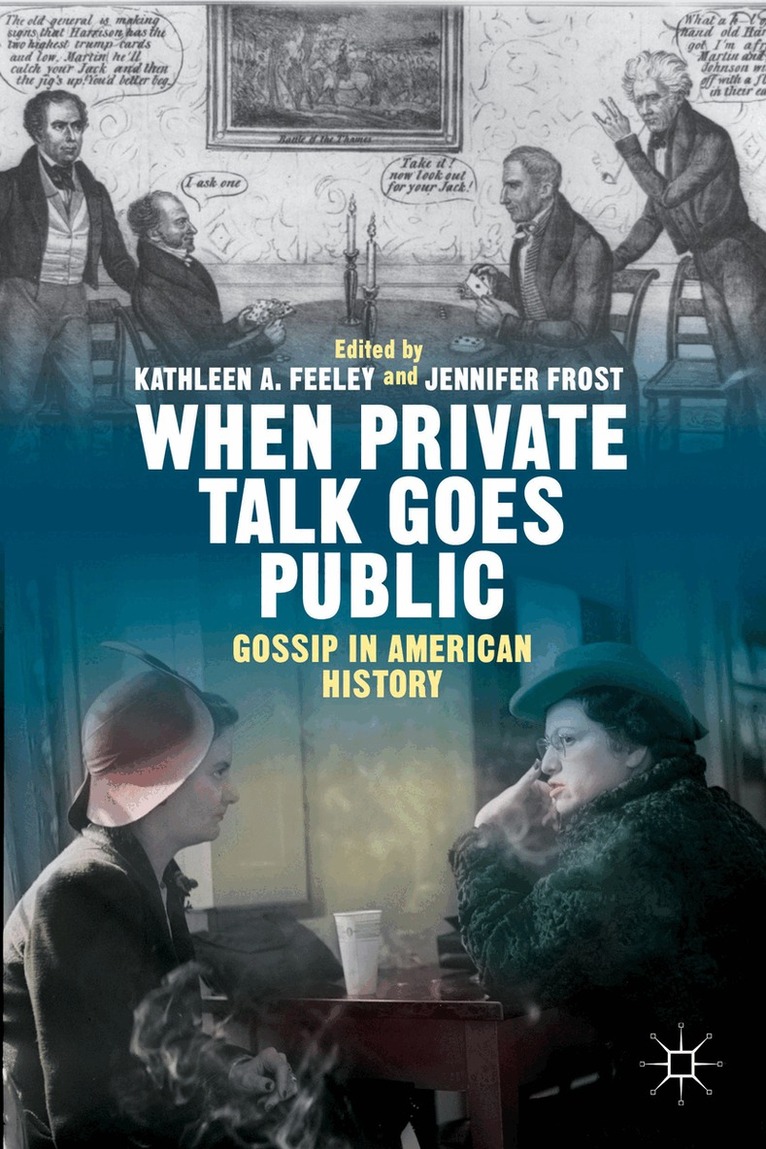
Gossip is one of the most common, and most condemned, forms of discourse in which we engage - even as it is often absorbing and socially significant, it is also widely denigrated. This volume examines fascinating moments in the history of gossip in America, from witchcraft trials to People magazine, helping us to see the subject with new eyes.
1 096 kr
Skickas inom 10-15 vardagar
Gossip is one of the most common, and most condemned, forms of discourse in which we engage - even as it is often absorbing and socially significant, it is also widely denigrated. This volume examines fascinating moments in the history of gossip in America, from witchcraft trials to People magazine, helping us to see the subject with new eyes.
502 kr
Skickas inom 10-15 vardagar
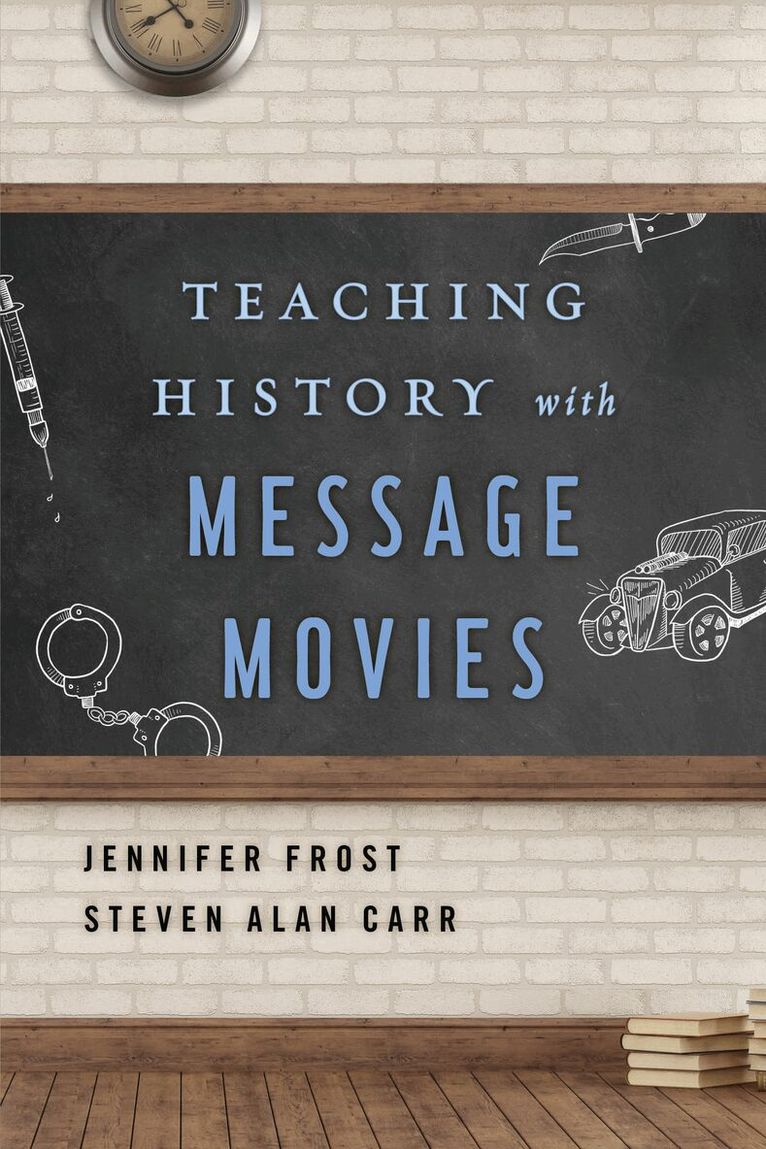
Popular media has become a common means by which students understand both the present and the past. Consequently, more teachers are using various forms of popular culture as pedagogical tools in the history classroom. With their emphasis on issues such as drug and alcohol abuse, sex, race, gender, and violence, social problem films, or “message movies,” offer a compelling look at the eras in which they were made. In order to facilitate the use of social problem films as learning tools, however, teachers of history need a dependable resource.Teaching History with Message Movies is a guide for teaching US history using these films as vivid historical illustrations and tools for student engagement. In addition to covering key themes and concepts, this volume provides an overview of significant issues and related films, a tutorial in using film in historical methodology, user guides for thinking about social problems on screen, and sample exercises and assignments for direct classroom use. Focusing on the issues that plaguing society, the book draws on films such as I Am a Fugitive from a Chain Gang (1932), Gentleman’s Agreement (1947), The Snake Pit (1948), Silkwood (1983) and One Flew Over the Cuckoo’s Nest (1975), among others.This resource enables teachers to effectively use films to examine key social and cultural issues, concepts, and influences in their historical context. Teaching History with Message Movies will be an invaluable asset to any teacher of history in middle- and secondary school settings, as well as at the undergraduate level.
499 kr
Skickas inom 10-15 vardagar
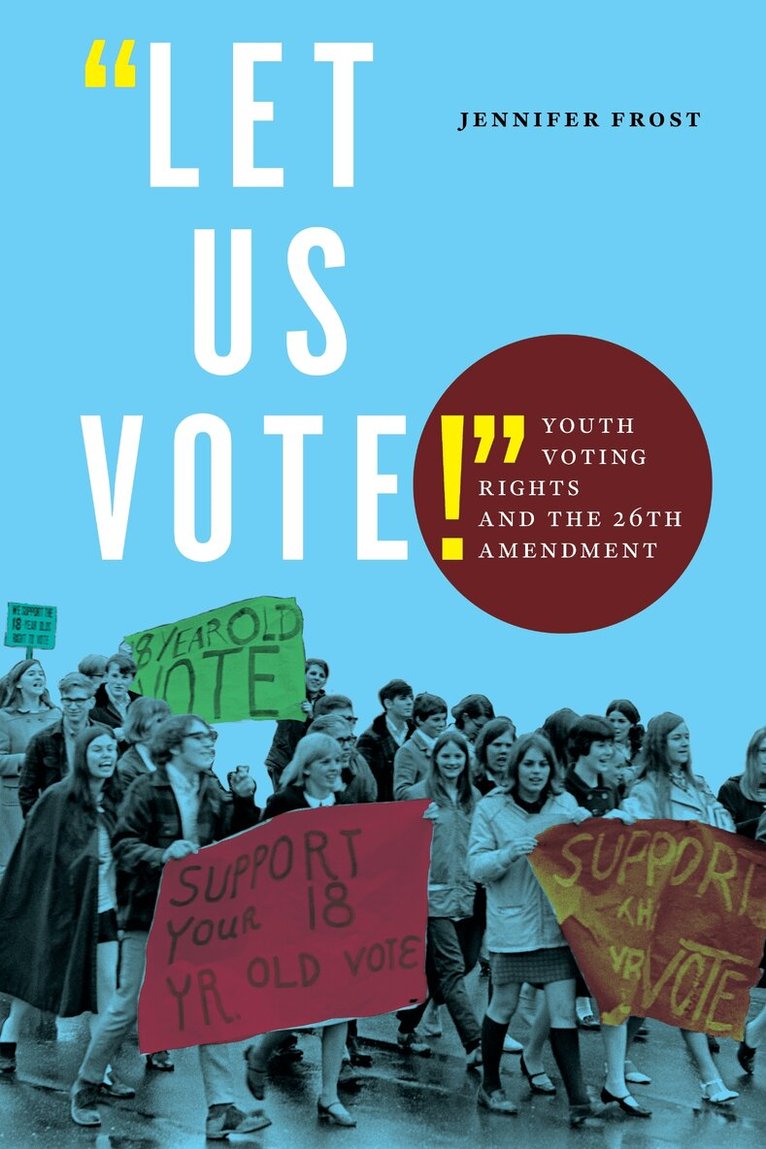
The fascinating tale of how a bipartisan coalition worked successfully to lower the voting age"Let Us Vote!" tells the story of the multifaceted endeavor to achieve youth voting rights in the United States. Over a thirty-year period starting during World War II, Americans, old and young, Democrat and Republican, in politics and culture, built a movement for the 26th Amendment to the US Constitution, which lowered the voting age from twenty-one to eighteen in 1971. This was the last time that the United States significantly expanded voting rights.Jennifer Frost deftly illustrates how the political and social movements of the time brought together bipartisan groups to work tirelessly in pursuit of a lower voting age. In turn, she illuminates the process of achieving political change, with the convergence of "top-down" initiatives and "bottom-up" mobilization, coalition-building, and strategic flexibility. As she traces the progress toward achieving youth suffrage throughout the '60s, Frost reveals how this movement built upon the social justice initiatives of the decade and was deeply indebted to the fight for African American civil and voting rights.2021 marks the fiftieth anniversary of this important constitutional amendment and comes at a time when scrutiny of both voting age and voting rights has been renewed. As the national conversation around climate crisis, gun violence, and police brutality creates a new call for a lower voting age, "Let Us Vote!" provides an essential investigation of how this massive political change occurred, and how it could be brought about again.
278 kr
Skickas inom 7-10 vardagar
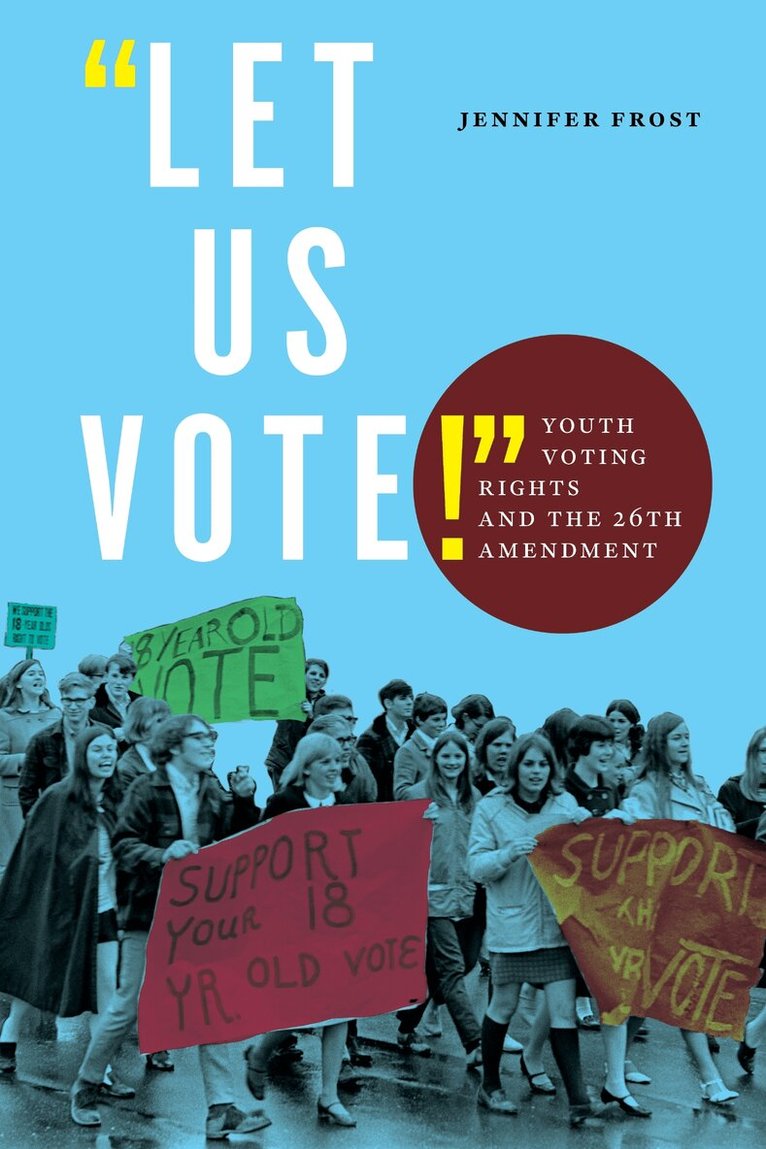
The fascinating tale of how a bipartisan coalition worked successfully to lower the voting age"Let Us Vote!" tells the story of the multifaceted endeavor to achieve youth voting rights in the United States. Over a thirty-year period starting during World War II, Americans, old and young, Democrat and Republican, in politics and culture, built a movement for the 26th Amendment to the US Constitution, which lowered the voting age from twenty-one to eighteen in 1971. This was the last time that the United States significantly expanded voting rights.Jennifer Frost deftly illustrates how the political and social movements of the time brought together bipartisan groups to work tirelessly in pursuit of a lower voting age. In turn, she illuminates the process of achieving political change, with the convergence of "top-down" initiatives and "bottom-up" mobilization, coalition-building, and strategic flexibility. As she traces the progress toward achieving youth suffrage throughout the '60s, Frost reveals how this movement built upon the social justice initiatives of the decade and was deeply indebted to the fight for African American civil and voting rights.2021 marks the fiftieth anniversary of this important constitutional amendment and comes at a time when scrutiny of both voting age and voting rights has been renewed. As the national conversation around climate crisis, gun violence, and police brutality creates a new call for a lower voting age, "Let Us Vote!" provides an essential investigation of how this massive political change occurred, and how it could be brought about again.