
Jennifer Glaser - Böcker
Visar alla böcker från författaren Jennifer Glaser. Handla med fri frakt och snabb leverans.
4 produkter
4 produkter
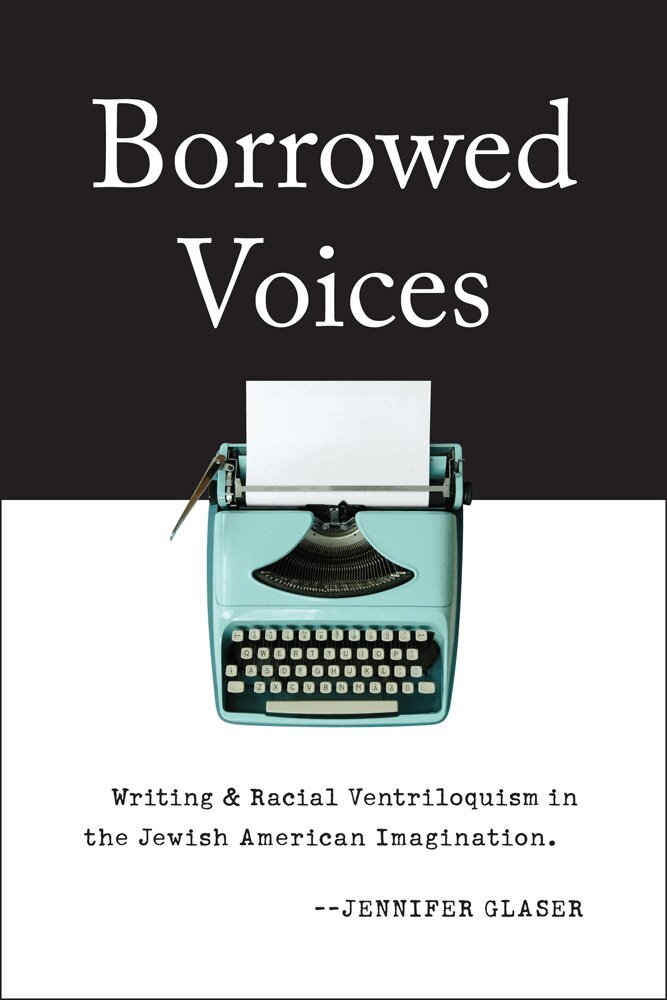
Borrowed Voices
Writing and Racial Ventriloquism in the Jewish American Imagination
Häftad, Engelska, 2016
418 kr
Skickas inom 5-8 vardagar
In the decades following World War II, many American Jews sought to downplay their difference, as a means of assimilating into Middle America. Yet a significant minority, including many prominent Jewish writers and intellectuals, clung to their ethnic difference, using it to register dissent with the status quo and act as spokespeople for non-white America. In this provocative book, Jennifer Glaser examines how racial ventriloquism became a hallmark of Jewish-American fiction, as Jewish writers asserted that their own ethnicity enabled them to speak for other minorities. Rather than simply condemning this racial ventriloquism as a form of cultural appropriation or commending it as an act of empathic imagination, Borrowed Voices offers a nuanced analysis of the technique, judiciously assessing both its limitations and its potential benefits. Glaser considers how the practice of racial ventriloquism has changed over time, examining the books of many well-known writers, including Bernard Malamud, Cynthia Ozick, Philip Roth, Michael Chabon, Saul Bellow, and many others. Bringing Jewish studies into conversation with critical race theory, Glaser also opens up a dialogue between Jewish-American literature and other forms of media, including films, magazines, and graphic novels. Moreover, she demonstrates how Jewish-American fiction can help us understand the larger anxieties about ethnic identity, authenticity, and authorial voice that emerged in the wake of the civil rights movement.
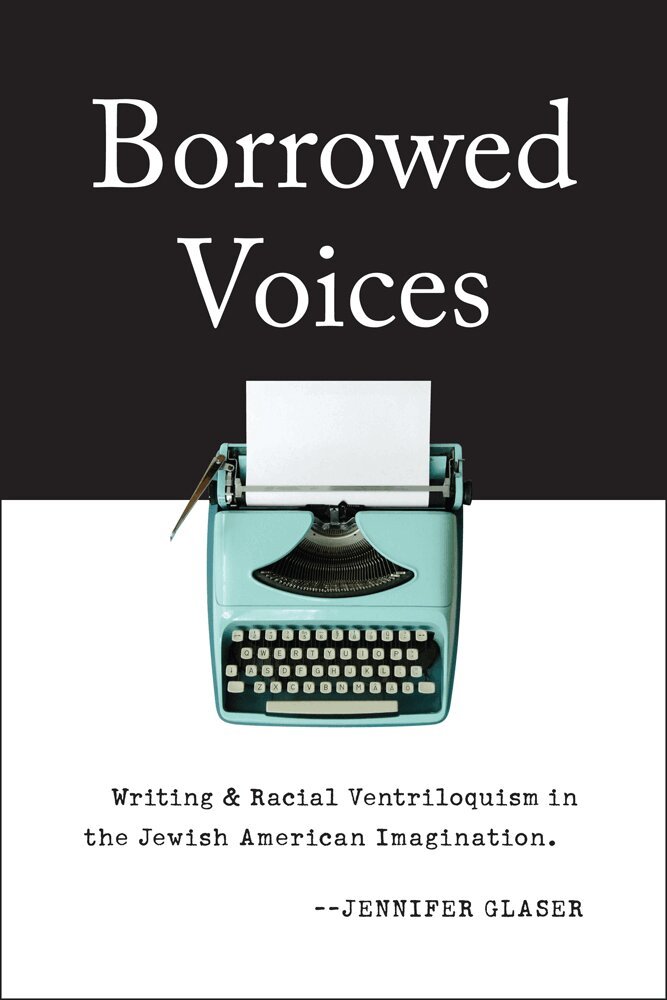
Borrowed Voices
Writing and Racial Ventriloquism in the Jewish American Imagination
Inbunden, Engelska, 2016
1 599 kr
Skickas inom 5-8 vardagar
In the decades following World War II, many American Jews sought to downplay their difference, as a means of assimilating into Middle America. Yet a significant minority, including many prominent Jewish writers and intellectuals, clung to their ethnic difference, using it to register dissent with the status quo and act as spokespeople for non-white America. In this provocative book, Jennifer Glaser examines how racial ventriloquism became a hallmark of Jewish-American fiction, as Jewish writers asserted that their own ethnicity enabled them to speak for other minorities. Rather than simply condemning this racial ventriloquism as a form of cultural appropriation or commending it as an act of empathic imagination, Borrowed Voices offers a nuanced analysis of the technique, judiciously assessing both its limitations and its potential benefits. Glaser considers how the practice of racial ventriloquism has changed over time, examining the books of many well-known writers, including Bernard Malamud, Cynthia Ozick, Philip Roth, Michael Chabon, Saul Bellow, and many others. Bringing Jewish studies into conversation with critical race theory, Glaser also opens up a dialogue between Jewish-American literature and other forms of media, including films, magazines, and graphic novels. Moreover, she demonstrates how Jewish-American fiction can help us understand the larger anxieties about ethnic identity, authenticity, and authorial voice that emerged in the wake of the civil rights movement.
476 kr
Skickas inom 7-10 vardagar
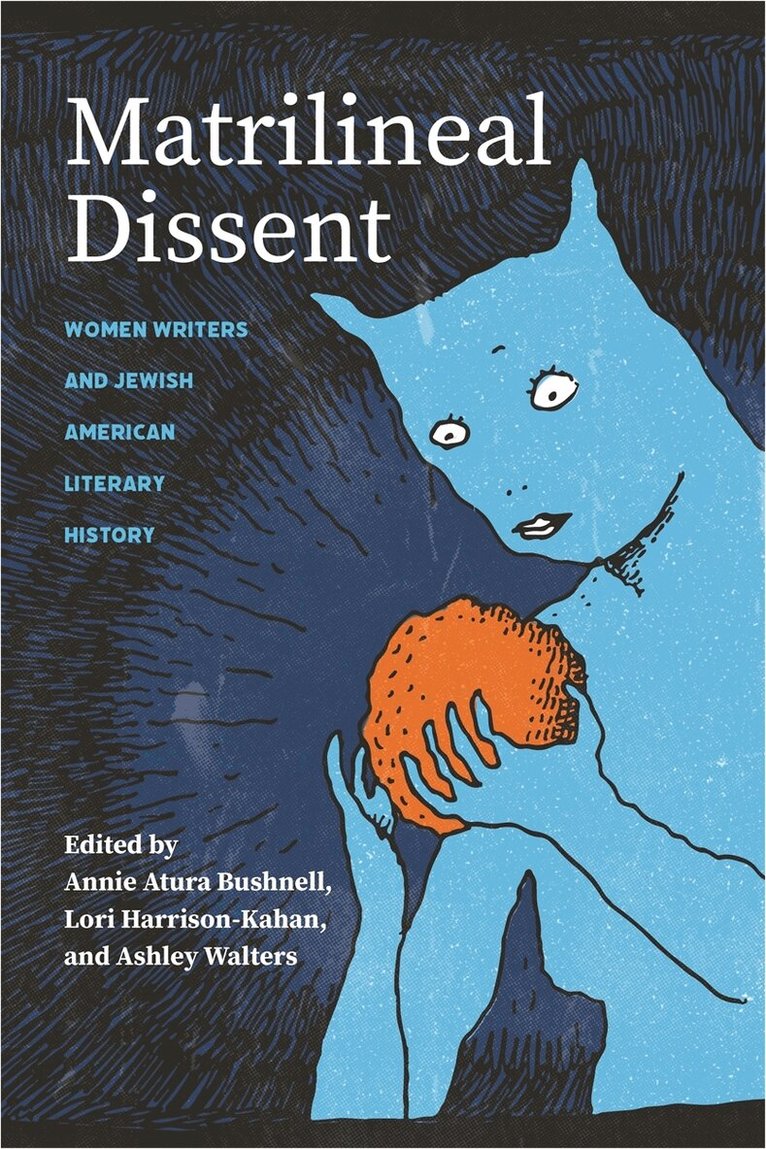
Redefining Jewish American literature through expansive feminist frameworks.Bridging literary studies and cultural history, this edited volume examines Jewish women writers' wide-ranging contributions to American literary culture from the turn of the twentieth century to the present. Matrilineal Dissent features innovative considerations of contemporary autofiction, graphic narratives, and novels by Mizrahi writers as well as middlebrow, Progressive Era, and second-wave feminist literature. Authors discussed herein--such as Roz Chast, Erica Jong, Annie Nathan Meyer, and Adrienne Rich--challenge monolithic representations of Jewishness and gender while imagining radical alternatives. By tracing a matrilineal literary history, this book dissents from readers and critics who continue to describe women's contributions as mere commentaries on and correctives to male-dominated canons. Simultaneously, this volume troubles the politics of inheritance, continuity, and lineage to underscore the ways that literary traditions--like Jewishness and gender--are mutually constitutive and continually in flux.Collectively, contributors reframe Jewish American literary history through feminist approaches that have revolutionized the field, from intersectionality and the #MeToo movement to queer theory and disability studies. Examining both canonical and lesser-known texts, this collection asks: what happens to conventional understandings of Jewish American literature when we center women's writing and acknowledge women as dominant players in Jewish cultural production?
1 140 kr
Skickas inom 7-10 vardagar
Redefining Jewish American literature through expansive feminist frameworks.Bridging literary studies and cultural history, this edited volume examines Jewish women writers' wide-ranging contributions to American literary culture from the turn of the twentieth century to the present. Matrilineal Dissent features innovative considerations of contemporary autofiction, graphic narratives, and novels by Mizrahi writers as well as middlebrow, Progressive Era, and second-wave feminist literature. Authors discussed herein--such as Roz Chast, Erica Jong, Annie Nathan Meyer, and Adrienne Rich--challenge monolithic representations of Jewishness and gender while imagining radical alternatives. By tracing a matrilineal literary history, this book dissents from readers and critics who continue to describe women's contributions as mere commentaries on and correctives to male-dominated canons. Simultaneously, this volume troubles the politics of inheritance, continuity, and lineage to underscore the ways that literary traditions--like Jewishness and gender--are mutually constitutive and continually in flux.Collectively, contributors reframe Jewish American literary history through feminist approaches that have revolutionized the field, from intersectionality and the #MeToo movement to queer theory and disability studies. Examining both canonical and lesser-known texts, this collection asks: what happens to conventional understandings of Jewish American literature when we center women's writing and acknowledge women as dominant players in Jewish cultural production?