Jennifer Kling - Böcker
Visar alla böcker från författaren Jennifer Kling. Handla med fri frakt och snabb leverans.
9 produkter
9 produkter
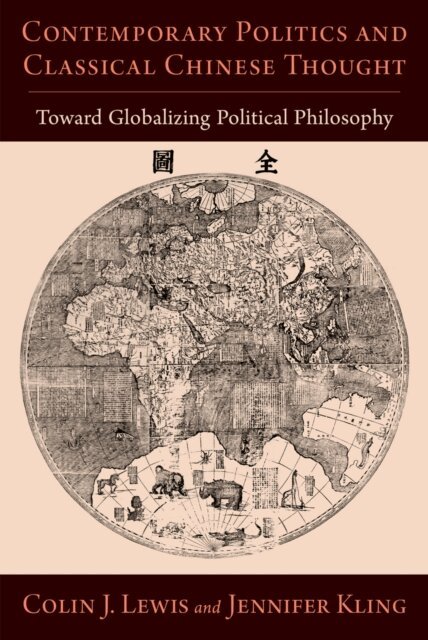
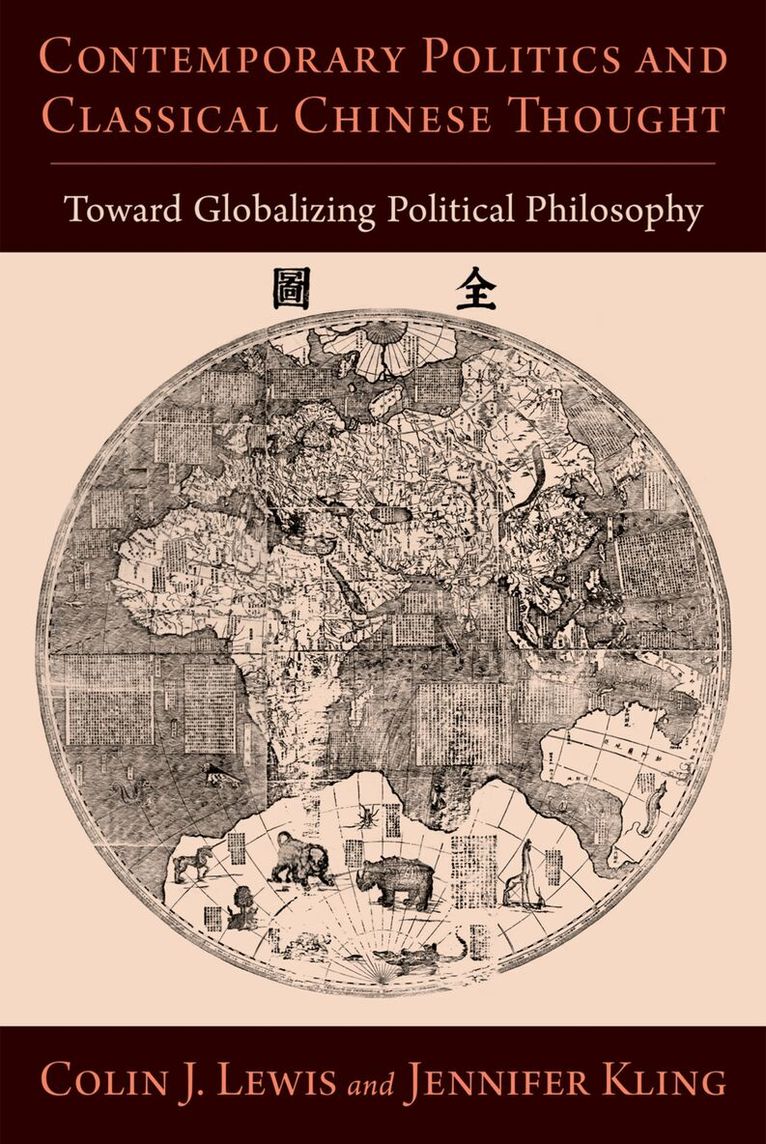
Contemporary Politics and Classical Chinese Thought
Toward Globalizing Political Philosophy
Inbunden, Engelska, 2025
739 kr
Skickas inom 5-8 vardagar
Current approaches to contemporary political philosophy are disproportionately western, and the need for more diverse and global perspectives is urgent. To address this imbalance Colin J. Lewis and Jennifer Kling take up a series of contemporary topics in political philosophy and consider how the application of classical Chinese thought can engender new insights and enable progress on some of the thorniest sociopolitical issues. They argue that classical Chinese political theories and views have much to say that is relevant to our contemporary life, and buttress their argument with case studies. Each chapter takes up a particular contemporary sociopolitical issue, describes standard Western approaches to it, and then applies classical Chinese thought to the task of either re-framing it, or suggesting a novel solution.The book engages with and makes progress on several current sociopolitical issues, including the construction and deconstruction of political narratives, the legal standing of robots, the relationships between people, communities, and the environment, the funding (or defunding) of police, the status of private militias, and the question of justified revolution in liberal democracies, among others. While classical Chinese philosophy has been previously dismissed in some circles as inaccessible or banal, Lewis and Kling argue that, to the contrary, it is a powerful lens through which to view and dissect today's challenges.
426 kr
Skickas inom 10-15 vardagar
Can war be justified? Pacifists answer that it cannot; they oppose war and advocate for nonviolent alternatives to war. But defenders of just war theory argue that in some circumstances, when the effectiveness of nonviolence is limited, wars can be justified.In this book, two philosophers debate this question, drawing on contemporary scholarship and new developments in thinking about pacifism and just war theory. Andrew Fiala defends the pacifist position, while Jennifer Kling defends just war traditions. Fiala argues that pacifism follows from the awful reality of war and the nonviolent goal of building a more just and peaceful world. Kling argues that war is sometimes justified when it is a last-ditch, necessary effort to defend people and their communities from utter destruction and death. Pulling from global traditions and histories, their debate will captivate anyone who has wondered or worried about the morality of political violence and military force. Topics discussed include ethical questions of self-defense and other-defense, the great analogy between individuals and states, evolving technologies and methods of warfighting, moral injury and post-traumatic stress disorder, broader political and communal issues, and the problem of regional security in a globalizing world. The authors consider cultural and religious issues as well as the fundamental question of moral obligation in a world saturated in military conflict. The book was written in the aftermath of the war on terrorism and includes reflection on lessons learned from the past decades of war, as well as hopes for the future in light of emerging threats in Europe and elsewhere.The book is organized in a user-friendly fashion. Each author presents a self-contained argument, which is followed by a series of responses, replies, and counter-arguments. Throughout, the authors model civil discourse by emphasizing points of agreement and remaining areas of disagreement. The book includes reader-friendly summaries, a glossary of key concepts, and suggestions for further study. All of this will help students and scholars follow the authors’ dialogue so they may develop their own answer to the question of whether war can be justified.Key FeaturesSummarizes the debate between pacifism and just war theoryConsiders historical and traditional sources as well as contemporary scholarship and applicationsModels philosophical dialogue and civil discourse, while seeking common groundDiscusses issues of concern in contemporary warfighting and peacemaking, while offering an analysis of the war on terrorism
1 900 kr
Skickas inom 10-15 vardagar
Can war be justified? Pacifists answer that it cannot; they oppose war and advocate for nonviolent alternatives to war. But defenders of just war theory argue that in some circumstances, when the effectiveness of nonviolence is limited, wars can be justified.In this book, two philosophers debate this question, drawing on contemporary scholarship and new developments in thinking about pacifism and just war theory. Andrew Fiala defends the pacifist position, while Jennifer Kling defends just war traditions. Fiala argues that pacifism follows from the awful reality of war and the nonviolent goal of building a more just and peaceful world. Kling argues that war is sometimes justified when it is a last-ditch, necessary effort to defend people and their communities from utter destruction and death. Pulling from global traditions and histories, their debate will captivate anyone who has wondered or worried about the morality of political violence and military force. Topics discussed include ethical questions of self-defense and other-defense, the great analogy between individuals and states, evolving technologies and methods of warfighting, moral injury and post-traumatic stress disorder, broader political and communal issues, and the problem of regional security in a globalizing world. The authors consider cultural and religious issues as well as the fundamental question of moral obligation in a world saturated in military conflict. The book was written in the aftermath of the war on terrorism and includes reflection on lessons learned from the past decades of war, as well as hopes for the future in light of emerging threats in Europe and elsewhere.The book is organized in a user-friendly fashion. Each author presents a self-contained argument, which is followed by a series of responses, replies, and counter-arguments. Throughout, the authors model civil discourse by emphasizing points of agreement and remaining areas of disagreement. The book includes reader-friendly summaries, a glossary of key concepts, and suggestions for further study. All of this will help students and scholars follow the authors’ dialogue so they may develop their own answer to the question of whether war can be justified.Key FeaturesSummarizes the debate between pacifism and just war theoryConsiders historical and traditional sources as well as contemporary scholarship and applicationsModels philosophical dialogue and civil discourse, while seeking common groundDiscusses issues of concern in contemporary warfighting and peacemaking, while offering an analysis of the war on terrorism
1 142 kr
Skickas inom 10-15 vardagar
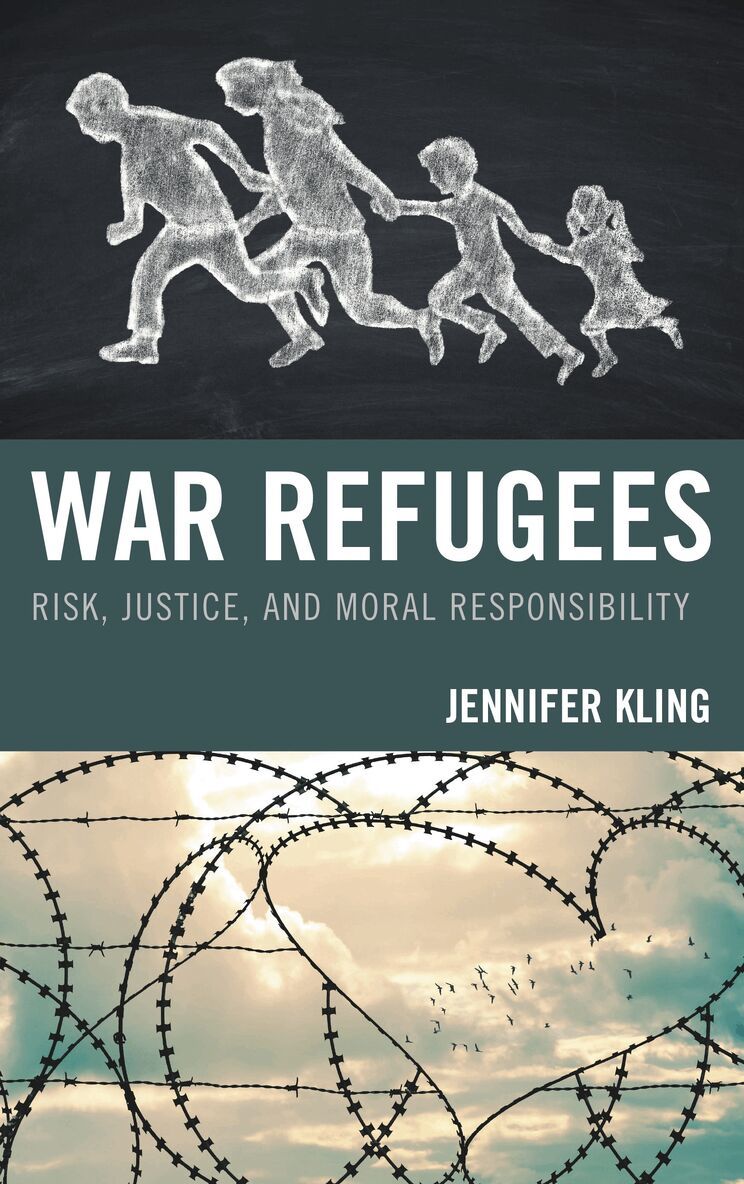
The current refugee crisis is unparalleled in history in its size and severity. According to the UNHCR, there are roughly 67 million refugees worldwide, the vast majority of whom are refugees as the result of wars and other military actions. This social and political crisis cries out for normative explanation and analysis. Morally and politically, how should we understand the fact that 1 in every 122 humans is a refugee? How should we respond to it, and why?Jennifer Kling argues that war refugees have suffered, and continue to suffer, a series of harms, wrongs, and oppressions, and so are owed recompense, restitution, and aid—as a matter of justice—by sociopolitical institutions around the world. She makes the case that war refugees should be viewed and treated differently than migrants, due to their particular circumstances, but that their circumstances do not wholly alleviate their own moral responsibilities. We must stop treating refugees as objects to be moved around on the global stage, Kling contends, and instead see them as people, with their own subjective experiences of the world, who might surprise us with their words and works.While targeted toward students and scholars of philosophy, War Refugees: Risk, Justice, and Moral Responsibility will also be of interest to those working in political science, international relations, and foreign policy analysis, and, more broadly, to anyone who is interested in thinking critically about the ongoing refugee crisis.
515 kr
Skickas inom 10-15 vardagar
The current refugee crisis is unparalleled in history in its size and severity. According to the UNHCR, there are roughly 67 million refugees worldwide, the vast majority of whom are refugees as the result of wars and other military actions. This social and political crisis cries out for normative explanation and analysis. Morally and politically, how should we understand the fact that 1 in every 122 humans is a refugee? How should we respond to it, and why?Jennifer Kling argues that war refugees have suffered, and continue to suffer, a series of harms, wrongs, and oppressions, and so are owed recompense, restitution, and aid—as a matter of justice—by sociopolitical institutions around the world. She makes the case that war refugees should be viewed and treated differently than migrants, due to their particular circumstances, but that their circumstances do not wholly alleviate their own moral responsibilities. We must stop treating refugees as objects to be moved around on the global stage, Kling contends, and instead see them as people, with their own subjective experiences of the world, who might surprise us with their words and works.While targeted toward students and scholars of philosophy, War Refugees: Risk, Justice, and Moral Responsibility will also be of interest to those working in political science, international relations, and foreign policy analysis, and, more broadly, to anyone who is interested in thinking critically about the ongoing refugee crisis.
434 kr
Skickas inom 10-15 vardagar
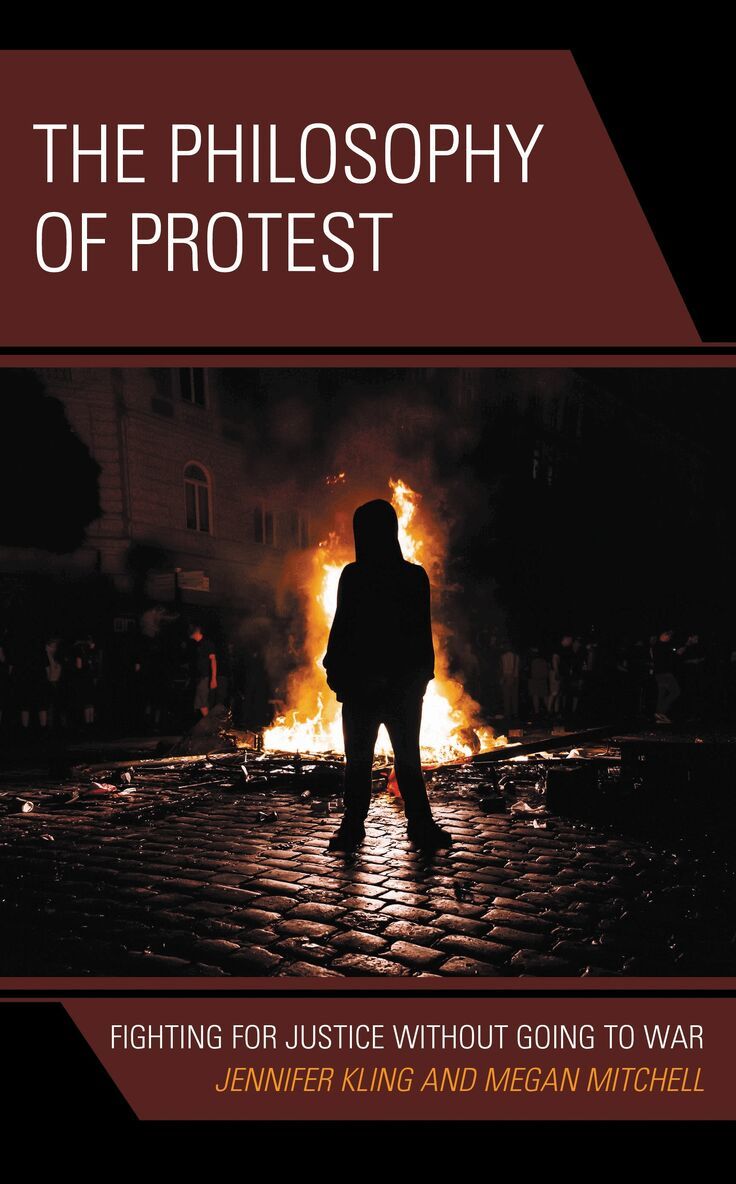
Protest is a critical part of the contemporary political landscape. Despite the prevalence of protest as a real-world practice, most liberal political theory limits its focus on protest to ideal conditions. This book takes up the question of how to think about protest, from within the context of liberal political theory, in the face of serious, substantial, ongoing, and actual injustices—in short, a theory of protest for our world. What can or must protest include? What, if anything, must it avoid? Against much of the popular discourse, the authors defend the view that suitably constrained violent political protest is sometimes justified. Violent political protest is not simply revolution by any other name—it’s a last-ditch effort to remedy injustice without going to war.
1 076 kr
Skickas inom 10-15 vardagar
Protest is a critical part of the contemporary political landscape. Despite the prevalence of protest as a real-world practice, most liberal political theory limits its focus on protest to ideal conditions. This book takes up the question of how to think about protest, from within the context of liberal political theory, in the face of serious, substantial, ongoing, and actual injustices—in short, a theory of protest for our world. What can or must protest include? What, if anything, must it avoid? Against much of the popular discourse, the authors defend the view that suitably constrained violent political protest is sometimes justified. Violent political protest is not simply revolution by any other name—it’s a last-ditch effort to remedy injustice without going to war.
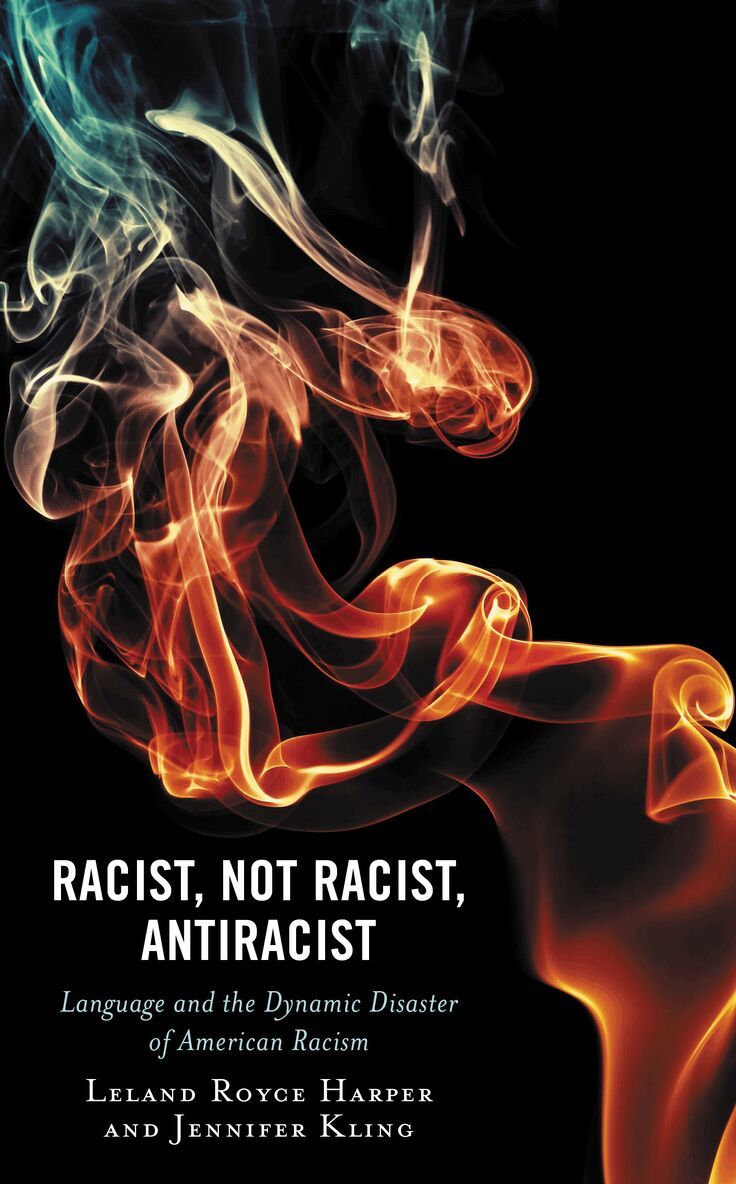
Racist, Not Racist, Antiracist
Language and the Dynamic Disaster of American Racism
Inbunden, Engelska, 2022
1 076 kr
Skickas inom 10-15 vardagar
“Hey, that was kind of racist.”“I'm not a racist! I have Black friends.”This exchange highlights a problem with how people in the United States tend to talk about racially tricky situations. As Racist, Not Racist, Antiracist: Language and the Dynamic Disaster of American Racism explores, such situations are ordinarily categorized as either racist or not racist (or, in other cases, as antiracist). The problem is, there are often situations that are racially not good, but that we do not want to categorize as racist, either. However, since we don’t have the language to describe this in-between, we are forced to fall back on the racist/not racist/antiracist trinary, which tends to shut down productive discussion. This is especially true for white people, who tend to take claims of racism—be they interpersonal or institutional—as a personal attack. This is problematic, not only because it means that white people never learn about their own racially troubling behaviors, but also because such fragility keeps them from being able to engage in productive discussions about systemic racial oppression. Leland Harper and Jennifer Kling demonstrate how expanding our racial vocabulary is crucial for the attainment of justice equally enjoyed by all.
Racist, Not Racist, Antiracist
Language and the Dynamic Disaster of American Racism
Häftad, Engelska, 2024
434 kr
Skickas inom 10-15 vardagar
“Hey, that was kind of racist.”“I'm not a racist! I have Black friends.”This exchange highlights a problem with how people in the United States tend to talk about racially tricky situations. As Racist, Not Racist, Antiracist: Language and the Dynamic Disaster of American Racism explores, such situations are ordinarily categorized as either racist or not racist (or, in other cases, as antiracist). The problem is, there are often situations that are racially not good, but that we do not want to categorize as racist, either. However, since we don’t have the language to describe this in-between, we are forced to fall back on the racist/not racist/antiracist trinary, which tends to shut down productive discussion. This is especially true for white people, who tend to take claims of racism—be they interpersonal or institutional—as a personal attack. This is problematic, not only because it means that white people never learn about their own racially troubling behaviors, but also because such fragility keeps them from being able to engage in productive discussions about systemic racial oppression. Leland Harper and Jennifer Kling demonstrate how expanding our racial vocabulary is crucial for the attainment of justice equally enjoyed by all.