Jennifer P. Mathews - Böcker
Visar alla böcker från författaren Jennifer P. Mathews. Handla med fri frakt och snabb leverans.
4 produkter
4 produkter
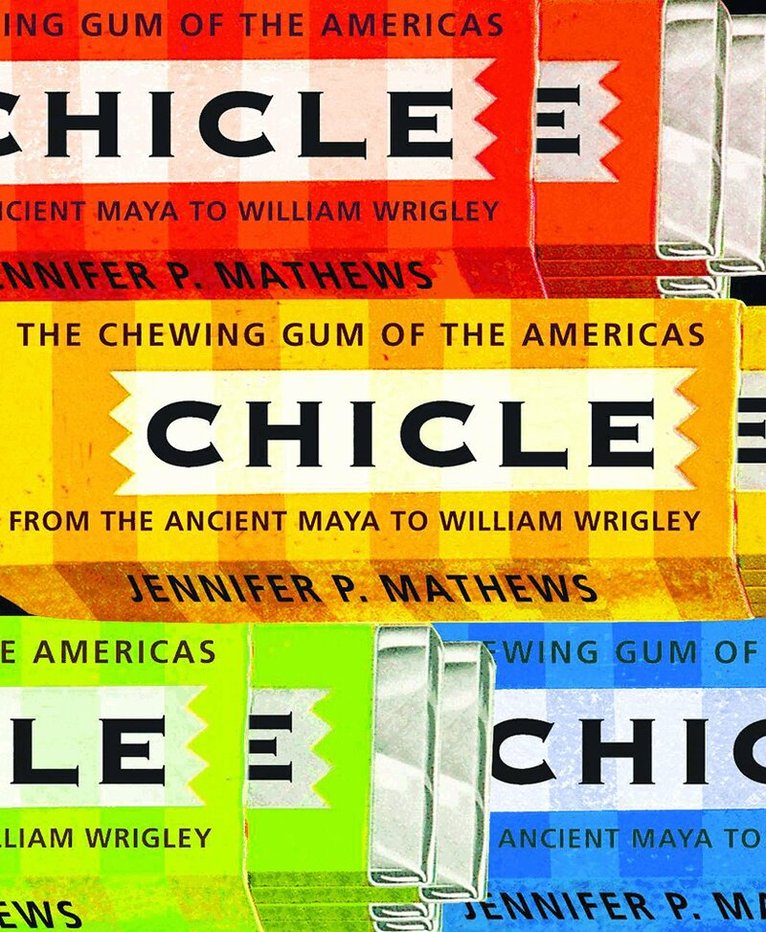
Chicle
The Chewing Gum of the Americas, from the Ancient Maya to William Wrigley
Häftad, Engelska, 2009
264 kr
Skickas inom 7-10 vardagar
Although Juicy Fruit(R) gum was introduced to North Americans in 1893, Native Americans in Mesoamerica were chewing gum thousands of years earlier. And although in the last decade biographies have been devoted to salt, spices, chocolate, coffee, and other staples of modern life, until now there has never been a full history of chewing gum.Chicle is a history in four acts, all of them focused on the sticky white substance that seeps from the sapodilla tree when its bark is cut. First, Jennifer Mathews recounts the story of chicle and its earliest-known adherents, the Maya and Aztecs. Second, with the assistance of botanist Gillian Schultz, Mathews examines the sapodilla tree itself, an extraordinarily hardy plant that is native only to Mesoamerica and the Caribbean. Third, Mathews presents the fascinating story of the chicle and chewing gum industry over the last hundred plus years, a tale (like so many twentieth-century tales) of greed, growth, and collapse.In closing, Mathews considers the plight of the chicleros, the extractors who often work by themselves tapping trees deep in the forests, and how they have emerged as icons of local pop cultureportrayed as fearless, hard-drinking brawlers, people to be respected as well as feared.Before Dentyne(R) and Chiclets(R), before bubble gum comic strips and the Doublemint(R) twins, there was gum, oozing from jungle trees like melting candle wax under the slash of a machete. Chicle tells us everything that happened next. It is a spellbinding story.
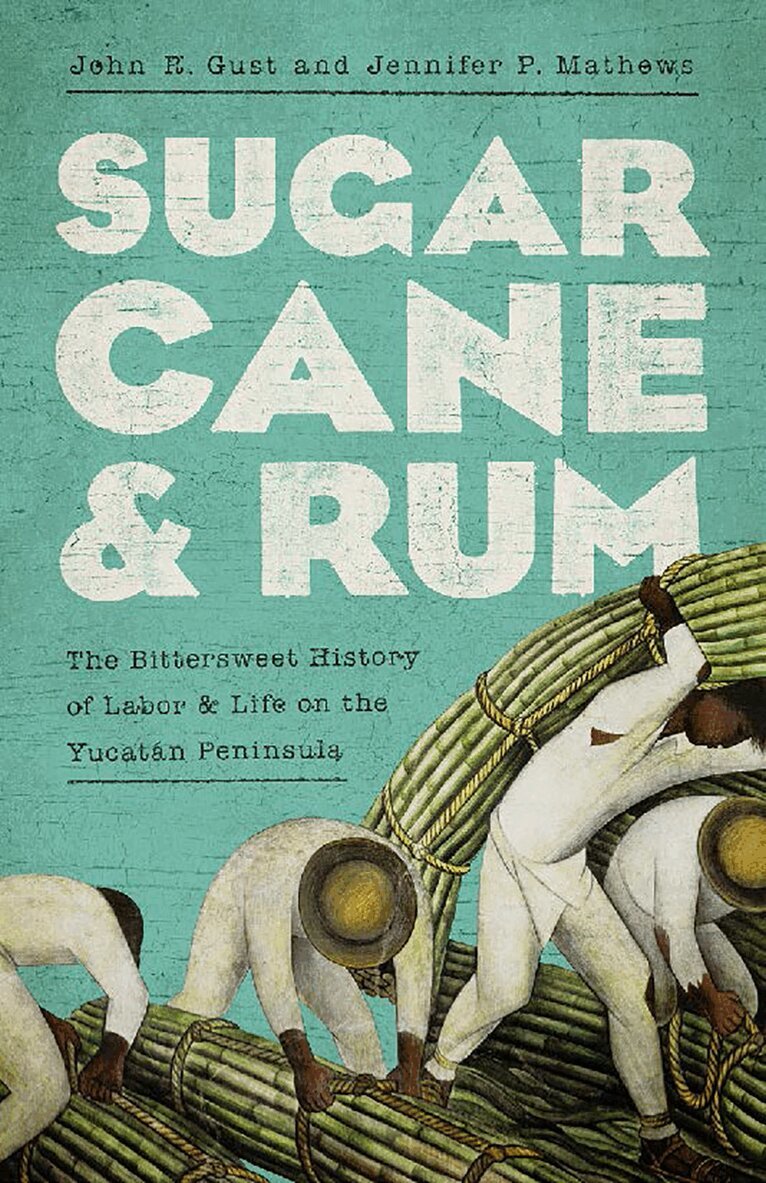
Sugarcane and Rum
The Bittersweet History of Labor and Life on the Yucatán Peninsula
Häftad, Engelska, 2020
332 kr
Skickas inom 7-10 vardagar
While the Yucatán Peninsula of Mexico may conjure up images of vacation getaways and cocktails by the sea, these easy stereotypes hide a story filled with sweat and toil. The story of sugarcane and rum production in the Caribbean has been told many times. But few know the bittersweet story of sugar and rum in the jungles of the Yucatán Peninsula during the nineteenth century. This is much more than a history of coveted commodities. The unique story that unfolds in John R. Gust and Jennifer P. Mathews's new history Sugarcane and Rum is told through the lens of Maya labourers who worked under brutal conditions on small haciendas to harvest sugarcane and produce rum.Gust and Mathews weave together ethnographic interviews and historical archives with archaeological evidence to bring the daily lives of Maya workers into focus. They lived in a cycle of debt, forced to buy all of their supplies from the company store and take loans from the hacienda owners. And yet they had a certain autonomy because the owners were so dependent on their labour at harvest time. We also see how the rise of cantinas and distilled alcohol in the nineteenth century affected traditional Maya culture and that the economies of Cancún and the Mérida area are predicated on the rum-influenced local social systems of the past. Sugarcane and Rum brings this bittersweet story to the present and explains how rum continues to impact the Yucatán and the people who have lived there for millennia.
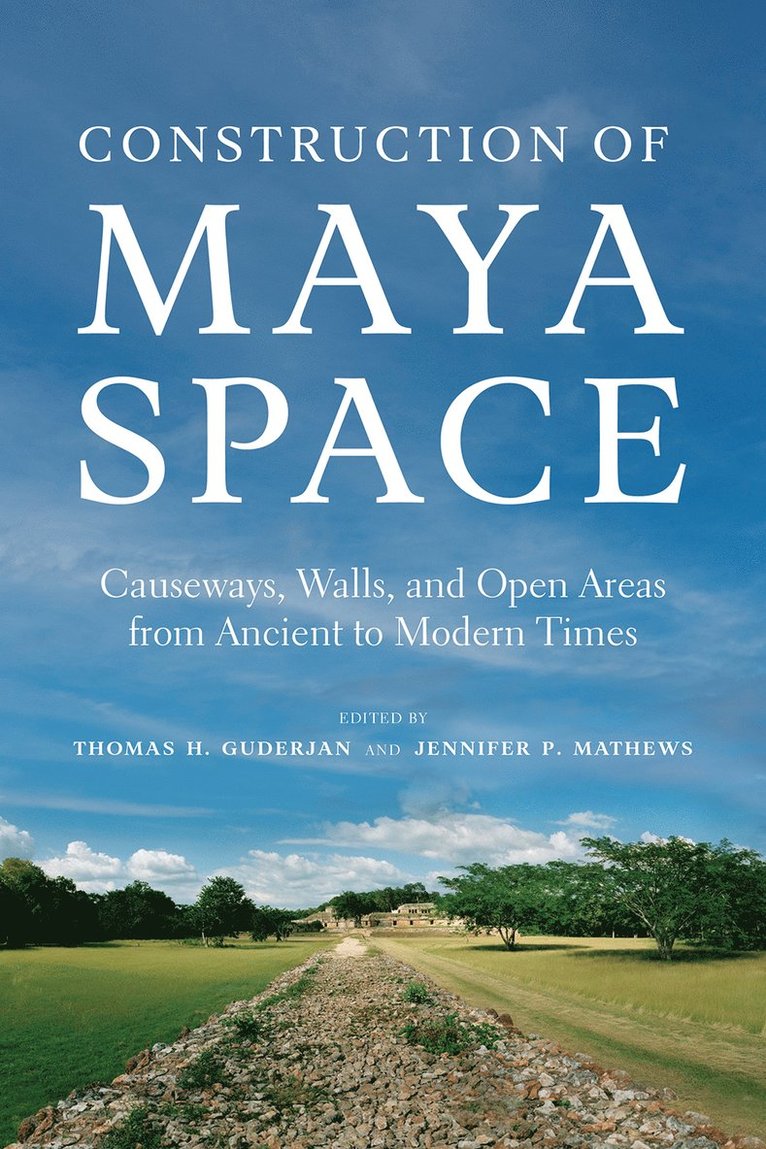
Construction of Maya Space
Causeways, Walls, and Open Areas from Ancient to Modern Times
Inbunden, Engelska, 2023
928 kr
Skickas inom 7-10 vardagar
Construction of Maya Spaces sheds new light on how Maya society may have shaped--and been shaped by--the constructed environment. Moving beyond the towering pyramids and temples often associated with Maya spaces, this volume focuses on how those in power used features such as walls, roads, rails, and symbolic boundaries to control those without power, and how the powerless pushed back.Through fifteen engaging chapters, contributors examine the construction of spatial features by ancient, historic, and contemporary Maya elite and nonelite peoples to understand how they used spaces differently. Through cutting-edge methodologies and case studies, chapters consider how and why Maya people connected and divided the spaces they used daily in their homes, in their public centers, in their sacred places such as caves, and across their regions to inform us about the mental constructs they used to create their lives and cultures of the past.ContributorsElias Alcocer PuertoAlejandra Alonso OlveraTraci ArdrenJaime J. AweAlejandra Badillo SánchezNicolas C. BarthGrace Lloyd BascopéAdolpho Iván Batún-AlpucheElizabeth BecknerM. Kathryn BrownBernadette CapMiguel Covarrubias ReynaJuan Fernandez DiazAlberto G. Flores ColinThomas H. GuderjanC. Colleen HanrattyHéctor Hernández ÁlvarezScott R. HutsonJoshua J. KwokaWhitney LytleAline MagnoniJennifer P. MathewsStephanie J. MillerShawn G. MortonHolley MoyesShannon PlankDominique RissoloPatrick RohrerCarmen Rojas SandovalJustine M. ShawJ. Gregory SmithTravis W. StantonKarl A. TaubeDaniel Vallejo-Cáliz
400 kr
Skickas inom 7-10 vardagar
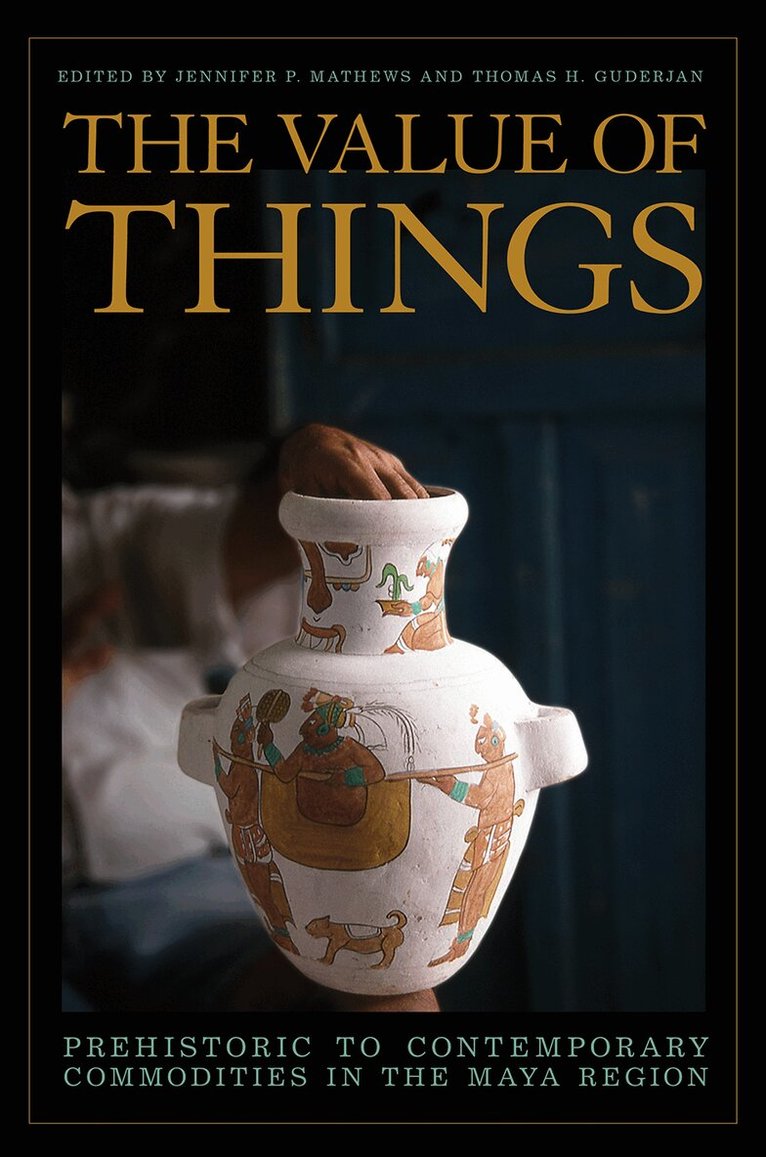
Jade, stone tools, honey and wax, ceramics, rum, land. What gave these commodities value in the Maya world, and how were those values determined? What factors influenced the rise and fall of a commodity's value? The Value of Things examines the social and ritual value of commodities in Mesoamerica, providing a new and dynamic temporal view of the roles of trade of commodities and elite goods from the prehistoric Maya to the present. Editors Jennifer P. Mathews and Thomas H. Guderjan begin the volume with a review of the theoretical literature related to the 'value of things.' Throughout the volume, well-known scholars offer chapters that examine the value of specific commodities in a broad time frame - from prehistoric, colonial, and historic times to the present. Using cases from the Maya world on both the local level and the macro-regional, contributors look at jade, agricultural products (ancient and contemporary), stone tools, salt, cacao (chocolate), honey and wax, henequen, sugarcane and rum, land, ceramic (ancient and contemporary), and contemporary tourist handicrafts. Each chapter author looks into what made their specific commodity valuable to ancient, historic, and contemporary peoples in the Maya region. Often a commodity's worth goes far beyond its financial value indeed, in some cases, it may not even be viewed as something that can be sold. Other themes include the rise and fall in commodity values based on perceived need, rarity or overproduction, and change in available raw materials the domestic labor side of commodities, including daily life of the laborers and relationships between elites and nonelites in production. Examining, explaining, and theorizing how people ascribe value to what they trade, this scholarly volume provides a rich look at local and regional Maya case studies through centuries of time.Contributors:Rani T. AlexanderDean E. ArnoldTimothy BeachBriana BiancoSteven BozarthTiffany C. CainScott L. FedickThomas H. GuderjanJohn GustEleanor Harrison-BuckBrigitte KovacevichSamantha KrauseJoshua J. KwokaRichard M. LeventhalSheryl Luzzadder-BeachJennifer P. MathewsHeather McKillopAllan D. MeyersGary RaysonMary Katherine ScottE. Cory Sills