Jennifer R. Nájera - Böcker
Visar alla böcker från författaren Jennifer R. Nájera. Handla med fri frakt och snabb leverans.
6 produkter
6 produkter
501 kr
Skickas inom 10-15 vardagar
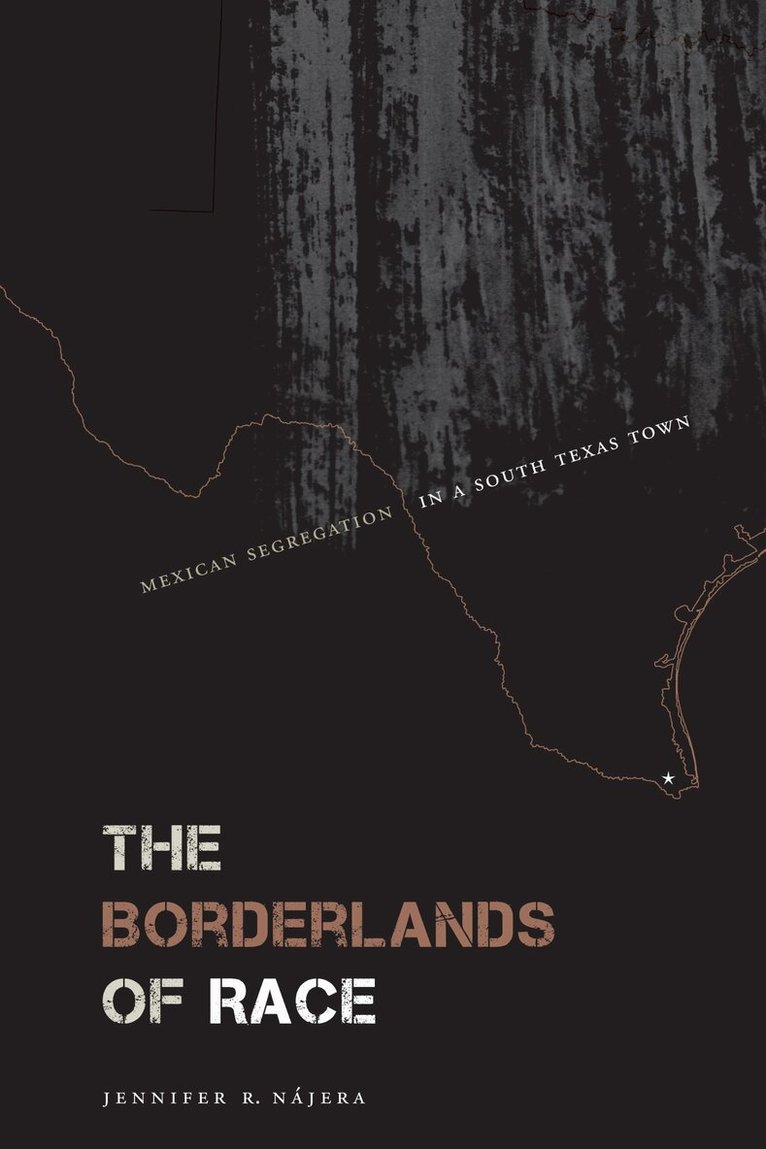
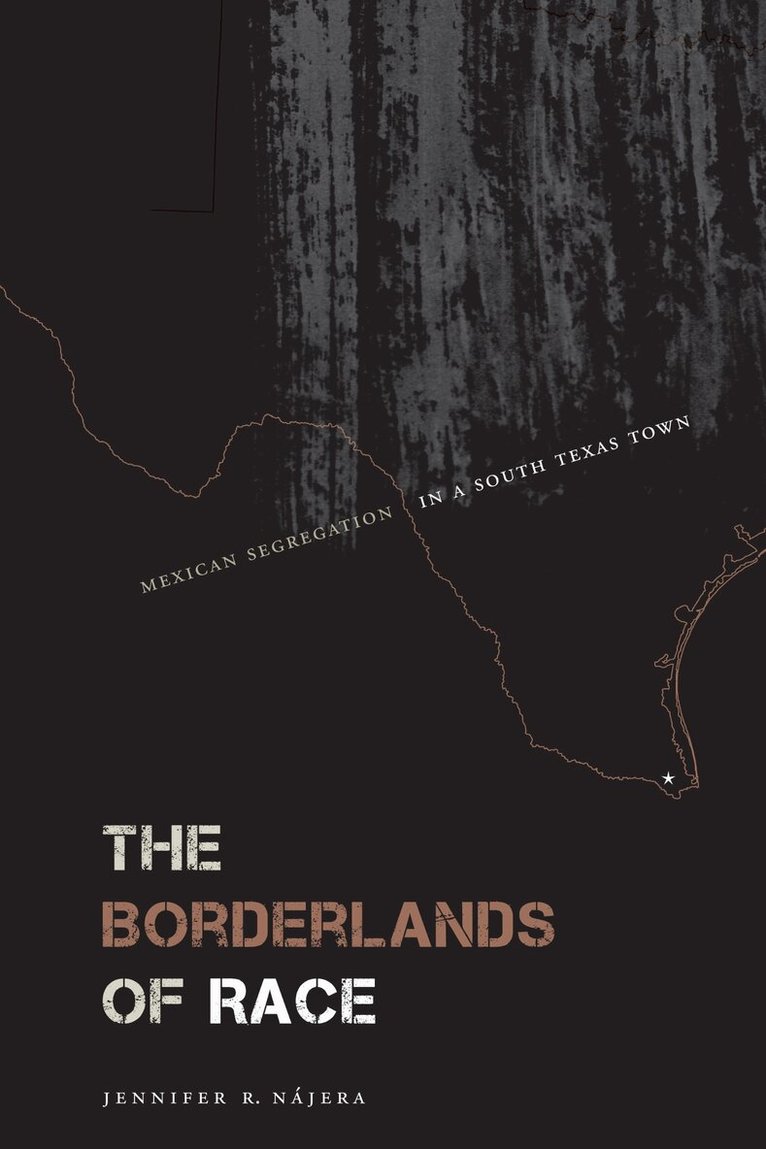
Throughout much of the twentieth century, Mexican Americans experienced segregation in many areas of public life, but the structure of Mexican segregation differed from the strict racial divides of the Jim Crow South. Factors such as higher socioeconomic status, lighter skin color, and Anglo cultural fluency allowed some Mexican Americans to gain limited access to the Anglo power structure. Paradoxically, however, this partial assimilation made full desegregation more difficult for the rest of the Mexican American community, which continued to experience informal segregation long after federal and state laws officially ended the practice.In this historical ethnography, Jennifer R. NÁjera offers a layered rendering and analysis of Mexican segregation in a South Texas community in the first half of the twentieth century. Using oral histories and local archives, she brings to life Mexican origin peoples’ experiences with segregation. Through their stories and supporting documentary evidence, NÁjera shows how the ambiguous racial status of Mexican origin people allowed some of them to be exceptions to the rule of Anglo racial dominance. She demonstrates that while such exceptionality might suggest the permeability of the color line, in fact the selective and limited incorporation of Mexicans into Anglo society actually reinforced segregation by creating an illusion that the community had been integrated and no further changes were needed. NÁjera also reveals how the actions of everyday people ultimately challenged racial/racist ideologies and created meaningful spaces for Mexicans in spheres historically dominated by Anglos.
240 kr
Skickas inom 10-15 vardagar
Throughout much of the twentieth century, Mexican Americans experienced segregation in many areas of public life, but the structure of Mexican segregation differed from the strict racial divides of the Jim Crow South. Factors such as higher socioeconomic status, lighter skin color, and Anglo cultural fluency allowed some Mexican Americans to gain limited access to the Anglo power structure. Paradoxically, however, this partial assimilation made full desegregation more difficult for the rest of the Mexican American community, which continued to experience informal segregation long after federal and state laws officially ended the practice.In this historical ethnography, Jennifer R. NÁjera offers a layered rendering and analysis of Mexican segregation in a South Texas community in the first half of the twentieth century. Using oral histories and local archives, she brings to life Mexican origin peoples’ experiences with segregation. Through their stories and supporting documentary evidence, NÁjera shows how the ambiguous racial status of Mexican origin people allowed some of them to be exceptions to the rule of Anglo racial dominance. She demonstrates that while such exceptionality might suggest the permeability of the color line, in fact the selective and limited incorporation of Mexicans into Anglo society actually reinforced segregation by creating an illusion that the community had been integrated and no further changes were needed. NÁjera also reveals how the actions of everyday people ultimately challenged racial/racist ideologies and created meaningful spaces for Mexicans in spheres historically dominated by Anglos.
1 088 kr
Skickas inom 7-10 vardagar
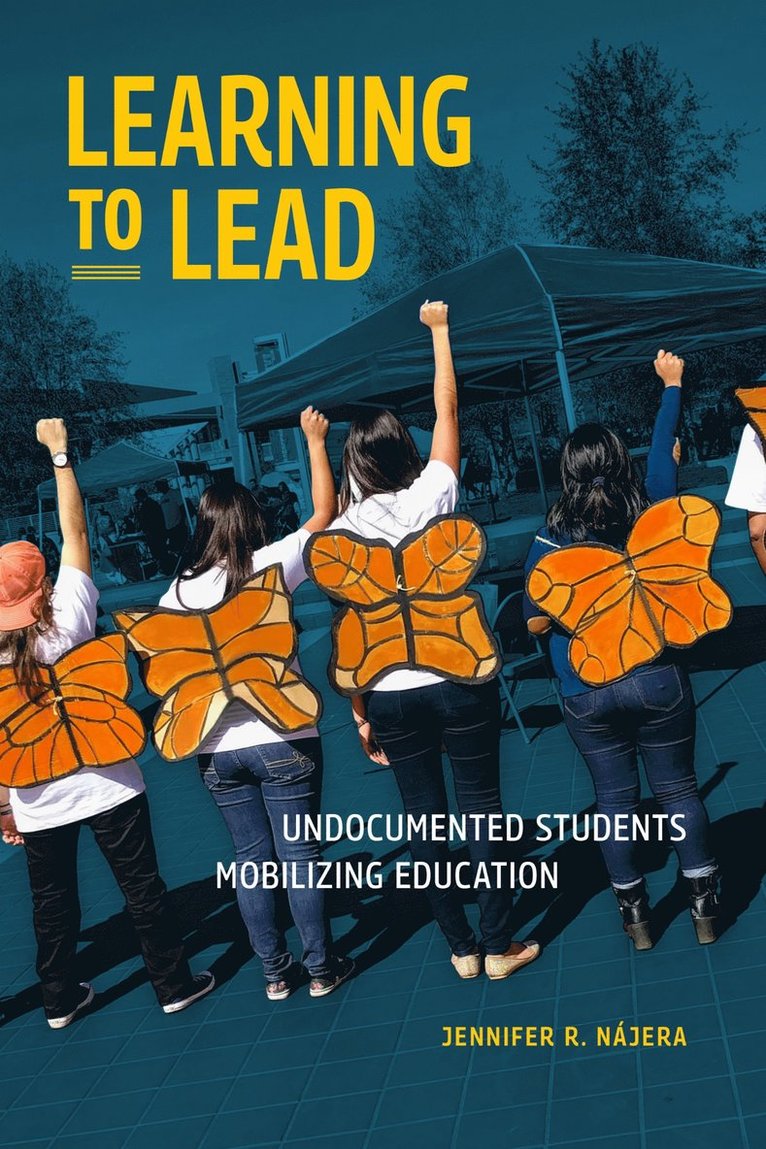
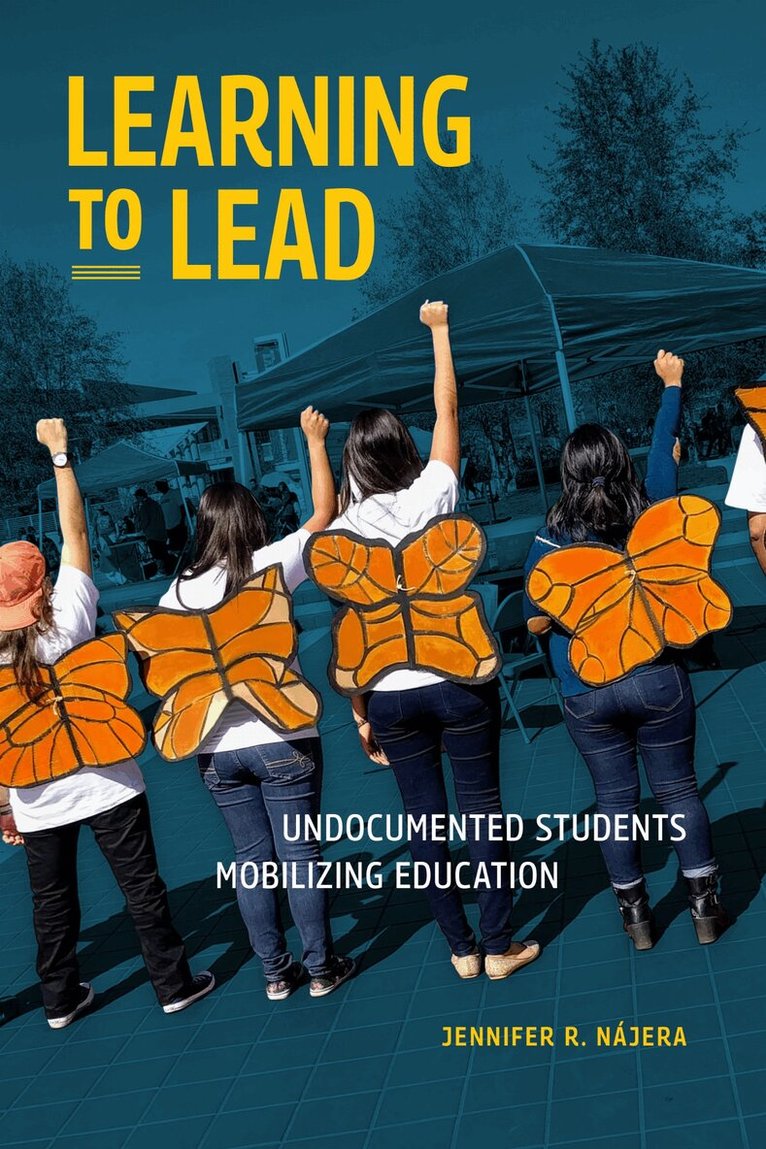
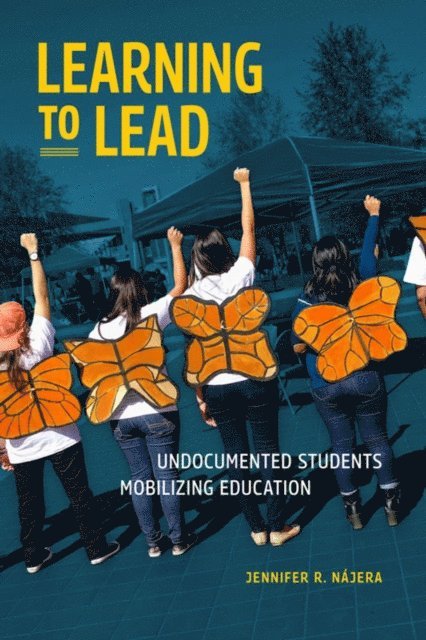
In Learning to Lead, Jennifer R. NÁjera explores the intersections of education and activism among undocumented students at the University of California, Riverside. Taking an expansive view of education, NÁjera shows how students’ experiences in college-both in and out of the classroom-can affect their activism and advocacy work. Students learn from their families, communities, peers, and student and political organizations. In these different spaces, they learn how to navigate community and college life as undocumented people. Students are able to engage campus organizations where they can cultivate their leadership skills and-importantly-learn that they are not alone. These students embody and mobilize their education through both large and small political actions such as protests, workshops for financial aid applications, and Know Your Rights events. As students create community with each other, they come to understand that their individual experiences of illegality are part of a larger structure of legal violence. This type of education empowers students to make their way to and through college, change their communities, and ultimately assert their humanity.
266 kr
Skickas
In Learning to Lead, Jennifer R. NÁjera explores the intersections of education and activism among undocumented students at the University of California, Riverside. Taking an expansive view of education, NÁjera shows how students’ experiences in college-both in and out of the classroom-can affect their activism and advocacy work. Students learn from their families, communities, peers, and student and political organizations. In these different spaces, they learn how to navigate community and college life as undocumented people. Students are able to engage campus organizations where they can cultivate their leadership skills and-importantly-learn that they are not alone. These students embody and mobilize their education through both large and small political actions such as protests, workshops for financial aid applications, and Know Your Rights events. As students create community with each other, they come to understand that their individual experiences of illegality are part of a larger structure of legal violence. This type of education empowers students to make their way to and through college, change their communities, and ultimately assert their humanity.
Family Legal Vulnerability
How Immigration Policy Shapes the Lives of Latino College Students
Inbunden, Engelska, 2026
980 kr
Skickas inom 10-15 vardagar
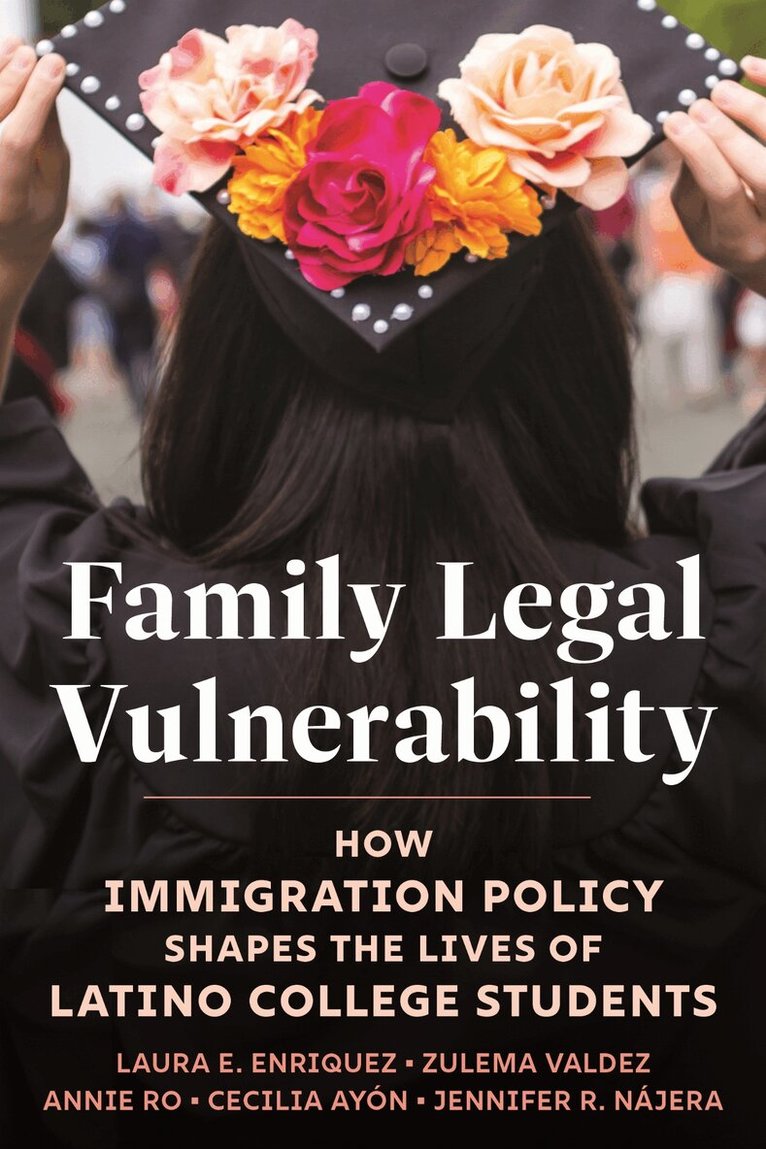
How college students in mixed-status families are affected by immigration policiesFocusing on Latinx students attending the University of California, Family Legal Vulnerability exposes how their educational experiences and social mobility are shaped not only by their own immigration status, but also by their family members' undocumented immigration status. The authors introduce the concept of "family legal vulnerability" as a novel framework that captures how undocumented and mixed-status immigrant families collectively experience deportability, economic insecurity, discrimination, social exclusion, and legal uncertainty.The authors show how the adverse effects of family legal vulnerability are similar for both college students who are undocumented and U.S. citizens with undocumented parents. Cascading consequences emerge among immigration-impacted students as family legal vulnerability compromises their mental and emotional health, academic success, and political engagement.The book also illustrates how students demonstrate agency as they negotiate family legal vulnerability, seeking out ways to bolster their individual and collective flourishing. Ultimately, this book calls on scholars, policy makers, and university administrators to account for family legal vulnerability when considering how immigration policies undermine students' college experiences and to identify actionable practices to advance greater equity and inclusion.
Family Legal Vulnerability
How Immigration Policy Shapes the Lives of Latino College Students
Häftad, Engelska, 2026
318 kr
Skickas inom 7-10 vardagar
How college students in mixed-status families are affected by immigration policiesFocusing on Latinx students attending the University of California, Family Legal Vulnerability exposes how their educational experiences and social mobility are shaped not only by their own immigration status, but also by their family members' undocumented immigration status. The authors introduce the concept of "family legal vulnerability" as a novel framework that captures how undocumented and mixed-status immigrant families collectively experience deportability, economic insecurity, discrimination, social exclusion, and legal uncertainty.The authors show how the adverse effects of family legal vulnerability are similar for both college students who are undocumented and U.S. citizens with undocumented parents. Cascading consequences emerge among immigration-impacted students as family legal vulnerability compromises their mental and emotional health, academic success, and political engagement.The book also illustrates how students demonstrate agency as they negotiate family legal vulnerability, seeking out ways to bolster their individual and collective flourishing. Ultimately, this book calls on scholars, policy makers, and university administrators to account for family legal vulnerability when considering how immigration policies undermine students' college experiences and to identify actionable practices to advance greater equity and inclusion.