Jennifer Scheper Hughes - Böcker
Visar alla böcker från författaren Jennifer Scheper Hughes. Handla med fri frakt och snabb leverans.
6 produkter
6 produkter
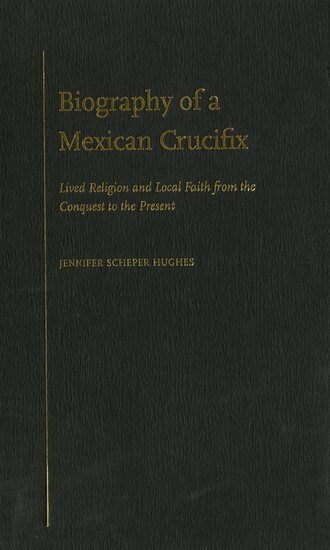
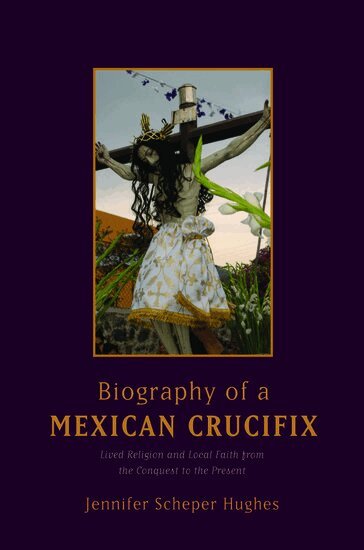
Biography of a Mexican Crucifix
Lived Religion and Local Faith from the Conquest to the Present
Inbunden, Engelska, 2010
1 469 kr
Skickas inom 3-6 vardagar
In 1543, in a small village in Mexico, a group of missionary friars received from a mysterious Indian messenger an unusual carved image of Christ crucified. The friars declared it the most poignantly beautiful depiction of Christ's suffering they had ever seen. Known as the Cristo Aparecido (the "Christ Appeared"), it quickly became one of the most celebrated religious images in colonial Mexico. Today, the Cristo Aparecido is among the oldest New World crucifixes and is the beloved patron saint of the Indians of Totolapan.In Biography of a Mexican Crucifix, Jennifer Scheper Hughes traces popular devotion to the Cristo Aparecido over five centuries of Mexican history. Each chapter investigates a single incident in the encounter between believers and the image. Through these historical vignettes, Hughes explores and reinterprets the conquest of and mission to the Indians; the birth of an indigenous, syncretic Christianity; the violent processes of independence and nationalization; and the utopian vision of liberation theology. Hughes reads all of these through the popular devotion to a crucifix that over the centuries becomes a key protagonist in shaping local history and social identity. This book will be welcomed by scholars and students of religion, Latin American history, anthropology, and theology.
441 kr
Skickas inom 5-8 vardagar
In 1543, in a small village in Mexico, a group of missionary friars received from a mysterious Indian messenger an unusual carved image of Christ crucified. The friars declared it the most poignantly beautiful depiction of Christ's suffering they had ever seen. Known as the Cristo Aparecido (the "Christ Appeared"), it quickly became one of the most celebrated religious images in colonial Mexico. Today, the Cristo Aparecido is among the oldest New World crucifixes and is the beloved patron saint of the Indians of Totolapan.In Biography of a Mexican Crucifix, Jennifer Scheper Hughes traces popular devotion to the Cristo Aparecido over five centuries of Mexican history. Each chapter investigates a single incident in the encounter between believers and the image. Through these historical vignettes, Hughes explores and reinterprets the conquest of and mission to the Indians; the birth of an indigenous, syncretic Christianity; the violent processes of independence and nationalization; and the utopian vision of liberation theology. Hughes reads all of these through the popular devotion to a crucifix that over the centuries becomes a key protagonist in shaping local history and social identity. This book will be welcomed by scholars and students of religion, Latin American history, anthropology, and theology.
3 320 kr
Skickas inom 10-15 vardagar
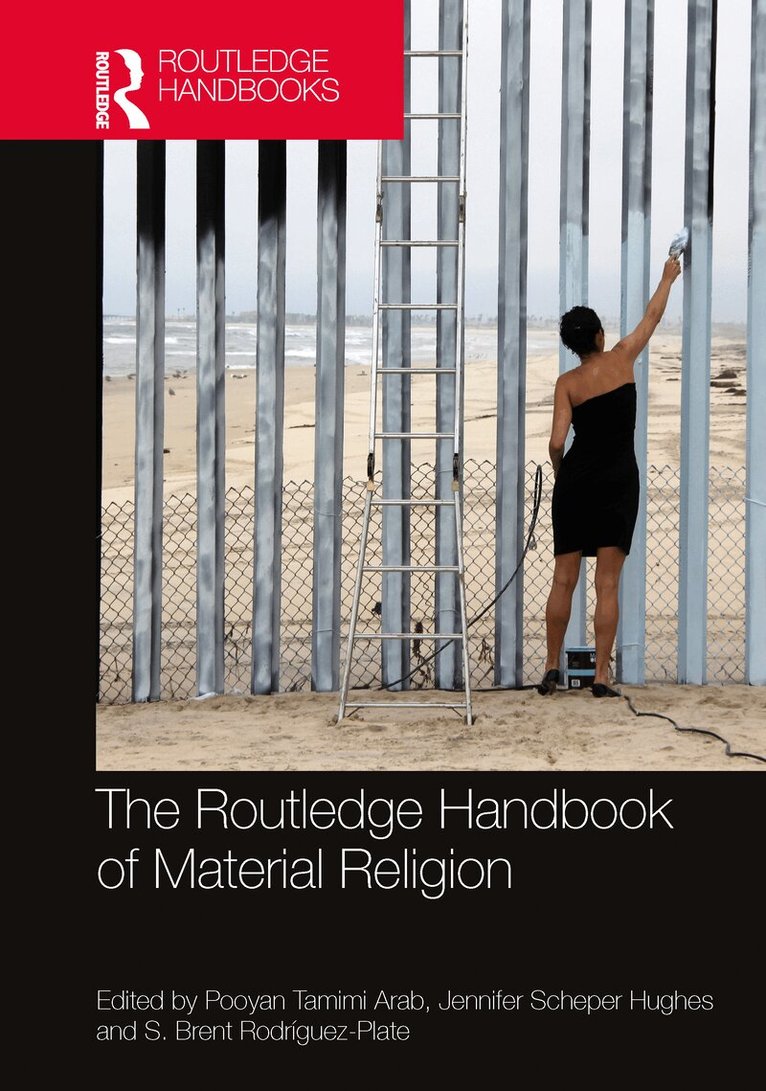
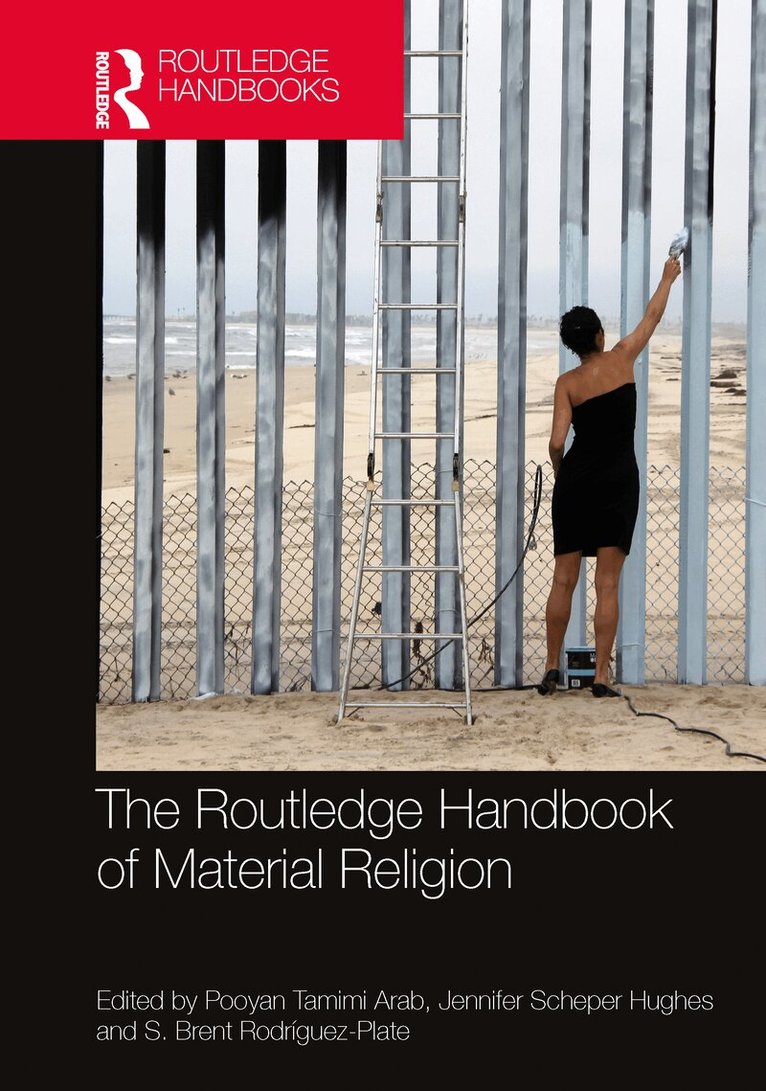
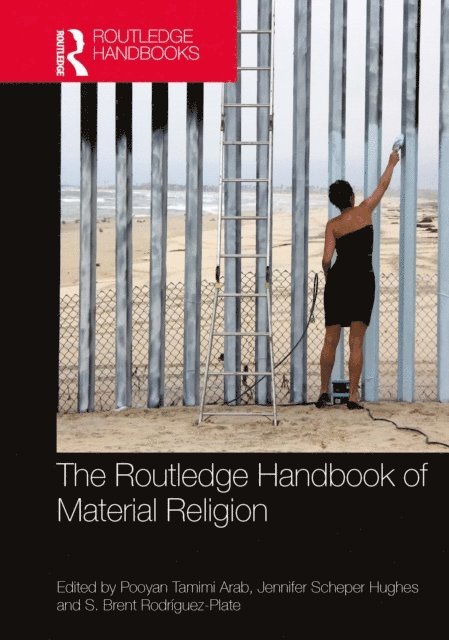
The Routledge Handbook of Material Religion places objects and bodies at the center of scholarly studies of religious life and practice.Propelling forward the study of material religion, the Handbook first reveals the deep philosophical roots of its key categories and then advances new critical analytics, such as queer materialities, inescapable material entanglements, and hyperobjects that explode the small-scale personal view on religions.The Handbook comprises thirty chapters, written by an international team of contributors who offer a global perspective of religious pasts and presents, divided into four thematic parts:Genealogies of Material ReligionMaterializing the Terms of the Study of ReligionEntanglements, Entrapment, EscapingHyperobjects, or How Ginormous Things Affect ReligionsIn these four parts, the study of material religion is redirected towards systematic, critical interrogations of the imbrication of religious structures of power with racial, economic, political, and gendered forms of domination.From Spinoza’s political theology to African philosophies of ubuntu; from the queer materialities of Mesoamerican religion to the Satanic Temple of the United States; from Islamic love and sacrifice in human-animal entanglements to Shia militants’ attachment to weaponry; from epidemic cataclysm in Latin America to vast infrastructures and the gathering of millions in India’s Kumbh Mela, the study of material religion proves to be the study par excellence of the human condition.The Handbook is essential reading for students and researchers in religious studies, anthropology, history, and media studies, and will also be of interest to those in related fields such as archeology, sociology, and philosophy.
697 kr
Skickas inom 10-15 vardagar
The Routledge Handbook of Material Religion places objects and bodies at the center of scholarly studies of religious life and practice.Propelling forward the study of material religion, the Handbook first reveals the deep philosophical roots of its key categories and then advances new critical analytics, such as queer materialities, inescapable material entanglements, and hyperobjects that explode the small-scale personal view on religions.The Handbook comprises thirty chapters, written by an international team of contributors who offer a global perspective of religious pasts and presents, divided into four thematic parts:Genealogies of Material ReligionMaterializing the Terms of the Study of ReligionEntanglements, Entrapment, EscapingHyperobjects, or How Ginormous Things Affect ReligionsIn these four parts, the study of material religion is redirected towards systematic, critical interrogations of the imbrication of religious structures of power with racial, economic, political, and gendered forms of domination.From Spinoza’s political theology to African philosophies of ubuntu; from the queer materialities of Mesoamerican religion to the Satanic Temple of the United States; from Islamic love and sacrifice in human-animal entanglements to Shia militants’ attachment to weaponry; from epidemic cataclysm in Latin America to vast infrastructures and the gathering of millions in India’s Kumbh Mela, the study of material religion proves to be the study par excellence of the human condition.The Handbook is essential reading for students and researchers in religious studies, anthropology, history, and media studies, and will also be of interest to those in related fields such as archeology, sociology, and philosophy.
Church of the Dead
The Epidemic of 1576 and the Birth of Christianity in the Americas
Inbunden, Engelska, 2021
537 kr
Skickas inom 5-8 vardagar
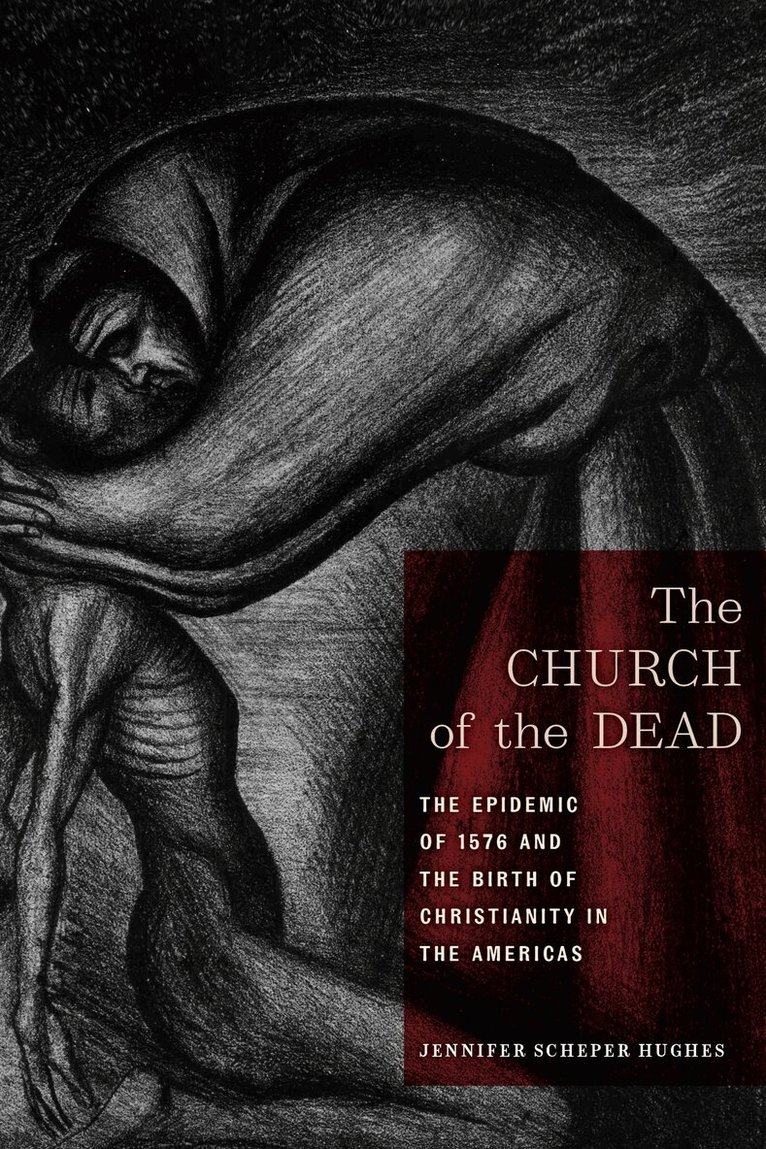
Tells the story of the founding of American Christianity against the backdrop of devastating disease, and of the Indigenous survivors who kept the nascent faith aliveMany scholars have come to think of the European Christian mission to the Americas as an inevitable success. But in its early period it was very much on the brink of failure. In 1576, Indigenous Mexican communities suffered a catastrophic epidemic that took almost two million lives and simultaneously left the colonial church in ruins. In the crisis and its immediate aftermath, Spanish missionaries and surviving pueblos de indios held radically different visions for the future of Christianity in the Americas. The Church of the Dead offers a counter-history of American Christian origins. It centers the power of Indigenous Mexicans, showing how their Catholic faith remained intact even in the face of the faltering religious fervor of Spanish missionaries. While the Europeans grappled with their failure to stem the tide of death, succumbing to despair, Indigenous survivors worked to reconstruct the church. They reasserted ancestral territories as sovereign, with Indigenous Catholic states rivaling the jurisdiction of the diocese and the power of friars and bishops. Christianity in the Americas today is thus not the creation of missionaries, but rather of Indigenous Catholic survivors of the colonial mortandad, the founding condition of American Christianity. Weaving together archival study, visual culture, church history, theology, and the history of medicine, Jennifer Scheper Hughes provides us with a fascinating reexamination of North American religious history that is at once groundbreaking and lyrical.
Church of the Dead
The Epidemic of 1576 and the Birth of Christianity in the Americas
Häftad, Engelska, 2023
256 kr
Skickas inom 7-10 vardagar
Tells the story of the founding of American Christianity against the backdrop of devastating disease, and of the Indigenous survivors who kept the nascent faith aliveMany scholars have come to think of the European Christian mission to the Americas as an inevitable success. But in its early period it was very much on the brink of failure. In 1576, Indigenous Mexican communities suffered a catastrophic epidemic that took almost two million lives and simultaneously left the colonial church in ruins. In the crisis and its immediate aftermath, Spanish missionaries and surviving pueblos de indios held radically different visions for the future of Christianity in the Americas. The Church of the Dead offers a counter-history of American Christian origins. It centers the power of Indigenous Mexicans, showing how their Catholic faith remained intact even in the face of the faltering religious fervor of Spanish missionaries. While the Europeans grappled with their failure to stem the tide of death, succumbing to despair, Indigenous survivors worked to reconstruct the church. They reasserted ancestral territories as sovereign, with Indigenous Catholic states rivaling the jurisdiction of the diocese and the power of friars and bishops. Christianity in the Americas today is thus not the creation of missionaries, but rather of Indigenous Catholic survivors of the colonial mortandad, the founding condition of American Christianity. Weaving together archival study, visual culture, church history, theology, and the history of medicine, Jennifer Scheper Hughes provides us with a fascinating reexamination of North American religious history that is at once groundbreaking and lyrical.