Jens van de Maele - Böcker
Visar alla böcker från författaren Jens van de Maele. Handla med fri frakt och snabb leverans.
3 produkter
3 produkter
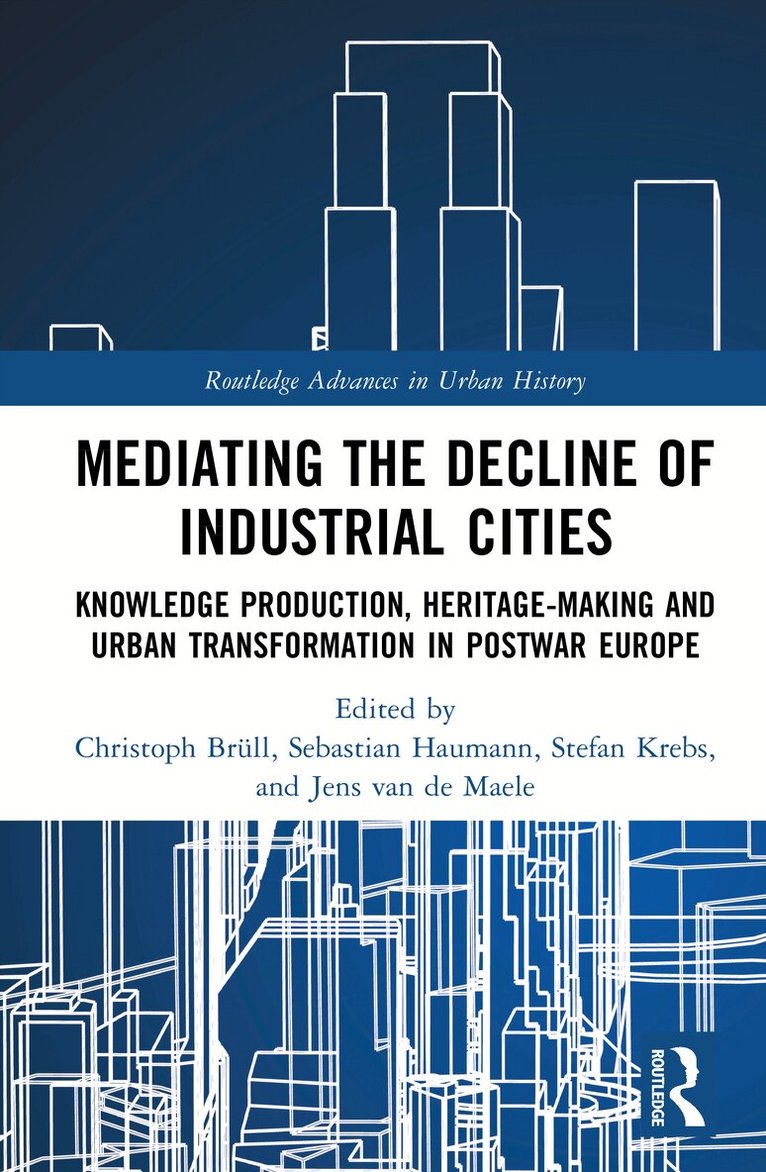
Mediating the Decline of Industrial Cities
Knowledge Production, Heritage-Making and Urban Transformation in Postwar Europe
Inbunden, Engelska, 2025
2 176 kr
Skickas inom 10-15 vardagar
This volume reflects the latest historiographical discussion about the decline, transformation, heritagisation, and re-invention of industrial cities in Europe during the late 20th century.It argues that the notion of “mediation” as it has been used in the history of technology helps to shed new light on the processes of understanding changes of industrial cities before, during, and after the economic crisis of the 1970s and 1980s. The contributors investigate how different actor groups, such as scientists, union members, journalists, politicians, artists, and historians, mediated the understanding of decline, the anticipated future, and the heritage of industrial cities. The authors look at a wide range of European cities during different phases of decline and transformation.The book is aimed at scholars of urban history and industrial history, as well as contemporary European history, the history of technology, and deindustrialisation studies. The contributions also resonate with discussion in neighbouring fields such as urban studies, media studies, cultural studies, sociology, and digital history.
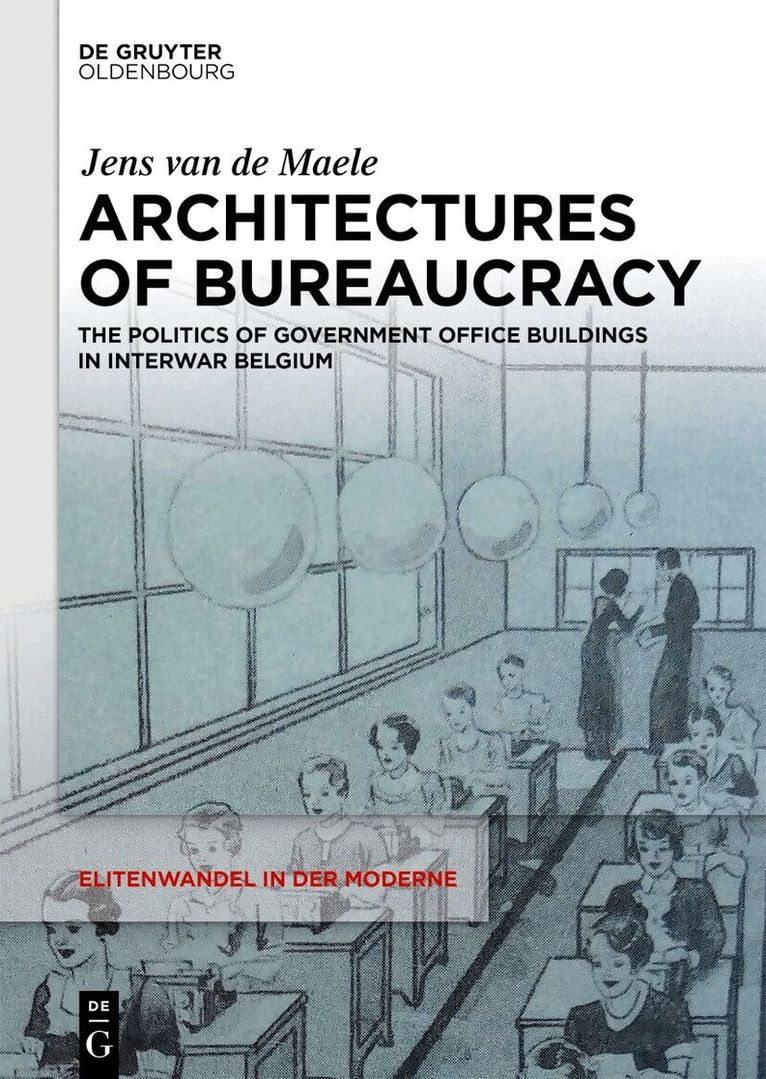
Architectures of Bureaucracy
The Politics of Government Office Buildings in Interwar Belgium
Inbunden, Engelska, 2025
1 151 kr
Skickas inom 7-10 vardagar
This monograph examines the interrelationship between politics and modernist architecture in interwar Belgium, focusing on political, architectural, and administrative elites as propagators of new ideas of governance. While Belgium was strongly influenced by neighbouring France and Germany, it also developed its own avant-garde approaches to socio-political problems. In the second half of the 1930s, the country was the scene of a remarkable political and architectural experiment involving an ambitious plan for the large-scale construction of modernist government office buildings. These buildings were seen as essential to the development of a technocratic model of governance, aimed at strengthening the role of the executive and minimising the influence of parliament. More specifically, the “efficient” new office architecture was supposed to create a new type of “perfect” civil servant, whose loyalties would no longer lie with political parties, but with scientists and management experts. Such experts and scientists constituted a rising elite of homines novi with strong (though often veiled) political ambitions. As such, this book contributes to our understanding of political culture in the “age of extremes”.
558 kr
Skickas inom 5-8 vardagar
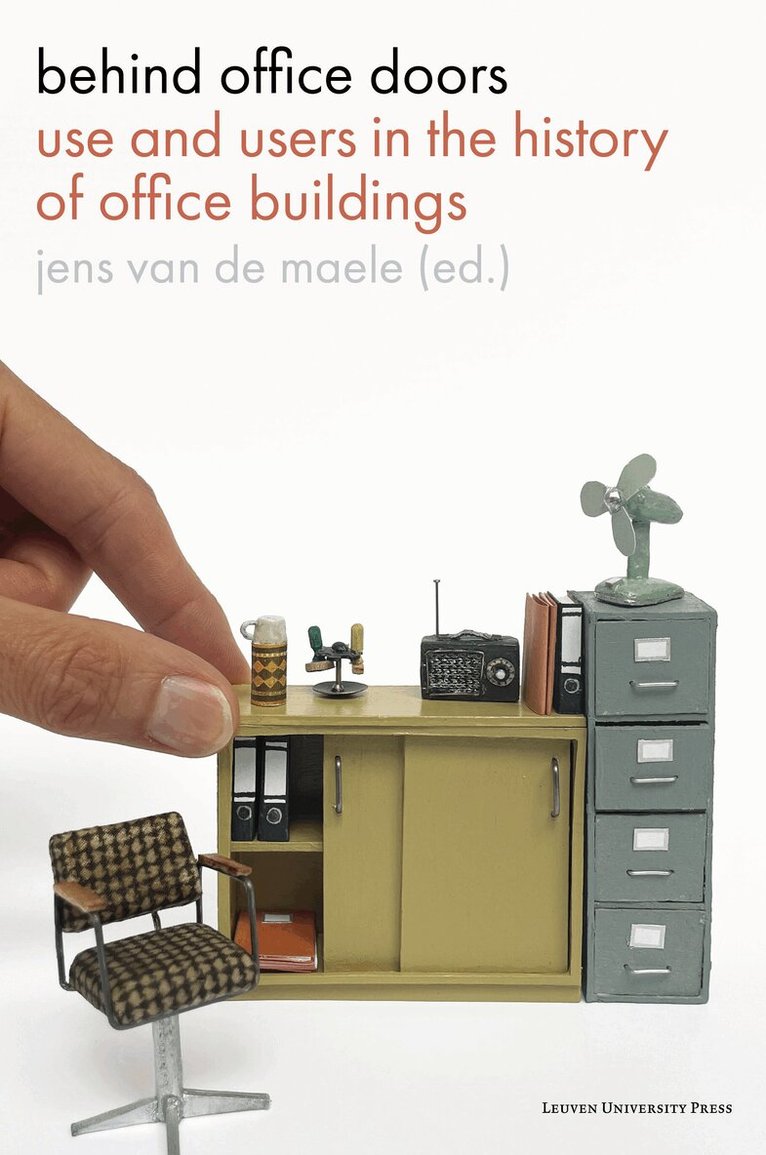
A transdisciplinary history of the 20th-century office, exploring how its spatial forms, technological systems and managerial ideologies were constructed, challenged and lived with.Throughout the twentieth century, office buildings became central to the organisation of societies – yet what went on inside them has remained remarkably understudied. Behind Office Doors explores this history by focusing on users and everyday practices. It examines how office spaces were conceived by architects, designers and managers, and how they were inhabited, experienced and contested by workers. From filing cabinets and air conditioning to EU offices and colonial bureaucracies, the chapters trace how design, technology and organisational thinking shaped office life. Alongside case studies on Europe, North America, Asia and colonial Africa, the contributions reflect on how the office has been approached in historiography. Drawing on cross-disciplinary research, this book argues for the development of historical office studies, showing how the design and management of offices have shaped cultures of work.