Christoph Brüll – författare
Visar alla böcker från författaren . Handla med fri frakt och snabb leverans.
2 produkter
2 produkter
Inbunden, Engelska, 2025
2 504 kr
Skickas inom 10-15 vardagar
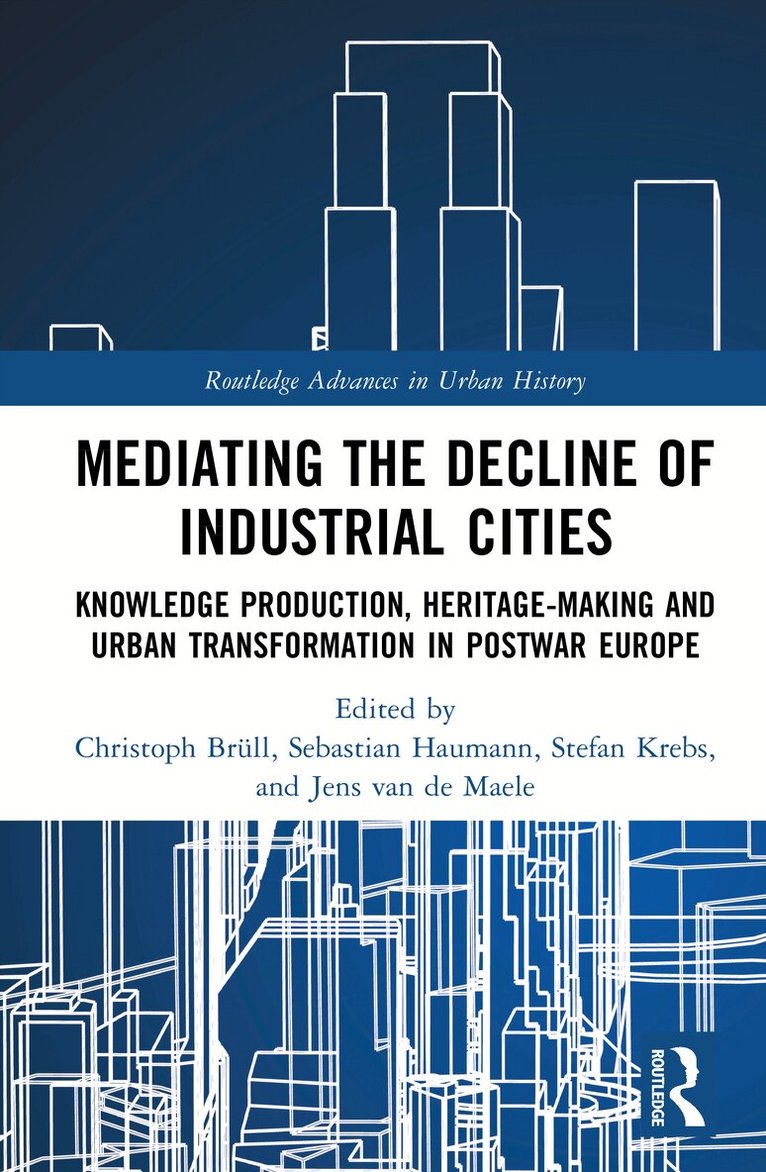
This volume reflects the latest historiographical discussion about the decline, transformation, heritagisation, and re-invention of industrial cities in Europe during the late 20th century.It argues that the notion of “mediation” as it has been used in the history of technology helps to shed new light on the processes of understanding changes of industrial cities before, during, and after the economic crisis of the 1970s and 1980s. The contributors investigate how different actor groups, such as scientists, union members, journalists, politicians, artists, and historians, mediated the understanding of decline, the anticipated future, and the heritage of industrial cities. The authors look at a wide range of European cities during different phases of decline and transformation.The book is aimed at scholars of urban history and industrial history, as well as contemporary European history, the history of technology, and deindustrialisation studies. The contributions also resonate with discussion in neighbouring fields such as urban studies, media studies, cultural studies, sociology, and digital history.The Open Access version of this book, available at http://www.taylorfrancis.com, has been made available under a Creative Commons Attribution-Non Commercial-No Derivatives (CC BY-NC-ND) 4.0 license.
E-bok
PDF, Tyska, 2020520 kr
Läs direkt efter köp
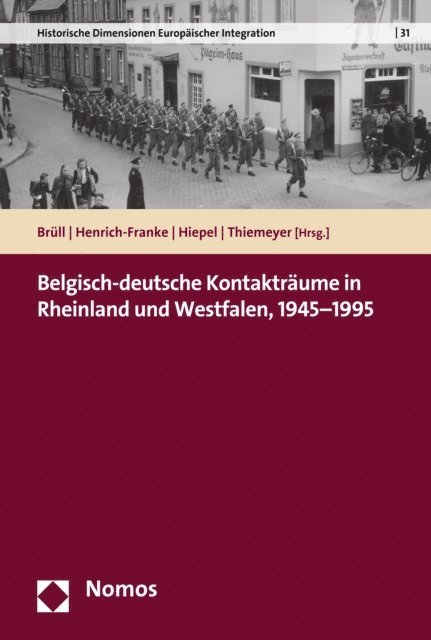
Der Band untersucht belgische Garnisonsstandorte in Rheinland und Westfalen nach dem Zweiten Weltkrieg als Kontakträume, in denen sich politische, wirtschaftliche, gesellschaftliche und militärische Auswirkungen von Europäischer Integration im alltäglichen Nebeneinander besonders deutlich abbilden. Im Zentrum der Beiträge stehen die Mechanismen und Katalysatoren von Verflechtung, Entflechtung und Koexistenz in lokalen Räumen, die eine geografische Brisanz besaßen, da sie transnationale Kontakte nicht an die nationalen Außengrenzen europäischer Nationalstaaten verlagerten, sondern sich auf engstem Raum permanent (re-)konfigurieren mussten.Wie laufen transnationale Kontakte im Alltag ab? Wie haben sie sich im Zeitverlauf auch angesichts wechselnder geopolitischer und geostrategischer Großwetterlagen verändert?Der Band gibt der Geschichtsschreibung der Europäischen Integration durch eine konsequente Wiederentdeckung von europäischer Regionalgeschichte einen neuen Impuls.Mit Beiträgen vonChristoph Brüll, Christian Henrich-Franke, Claudia Hiepel, Jonas Krüning, Marc Laplasse, Pierre Muller, Vitus Sproten, Guido Thiemeyer