Jessica A. Jenkins - Böcker
Visar alla böcker från författaren Jessica A. Jenkins. Handla med fri frakt och snabb leverans.
2 produkter
2 produkter
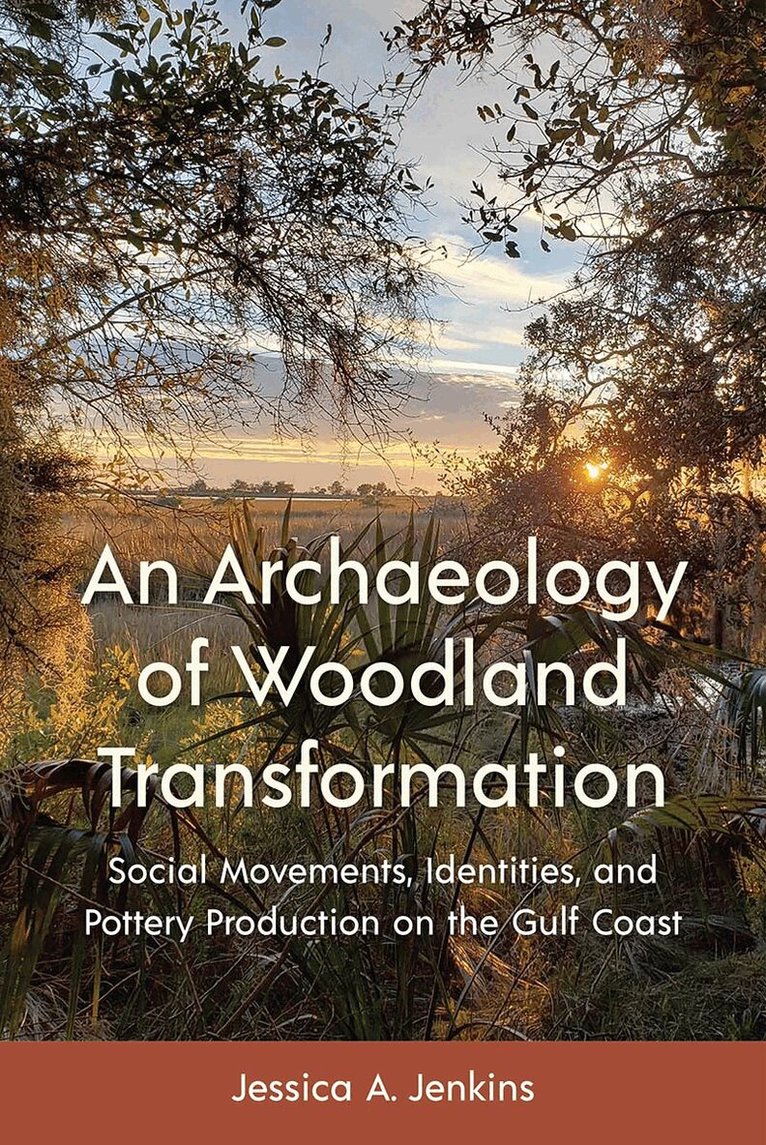
Archaeology of Woodland Transformation
Social Movements, Identities, and Pottery Production on the Gulf Coast
Inbunden, Engelska, 2025
994 kr
Skickas inom 10-15 vardagar
Exploring a period of transformative change for the Woodland-era societies of Florida’s Lower Suwannee regionIn this book, Jessica Jenkins provides a detailed look at the transition from the Middle to Late Woodland periods in the Lower Suwannee region of Florida’s Gulf Coast. Drawing on ceramic analysis techniques, Jenkins argues that this time of transformative change, often interpreted as a societal collapse, should instead be seen as a purposeful shift brought about by emerging social movements.Beginning around 650 CE, the region’s Indigenous inhabitants dispersed from civic-ceremonial centers, moved away from places associated with the dead, changed their burial practices, and adopted new pottery surface treatments and designs. Examining ceramic vessels from 12 sites located on islands near the present-day town of Cedar Key, Jenkins catalogs these shifts. Jenkins explores how people shared social identities that connected them through relational networks and laid the foundation for these changes.An Archaeology of Woodland Transformation is the first book to synthesize information on the villages, networks, and identities of this time and place. Offering rich datasets and new perspectives on sociocultural transformation in and around the lower Suwannee River Estuary, this book represents a breakthrough in current understandings of the Woodland period.A volume in the Florida Museum of Natural History: Ripley P. Bullen Series.
1 012 kr
Kommande
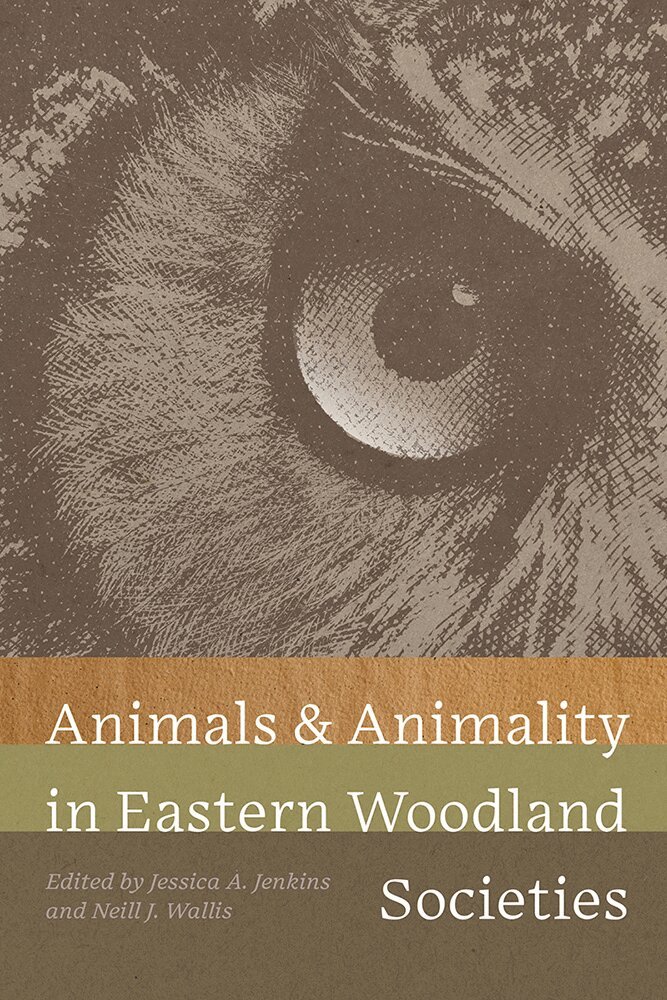
Exploring how humans and animals in the US Southeast interacted to shape social, ritual, and cosmological worlds across thousands of yearsArchaeologists often approach the study of animals mainly as evidence of human diet or ecology, but this volume highlights the broader significance of animals across what is now the US Southeast from the Woodland period through the post-contact era. Drawing on archaeological, ethnohistorical, and ethnographic sources, contributors examine how animals shaped human identities, rituals, and social structures as seen in art, oral traditions, daily practices, and ceremonial roles.In this volume, case studies reveal diverse expressions of human–animal relationships—in Mississippian ceramics, shell reef symbolism, deer antlers used in Powhatan rituals, the protective burial of chickens by enslaved communities, and more. These examples challenge rigid boundaries between human and nonhuman and move beyond traditional Western binaries that position animals as less than humans. This volume engages with non-Western and Indigenous-informed perspectives that recognize animals as cosmologically, politically, and socially significant beings. It explores animality as a dynamic, relational category and contributes to wider debates on materiality, agency, and ontology in archaeology.