J.G. Hawkes – författare
Visar alla böcker från författaren J.G. Hawkes. Handla med fri frakt och snabb leverans.
6 produkter
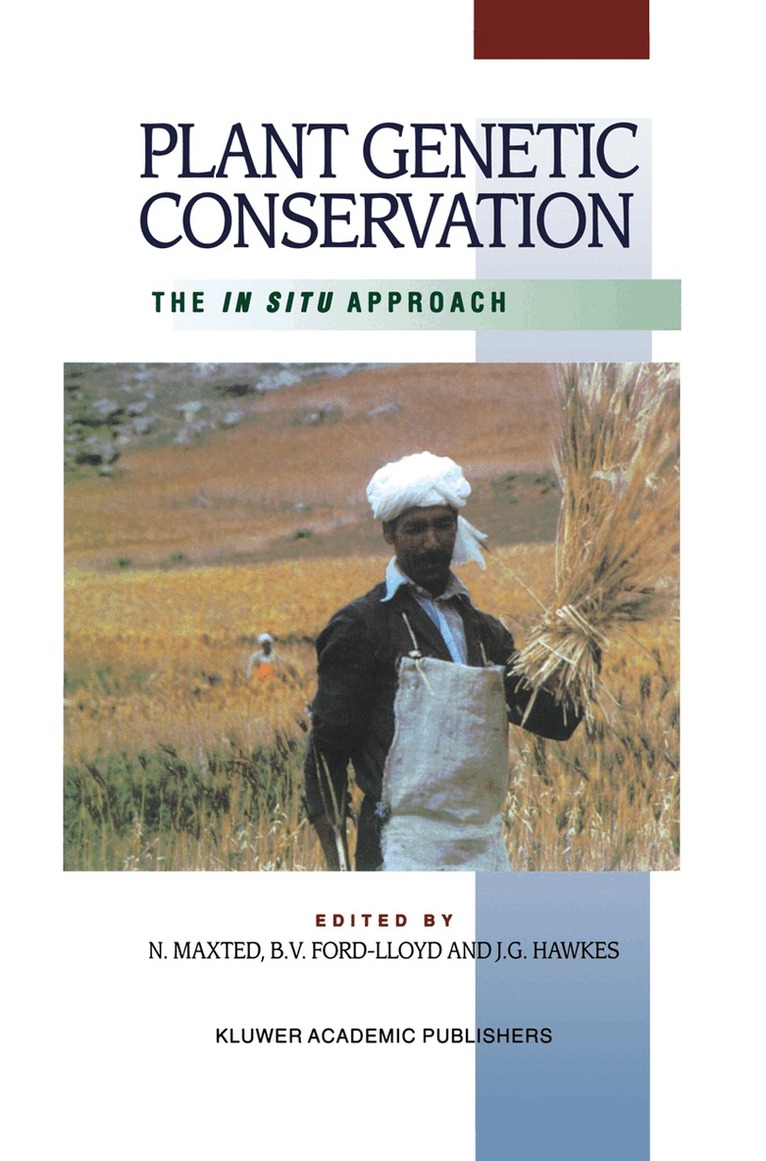
Plant Genetic Conservation
The in situ approach
Av Nigel Maxted, B.V. Ford-Lloyd m. fl.
Inbunden, 1997
2188 kr
Lägg i varukorg
The recent development of ideas on biodiversity conservation was already being considered almost three-quarters of a century ago for crop plants and the wild species related to them, by the Russian geneticist N.!. Vavilov. He was undoubtedly the first scientist to understand the impor tance for …
Plant Genetic Conservation
The in situ approach
Av Nigel Maxted, B.V. Ford-Lloyd m. fl.
Häftad, 1997
2188 kr
Lägg i varukorg
The recent development of ideas on biodiversity conservation was already being considered almost three-quarters of a century ago for crop plants and the wild species related to them, by the Russian geneticist N.!. Vavilov. He was undoubtedly the first scientist to understand the impor tance for …
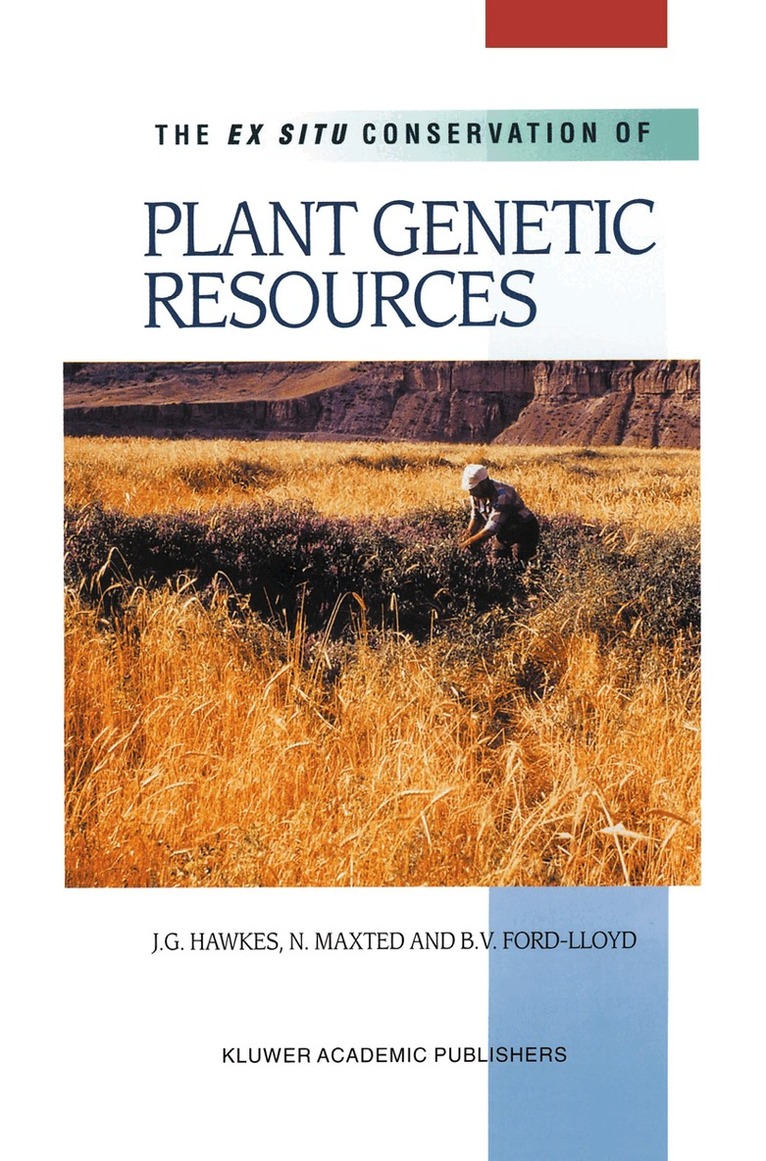
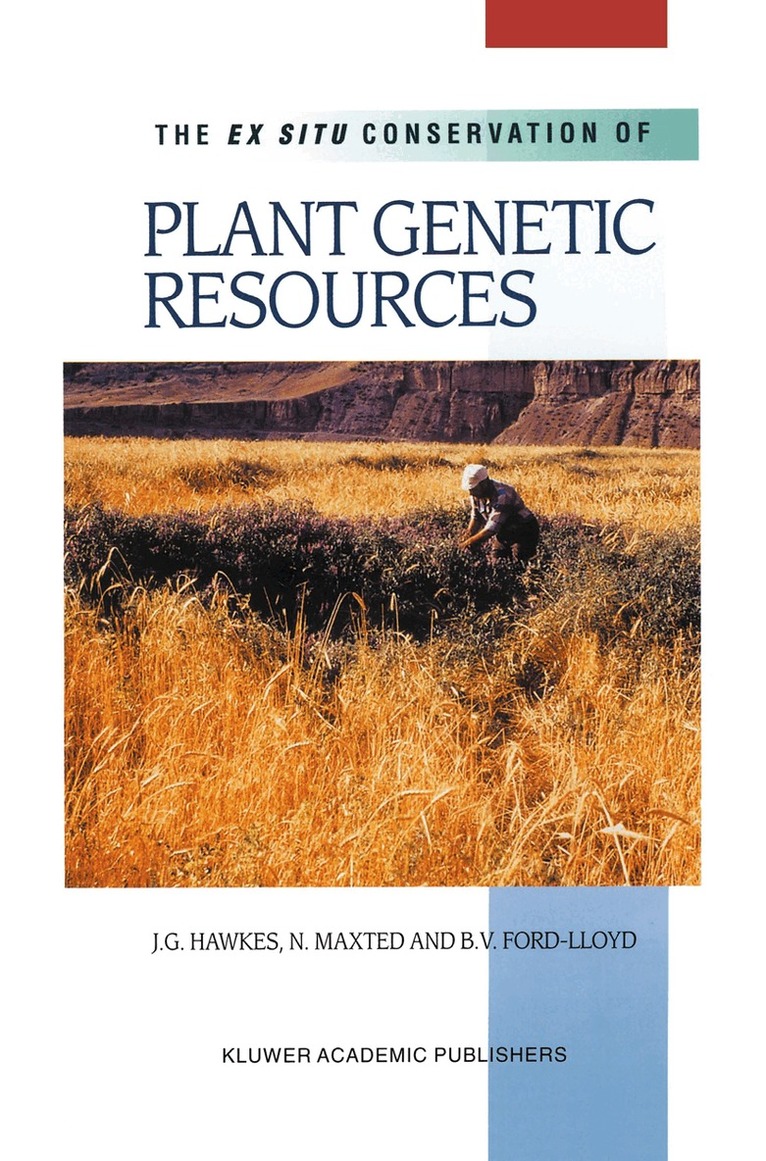
Ex Situ Conservation of Plant Genetic Resources
Av J.G. Hawkes, Nigel Maxted m. fl.
Inbunden, 2000
1643 kr
Lägg i varukorg
It is a distressing truism that the human race during the last millennium has caused the exponential loss of plant genetic diversity throughout the world. This has had direct and negative economic, political and social consequences for the human race, which at the same time has failed to exploit …
Plant Genetic Conservation
The in situ approach
Av J.G. Hawkes, B.V. Ford-Lloyd m. fl.
E-bok, 2013
3013 kr
Lägg i varukorg
The recent development of ideas on biodiversity conservation was already being considered almost three-quarters of a century ago for crop plants and the wild species related to them, by the Russian geneticist N.!. Vavilov. He was undoubtedly the first scientist to understand the impor tance for …
Ex Situ Conservation of Plant Genetic Resources
Av J.G. Hawkes, Nigel Maxted m. fl.
Häftad, 2012
1692 kr
Lägg i varukorg
It is a distressing truism that the human race during the last millennium has caused the exponential loss of plant genetic diversity throughout the world. This has had direct and negative economic, political and social consequences for the human race, which at the same time has failed to exploit …
Ex Situ Conservation of Plant Genetic Resources
Av B.V. Ford-Lloyd, Nigel Maxted m. fl.
E-bok, 2012
2174 kr
Lägg i varukorg
It is a distressing truism that the human race during the last millennium has caused the exponential loss of plant genetic diversity throughout the world. This has had direct and negative economic, political and social consequences for the human race, which at the same time has failed to exploit …