Jie-Hyun Lim – författare
Visar alla böcker från författaren Jie-Hyun Lim. Handla med fri frakt och snabb leverans.
11 produkter
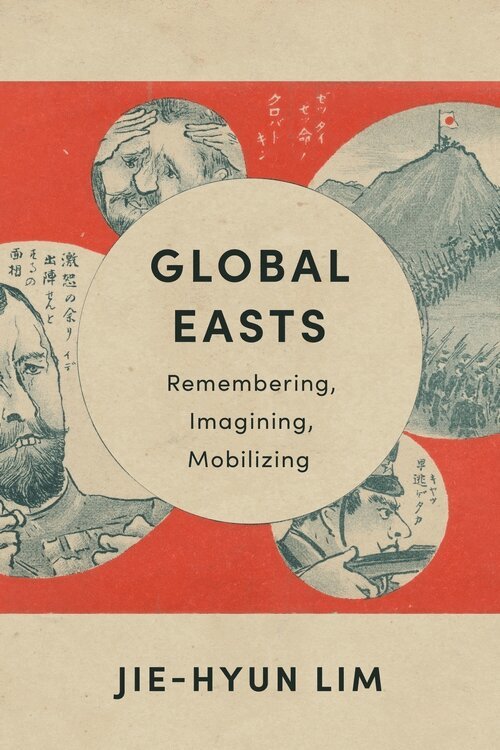
Global Easts
Remembering, Imagining, Mobilizing
Av Jie-Hyun Lim
Inbunden, 2022
1240 kr
Lägg i varukorg
South Korean historian Jie-Hyun Lim, raised under an anticommunist dictatorship, turned to Marxian thought to explain his country’s development, even as he came to struggle with its Eurocentrism. As a transnational scholar working in postcommunist Poland, Lim recognized striking similarities …
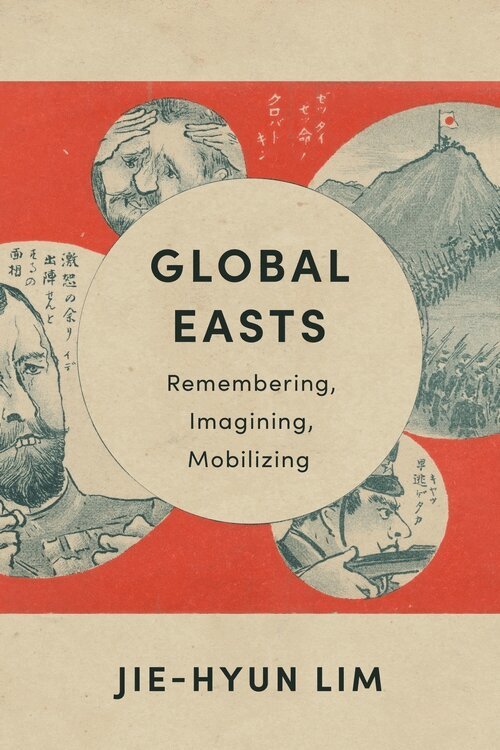
Global Easts
Remembering, Imagining, Mobilizing
Av Jie-Hyun Lim
Häftad, 2022
315 kr
Lägg i varukorg
South Korean historian Jie-Hyun Lim, raised under an anticommunist dictatorship, turned to Marxian thought to explain his country’s development, even as he came to struggle with its Eurocentrism. As a transnational scholar working in postcommunist Poland, Lim recognized striking similarities …
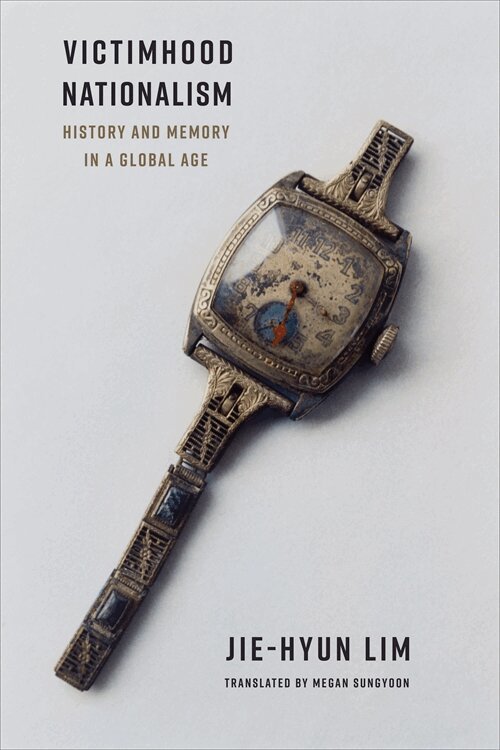
Victimhood Nationalism
History and Memory in a Global Age
Av Jie-Hyun Lim
Häftad, 2025
359 kr
Lägg i varukorg
Nationalism today depends on the perception of victimhood. The historical memory of past suffering endows nationalist movements with political legitimacy and a sense of moral superiority. Koreans recall Japanese colonial atrocities, while Japan commemorates the atomic bombings of Hiroshima and …
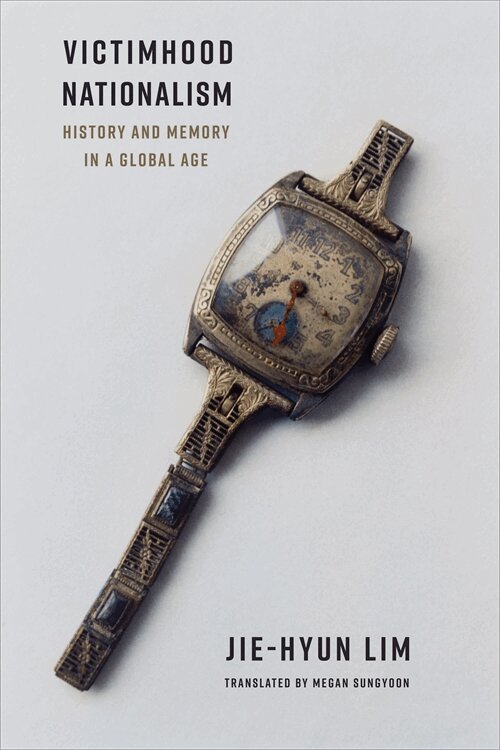
Victimhood Nationalism
History and Memory in a Global Age
Av Jie-Hyun Lim
Inbunden, 2025
1416 kr
Lägg i varukorg
Nationalism today depends on the perception of victimhood. The historical memory of past suffering endows nationalist movements with political legitimacy and a sense of moral superiority. Koreans recall Japanese colonial atrocities, while Japan commemorates the atomic bombings of Hiroshima and …
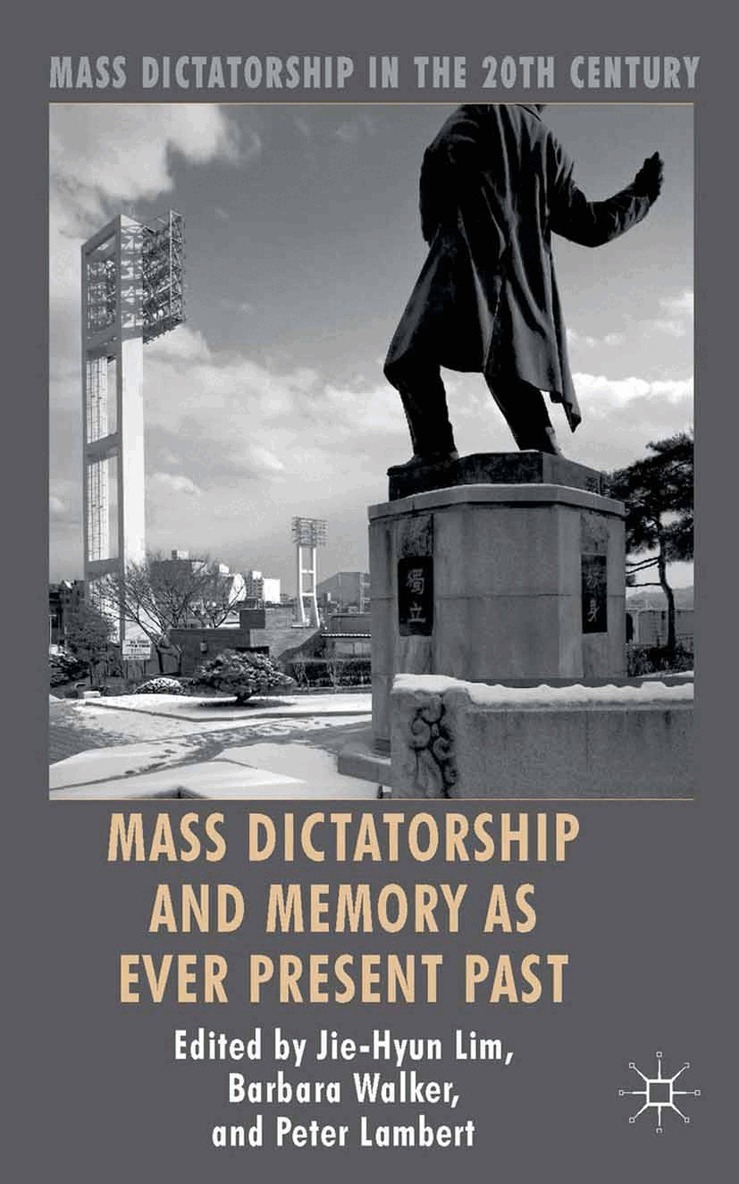
Mass Dictatorship and Memory as Ever Present Past
Av Jie-Hyun Lim, Barbara Walker m. fl.
Inbunden, 2014
568 kr
Lägg i varukorg
This volume explores the politics of memory involved in 'coming to terms with the past' of mass dictatorship on a global scale. Considering how a growing sense of global connectivity and global human rights politics changed the memory landscape, the essays explore entangled pasts of dictatorships.
Mass Dictatorship and Memory as Ever Present Past
Av Peter Lambert, Barbara Walker m. fl.
E-bok, 2014
785 kr
Lägg i varukorg
This volume explores the politics of memory involved in ''coming to terms with the past'' of mass dictatorship on a global scale. Considering how a growing sense of global connectivity and global human rights politics changed the memory landscape, the essays explore entangled pasts of dictatorships.
Palgrave Handbook of Mass Dictatorship
Inbunden, 2016
2249 kr
Lägg i varukorg
This book offers a fresh and original approach to the study of one of the dominant features of the twentieth century. Adopting a truly global approach to the realities of modern dictatorship, this handbook examines the multiple ways in which dictatorship functions - both for the rulers and for the …
Palgrave Handbook of Mass Dictatorship
E-bok, 2016
3201 kr
Lägg i varukorg
This book offers a fresh and original approach to the study of one of the dominant features of the twentieth century. Adopting a truly global approach to the realities of modern dictatorship, this handbook examines the multiple ways in which dictatorship functions - both for the rulers and for the …
Mass Dictatorship and Memory as Ever Present Past
Av Jie-Hyun Lim, Barbara Walker m. fl.
Häftad, 2013
568 kr
Lägg i varukorg
This volume explores the politics of memory involved in 'coming to terms with the past' of mass dictatorship on a global scale. Considering how a growing sense of global connectivity and global human rights politics changed the memory landscape, the essays explore entangled pasts of dictatorships.
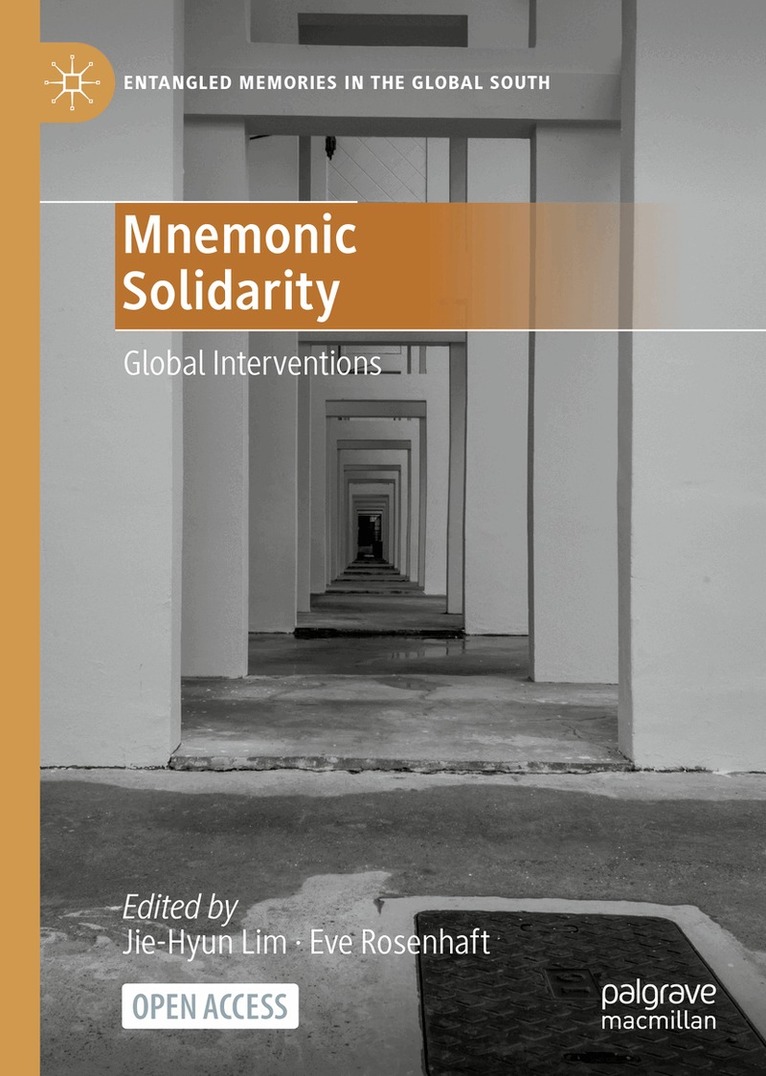
Mnemonic Solidarity
Global Interventions
Av Jie-Hyun Lim, Eve Rosenhaft
Inbunden, 2021
344 kr
Lägg i varukorg
This open access book provides a concise introduction to a critical development in memory studies. A global memory formation has emerged since the 1990s, in which memories of traumatic histories in different parts of the world, often articulated in the terms established by Holocaust memory, have …
Opfernationalismus
Erinnerung und Herrschaft in der postkolonialen Welt
Av Jie-Hyun Lim
E-bok, 2024
210 kr
Lägg i varukorg
Während der Nationalismus seine Begründung früher in Heldengeschichten des unbesiegbaren Volkes fand, schöpfen heute weltweit immer mehr Staaten und Nationen ihr Selbstbewusstsein aus einer Opfergeschichte – und leiten daraus einen Status ab, der sogar vererbt werden soll.Mit vergleichendem Blick …