Jill Harries - Böcker
Visar alla böcker från författaren Jill Harries. Handla med fri frakt och snabb leverans.
7 produkter
7 produkter
2 393 kr
Skickas inom 5-8 vardagar
The fifth century AD was a period of military turmoil and political upheaval in Western Europe. The career of the Gallo-Roman senator and bishop, Sidonius Apollinaris (c. 430-c. 485), holder of government office under three Roman emperors and later bishop of Clermont Ferrand, vividly illustrates the processes which undermined Roman rule. A champion of Latin letters and Roman aristocratic values, Sidonius was also for most of his career an advocate of co-operation with the Goths of Aquitaine. Both a career politician and an ardent Christian, Sidonius in his writings reveals both the confusion of loyalties afflicting an aristocracy under threat and the compromises necessary for survival. This book, the first in English on its subject for sixty years, argues that Sidonius adapted literary conventions and exploited accepted techniques of allusion to explain his dilemmas, justify his own role, and convey his personal understanding of, and response to, the fall of Rome.
1 282 kr
Skickas inom 7-10 vardagar
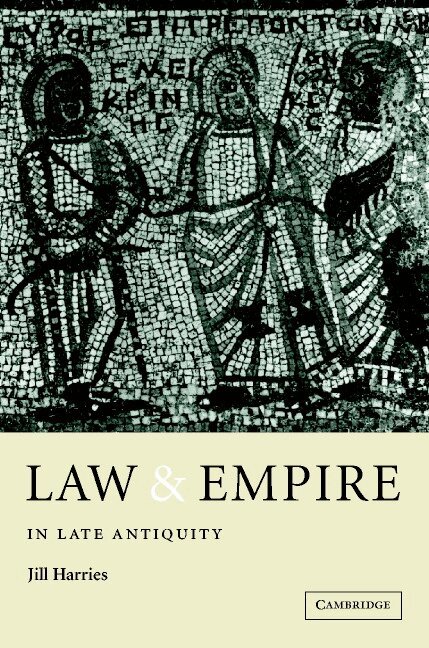
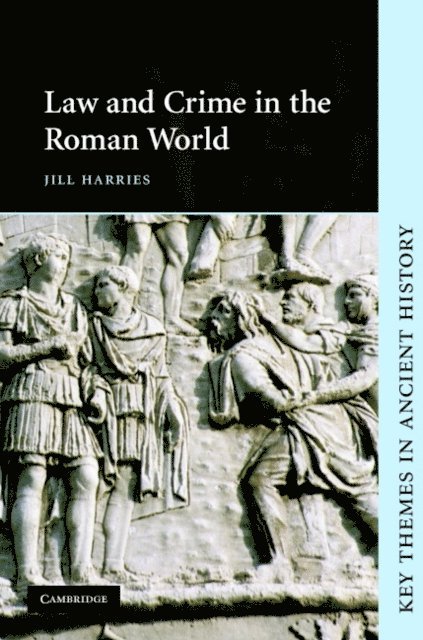
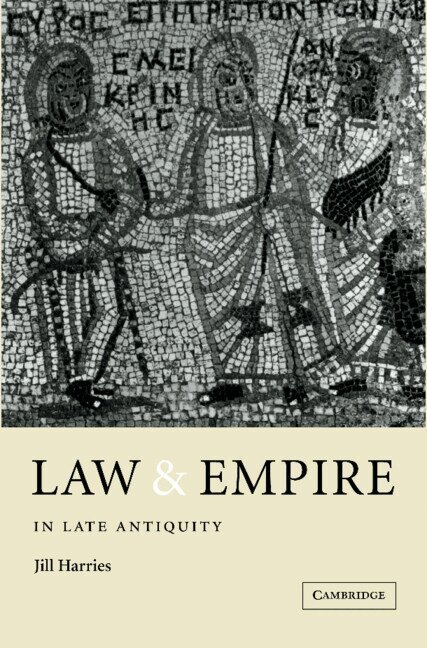
This is the first systematic treatment in English by an historian of the nature, aims and efficacy of public law in late imperial Roman society from the third to the fifth century AD. Adopting an interdisciplinary approach, and using the writings of lawyers and legal anthropologists, as well as those of historians, the book offers new interpretations of central questions: What was the law of late antiquity? How efficacious was late Roman law? What were contemporary attitudes to pain, and the function of punishment? Was the judicial system corrupt? How were disputes settled? Law is analysed as an evolving discipline, within a framework of principles by which even the emperor was bound. While law, through its language, was an expression of imperial power, it was also a means of communication between emperor and subject, and was used by citizens, poor as well as rich, to serve their own ends.
563 kr
Skickas inom 7-10 vardagar
This is the first systematic treatment in English by an historian of the nature, aims and efficacy of public law in late imperial Roman society from the third to the fifth century AD. Adopting an interdisciplinary approach, and using the writings of lawyers and legal anthropologists, as well as those of historians, the book offers new interpretations of central questions: What was the law of late antiquity? How efficacious was late Roman law? What were contemporary attitudes to pain, and the function of punishment? Was the judicial system corrupt? How were disputes settled? Law is analysed as an evolving discipline, within a framework of principles by which even the emperor was bound. While law, through its language, was an expression of imperial power, it was also a means of communication between emperor and subject, and was used by citizens, poor as well as rich, to serve their own ends.
370 kr
Skickas inom 7-10 vardagar
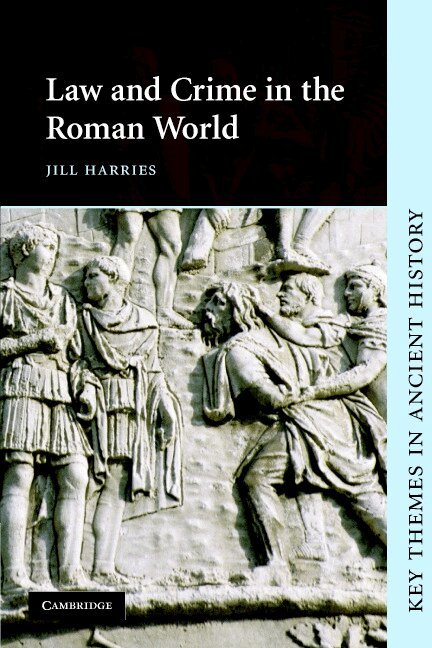
What was crime in ancient Rome? Was it defined by law or social attitudes? How did damage to the individual differ from offences against the community as a whole? This book explores competing legal and extra-legal discourses in a number of areas, including theft, official malpractice, treason, sexual misconduct, crimes of violence, homicide, magic and perceptions of deviance. It argues that court practice was responsive to social change, despite the ingrained conservatism of the legal tradition, and that judges and litigants were in part responsible for the harsher operation of justice in Late Antiquity. Consideration is also given to how attitudes to crime were shaped not only by legal experts but also by the rhetorical education and practices of advocates, and by popular and even elite indifference to the finer points of law.
1 024 kr
Skickas inom 7-10 vardagar
What was crime in ancient Rome? Was it defined by law or social attitudes? How did damage to the individual differ from offences against the community as a whole? This book explores competing legal and extra-legal discourses in a number of areas, including theft, official malpractice, treason, sexual misconduct, crimes of violence, homicide, magic and perceptions of deviance. It argues that court practice was responsive to social change, despite the ingrained conservatism of the legal tradition, and that judges and litigants were in part responsible for the harsher operation of justice in Late Antiquity. Consideration is also given to how attitudes to crime were shaped not only by legal experts but also by the rhetorical education and practices of advocates, and by popular and even elite indifference to the finer points of law.
726 kr
Skickas inom 3-6 vardagar
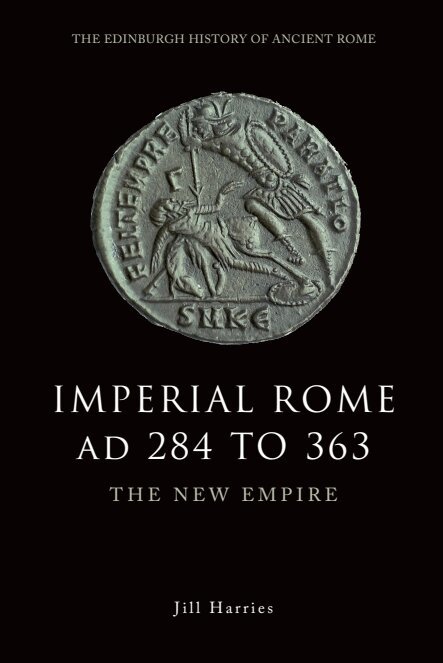
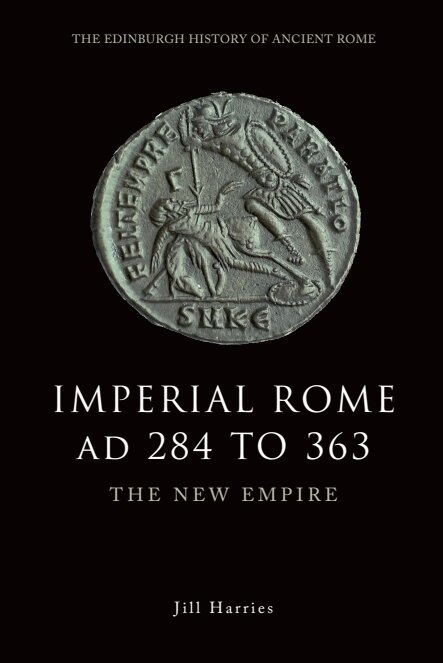
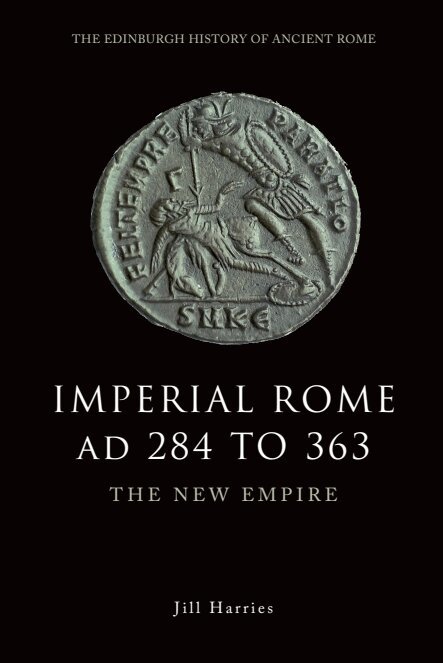
A distinct perspective on the momentous religious change in the regionDiocletian (284-305) and his principal successor, Constantine (306-337), would rule the Roman world for over half a century and Constantine's sons would build on their legacy. Administrative reform encouraged the rise of a bureaucratic culture, provincial government was reshaped and became more hierarchical and the court became more structured. The period was also one of momentous religious change. With Constantine's adoption of Christianity as the favoured recipient of imperial patronage, the religious landscape would, over time, be radically reshaped.Jill Harries combines the administrative reform and religious change with accounts of war, women and imperial cities to offer a new and revealing view of the region.Key features:Focuses on the Emperor Constantine as a major figure and offers a context to his achievementAddresses the role of imperial women, often ignored for this periodStudies the control of empires and how rulers fashion their claims to legitimacyKeywords:Roman history; Late Antiquity; Later Roman Empire; History of Christianity; Diocletian; Constantine; Emperor Julian.
449 kr
Skickas inom 10-15 vardagar
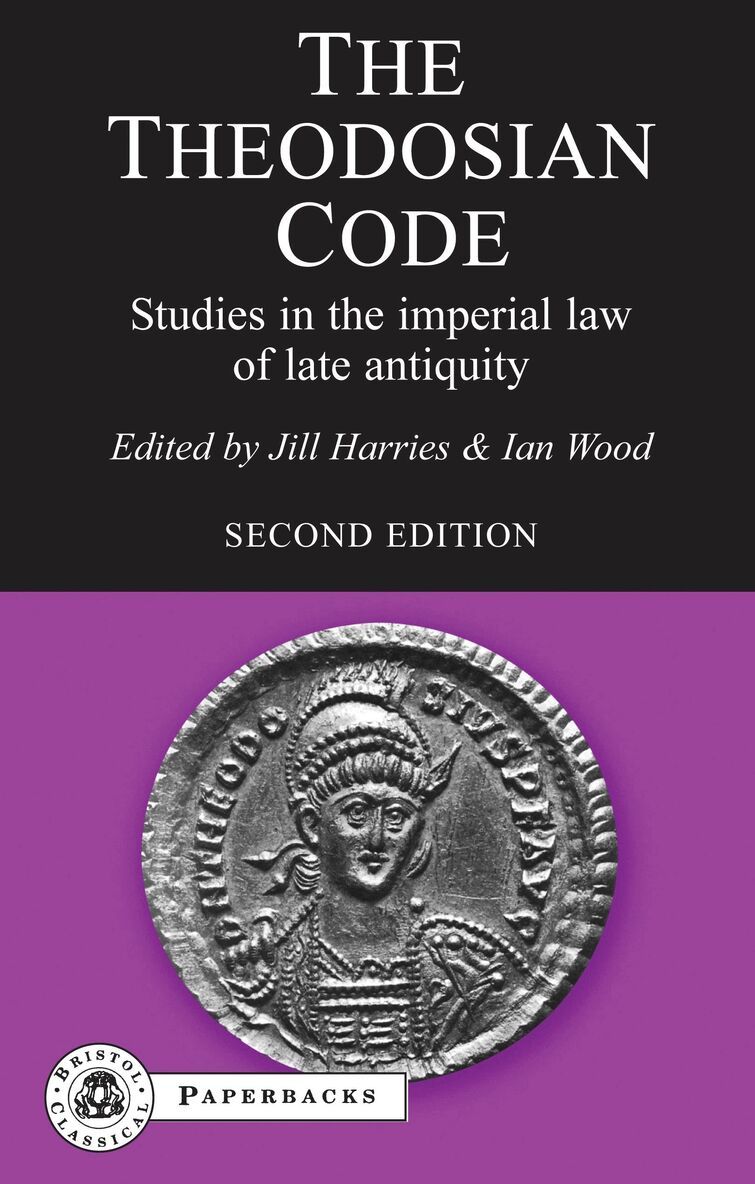
The Theodosian Code, put together under the Eastern Roman Emperor Theodosius II, is a compliation of the laws dating from 312 to 438 AD, when the code was published. It brought order to a vast unmanageable body of law and formed part of the basis for the sixth-century Institutes of Justinian, fundamental to later jurisprudence. This book is an important collection of articles, well established as an essential resource for students of Roman law, long unavailable and here published in paperback for the first time with a new preface and updated bibliography. Contributors: Simon Corcoran; Brian Croke; Judith Evans Grubbs; Jill Harries; Tony Honore; David Hunt; John Matthews; Boudewijn Sirks; Mark Vessey; Dafydd Walters; Ian Wood.