Jim Wilce - Böcker
Visar alla böcker från författaren Jim Wilce. Handla med fri frakt och snabb leverans.
3 produkter
3 produkter
1 343 kr
Skickas inom 10-15 vardagar
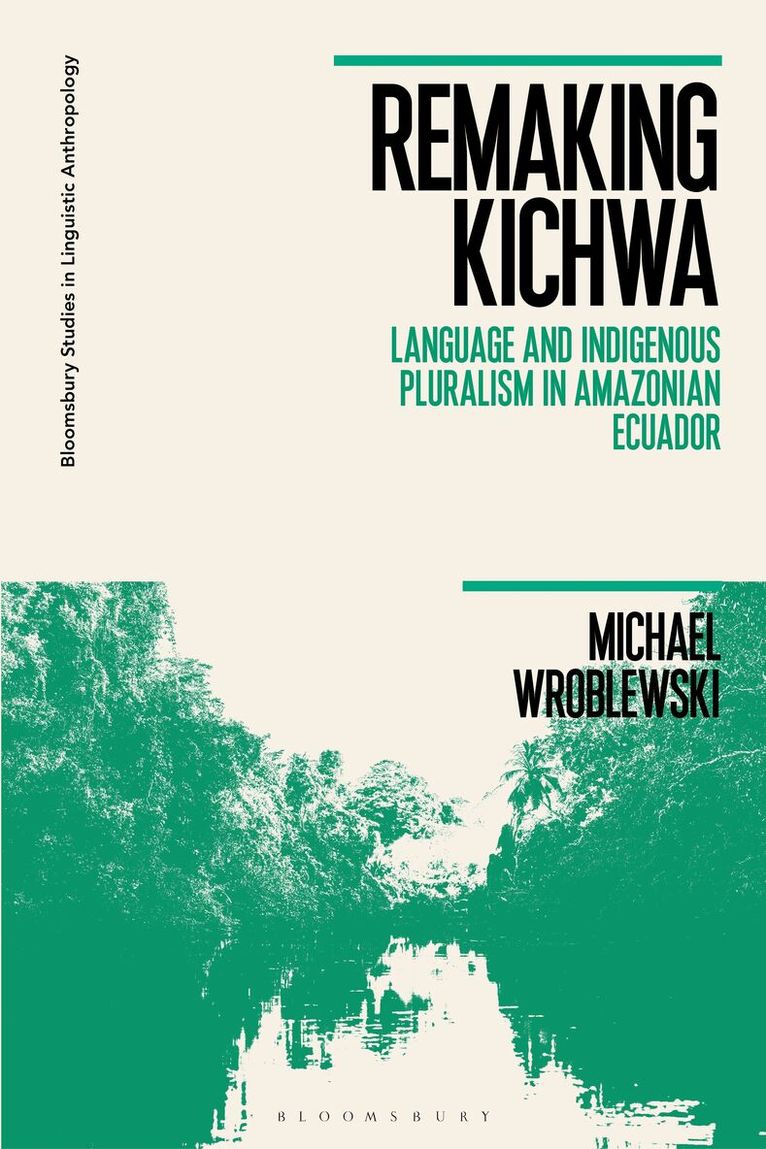
Investigating the efforts of the Kichwa of Tena, Ecuador to reverse language shift to Spanish, this book examines the ways in which Indigenous language can be revitalized and how creative bilingual forms of discourse can reshape the identities and futures of local populations. Based on deep ethnographic fieldwork among urban, periurban, and rural indigenous Kichwa communities, Michael Wroblewski explores adaptations to culture contact, language revitalization, and political mobilization through discourse.Expanding the ethnographic picture of native Amazonians and their traditional discourse practices, this book focuses attention on Kichwas’ diverse engagements with rural and urban ways of living, local and global ways of speaking, and Indigenous and dominant intellectual traditions. Wroblewski reveals the composite nature of indigenous words and worlds through conversational interviews, oral history narratives, political speechmaking, and urban performance media, showing how discourse is a critical focal point for studying cultural adaptation. Highlighting how Kichwas assert autonomy through creative forms of self-representation, Remaking Kichwa moves the study of Indigenous language into the globalized era and offers innovative reconsiderations of Indigeneity, discourse, and identity.
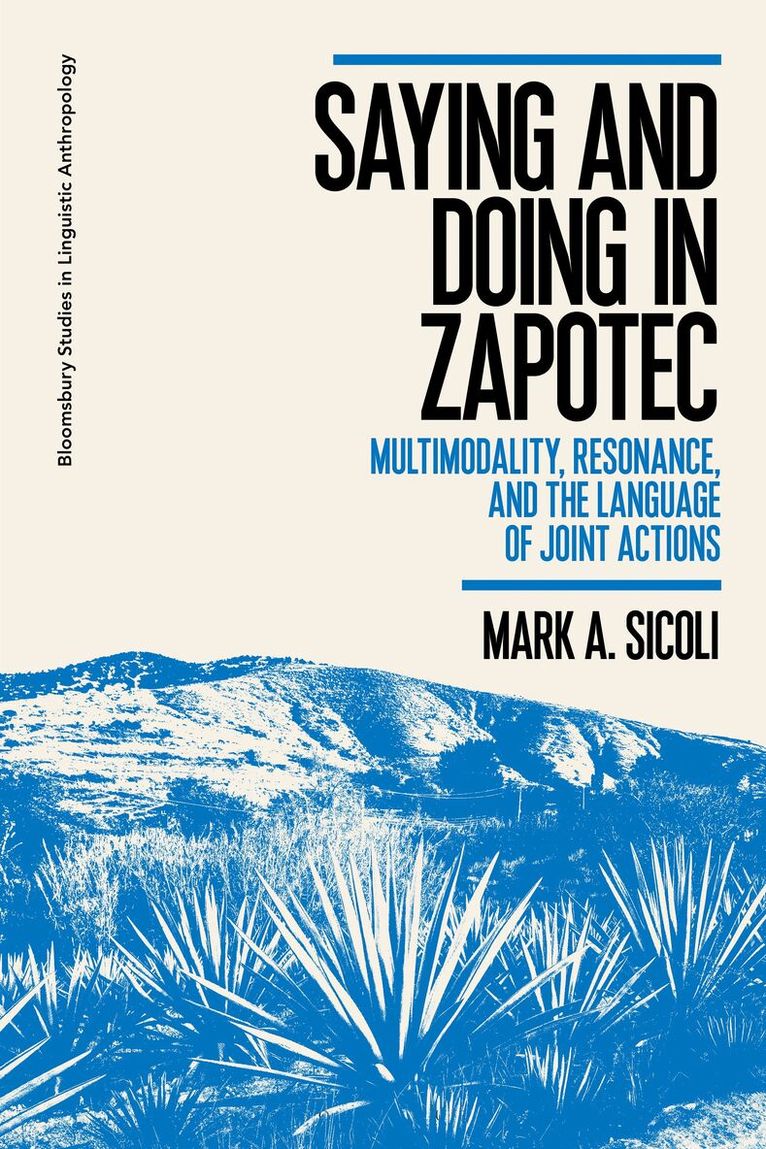
Saying and Doing in Zapotec
Multimodality, Resonance, and the Language of Joint Actions
Inbunden, Engelska, 2020
1 343 kr
Skickas inom 10-15 vardagar
A multimodal ethnography of language as living process, this book demonstrates methods for the integrated analysis of talk, gesture, and material culture, developing a fresh way to understand human language through a focus on jointly achieved social actions to which it is part. Based on findings from a participatory, multimedia language documentation project in a highland Zapotec community of Oaxaca, Mexico, Mark A. Sicoli brings together goals of documentary linguistics and anthropological concern with the everyday means and ends of human social life with theoretical consequences for the analysis of linguistic and cultural reproduction and change. This book argues that resonances emergent in the whole of multiparticipant, multimodal interaction, are organizational of human social-cognitive process important for understanding both the shape linguistic utterances take in interaction (dialogic resonance) and the relationships built between distinct sign modes (intermodal resonance). In this way, Saying and Doing in Zapotec develops a new theory, characterizing the logic of resonance in human interaction as semiotic process that connects and juxtaposes interactional moves into assemblages of relations, resonances and collaborations that build an emergent lifeworld for a language.
1 343 kr
Skickas inom 10-15 vardagar
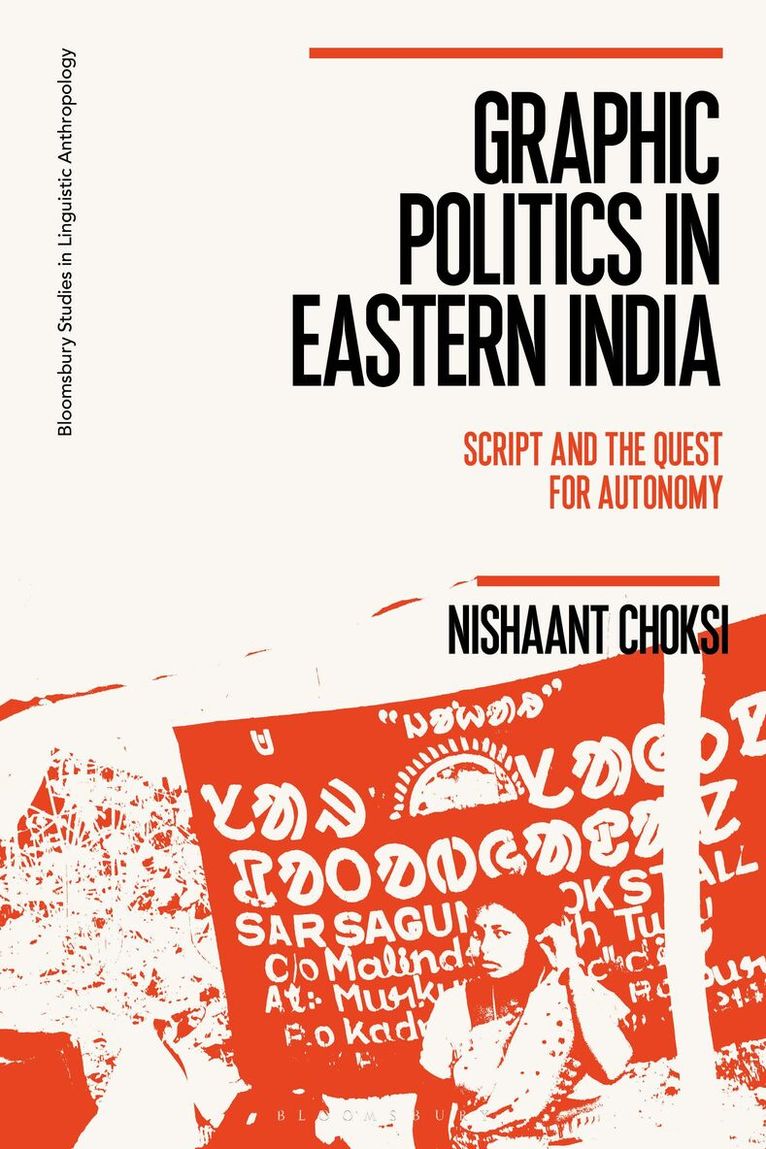
Investigating the communicative practices of indigenous Santali speakers in eastern India, Nishaant Choksi examines the overlooked role of script in regional movements for autonomy to provide one of the first comprehensive theoretical and ethnographical accounts of ‘graphic politics’.Based on extensive fieldwork in the villages of southwestern West Bengal, Choksi explores the deployment of Santali scripts, including a newly created script called Ol Chiki, in Bengali-dominated local markets, the education system and in the circulation of print media. He shows how manipulating the linguistic landscape and challenging the idea of a vernacular enables Santali speakers to delineate their own political domains and scale their language on local, regional and national levels. In doing so, they contest Bengali-speaking upper castes’ hegemony over public spaces and institutions, as well as the administrative demarcations of the contemporary Indian nation-state.Combining semiotic theory with ethnographically grounded investigation, Graphic Politics in Eastern India provides a new framework for understanding writing and literacy practices among ethnic minorities and points to future directions for interdisciplinary research on indigenous autonomy in South Asia.