Jimmie Holland – författare
Visar alla böcker från författaren Jimmie Holland. Handla med fri frakt och snabb leverans.
6 produkter
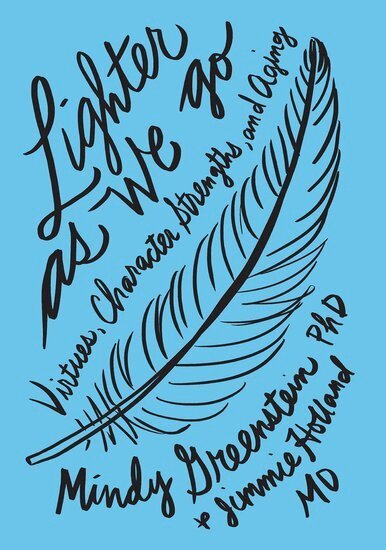
Lighter As We Go
Virtues, Character Strengths, and Aging
Av Mindy Greenstein, Jimmie Holland
Häftad, 2018
327 kr
Lägg i varukorg
The fears of aging have been one long cascading domino effect through the years: twenty year-olds dread thirty; forty year-olds fear fifty; sixty fears seventy, and so it goes. And there is something to worry about, though it isn't what you'd expect: research shows that having a bad attitude toward …
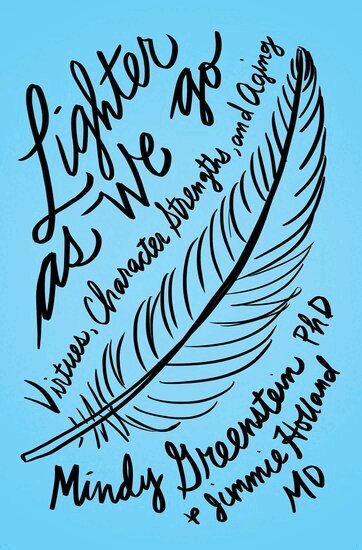
Lighter as We Go
Virtues, Character Strengths, and Aging
Av Mindy Greenstein, Jimmie Holland
Inbunden, 2014
543 kr
Lägg i varukorg
Fifty year olds fear what sixty-five will look like, while thirty year olds dread fifty, and twenty year olds thirty. The fears of aging are like one long cascading domino effect of the fears of aging. And there is something to worry about, though it isn't what you'd expect: research shows that …
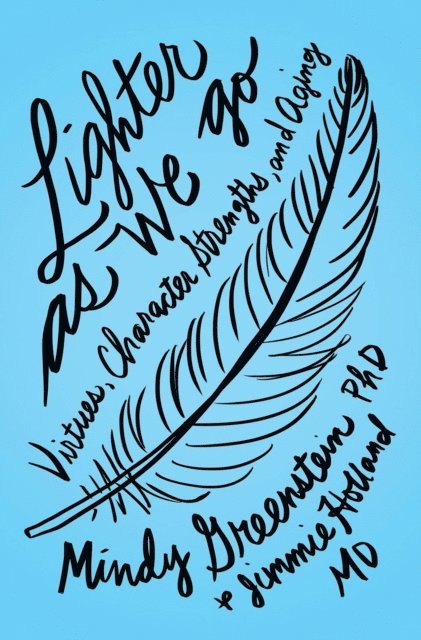
Lighter as We Go
Virtues, Character Strengths, and Aging
Av Jimmie Holland, Mindy Greenstein
E-bok, 2014
214 kr
Lägg i varukorg
The fears of aging have been one long cascading domino effect through the years: twenty year-olds dread thirty; forty year-olds fear fifty; sixty fears seventy, and so it goes. And there is something to worry about, though it isn''t what you''d expect: research shows that having a bad attitude …
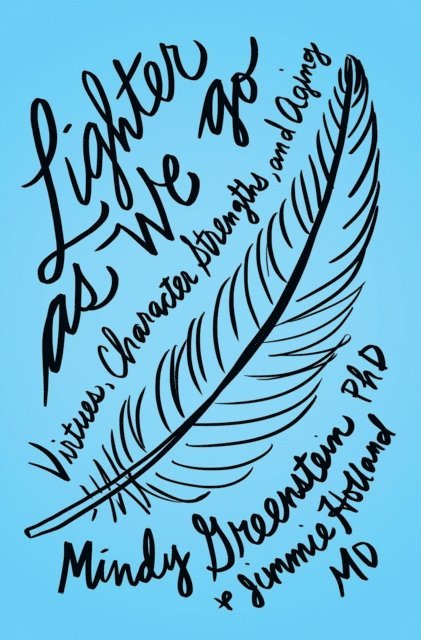
Lighter as We Go
Virtues, Character Strengths, and Aging
Av Jimmie Holland, Mindy Greenstein
E-bok, 2014
214 kr
Lägg i varukorg
The fears of aging have been one long cascading domino effect through the years: twenty year-olds dread thirty; forty year-olds fear fifty; sixty fears seventy, and so it goes. And there is something to worry about, though it isn''t what you''d expect: research shows that having a bad attitude …
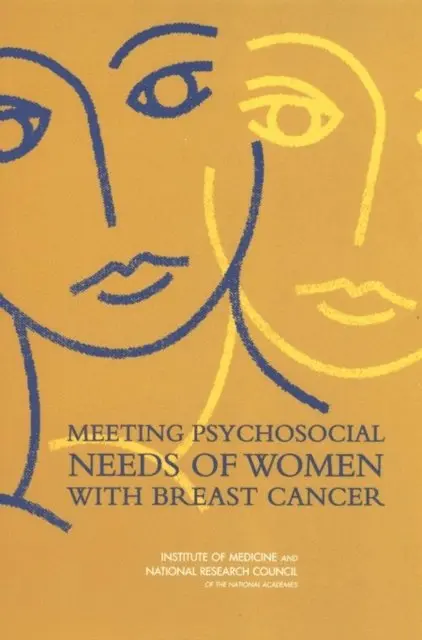
Meeting Psychosocial Needs of Women with Breast Cancer
Av National Cancer Policy Board, Institute of Medicine m. fl.
E-bok, 2004
874 kr
Lägg i varukorg
In Meeting Psychosocial Needs of Women with Breast Cancer , the National Cancer PolicyBoard of the Institute of Medicine examines the psychosocial consequences of thecancer experience. The book focuses specifically on breast cancer in women becausethis group has the largest survivor population …
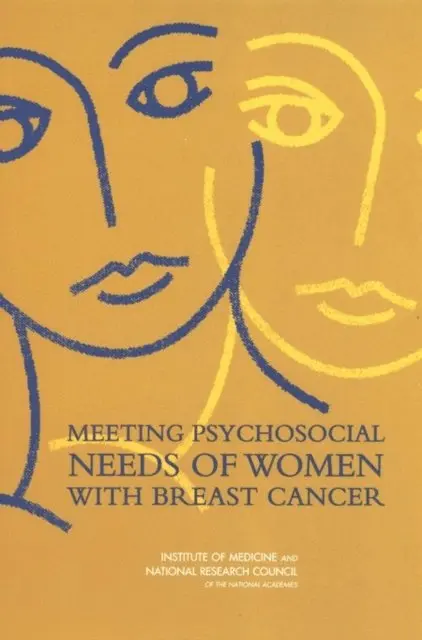
Meeting Psychosocial Needs of Women with Breast Cancer
Av National Cancer Policy Board, Institute of Medicine m. fl.
E-bok, 2004
602 kr
Lägg i varukorg
In Meeting Psychosocial Needs of Women with Breast Cancer , the National Cancer PolicyBoard of the Institute of Medicine examines the psychosocial consequences of thecancer experience. The book focuses specifically on breast cancer in women becausethis group has the largest survivor population …