J.L. Black – författare
Visar alla böcker från författaren J.L. Black. Handla med fri frakt och snabb leverans.
9 produkter
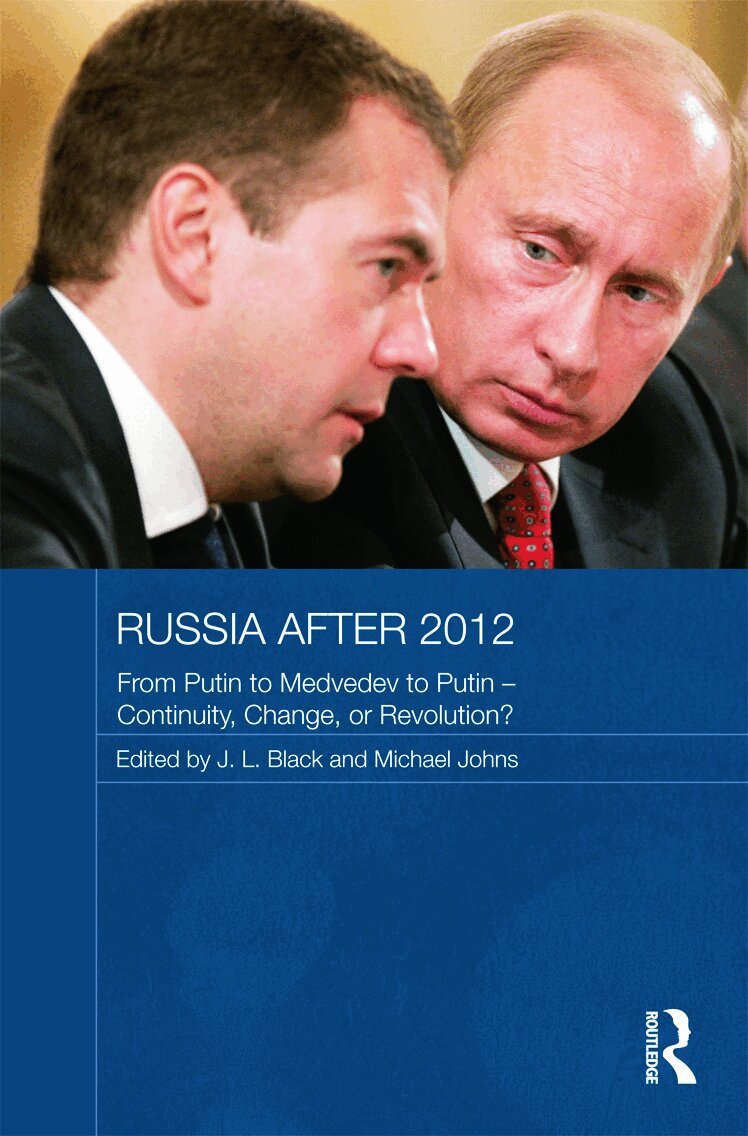
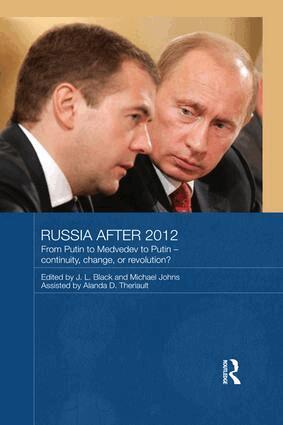
Russia after 2012
From Putin to Medvedev to Putin – Continuity, Change, or Revolution?
Inbunden, 2013
2826 kr
Lägg i varukorg
This book provides an overview of the state of Russia after the 2012 presidential election. It considers a wide range of both domestic and international issues, examining both the run up to and the consequences of the election. It covers political, economic, and social topics. It assesses the …
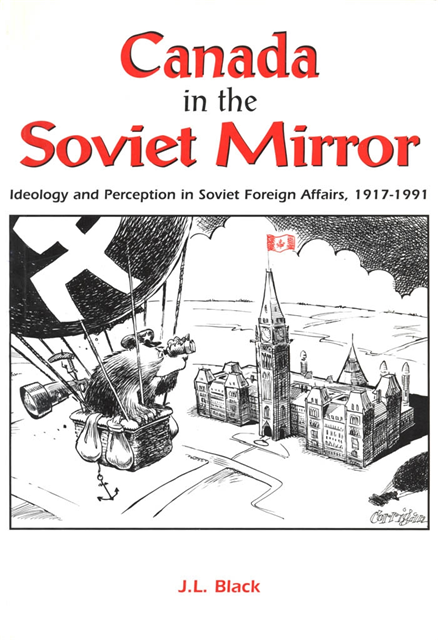
Canada in the Soviet Mirror
Ideology and Perception in Soviet Foreign Affairs, 1917-1991
Av J.L. Black
E-bok, 1998
1049 kr
Lägg i varukorg
This is an original, thoroughly researched account of the image of Canada in Soviet writings - political, jounalistic and academic - over the entire course of Soviet history. A study of the role of ideology in Soviet foreign affairs, the book traces the influence of an adjusting Marxist-Leninist …
Russia after 2012
From Putin to Medvedev to Putin - Continuity, Change, or Revolution?
E-bok, 2013
830 kr
Lägg i varukorg
This book provides an overview of the state of Russia after the 2012 presidential election. It considers a wide range of both domestic and international issues, examining both the run up to and the consequences of the election. It covers political, economic, and social topics. It assesses the …
Russia after 2012
From Putin to Medvedev to Putin - Continuity, Change, or Revolution?
E-bok, 2013
849 kr
Lägg i varukorg
This book provides an overview of the state of Russia after the 2012 presidential election. It considers a wide range of both domestic and international issues, examining both the run up to and the consequences of the election. It covers political, economic, and social topics. It assesses the …
Russia after 2012
From Putin to Medvedev to Putin – Continuity, Change, or Revolution?
Häftad, 2015
742 kr
Lägg i varukorg
This book provides an overview of the state of Russia after the 2012 presidential election. It considers a wide range of both domestic and international issues, examining both the run up to and the consequences of the election. It covers political, economic, and social topics. It assesses the …
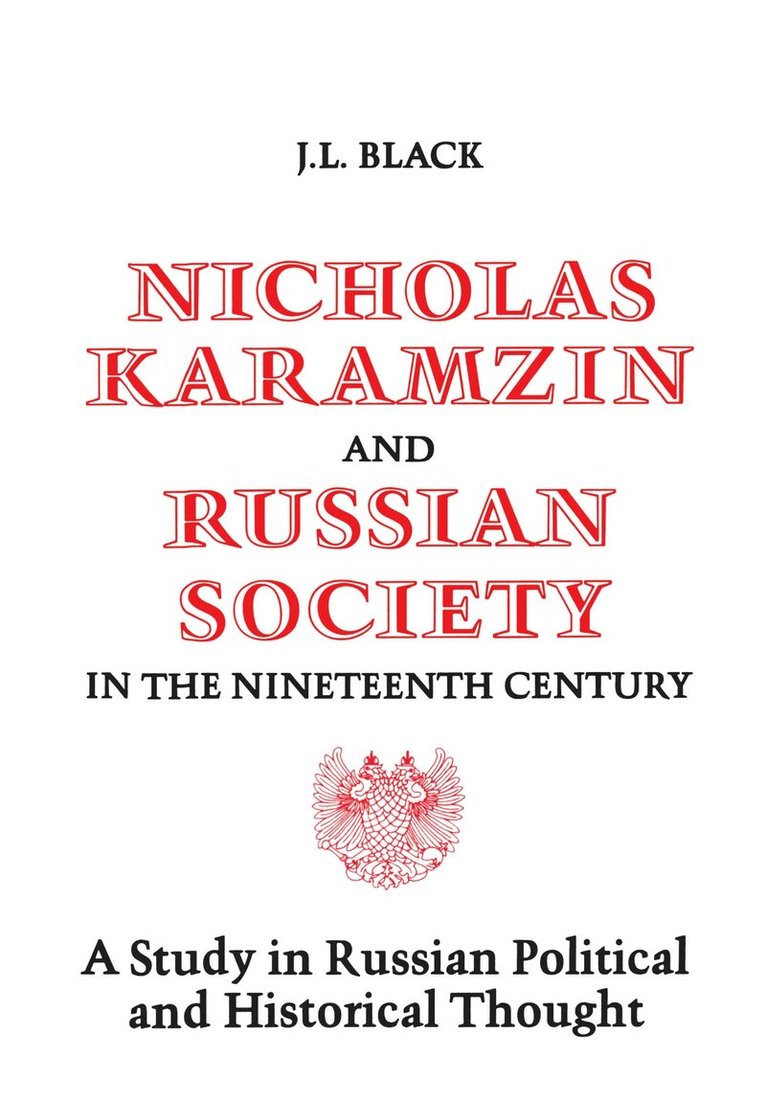
Nicholas Karamzin and Russian Society in the Nineteenth Century
A Study in Russian Political and Historical Thought
Av J.L. Black
E-bok, 1975
433 kr
Lägg i varukorg
Nicholas Karamzin (1766–1826) was a remarkably active thinker and writer during a time that was trying to all Europeans. A first-hand witness to the French Revolution, Napoleonic suzerainty over Europe, the burning of Moscow, and the Decembrist revolt in St. Petersburg, he presented in his …
Nicholas Karamzin and Russian Society in the Nineteenth Century
A Study in Russian Political and Historical Thought
Av J.L. Black
E-bok, 1975
485 kr
Lägg i varukorg
Nicholas Karamzin (1766–1826) was a remarkably active thinker and writer during a time that was trying to all Europeans. A first-hand witness to the French Revolution, Napoleonic suzerainty over Europe, the burning of Moscow, and the Decembrist revolt in St. Petersburg, he presented in his …
Nicholas Karamzin and Russian Society in the Nineteenth Century
A Study in Russian Political and Historical Thought
Av J.L. Black
Häftad, 1975
378 kr
Lägg i varukorg
Nicholas Karamzin (1766–1826) was a remarkably active thinker and writer during a time that was trying to all Europeans. A first-hand witness to the French Revolution, Napoleonic suzerainty over Europe, the burning of Moscow, and the Decembrist revolt in St. Petersburg, he presented in his …