Michael Johns – Författare
Visar alla böcker från författaren Michael Johns. Handla med fri frakt och snabb leverans.
11 produkter
11 produkter
214 kr
Skickas inom 10-15 vardagar
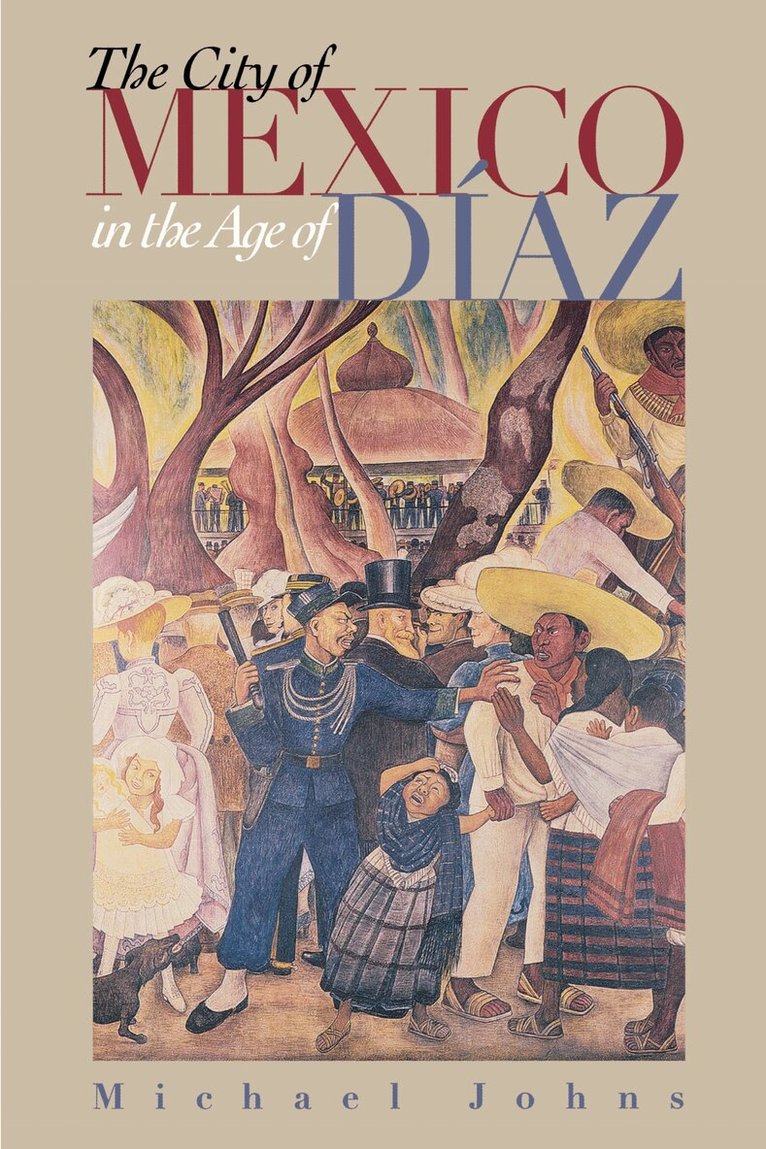
Mexico City assumed its current character around the turn of the twentieth century, during the dictatorship of Porfirio DÍaz (1876-1911). In those years, wealthy Mexicans moved away from the ZÓcalo, the city's traditional center, to western suburbs where they sought to imitate European and American ways of life. At the same time, poorer Mexicans, many of whom were peasants, crowded into eastern suburbs that lacked such basic amenities as schools, potable water, and adequate sewerage. These slums looked and felt more like rural villages than city neighborhoods. A century-and some twenty million more inhabitants-later, Mexico City retains its divided, robust, and almost labyrinthine character. In this provocative and beautifully written book, Michael Johns proposes to fathom the character of Mexico City and, through it, the Mexican national character that shaped and was shaped by the capital city. Drawing on sources from government documents to newspapers to literary works, he looks at such things as work, taste, violence, architecture, and political power during the formative DÍaz era. From this portrait of daily life in Mexico City, he shows us the qualities that "make a Mexican a Mexican" and have created a culture in which, as the Mexican saying goes, "everything changes so that everything remains the same."
277 kr
Skickas inom 10-15 vardagar
“I went to Nicaragua with nothing but a tourist visa, $1,500 in cash, the name of someone at the Agrarian Reform Ministry, and the idea of being a revolutionary intellectual. . . . The idea took hold in a simple character flaw: wanting to believe that I knew better than everyone else.” -From the prefaceWhen Michael Johns joined a Sandinista militia in 1983, a fellow revolutionary dubbed him a rÁbano, a radish: red on the outside but white on the inside. Now, more than twenty-five years later, Johns appreciates the wisdom of that label as he revisits the questions of identity he tried to resolve by working with the Sandinistas at that point in his life. In The Education of a Radical, Johns recounts his immersion in Marxism and the Nicaraguan sojourn it led to, with a painful maturation process along the way.His conversion began in college, where he joined a student group called the Latin American Solidarity Association and traveled to Chiapas, Mexico, for research on his senior thesis. Overwhelmed by the poverty he witnessed (and fascinated by a new friend named Maricela who was trying to turn peasants into revolutionaries and who carried a heavily highlighted copy of Late Capitalism), he experienced an ideological transformation. When a Marxist professor later encouraged him to travel to Nicaragua, the real internal battle began for him, a battle that was intensified by the U.S. invasion of Grenada and its effect on the Sandinistas, who believed they were the next target for an imminent American invasion. Before he knew it, Johns was digging trenches and learning how to use an AK-47. His intellectual ideals came face-to-face with revolutionary facts, and the results would perplex him for years to come.Bringing to life a vivid portrait of the sometimes painful process of reconciling reality with romanticized principles, The Education of a Radical encapsulates a trove of truths about humanity, economics, and politics in one man’s memorable journey.
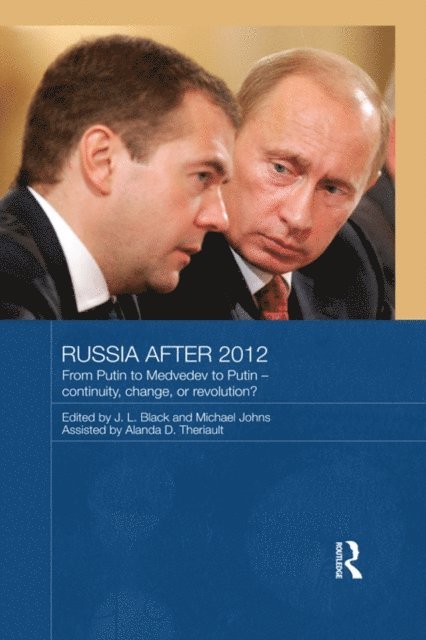
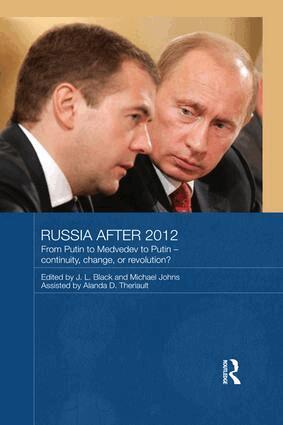
Russia after 2012
From Putin to Medvedev to Putin – Continuity, Change, or Revolution?
Inbunden, Engelska, 2013
2 386 kr
Skickas inom 10-15 vardagar
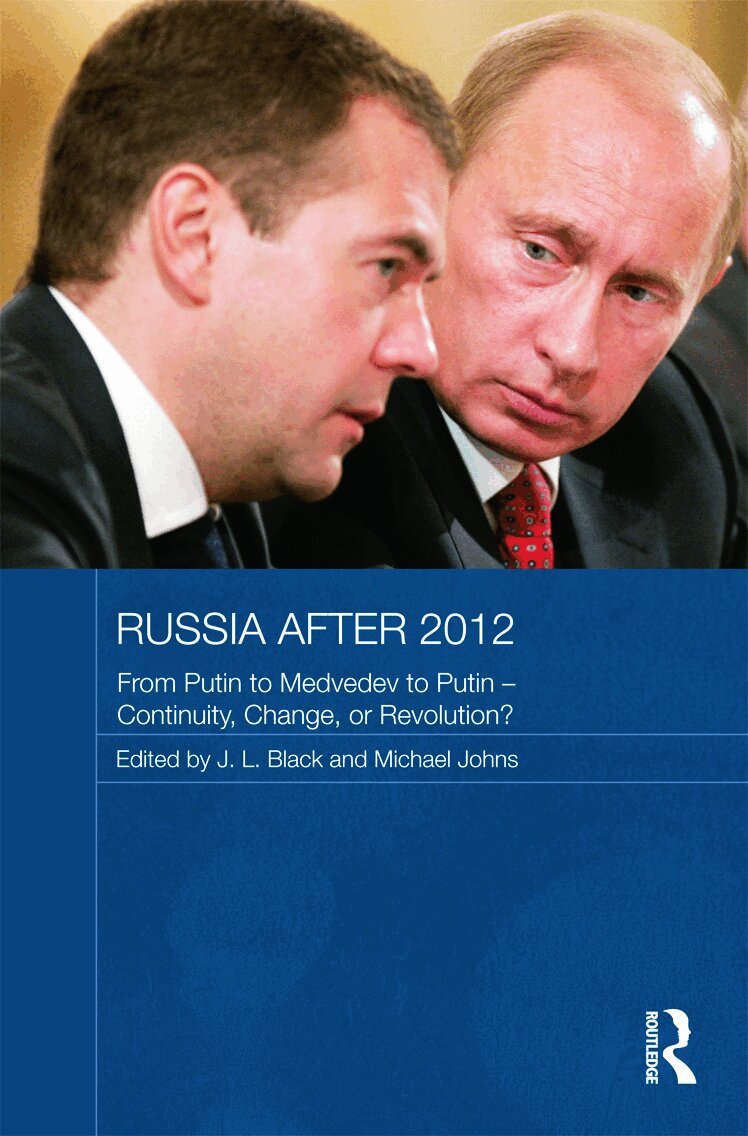
This book provides an overview of the state of Russia after the 2012 presidential election. It considers a wide range of both domestic and international issues, examining both the run up to and the consequences of the election. It covers political, economic, and social topics. It assesses the political scene both before and after the election, and discusses the nature of and likely future of democracy in Russia. The election’s impact on the Russian economy is discussed in detail, as are Russia’s relationships with the United States, the European Union, and other parts of the world.
515 kr
Skickas inom 5-8 vardagar
Our health care system is crippled by desperate efforts to prevent the inevitable. A third of the national Medicare budget- nearly 175 billion- is spent on the final year of life, and a third of that amount on the final month, often on expensive (and futile) treatments. Such efforts betray a fundamental flaw in how we think about healthcare: we squander resources on hopeless situations, instead of using them to actually improve health. In Predictive Health , distinguished doctors Kenneth Brigham and Michael M.E. Johns propose a solution: invest earlier- and use science and technology to make healthcare more available and affordable. Every child would begin life with a post-natal genetic screen, when potential risk- say for type II diabetes or heart disease- would be found. More data on biology, behaviour, and environment would be captured throughout her life. Using this information, health-care workers and the people they care for could forge personal strategies for healthier living long before a small glitch blows up into major disease. This real health care wouldn't just replace much of modern disease care- it would make it obsolete. The result, according to Brigham and Johns, will be a life defined by a long stay at top physical and mental form, rather than an early peak and long decline. Accomplishing this goal will require new tools, new clinics, fewer doctors and more mentors, smarter companies, and engaged patients. In short, it will require a revolution. Thanks to a decade-long collaboration between Brigham, Johns and others, it is already underway. An optimistic plan for reducing or eliminating many chronic diseases as well as reforming our faltering medical system, Predictive Health is a deeply knowledgeable, deeply humane proposal for how we can reallocate expenses and resources to prolong the best years of life, rather than extending the worst.
564 kr
Skickas inom 3-6 vardagar
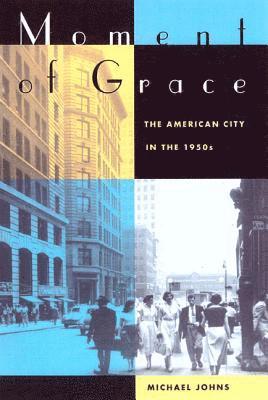
Moment of Grace tells the story of the American city in its remarkable heyday. Never before or after the 1950s were downtowns so exciting, neighborhoods so settled, or suburban dwellers so optimistic. Urban culture was at its peak: it was vital, urbane, conformist, and generating rebellion all at once. Capturing the mood of the '50s in superb historical photographs and mining delightfully varied sources--including urban critics, interviews with city residents, novels, songs, magazines, and newspapers--Moment of Grace brings alive the downtowns, the neighborhoods, and the suburbs of the era. A rich historical reflection on a singular decade, the book also portrays the '50s as a critical turning point in American culture and economy. Michael Johns shows us exactly why city life never could or would be the same again. Giving a vivid sense of the lived experience of the day, Johns explores the '50s in cities such as New York, San Francisco, Philadelphia, Chicago, and Oakland, writing about fashion (which demanded the highest heels and pointiest breasts in history), nightlife, architecture, literature, business and economic trends, and teenage culture.He tells us what was for sale in the stores, who lived in the neighborhoods, what life was like for women in the brand-new suburbs, and much more. And he confronts difficult issues head-on. What did the loss of city jobs and the simultaneous success of the civil rights movement mean for black neighborhoods? What were the profound consequences of the rise of the suburbs for family life? In contrast to the vibrant cities of the '50s, the streets of today's downtowns are often empty if not suffused with melancholy. Johns uncovers the seeds of the transformation from the '50s to today, and at the same time, he paints a memorable picture of the American past.
1 276 kr
Skickas inom 10-15 vardagar
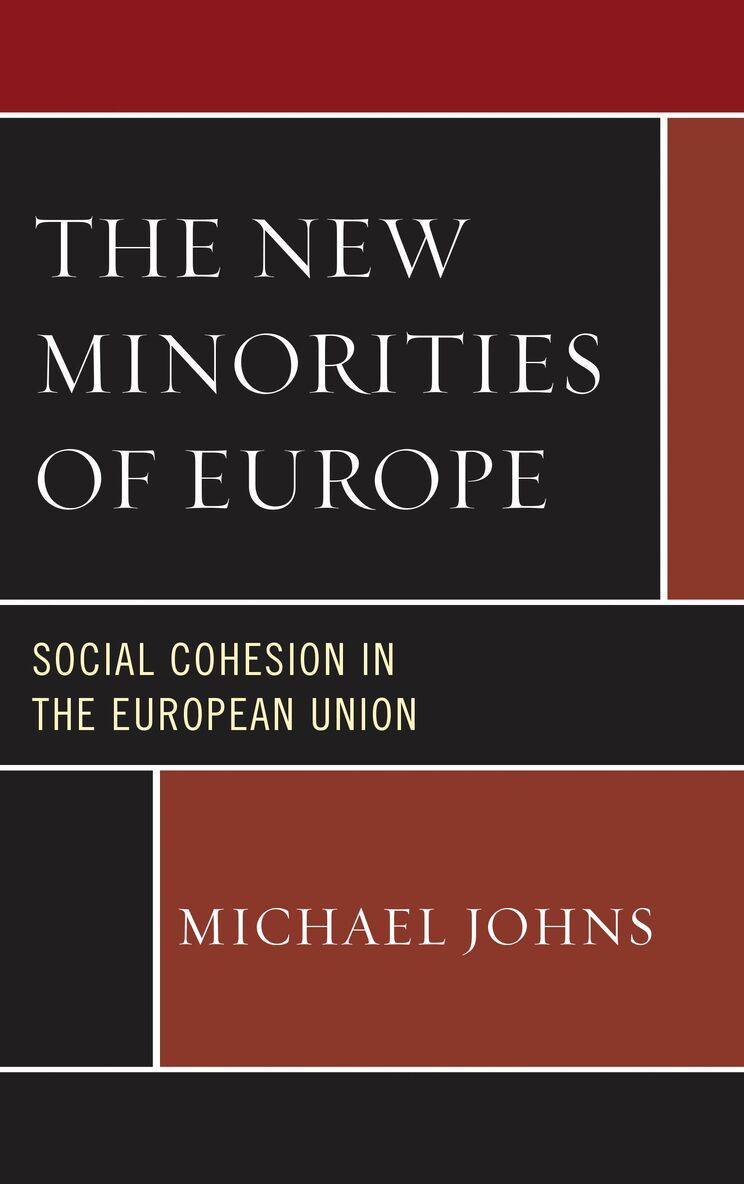
The New Minorities of Europe: Social Cohesion in the European Unionargues that while the EU currently faces economic issues, it is pressed with larger questions and potential problems due to the backlash against those who move freely inside the union. It uses the intra-EU migrants, particularly the Polish community who moved post-2004 into Britain and to a lesser extent Ireland, as the case through which to examine these issues. The book argues that the traditional definitions of minorities and migrants are no longer valid in the EU and we should look at all groups collectively through a continuum of social cohesion based on their ability to access rights. The book traces the development of free movement in the EU, the movement of the intra-EU migrants, and the challenges and growing chilly climate they and other non-EU immigrants face across Europe. The book concludes with a proposal for the development of a High Commission on Social Cohesion in the European Union similar to the OSCE High Commissioner on National Minorities who could use Quiet Diplomacy to try to work with minority groups in all their forms and the EU member states to address these issues.
749 kr
Skickas inom 10-15 vardagar
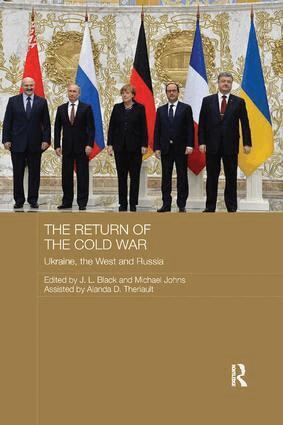
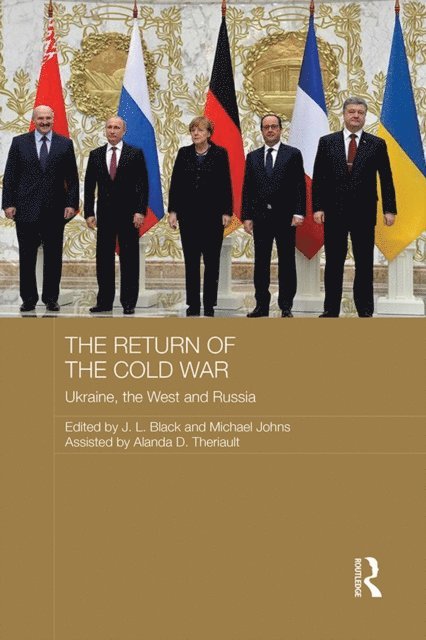
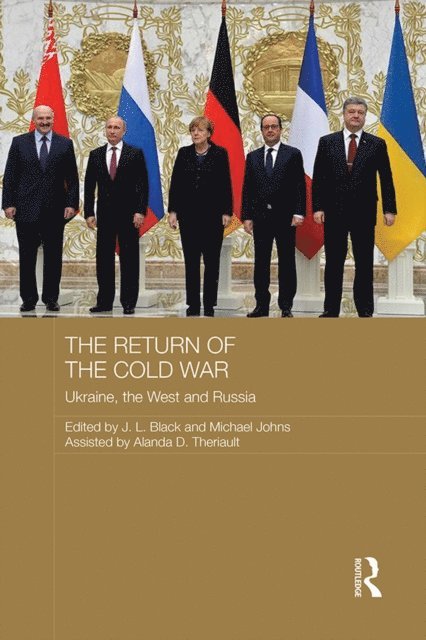
This book examines the crisis in Ukraine, tracing its development and analysing the factors which lie behind it. It discusses above all how the two sides have engaged in political posturing, accusations, escalating sanctions and further escalating threats, arguing that the ease with which both sides have reverted to a Cold War mentality demonstrates that the Cold War belief systems never really disappeared, and that the hopes raised in the aftermath of the collapse of the Soviet Union for a new era in East-West relations were misplaced. The book pays special attention to the often ignored origins of the crisis within Ukraine itself, and the permanent damage caused by the fact that Ukrainians are killing Ukrainians in the eastern parts of the country. It also assesses why Cold War belief systems have re-emerged so easily, and concludes by considering the likely long-term ramifications of the crisis, arguing that the deep-rooted lack of trust makes the possibility of compromise even harder than in the original Cold War.
2 596 kr
Skickas inom 10-15 vardagar
This book examines the crisis in Ukraine, tracing its development and analysing the factors which lie behind it. It discusses above all how the two sides have engaged in political posturing, accusations, escalating sanctions and further escalating threats, arguing that the ease with which both sides have reverted to a Cold War mentality demonstrates that the Cold War belief systems never really disappeared, and that the hopes raised in the aftermath of the collapse of the Soviet Union for a new era in East-West relations were misplaced. The book pays special attention to the often ignored origins of the crisis within Ukraine itself, and the permanent damage caused by the fact that Ukrainians are killing Ukrainians in the eastern parts of the country. It also assesses why Cold War belief systems have re-emerged so easily, and concludes by considering the likely long-term ramifications of the crisis, arguing that the deep-rooted lack of trust makes the possibility of compromise even harder than in the original Cold War.
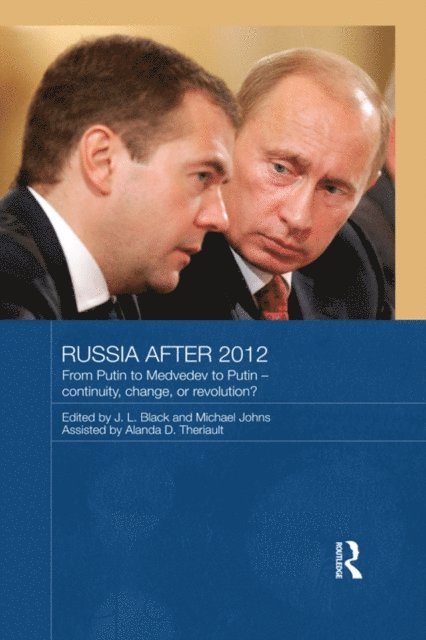
Russia after 2012
From Putin to Medvedev to Putin – Continuity, Change, or Revolution?
Häftad, Engelska, 2015
665 kr
Skickas inom 10-15 vardagar
This book provides an overview of the state of Russia after the 2012 presidential election. It considers a wide range of both domestic and international issues, examining both the run up to and the consequences of the election. It covers political, economic, and social topics. It assesses the political scene both before and after the election, and discusses the nature of and likely future of democracy in Russia. The election’s impact on the Russian economy is discussed in detail, as are Russia’s relationships with the United States, the European Union, and other parts of the world.
196 kr
Skickas inom 5-8 vardagar
1 343 kr
Skickas inom 10-15 vardagar
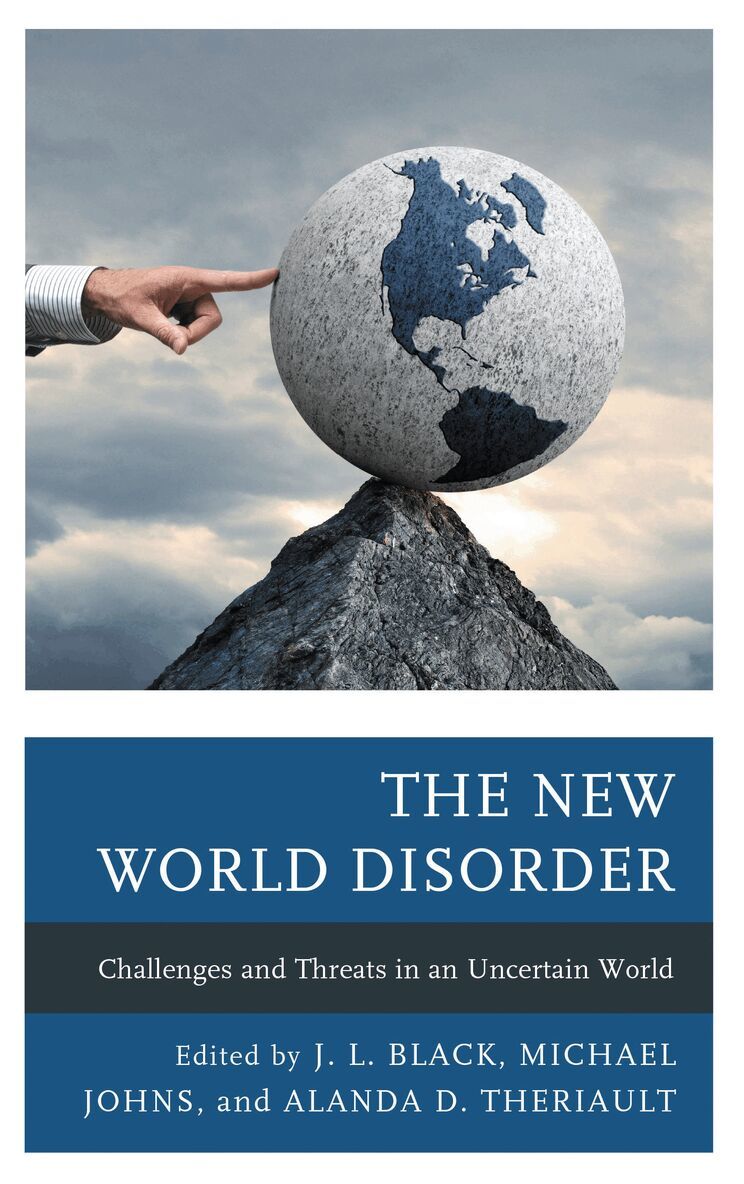
The new world order as it stood after the apparent end of the Cold War and the collapse of the USSR was greeted with enthusiasm and optimism almost everywhere, but especially in the West. Less than a quarter century later that optimism has faded dramatically, with the rise of populism, nationalism, religious extremism and civil discord disrupting political and social norms around the world. This book reveals the extent to which events that began as internal political crises in Europe, the Middle East and the USA have sent ripple effects reaching into all points of the globe. The projection of liberal democratic predominance in the 1990s, has faded as illiberal governance gains support worldwide. Long-standing international trade patterns are disrupted, perhaps permanently, by the weaponization of economic sanctions, real and perceived threats of terrorism raise levels of anxiety everywhere, and severe new weather patterns inflict floods, fires, drought and hurricanes on populations unused to such extremes. This book describes and analyses many of these phenomena in the hope that better understanding of them may help ameliorate their consequences.