Joachim Kupsch – författare
Visar alla böcker från författaren Joachim Kupsch. Handla med fri frakt och snabb leverans.
7 produkter
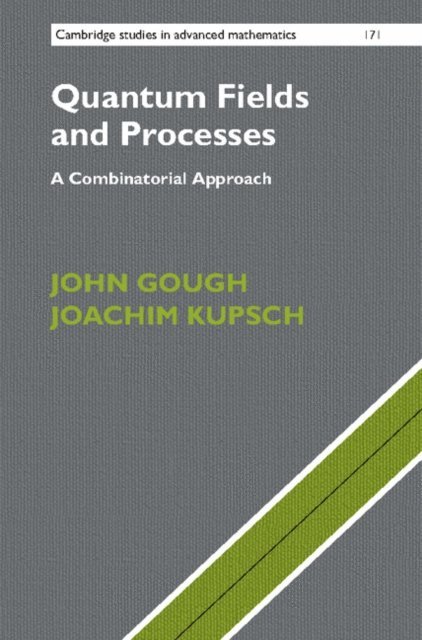
Quantum Fields and Processes
A Combinatorial Approach
E-bok, 2018
1255 kr
Lägg i varukorg
Wick ordering of creation and annihilation operators is of fundamental importance for computing averages and correlations in quantum field theory and, by extension, in the Hudson–Parthasarathy theory of quantum stochastic processes, quantum mechanics, stochastic processes, and probability. This …
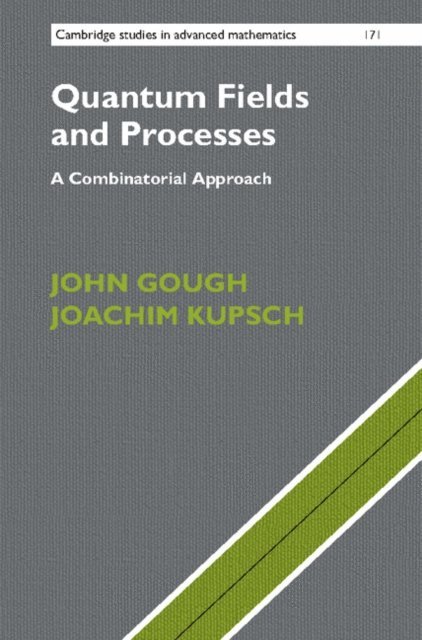
Quantum Fields and Processes
A Combinatorial Approach
E-bok, 2018
1255 kr
Lägg i varukorg
Wick ordering of creation and annihilation operators is of fundamental importance for computing averages and correlations in quantum field theory and, by extension, in the Hudson–Parthasarathy theory of quantum stochastic processes, quantum mechanics, stochastic processes, and probability. This …
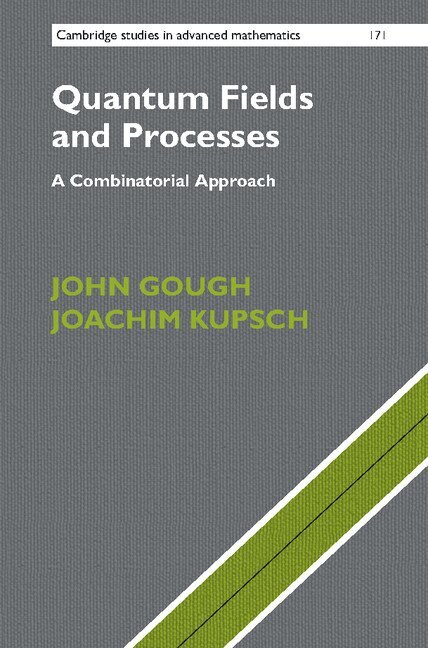
Quantum Fields and Processes
A Combinatorial Approach
Inbunden, 2018
1242 kr
Lägg i varukorg
Wick ordering of creation and annihilation operators is of fundamental importance for computing averages and correlations in quantum field theory and, by extension, in the Hudson-Parthasarathy theory of quantum stochastic processes, quantum mechanics, stochastic processes, and probability. This …
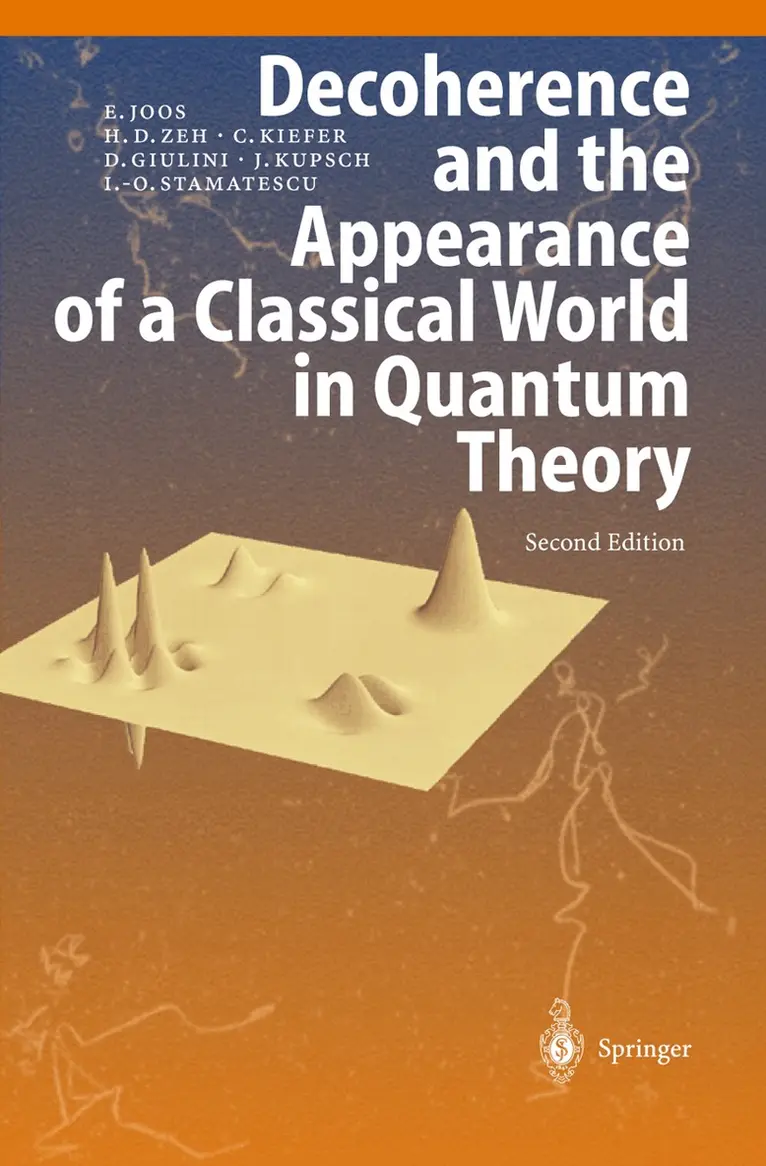
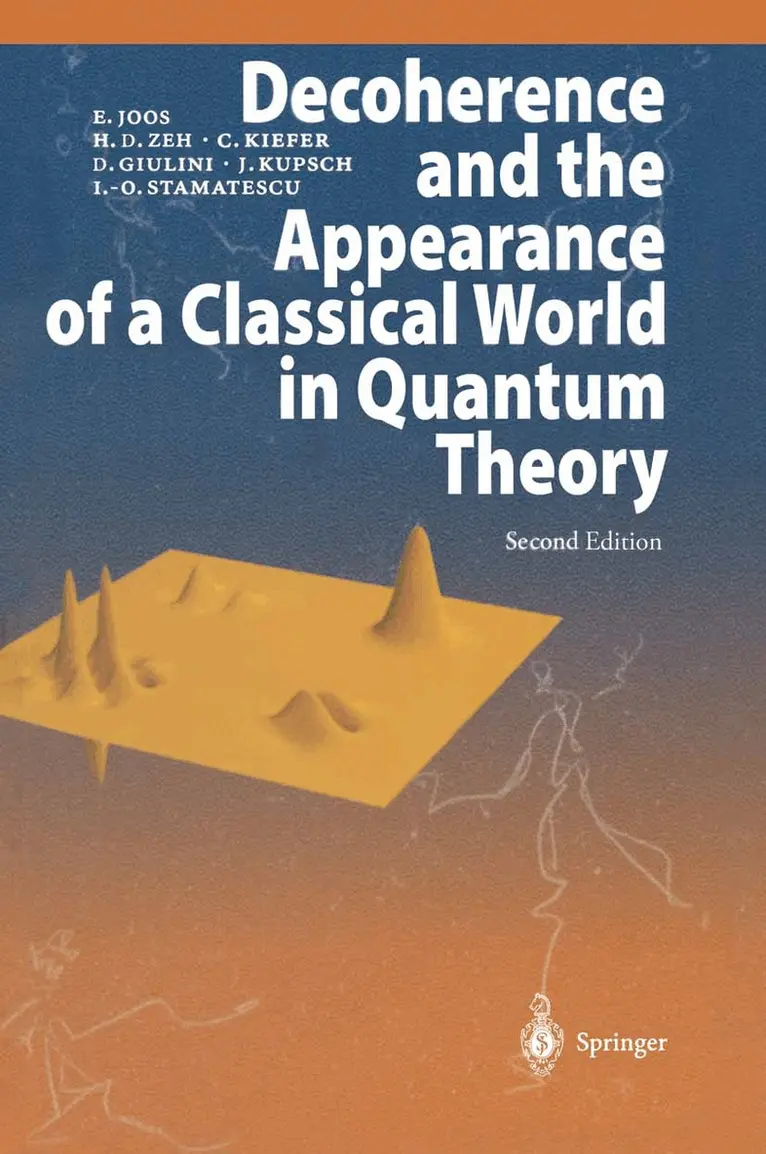
Decoherence and the Appearance of a Classical World in Quantum Theory
Av Erich Joos, H. Dieter Zeh m. fl.
Inbunden, 2003
1639 kr
Lägg i varukorg
When we were preparing the first edition of this book, the concept of de coherence was known only to a minority of physicists. In the meantime, a wealth of contributions has appeared in the literature - important ones as well as serious misunderstandings. The phenomenon itself is now experimen …
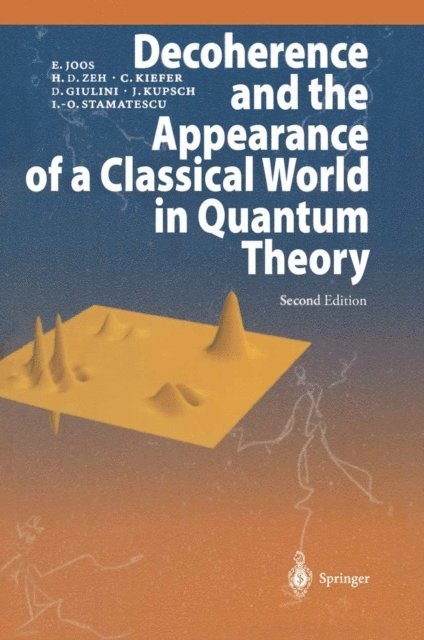
Decoherence and the Appearance of a Classical World in Quantum Theory
Av Erich Joos, H. Dieter Zeh m. fl.
Häftad, 2010
1639 kr
Lägg i varukorg
When we were preparing the first edition of this book, the concept of de coherence was known only to a minority of physicists. In the meantime, a wealth of contributions has appeared in the literature - important ones as well as serious misunderstandings. The phenomenon itself is now experimen …
Decoherence and the Appearance of a Classical World in Quantum Theory
Av H.D. Zeh, I.-O. Stamatescu m. fl.
E-bok, 2013
1174 kr
Lägg i varukorg
Decoherence, a concept known only to few physicists when the first edition appeared in 1996, has since become firmly established experimentally and understood theoretically, as well as widely reported in the literature. The major consequences of decoherence are the emergence of "classicality" in …
Decoherence and the Appearance of a Classical World in Quantum Theory
Av Ion-Olimpiu Stamatescu, Joachim Kupsch m. fl.
E-bok, 2013
2111 kr
Lägg i varukorg
When we were preparing the first edition of this book, the concept of de coherence was known only to a minority of physicists. In the meantime, a wealth of contributions has appeared in the literature - important ones as well as serious misunderstandings. The phenomenon itself is now experimen …