Joanna Dovalis - Böcker
Visar alla böcker från författaren Joanna Dovalis. Handla med fri frakt och snabb leverans.
4 produkter
4 produkter
2 500 kr
Skickas inom 10-15 vardagar
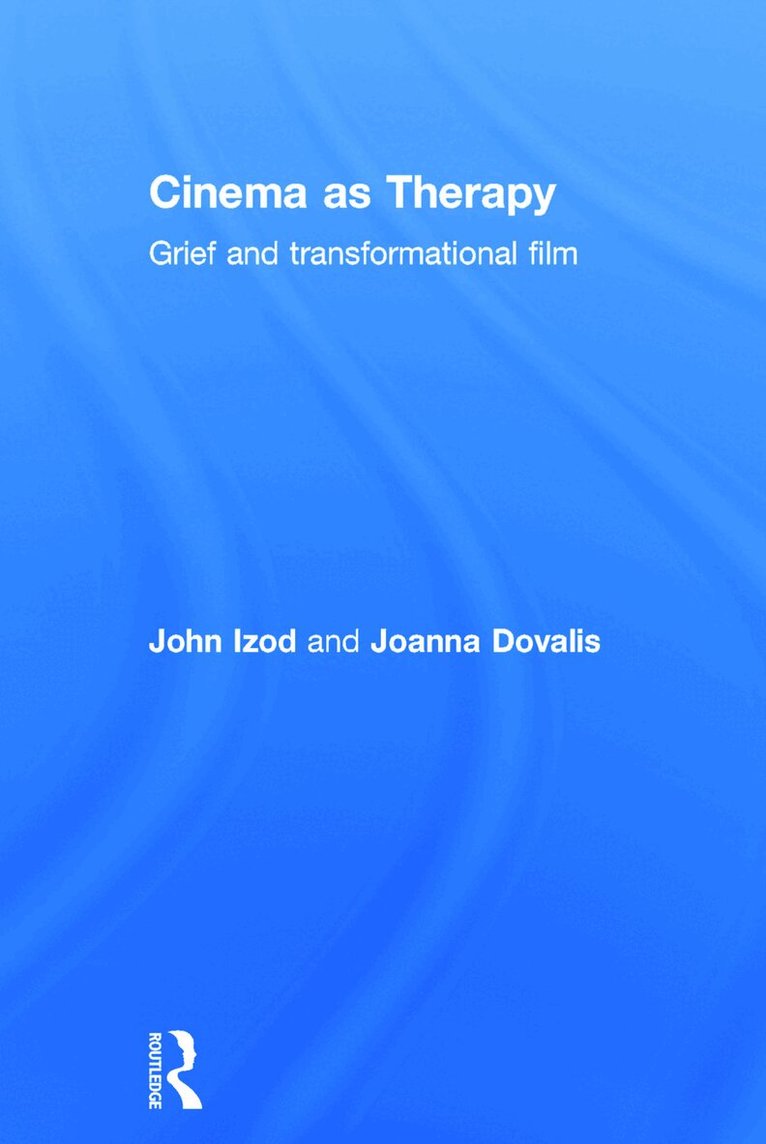
Loss is an inescapable reality of life, and individuals need to develop a capacity to grieve in order to mature and live life to the full. Yet most western movie audiences live in cultures that do not value this necessary process and filmgoers finding themselves deeply moved by a particular film are often left wondering why. In Cinema as Therapy, John Izod and Joanna Dovalis set out to fill a gap in work on the conjunction of grief, therapy and cinema.Looking at films including Million Dollar Baby, The Son’s Room, Birth and The Tree of Life, Cinema as Therapy offers an understanding of how deeply emotional life can be stirred at the movies. Izod and Dovalis note that cinema is a medium which engages people in a virtual dialogue with their own and their culture’s unconscious, more deeply than is commonly thought. By analysing the meaning of each film and the root cause of the particular losses featured, the authors demonstrate how our experiences in the movie theatre create an opportunity to prepare psychologically for the inevitable losses we must all eventually face. In recognising that the movie theatre shares symbolic features with both the church and the therapy room, the reader sees how it becomes a sacred space where people can encounter the archetypal and ease personal suffering through laughter or tears, without inhibition or fear, to reach a deeper understanding of themselves. Cinema as Therapy will be essential reading for therapists, students and academics working in film studies and looking to engage with psychological studies in depth as well as filmgoers who want to explore their relationship with the screen. The book includes a glossary of Jungian and Freudian terms which enhances the clarity of the text and the understanding of the reader.
702 kr
Skickas inom 10-15 vardagar
Loss is an inescapable reality of life, and individuals need to develop a capacity to grieve in order to mature and live life to the full. Yet most western movie audiences live in cultures that do not value this necessary process and filmgoers finding themselves deeply moved by a particular film are often left wondering why. In Cinema as Therapy, John Izod and Joanna Dovalis set out to fill a gap in work on the conjunction of grief, therapy and cinema.Looking at films including Million Dollar Baby, The Son’s Room, Birth and The Tree of Life, Cinema as Therapy offers an understanding of how deeply emotional life can be stirred at the movies. Izod and Dovalis note that cinema is a medium which engages people in a virtual dialogue with their own and their culture’s unconscious, more deeply than is commonly thought. By analysing the meaning of each film and the root cause of the particular losses featured, the authors demonstrate how our experiences in the movie theatre create an opportunity to prepare psychologically for the inevitable losses we must all eventually face. In recognising that the movie theatre shares symbolic features with both the church and the therapy room, the reader sees how it becomes a sacred space where people can encounter the archetypal and ease personal suffering through laughter or tears, without inhibition or fear, to reach a deeper understanding of themselves. Cinema as Therapy will be essential reading for therapists, students and academics working in film studies and looking to engage with psychological studies in depth as well as filmgoers who want to explore their relationship with the screen. The book includes a glossary of Jungian and Freudian terms which enhances the clarity of the text and the understanding of the reader.
522 kr
Skickas inom 10-15 vardagar
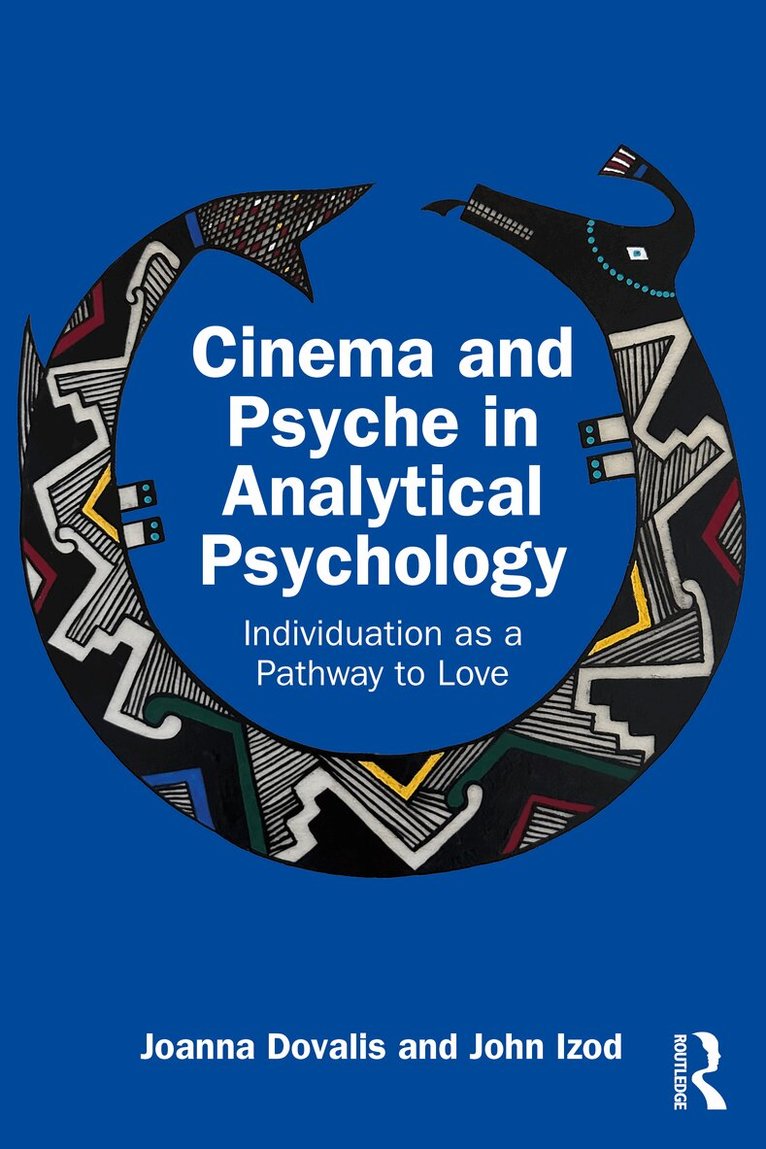
Peering into the unconscious through cinema can give audiences an uncanny feeling about what lives in the beyond, something alien to consciousness. This book creates psychological interpretations of films that lend themselves to the depths, and investigates the personal and cultural appeal of cinema as a powerful art form.The selected films examined in this book circle around the process of individuation, focussing on different aspects of intellectual and emotional life from a Jungian lens. The first group of movies centres on three films, following plotlines that extend beyond the norms of routine drama, delving into alien territory. The second group presents three more films that, by comparison with the first, can be seen as typical dramas that focus on motifs of relationships. In the final chapter, the authors reflect on their own individuation journeys and life experiences that have informed the productive nature of their work together.This book will be of interest for therapists, students, and academics working in film studies, looking to engage in psychological studies in depth, as well as film goers who want to explore their relationship to the screen.
Cinema and Psyche in Analytical Psychology
Individuation as a Pathway to Love
Inbunden, Engelska, 2025
2 096 kr
Skickas inom 10-15 vardagar
Peering into the unconscious through cinema can give audiences an uncanny feeling about what lives in the beyond, something alien to consciousness. This book creates psychological interpretations of films that lend themselves to the depths, and investigates the personal and cultural appeal of cinema as a powerful art form.The selected films examined in this book circle around the process of individuation, focussing on different aspects of intellectual and emotional life from a Jungian lens. The first group of movies centres on three films, following plotlines that extend beyond the norms of routine drama, delving into alien territory. The second group presents three more films that, by comparison with the first, can be seen as typical dramas that focus on motifs of relationships. In the final chapter, the authors reflect on their own individuation journeys and life experiences that have informed the productive nature of their work together.This book will be of interest for therapists, students, and academics working in film studies, looking to engage in psychological studies in depth, as well as film goers who want to explore their relationship to the screen.