John Izod - Böcker
Visar alla böcker från författaren John Izod. Handla med fri frakt och snabb leverans.
9 produkter
9 produkter
559 kr
Skickas inom 10-15 vardagar
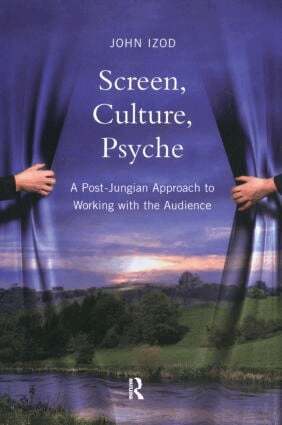
Screen, Culture, Psyche illuminates recent developments in Jungian modes of media analysis, and illustrates how psychoanalytic theories have been adapted to allow for the interpretation of films and television programmes, employing Post-Jungian methods in the deep reading of a whole range of films. Readings of this kind can demonstrate the way that some films bear the psychological projections not only of their makers but of their audience, and assess the manner in which films engage the writer’s own psyche. Seeking to go beyond existing theories, John Izod explores the question of whether Jungian screen analysis can work for ordinary filmgoers - can what functions for the scholar be said to be true for people without a background in Jung’s ideas?Through detailed readings of a number of films and programmes, John Izod builds on the work previously done by Jungian film analysts, and moves on to contemplate the level of audience engagement. Offering deep readings of films directed by Kubrick and Bernardo Bertolucci, as well as satirical comedy, documentaries and twenty-first century Westerns, the book explores the extent to which they manage to make the psychological impact on spectators that films of a similar kind have done on Jungian writers. The author concludes that the screen texts with the best likelihood of impacting the culture of the audience through their collective psychological force fall at opposite ends of the size and budget range: highly personal documentaries, and the most affecting of mainstream genre movies.This innovative text will be essential reading for psychoanalysts and therapists, as well as students and scholars of film with an interest in understanding how screen products work psychologically to engage the viewer.
2 504 kr
Skickas inom 10-15 vardagar
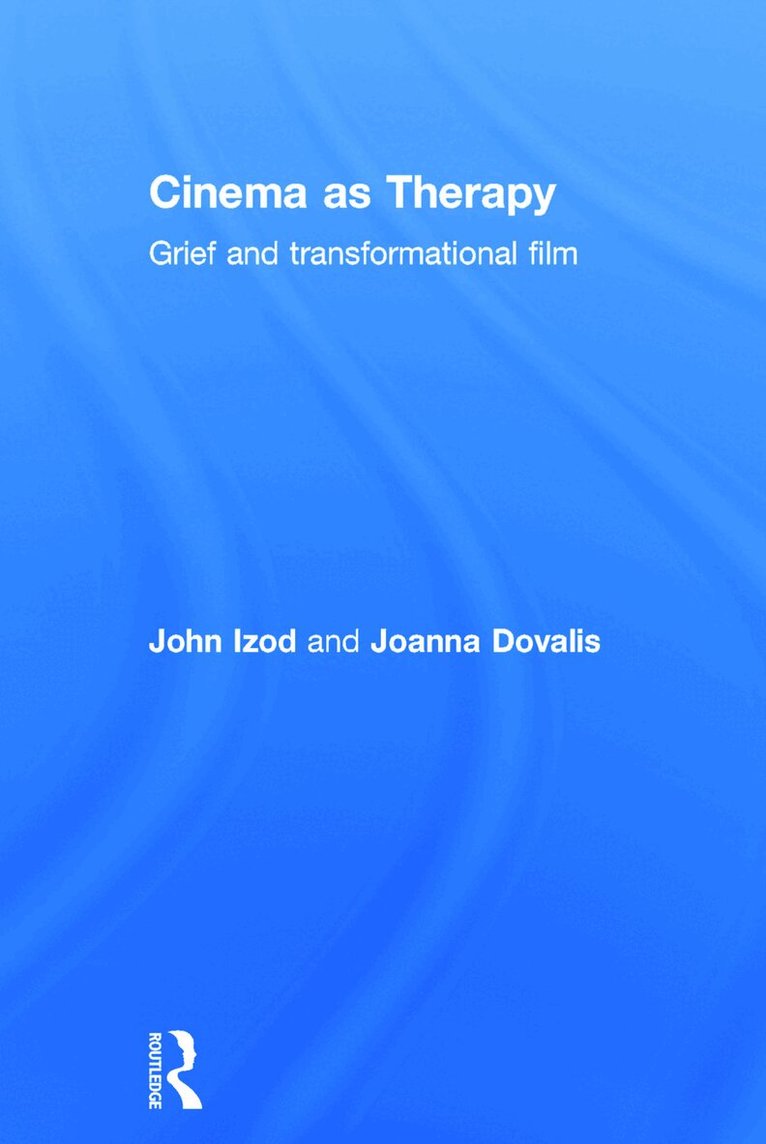
Loss is an inescapable reality of life, and individuals need to develop a capacity to grieve in order to mature and live life to the full. Yet most western movie audiences live in cultures that do not value this necessary process and filmgoers finding themselves deeply moved by a particular film are often left wondering why. In Cinema as Therapy, John Izod and Joanna Dovalis set out to fill a gap in work on the conjunction of grief, therapy and cinema.Looking at films including Million Dollar Baby, The Son’s Room, Birth and The Tree of Life, Cinema as Therapy offers an understanding of how deeply emotional life can be stirred at the movies. Izod and Dovalis note that cinema is a medium which engages people in a virtual dialogue with their own and their culture’s unconscious, more deeply than is commonly thought. By analysing the meaning of each film and the root cause of the particular losses featured, the authors demonstrate how our experiences in the movie theatre create an opportunity to prepare psychologically for the inevitable losses we must all eventually face. In recognising that the movie theatre shares symbolic features with both the church and the therapy room, the reader sees how it becomes a sacred space where people can encounter the archetypal and ease personal suffering through laughter or tears, without inhibition or fear, to reach a deeper understanding of themselves. Cinema as Therapy will be essential reading for therapists, students and academics working in film studies and looking to engage with psychological studies in depth as well as filmgoers who want to explore their relationship with the screen. The book includes a glossary of Jungian and Freudian terms which enhances the clarity of the text and the understanding of the reader.
703 kr
Skickas inom 10-15 vardagar
Loss is an inescapable reality of life, and individuals need to develop a capacity to grieve in order to mature and live life to the full. Yet most western movie audiences live in cultures that do not value this necessary process and filmgoers finding themselves deeply moved by a particular film are often left wondering why. In Cinema as Therapy, John Izod and Joanna Dovalis set out to fill a gap in work on the conjunction of grief, therapy and cinema.Looking at films including Million Dollar Baby, The Son’s Room, Birth and The Tree of Life, Cinema as Therapy offers an understanding of how deeply emotional life can be stirred at the movies. Izod and Dovalis note that cinema is a medium which engages people in a virtual dialogue with their own and their culture’s unconscious, more deeply than is commonly thought. By analysing the meaning of each film and the root cause of the particular losses featured, the authors demonstrate how our experiences in the movie theatre create an opportunity to prepare psychologically for the inevitable losses we must all eventually face. In recognising that the movie theatre shares symbolic features with both the church and the therapy room, the reader sees how it becomes a sacred space where people can encounter the archetypal and ease personal suffering through laughter or tears, without inhibition or fear, to reach a deeper understanding of themselves. Cinema as Therapy will be essential reading for therapists, students and academics working in film studies and looking to engage with psychological studies in depth as well as filmgoers who want to explore their relationship with the screen. The book includes a glossary of Jungian and Freudian terms which enhances the clarity of the text and the understanding of the reader.
1 158 kr
Skickas inom 7-10 vardagar
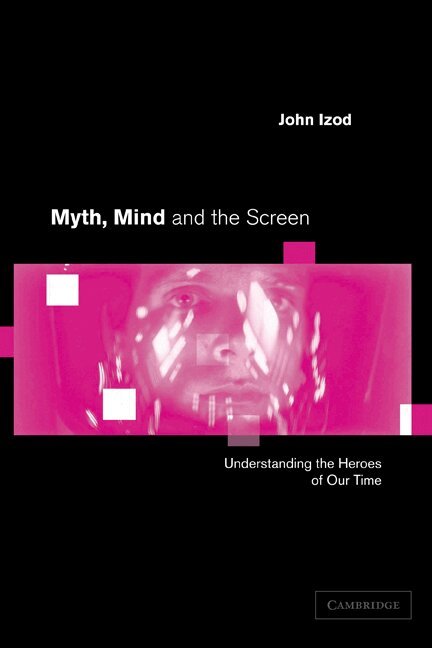
Myth, Mind and the Screen is a systematic attempt to apply Jungian theory to the analysis of films (including 2001: A Space Odyssey, The Silence of the Lambs and The Piano) as well as a variety of cultural icons and products such as Madonna, Michael Jackson and televised sport. Through these and other examples, John Izod shows how Jungian theory can bring tools to film and media studies and ways of understanding screen images and narratives. He also demonstrates how Jungian analysis can provide us with insights into the psychological dimensions of contemporary mythology and the subjective experience of audiences. Perhaps most controversially, he argues that in the Western world cinema and television bear much of the responsibility for collective emotional mediation that in previous centuries was borne by organised religion. This 2001 book is a valuable resource for students of film and media studies, cultural studies and psychoanalytic studies.
493 kr
Skickas inom 7-10 vardagar
Myth, Mind and the Screen is a systematic attempt to apply Jungian theory to the analysis of films (including 2001: A Space Odyssey, The Silence of the Lambs and The Piano) as well as a variety of cultural icons and products such as Madonna, Michael Jackson and televised sport. Through these and other examples, John Izod shows how Jungian theory can bring tools to film and media studies and ways of understanding screen images and narratives. He also demonstrates how Jungian analysis can provide us with insights into the psychological dimensions of contemporary mythology and the subjective experience of audiences. Perhaps most controversially, he argues that in the Western world cinema and television bear much of the responsibility for collective emotional mediation that in previous centuries was borne by organised religion. This 2001 book is a valuable resource for students of film and media studies, cultural studies and psychoanalytic studies.
354 kr
Skickas inom 5-8 vardagar
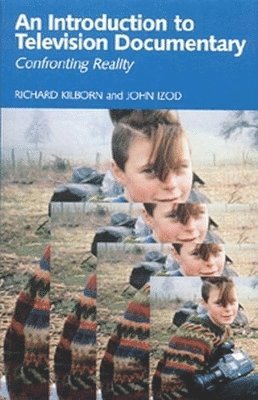
A lively introduction to a subject which has attracted increasing interest in the last few years.. A wide-ranging and carefully constructed account. Likely to be adopted on many courses (both foundational level and advanced) which include the study of documentary as part of a wider Media Studies agenda.. Written in a highly accessible manner, it has the edge on rival publications on the subject, which have often proved to difficult for an undergraduate readership.
1 239 kr
Skickas inom 5-8 vardagar
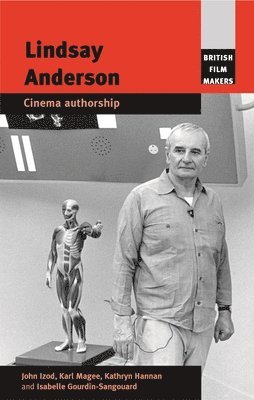
In a long and varied career, Lindsay Anderson made training films, documentaries, searing family dramas and blistering satires, including This Sporting Life, O Lucky Man! and Britannia Hospital.Students of British cinema and television from the 1950s to 1990s will find this book a valuable source of information about a director whose work came to public attention with Free Cinema but who, unlike many of his peers in that movement did not take the Hollywood route to success. What emerges is a strong feeling for the character of the man as well as for a remarkable career in British cinema.The book will appeal to admirers, researchers and students alike. Making use of hitherto unseen original materials from Anderson’s extensive personal and professional records, it is most valuable as a study of how the films came about: the production problems involved, the collaborative input of others, as well as the completed films’ promotion and reception.It also offers a finely argued take on the whole issue of film authorship, and achieves the rare feat of being academically authoritative whilst also being completely accessible. It prompts renewed respect for the man and the artist and a desire to watch the films all over again.
522 kr
Skickas inom 10-15 vardagar
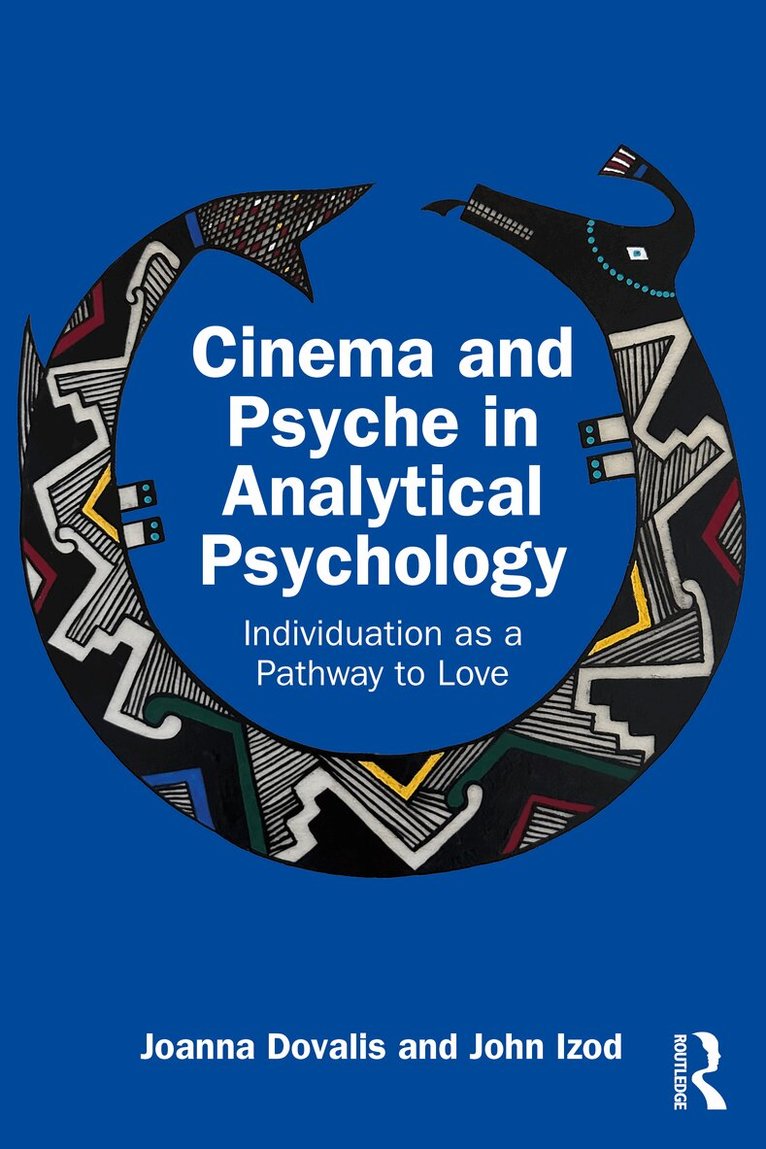
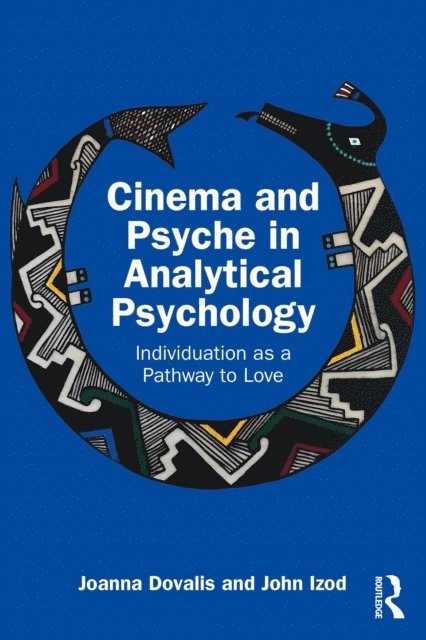
Peering into the unconscious through cinema can give audiences an uncanny feeling about what lives in the beyond, something alien to consciousness. This book creates psychological interpretations of films that lend themselves to the depths, and investigates the personal and cultural appeal of cinema as a powerful art form.The selected films examined in this book circle around the process of individuation, focussing on different aspects of intellectual and emotional life from a Jungian lens. The first group of movies centres on three films, following plotlines that extend beyond the norms of routine drama, delving into alien territory. The second group presents three more films that, by comparison with the first, can be seen as typical dramas that focus on motifs of relationships. In the final chapter, the authors reflect on their own individuation journeys and life experiences that have informed the productive nature of their work together.This book will be of interest for therapists, students, and academics working in film studies, looking to engage in psychological studies in depth, as well as film goers who want to explore their relationship to the screen.
Cinema and Psyche in Analytical Psychology
Individuation as a Pathway to Love
Inbunden, Engelska, 2025
2 096 kr
Skickas inom 10-15 vardagar
Peering into the unconscious through cinema can give audiences an uncanny feeling about what lives in the beyond, something alien to consciousness. This book creates psychological interpretations of films that lend themselves to the depths, and investigates the personal and cultural appeal of cinema as a powerful art form.The selected films examined in this book circle around the process of individuation, focussing on different aspects of intellectual and emotional life from a Jungian lens. The first group of movies centres on three films, following plotlines that extend beyond the norms of routine drama, delving into alien territory. The second group presents three more films that, by comparison with the first, can be seen as typical dramas that focus on motifs of relationships. In the final chapter, the authors reflect on their own individuation journeys and life experiences that have informed the productive nature of their work together.This book will be of interest for therapists, students, and academics working in film studies, looking to engage in psychological studies in depth, as well as film goers who want to explore their relationship to the screen.